Historic Sites in Cyprus: Explore Roman Mosaics, Castles and Byzantine Churches
Explore historic sites in Cyprus, including Roman houses with mosaic floors, medieval castles, Byzantine churches and Ottoman religious complexes. The collection also contains courtyard inns and the remains of larger ancient settlements. Examples range from Paphos to Kolossi and Kyrenia, the religious buildings around Larnaca and a caravanserai in Nicosia.
Primary Function: All
Type: All
Civilization: All
Popularity: All
Rating: All
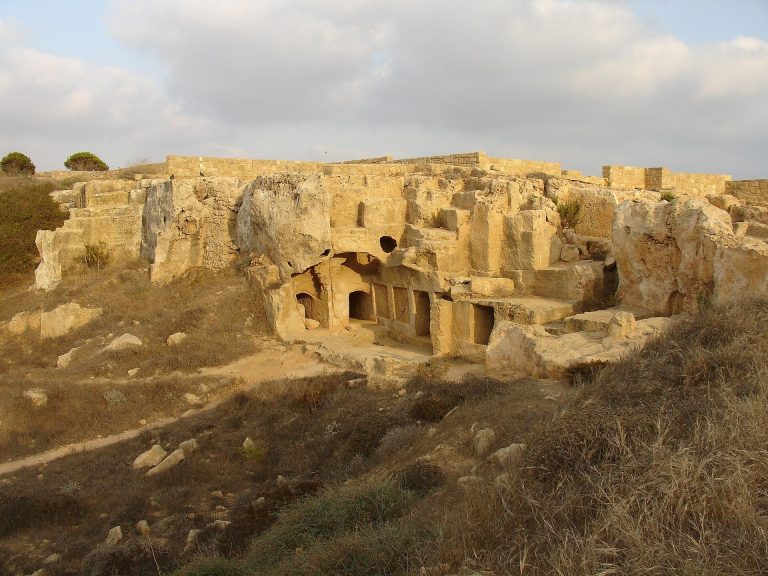
The Tombs of the Kings is a large Hellenistic necropolis near Paphos, developed under Ptolemaic rule and used for elite burials until the third…
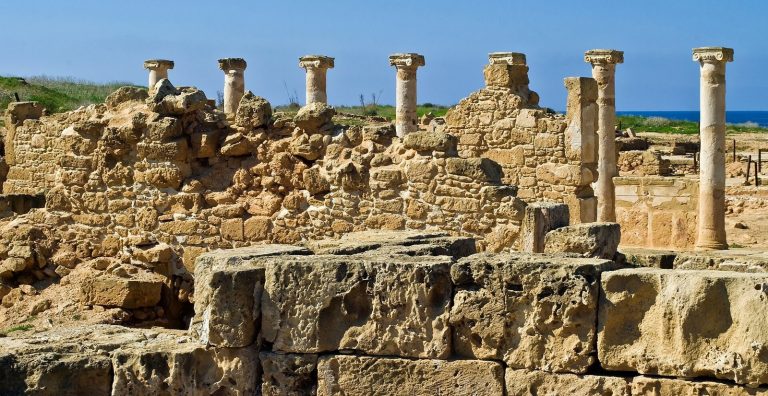
Nea Paphos was founded in the late 4th century BC and became the political, economic, harbour and naval centre of Cyprus under Ptolemaic and Roman…

The Church of Saint Lazarus in Larnaca is a ninth-century Orthodox church built over a tomb traditionally identified with Lazarus of Bethany. Its…
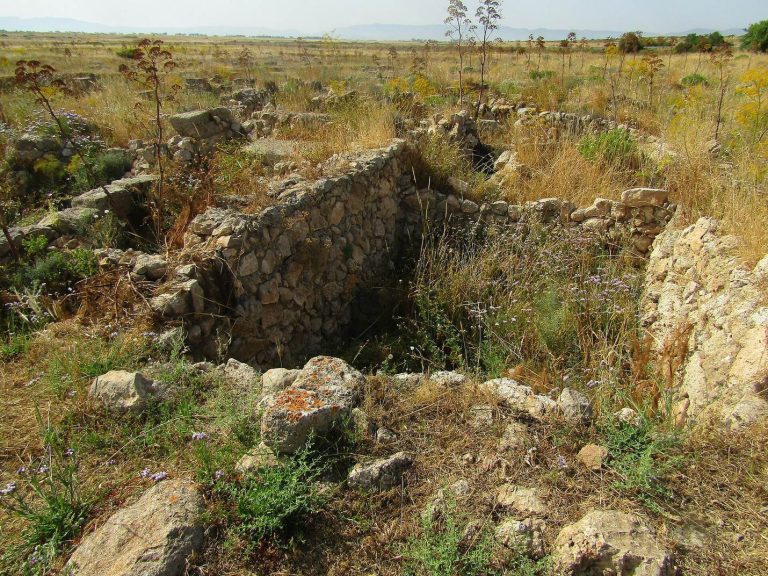
Enkomi developed into a major Late Bronze Age copper-trading and working center. Its planned streets, buildings, sanctuaries, tombs, and excavated…
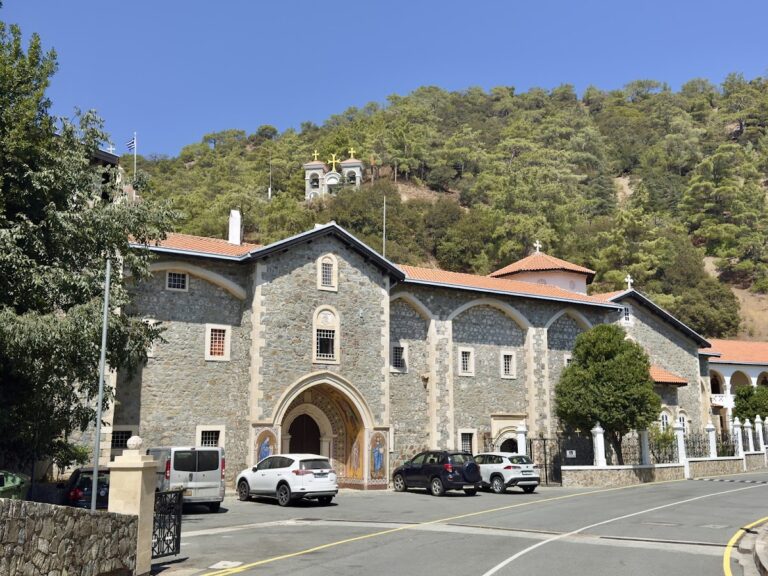
Kykkos Monastery is a historic Orthodox institution in the Troodos mountains, associated with a Byzantine foundation tradition, the Kykkos Icon of…
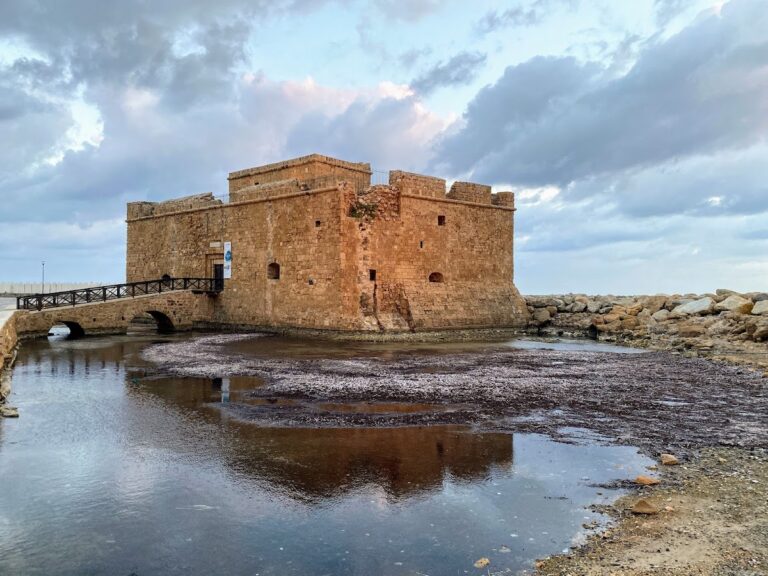
Paphos Castle is a medieval fortification at Paphos Harbour, rebuilt under Ottoman rule after earlier Lusignan and Venetian phases. Its surviving…
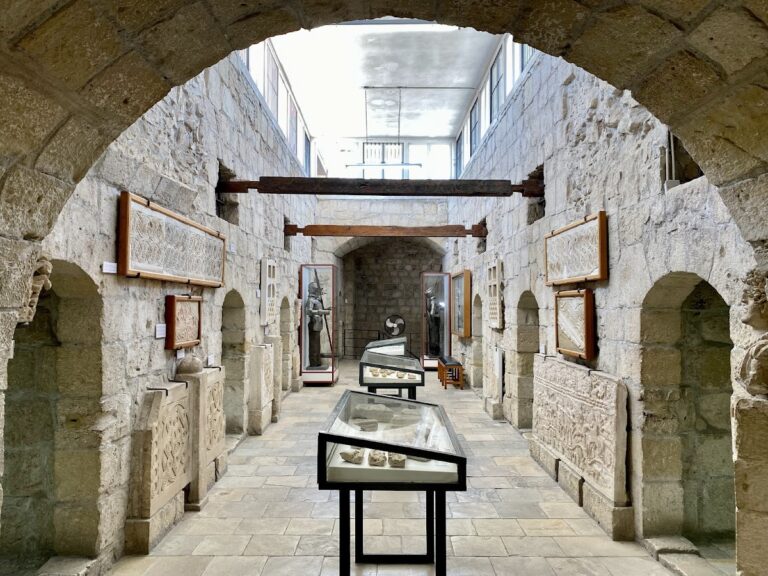
Limassol Castle preserves evidence of early Christian, Byzantine, Lusignan, Venetian, and Ottoman phases, and later served as a prison before…
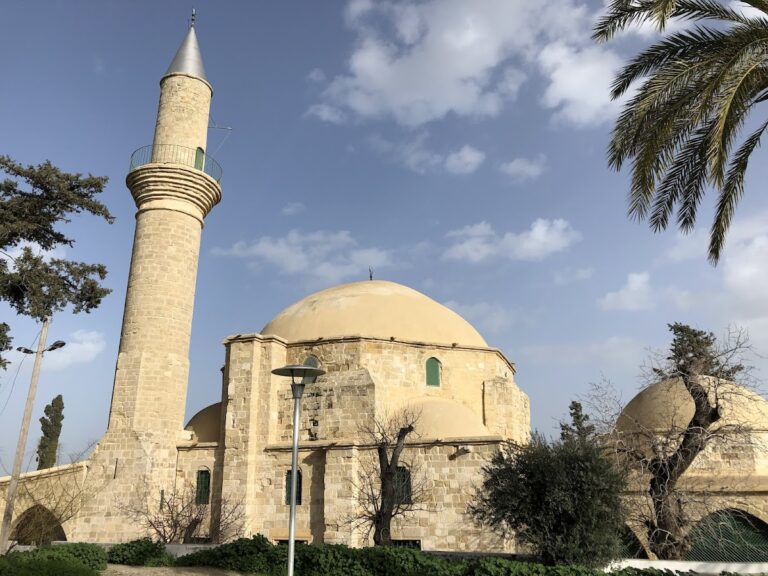
Hala Sultan Tekke is an Ottoman mosque and tekke complex beside Larnaca Salt Lake, associated with the tomb of Umm Haram and surrounded by evidence…
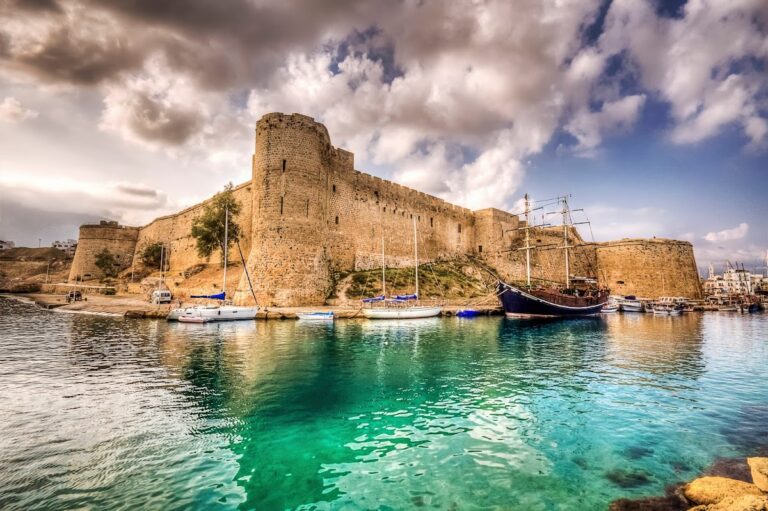
Kyrenia Castle is a medieval fortress at the eastern end of Kyrenia’s old harbour, shaped by Byzantine, Lusignan, Venetian, Ottoman, British, and…
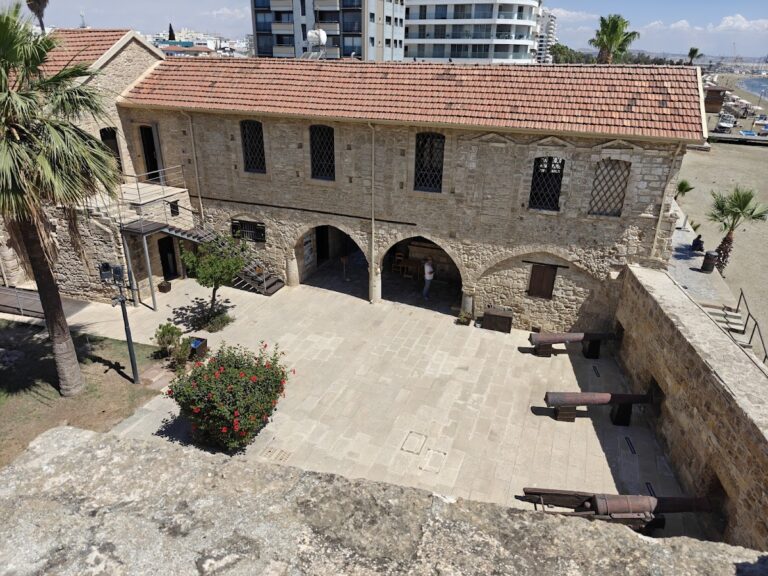
Larnaca Castle is a medieval coastal fortress associated with the Lusignan kingdom, later rebuilt under Ottoman rule and adapted for British judicial…
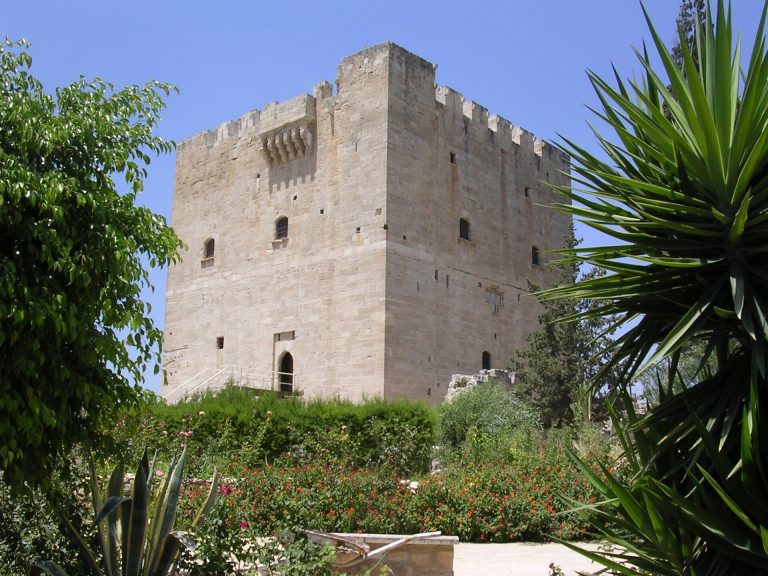
Kolossi Castle in Cyprus developed from a Frankish fortress into a Hospitaller headquarters, administrative center, residence, and sugar-processing…
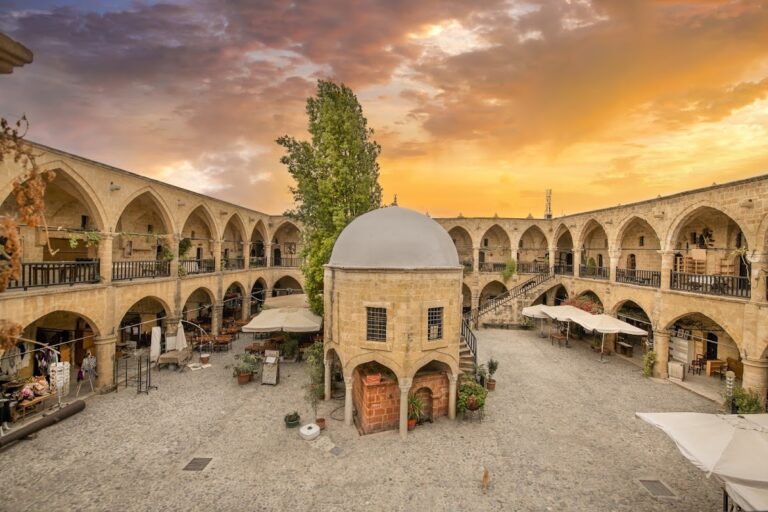
Büyük Han is a 1572 Ottoman caravanserai in Nicosia, Cyprus. Built as an inn for merchants, it later served as a prison, family housing, storage…
For details on how to use the maps, which sites are included, how popularity and ratings are determined, and how sites are classified, see the help page.
On this page5 sections
Ancient settlements and Roman houses
At Nea Paphos, the House of Dionysos preserves a large group of Roman mosaic pavements within the plan of a substantial residence. Its rooms surrounded a central colonnaded space, with additional courtyards, service rooms and drainage installations. The mosaics include hunting scenes, grape harvesting and figures from Greek mythology, alongside geometric patterns.
The house was built over earlier remains, including a pebble mosaic depicting Scylla. This earlier floor differs in material and date from the later Roman pavements. The pavements remain within the excavated arrangement of rooms and courtyards.
Castles and fortified residences
Kolossi Castle centres on a tall, three-level stone tower begun in 1454 for the Hospitaller commander Louis de Magnac. Storage rooms and cisterns occupied the lower part, while a raised entrance reached by drawbridge protected the main accommodation. A room with a Crucifixion painting served a religious function, and an adjoining room with a fireplace provided living and dining space. The roof formed a defensive platform. Remains of a sugar mill and refinery beside the tower connect the fortified residence with the surrounding agricultural economy.
Kyrenia Castle encloses a much broader courtyard beside the old harbour. Venetian enlargement added thick walls, gun ports and ramps for hauling artillery into position. Inside, earlier Lusignan rooms include guard accommodation, a prison and royal quarters. The Byzantine Church of St George was brought within the enlarged defences; its dome rests on marble columns reused from an older building. The castle therefore contains structures that predate its most prominent artillery works.
Churches, mosques and shrines
The Church of Saint Lazarus has a Byzantine core with three aisles separated by substantial supports and arches. Later additions include a Gothic-style southern portico and an eighteenth-century carved icon screen. A cave-tomb beneath the sanctuary is traditionally identified with Lazarus; that attribution belongs to religious tradition. Fires and rebuilding have changed the interior, and the present bell tower is a nineteenth-century replacement.
Hala Sultan Tekke stands beside Larnaca Salt Lake. The complex combines a domed mosque, a tomb associated with Umm Haram, guest accommodation and a cemetery. Its Ottoman buildings use yellow stone, with an octagonal fountain opposite the mosque and inscriptions recording construction and water provision. The arrangement includes both a place of prayer and spaces that supported those who came to the shrine.
Caravanserais and courtyard inns
Büyük Han in northern Nicosia was built in the sixteenth century. Two storeys of pointed arcades surround a large courtyard, with vaulted rooms behind the galleries. Ground-floor spaces served commercial purposes, while upper rooms accommodated travellers. Fireplaces, wall niches and narrow openings provided fittings for the lodging rooms, and troughs outside the lower rooms served animals.
Two entrance gates connect the building with surrounding streets. Stairways set on arches lead to the upper galleries, keeping the central court open. Its repeated rooms and sheltered circulation spaces preserve the practical organisation of a caravanserai within an urban neighbourhood.
Explore the collection
Explore sites on the map or in the grid. Map icons indicate each site’s primary function, helping you identify different kinds of places at a glance. Narrow the results by primary function, site type, civilization or era, with additional filters for popularity and rating. Select a map marker to view the site’s details and open its article, or open the article from its grid entry.