Historic Sites in Croatia: Explore Roman Monuments, Fortresses and Churches
Explore more than 100 historic sites in Croatia, including Roman palaces and amphitheatres, coastal fortresses and medieval churches. Religious buildings and defensive sites account for much of the collection. Examples from Split, Pula, Klis, Senj, Zadar and Šibenik introduce surviving gates, arcades, vaulted rooms and stone-built interiors along the Adriatic coast.
Primary Function: All
Type: All
Civilization: All
Popularity: All
Rating: All
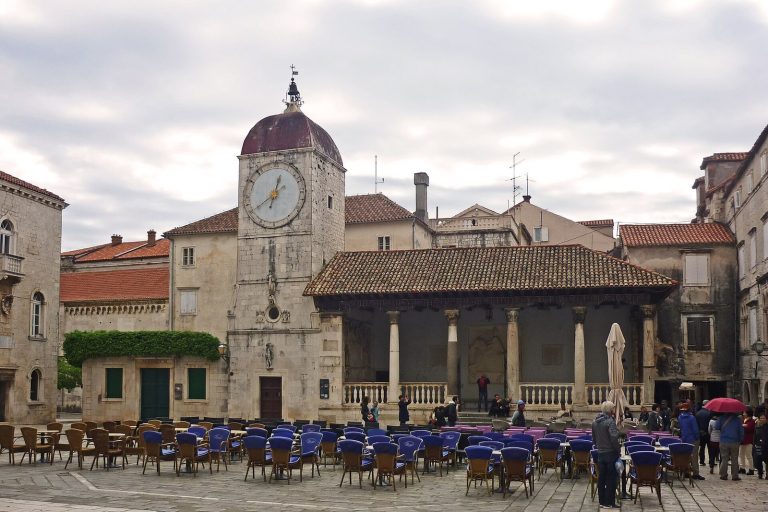
Built in 1476 as a votive offering during a plague, the Church of Saint Sebastian and its clock tower form a Renaissance complex on Trogir’s main…
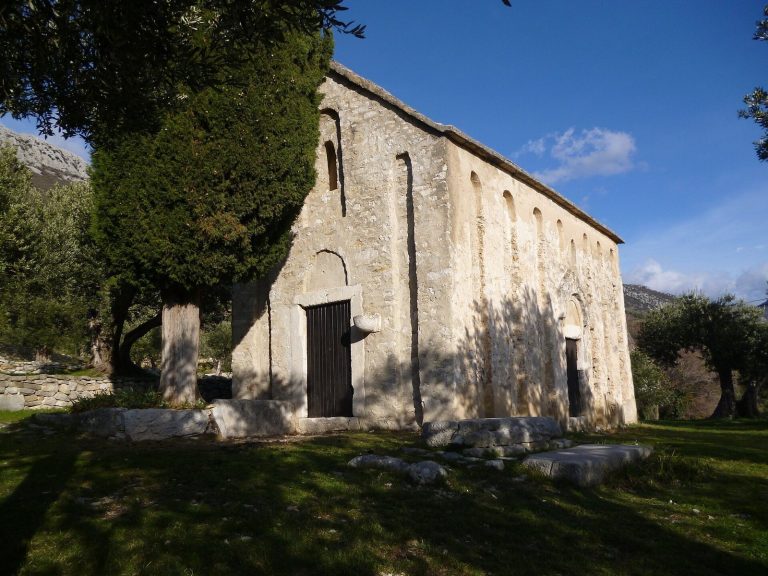
The Church of Saint George of Radun is a well-preserved pre-Romanesque cemetery church built between the late tenth and second half of the eleventh…
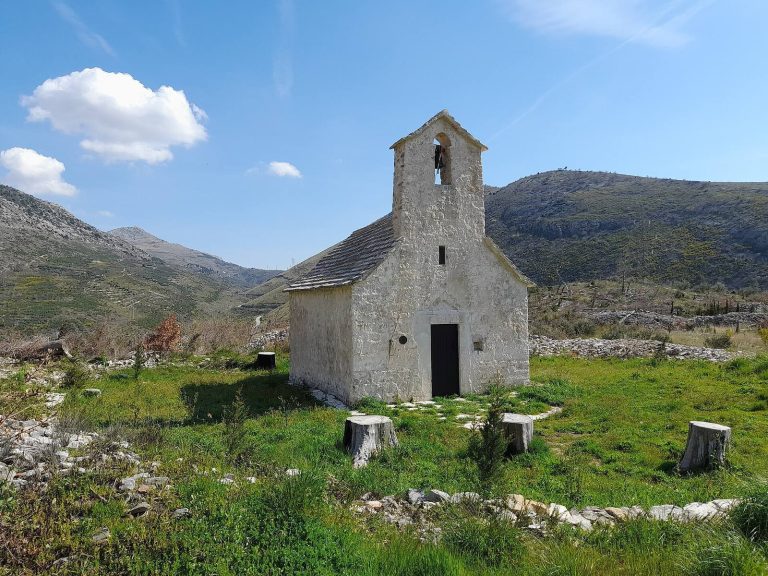
The Church of St Michael in Žrnovnica is a thirteenth- to fourteenth-century Romanesque-Gothic church and a protected cultural property in Croatia,…
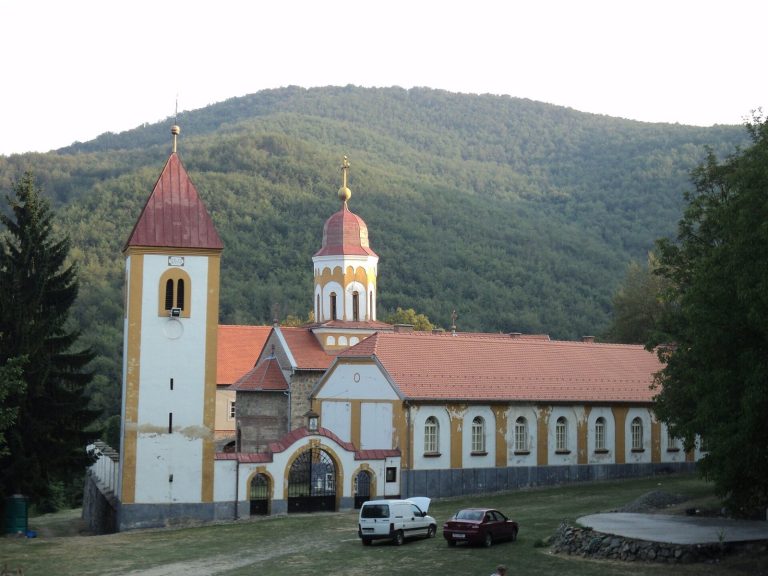
Orahovica Monastery is a Serbian Orthodox foundation in Slavonia with a history reaching back to the sixteenth century. It served as a diocesan seat,…
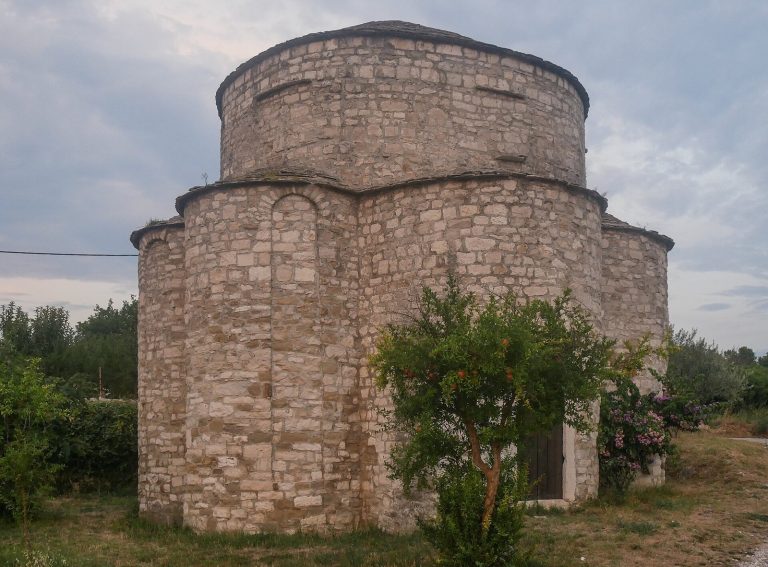
The Church of Holy Trinity in Split is a rare six-lobed pre-Romanesque church, probably built between the late eighth and ninth centuries. Its…
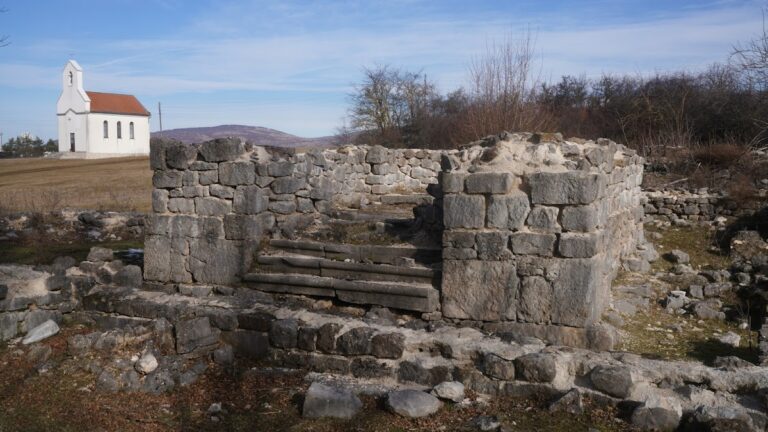
The Church of Saint Mark's Grave near Udbina preserves evidence of medieval worship, battlefield burials, Ottoman-era history, and the restoration of…
For details on how to use the maps, which sites are included, how popularity and ratings are determined, and how sites are classified, see the help page.
On this page5 sections
Ancient palaces and historic towns
Diocletian’s Palace was built as the emperor’s fortified retirement residence on the Dalmatian coast. Its enclosure contained streets, gates, ceremonial spaces and residential quarters. The main north–south street led from the Golden Gate towards the Peristyle, while an east–west route divided the complex into northern and southern sectors.
Later occupation incorporated the palace into the fabric of Split. The emperor’s mausoleum became the cathedral, and subsequent buildings occupied spaces within the Roman walls. The surviving gates, masonry and street alignments therefore belong to a large ancient complex that continued to shape an inhabited town.
Roman amphitheatres
Pula Arena preserves the extensive outer wall of a Roman amphitheatre. Its limestone arcades rise around an elliptical arena, with rectangular openings at the upper level. The sloping site means the sea-facing side exposes more storeys than the uphill side.
Stairways and entrances distributed spectators around the seating, while projecting exterior towers contained paired stairs serving the upper levels. The repeated arches are thus part of the building’s circulation and support system. They preserve the scale of a purpose-built arena whose construction and enlargement took place during the first century, even though its original seating arrangement has not survived in full.
Castles and coastal fortresses
Klis Fortress follows a rocky pass between the Mosor and Kozjak mountains above Split. Three successive defensive lines lead towards the highest strongpoint. The irregular walls fit the rock, and the principal approach enters from the lower western side. Its long sequence of defended spaces reflects the terrain and the need to control movement between the coast and the interior.
Nehaj Fortress at Senj is concentrated within an almost cubic sixteenth-century building. Thick walls taper upwards through three defensive levels, and projecting corner structures allow fire along the wall faces. A further projection protects the entrance. Its compact plan places the principal defensive positions within one block, in contrast to the extended ridge system at Klis.
Churches and cathedrals
The Church of St Donatus in Zadar was completed in the early medieval period on part of the Roman forum. Its cylindrical body contains a central space surrounded by an ambulatory, with a circular gallery above. Large piers and reused Roman columns support the inner structure, while three apses project towards the east. Roman material became part of a new religious building with a very different plan.
Šibenik Cathedral has a nave, aisles, three apses and a dome over the crossing. Its carefully cut stone slabs use overlapping and interlocking joints, with ribs, piers and arches incorporated into the structural system. Carved portals add another use of the same material: the Lion Gate includes figures of Adam and Eve above sculpted lions. The building brings architectural support, enclosure and detailed sculpture together in stone.
Explore the collection
Explore sites on the map or in the grid. Map icons indicate each site’s primary function, helping you identify different kinds of places at a glance. Narrow the results by primary function, site type, civilization or era, with additional filters for popularity and rating. Select a map marker to view the site’s details and open its article, or open the article from its grid entry.