Castles in Latvia: Explore Medieval Courtyards, Baroque Palaces and Hunting Lodges
Castles in Latvia range from stone and brick strongholds to palaces and country residences. Some preserve the enclosed courtyards and communal rooms of medieval religious military orders; others were designed around ceremonial façades, domestic comfort or hunting estates. The map includes this wider group of fortifications and residences, with linked examples explaining the buildings and their later alterations.
Primary Function: All
Type: All
Civilization: All
Popularity: All
Rating: All
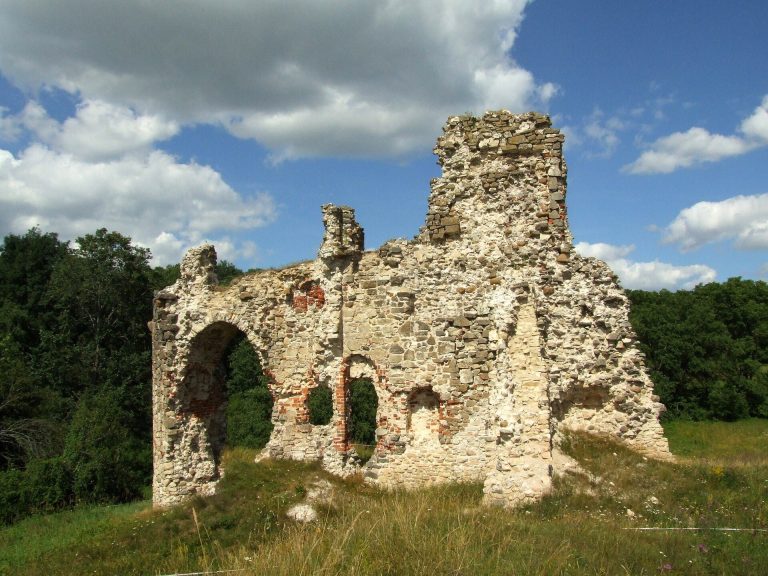
Aizkraukle Castle was a medieval stronghold and administrative center of the Livonian Order beside a Daugava crossing in Latvia. Its ruins preserve…
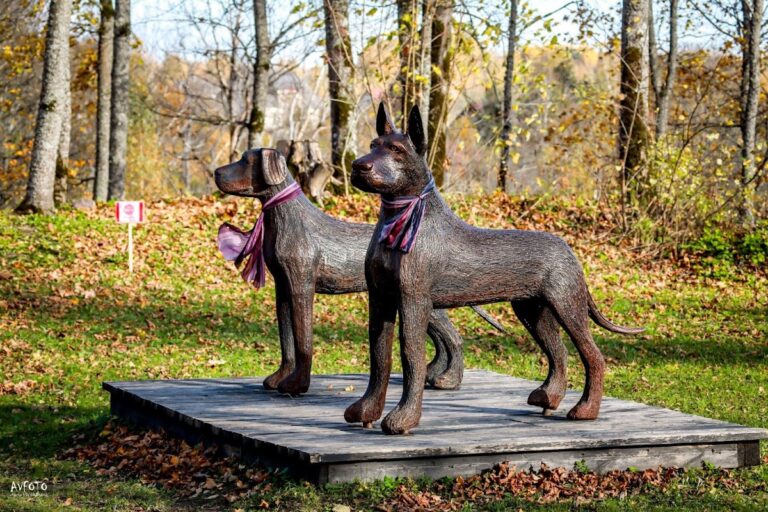
Ērgļi Castle was a medieval stronghold of the Archbishopric of Riga, held by the Tiesenhausen family and later contested during the Livonian and…
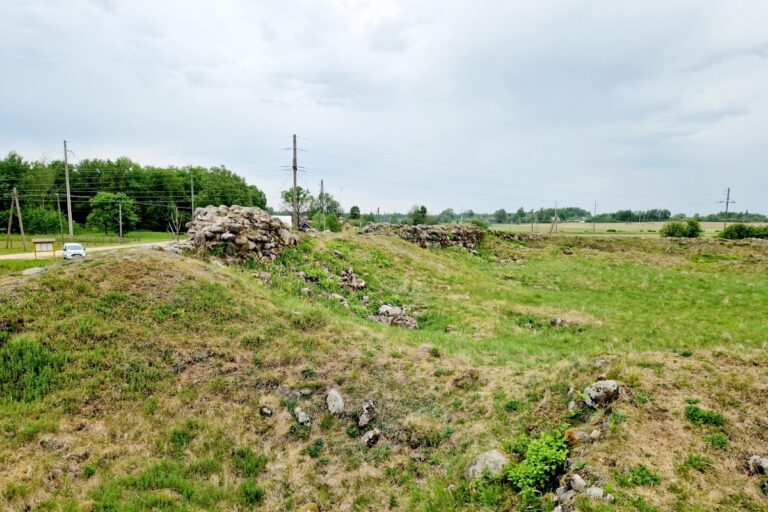
Rūjiena Fortress was a Livonian Order auxiliary castle, estate centre, and grain-storage station on the frontier with the Archbishopric of Riga. Its…
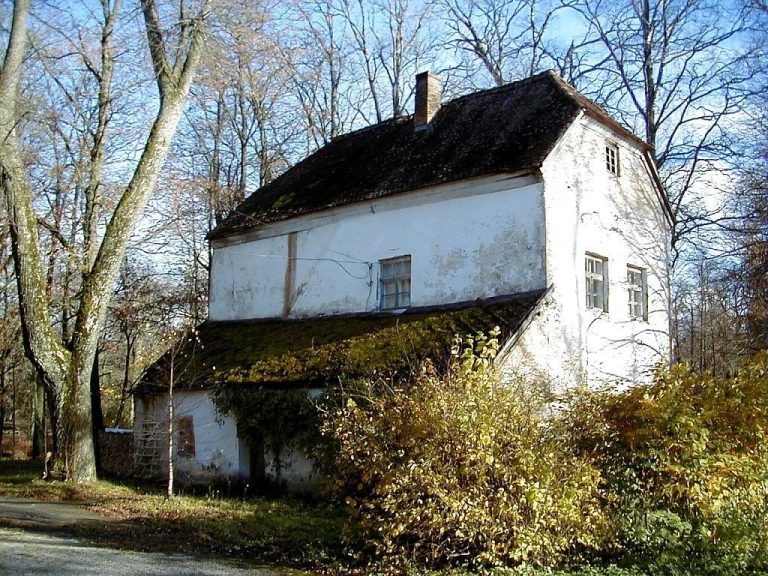
Dižstende Old Castle in Latvia developed from a medieval fief into a fortified manor of the Brüggen family, later becoming part of a modern…
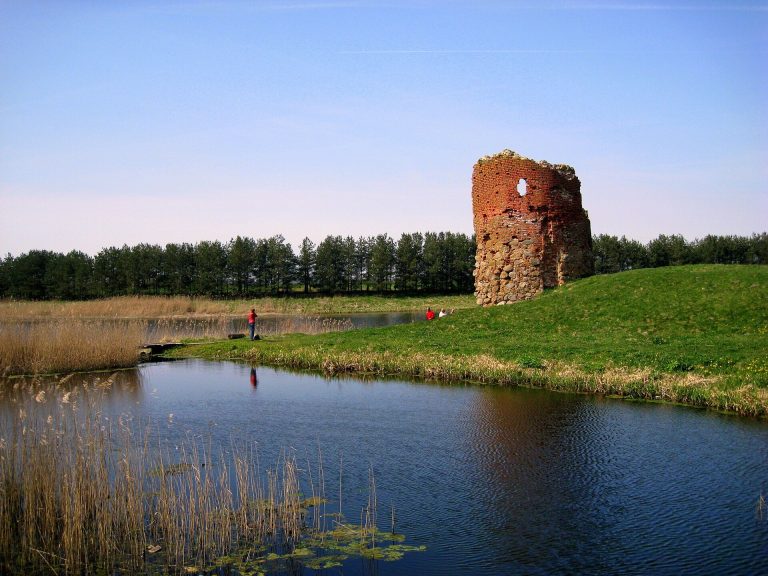
Piltene Castle in western Latvia was the medieval capital and principal residence of the Bishops of Courland before becoming a district…
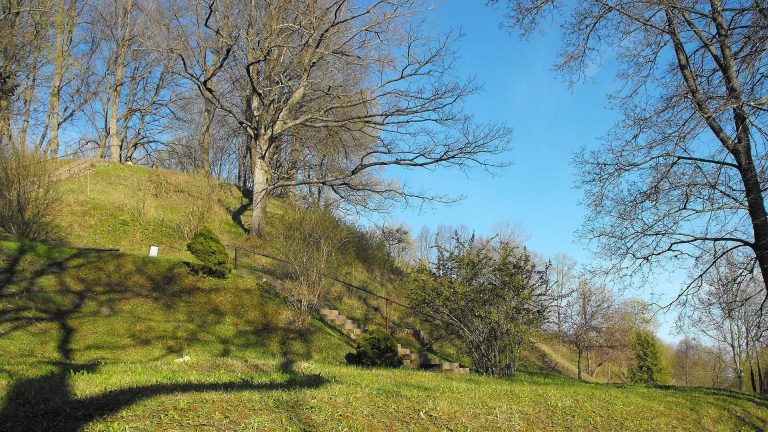
Sabile hillfort preserves the remains of a late Iron Age Curonian stronghold and settlement, later associated with a Livonian Order castle and the…
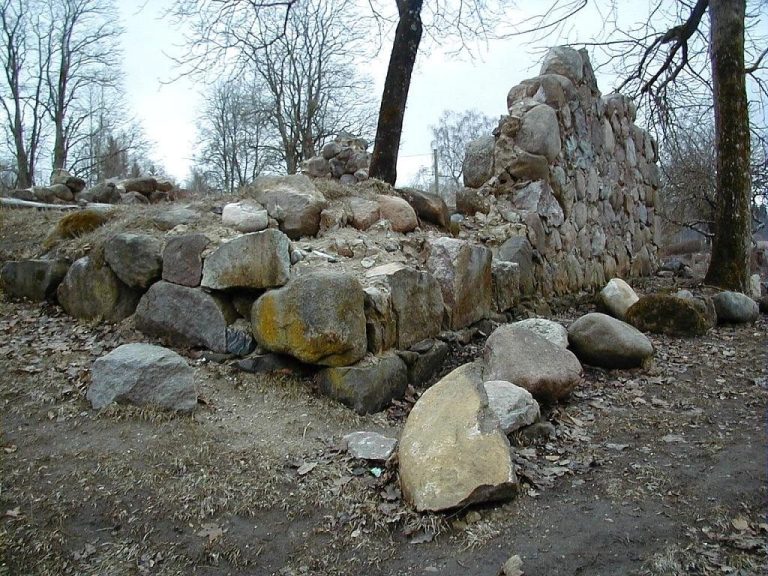
Bērzaune Castle was a medieval fortress of the Archbishopric of Riga, later reshaped by Polish, Swedish, and Russian rule before its remains were…
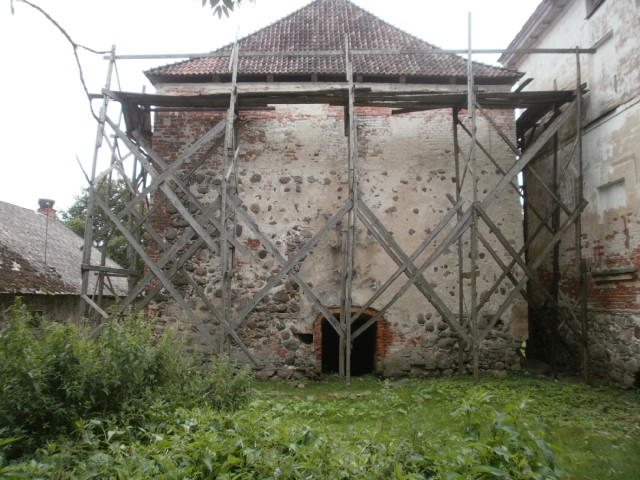
Nabe Fortress in Latvia was a castle of the Archbishopric of Riga, later absorbed into the Polish-Lithuanian Commonwealth. Its surviving donjon,…
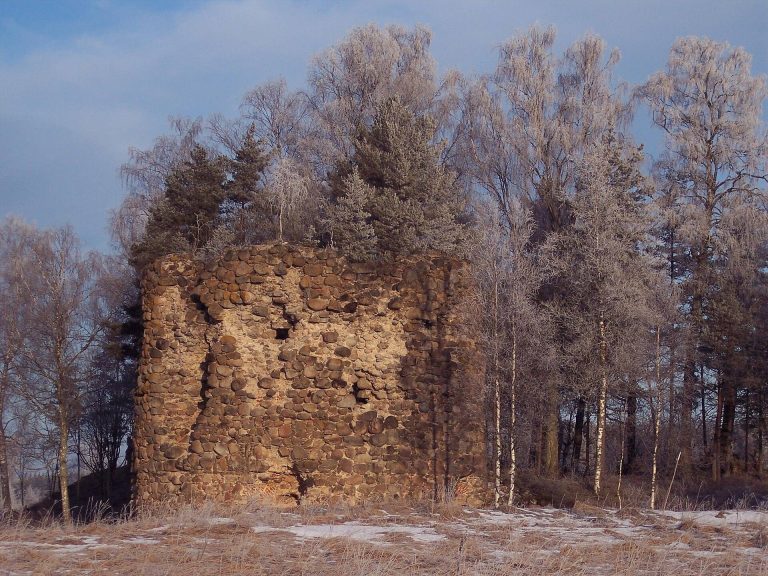
Rozbeķi Castle, also known as Rosenbeck, was a medieval fortified estate of the Archbishopric of Riga. Its surviving cannon tower and earthworks…
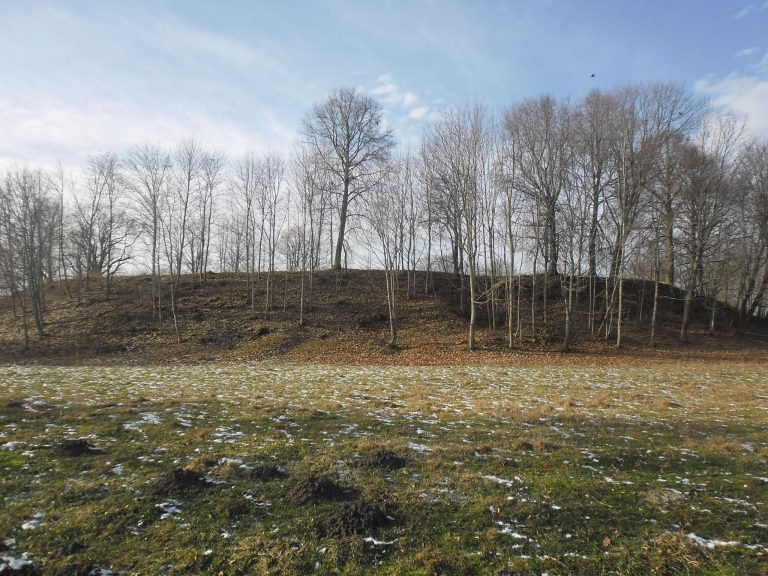
Jersikas pilskalns preserves the site of the medieval Jersika fortress, a political, religious, and trading center on the Daugava associated with…
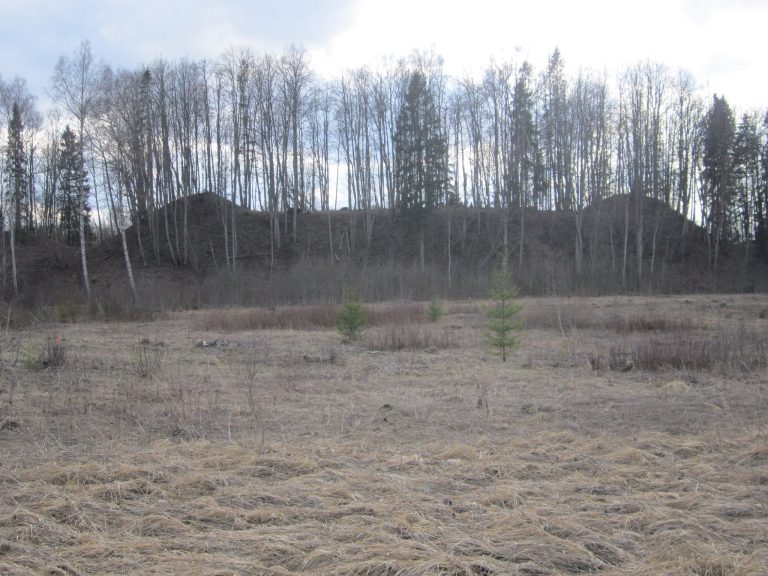
Ķoderu hillfort in Latvia was a fortified Liv settlement occupied from the ninth to the twelfth century, with defensive earthworks, a wooden…
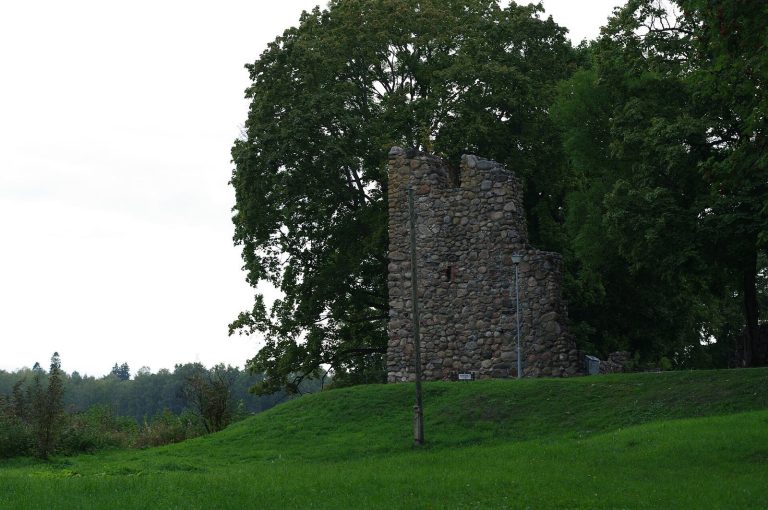
Alūksne Castle was a major frontier fortress of the Livonian Order, built in stone in 1342 on an island in Lake Alūksne. Its ruins reflect centuries…
For details on how to use the maps, which sites are included, how popularity and ratings are determined, and how sites are classified, see the help page.
On this page5 sections
Sigulda Castle: a fortified community above the Gauja
Sigulda Castle occupies a ridge above the Gauja valley. Its central stronghold was approached through outer enclosures, with ditches protecting the landward side. The position combined the natural slopes with a sequence of defended spaces between the approach and the castle’s core.
Parts of the convent buildings survive within the enclosure, with selected walls and tower elements conserved or reconstructed. Gothic chapel windows and supports for former vaulting identify rooms that served the religious life of the community, alongside its military duties. The castle accommodated worship, shared living and administration as well as defence.
Jaunpils and Ventspils: two courtyard castles
At Jaunpils Castle, buildings and enclosing walls form an irregular quadrangle. Fieldstone dominates the lower masonry, with brick used higher in the structure. A large round tower anchors the southeastern corner. Water once provided obstacles around the castle, although the former moat arrangement has changed.
Ventspils Castle encloses its courtyard with four wings near the mouth of the Venta. Its tower was heightened during the medieval period and also served as a landmark for sailors. Within the complex, vaulted rooms and chapel paintings retain evidence of the castle’s religious and communal functions.
The rooms were organized vertically: storage and service activities occupied lower spaces, while the chapel, dining and other principal rooms lay above. Later rebuilding and prison use altered this arrangement. Jaunpils emphasizes a courtyard guarded by a prominent corner tower; Ventspils offers a fuller enclosed block whose rooms accommodated several functions under one roof.
Jelgava Palace: a Baroque residence between rivers
Jelgava Palace stands on an island between branches of the Lielupe and Driksa. Designed by Bartolomeo Rastrelli, its original three-wing arrangement formed a U around a court. A western range added in the twentieth century closed that court into the rectangle seen in the present building.
Festoons, masks and other façade ornament belong to the palace’s ceremonial architectural language. The long elevations and repeated windows provide a different kind of presence from the compact medieval castles. Fires in the twentieth century destroyed the original interiors, so the surviving and restored exterior should not be taken as evidence that Rastrelli’s furnished rooms remain intact inside.
Jaunmokas: a hunting lodge with decorated domestic fittings
Jaunmokas Palace was built in 1901 as a hunting residence, combining Neo-Gothic forms with Art Nouveau details. A tiled stove carries images of Riga and seaside scenes, bringing a record of contemporary places into an everyday domestic fitting. Such features explain the residence through the rooms and objects its occupants used, as well as through its towered exterior.
The estate also includes a large stable supported by cast-iron columns, together with service buildings and landscaped grounds. These structures supported horses, maintenance and household work. Jaunmokas therefore adds an early twentieth-century estate to a collection otherwise strongly associated with medieval castles and grander court residences.
Explore the collection
Explore sites on the map or in the grid. Map icons reflect each site’s primary function, helping you identify different kinds of places at a glance. Narrow this collection by primary function, by a site type within the castle and residence group, or by civilization and era. Additional filters cover popularity and rating. Select a map marker to view the site’s details and open its article, or open the article from its grid entry.