Palazzo Asmundo: A Late-Baroque Aristocratic Palace in Palermo
Site at a Glance
- Rating
- 4.4
- Popularity
- Low
- Country
- Italy
- Primary era
- Early Modern
- External website
- Open
- Eras represented
- Early Modern
- Civilizations
- Kingdom of Sicily, Spanish
- Site type
- Domestic
- Remains
- Elite Residence
On this page15 sections
History
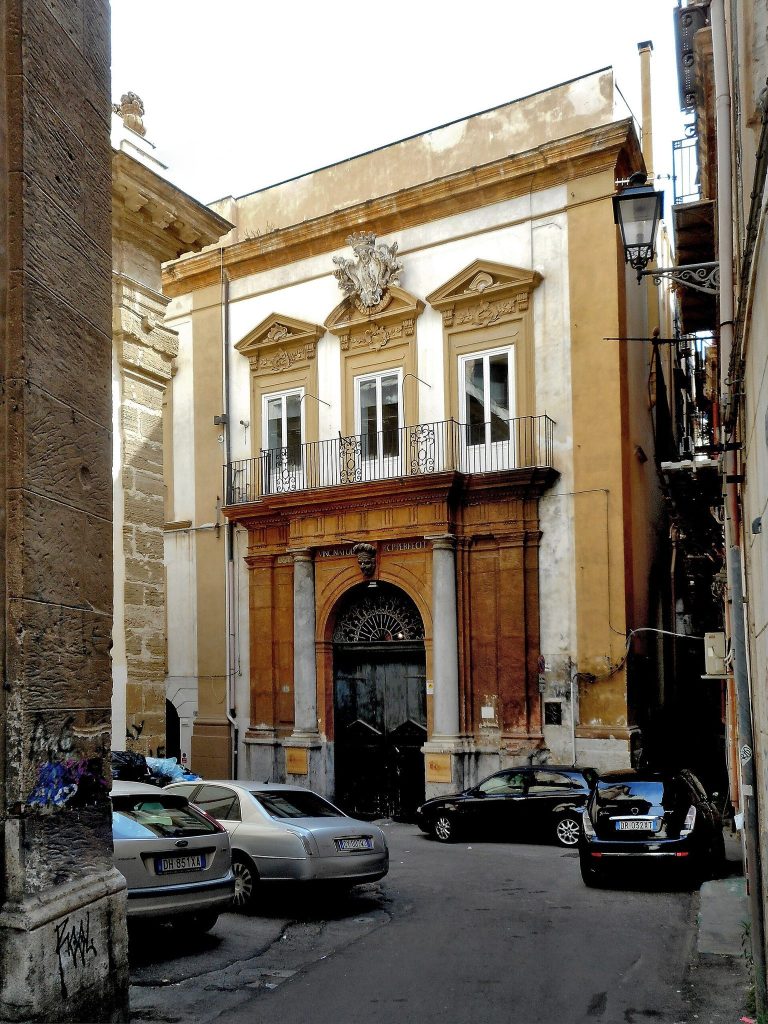
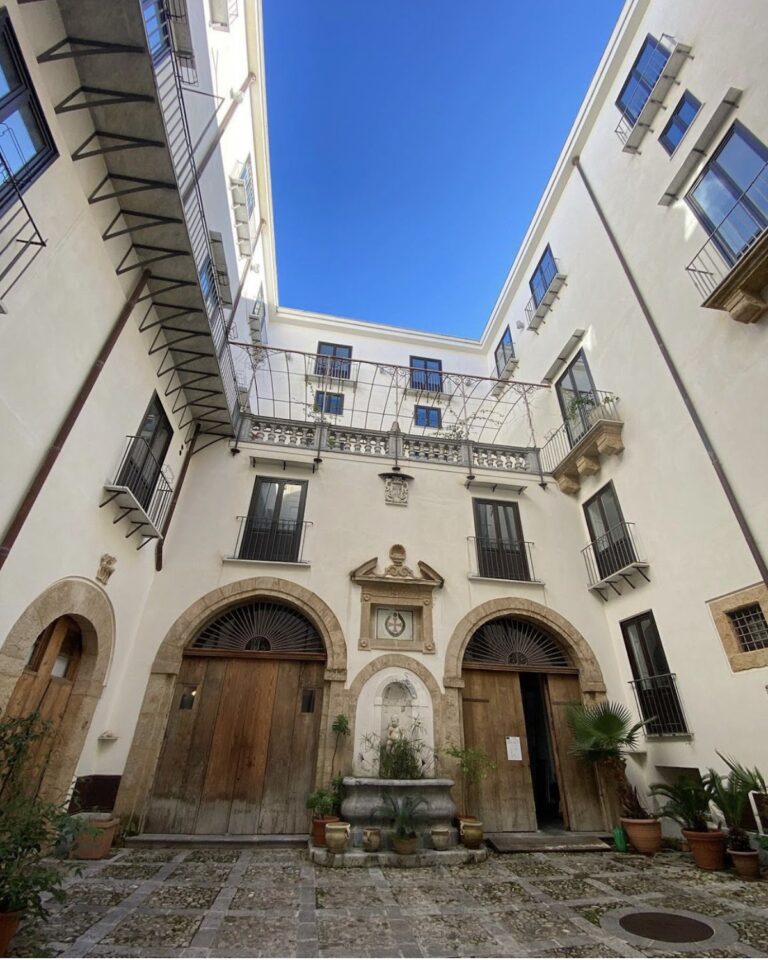
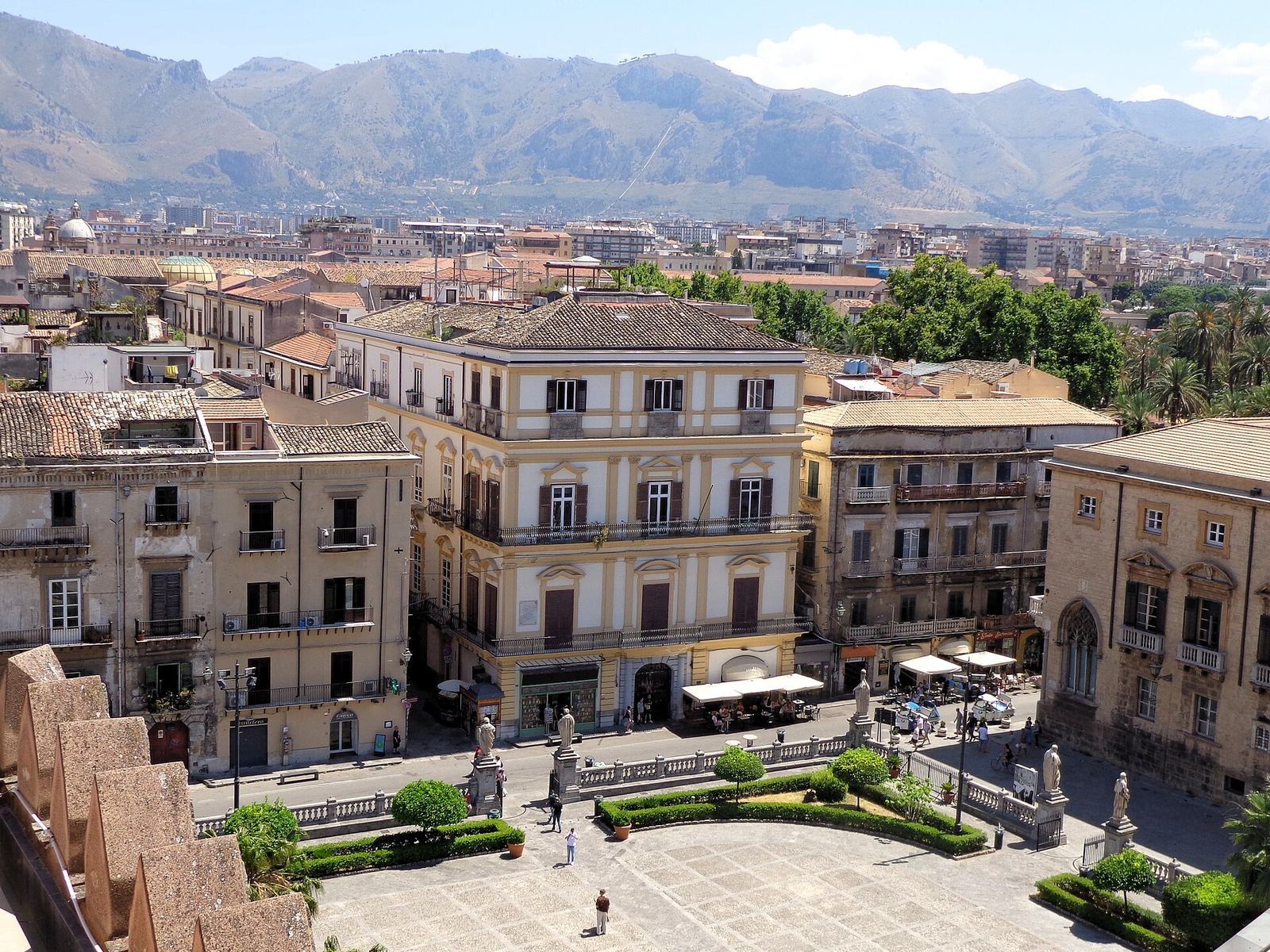
Palazzo Asmundo is a late-Baroque aristocratic palace in Palermo, Italy, built along the city’s historic Cassaro between 1615 and 1767. The Cassaro, Palermo’s principal urban axis, had been widened and straightened in 1567 on the orders of the viceroy Garcia de Toledo, creating the setting for major aristocratic and ecclesiastical buildings.
Construction and the Asmundo family
Construction began in 1615 for Doctor Baliano, and the building developed over more than a century before its completion in 1767. Before Giuseppe Asmundo acquired the palace, it belonged to the Joppolo family, Princes of Sant’Elia. Giuseppe Asmundo, Marquess of Sessa and President of Justice, inherited it from his maternal uncle on the condition that he place the surname Asmundo before Paternò. The office of President of Justice was a high judicial and governmental position in the Kingdom of Sicily.
In 1764, Giuseppe Asmundo Paternò commissioned the Sicilian painter Gioacchino Martorana to decorate the salons of the piano nobile, the principal ceremonial and residential floor of an aristocratic palace. Martorana was known for decorative and allegorical compositions, and many of the palace’s frescoes belong to this campaign. The palace was completed three years later.
Royal residence and later occupants
A plaque in the palace records that Maria Cristina of Bourbon-Two Sicilies stayed there from 1806 while fleeing Naples with her husband, Carlo, Duke of Genoa and Sardinia. She was the daughter of Ferdinand I of the Two Sicilies, also known as Ferdinand III of Sicily.
The palace later housed the Turrisi Colonna family. Anna Turrisi Colonna and her sister Giuseppina were born there in 1821 and 1822. Anna became a painter and art critic, while Giuseppina became a poet. The French traveller Gaston Vuiller also stayed briefly at Palazzo Asmundo and described it in his 1897 book Sicily: Impressions of the Present and the Past.
Collections and museum use
From the 1970s, Vincenzo Martorana Genuardi di Molinazzo began assembling the palace’s collections and acquired the piano nobile. The privately owned building is now a museum and exhibition space open to the public. Its historical collection, associated with the Martorana family, brings together paintings, Sicilian ceramics, Neapolitan and French porcelain, sixteenth- and seventeenth-century marriage chests, antique weapons, coins, postcards, and historical maps of Sicily.
Remains
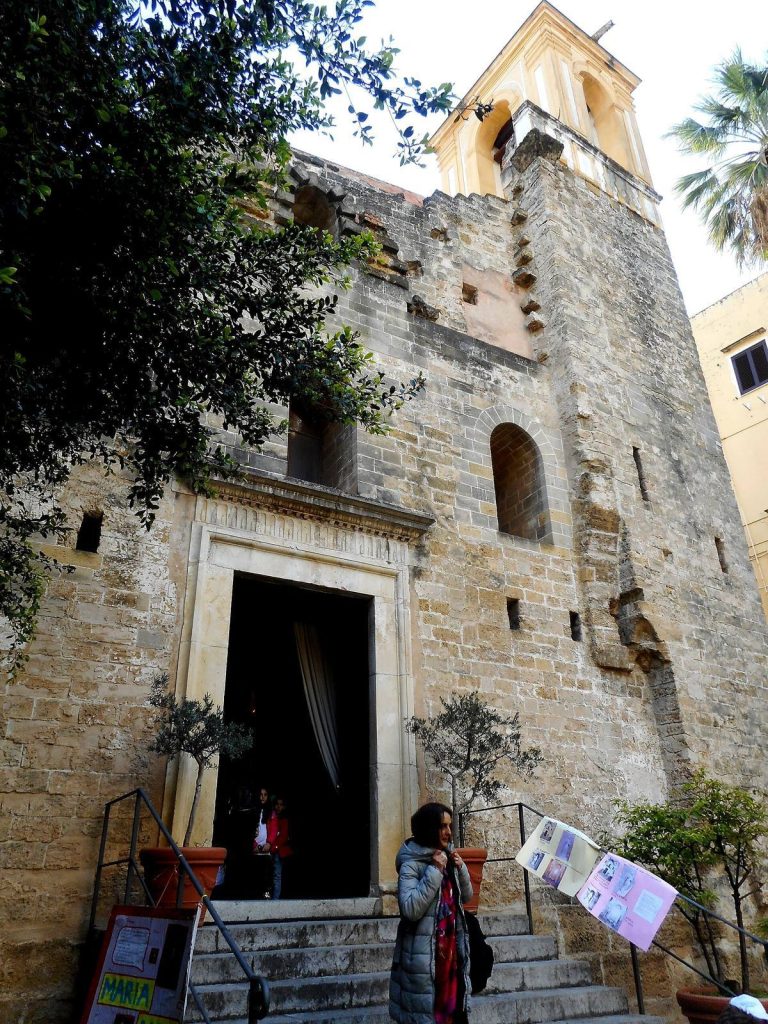
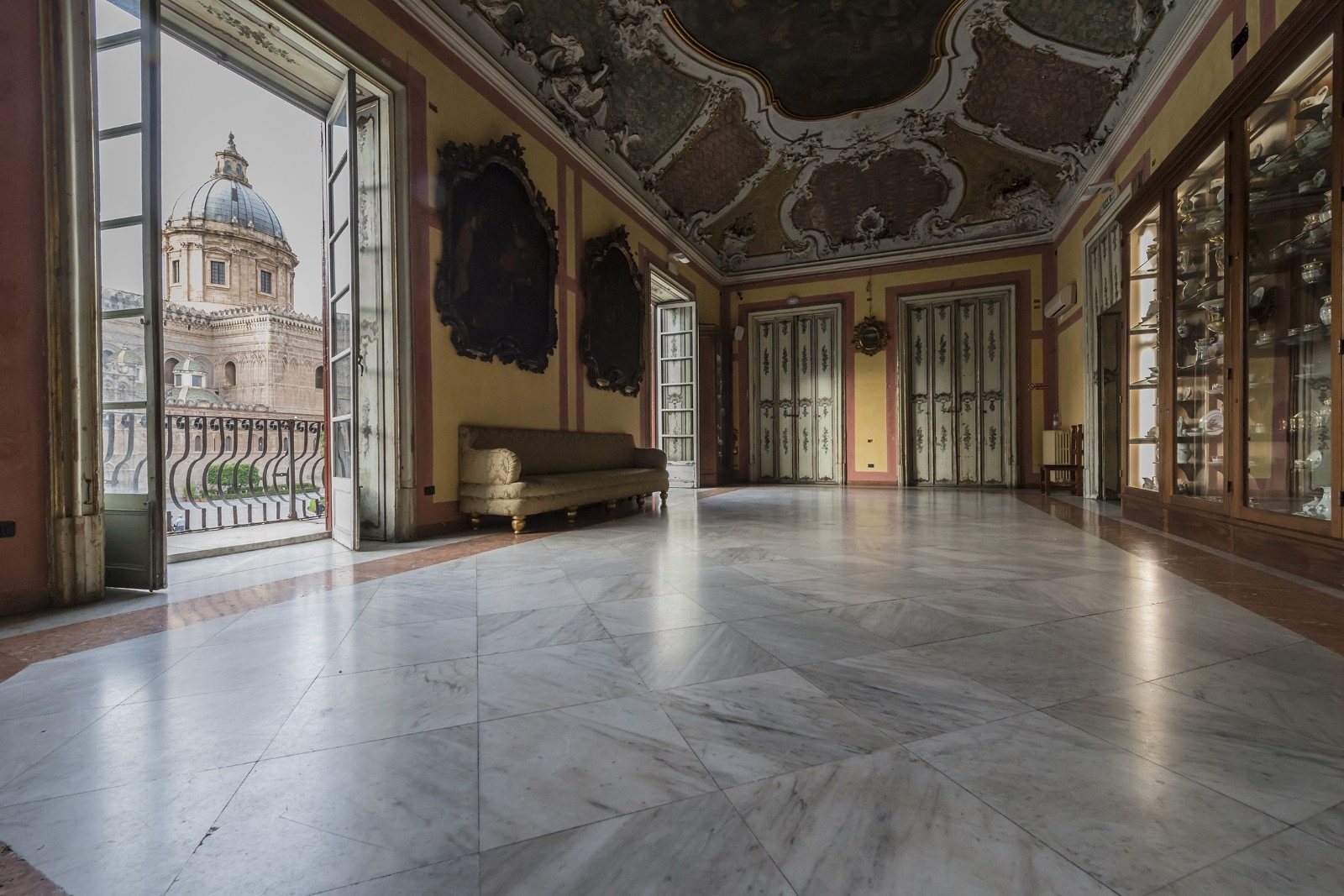
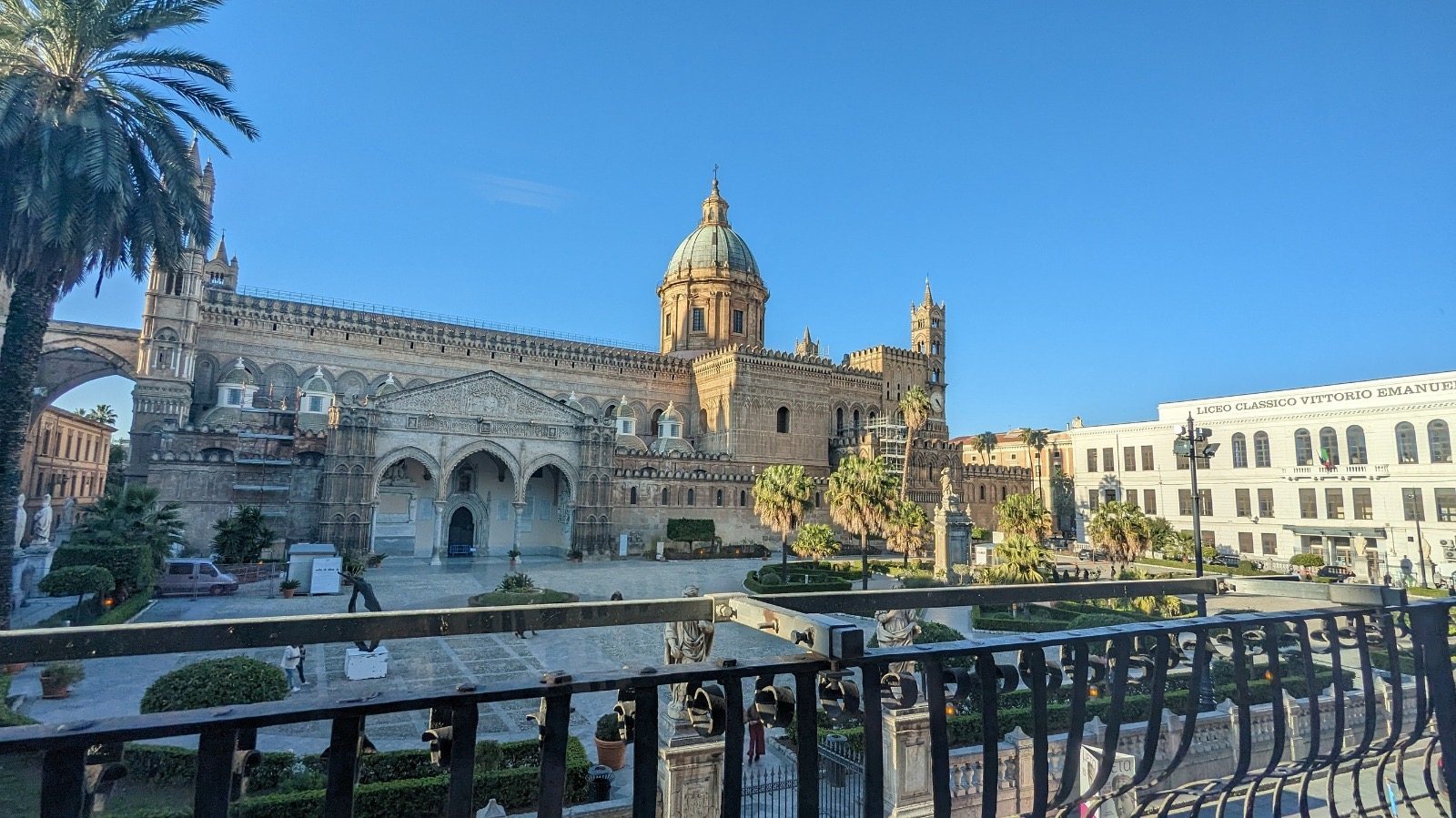
Palazzo Asmundo is a late-Baroque residence on Via Vittorio Emanuele, at the corner of Via Pietro Novelli. Its principal front faces the piazza and garden on the south side of Palermo Cathedral. The entrance appears to be on Via Pietro Novelli. Inside, the palace retains original stucco and fresco decoration, with stuccoes attributed to followers of the Palermo sculptor and stucco artist Giacomo Serpotta and many frescoes painted by Gioacchino Martorana.
Decorated interiors
Salone Concerti
The entrance hall, known as the Salone Concerti, contains a fresco devoted to virtues associated with justice. Fortitude, Temperance, Prudence, Truth, and Meekness appear with symbolic attributes that include a sword, scales, a clock, a mirror, a lamp, a lion, and a lamb. The composition presents deception being exposed and truth being revealed through the light of reason.
Sala Allegoria
The Sala Allegoria contains a fresco celebrating glorious and prosperous truth and the triumph of good over negativity. A palm, mirror, and bees carry Marian and Christological meanings, referring respectively to the Virgin Mary and to themes concerning Christ.
Salone Gioacchino Martorana
The Salone Gioacchino Martorana has a fresco depicting cosmic balance. Mercury, the Earth with the Moon, Mars, and Venus are governed by Christ, represented as the Sun. The painting bears the date 1764 and Martorana’s signature.
Salone Cattedrale
The Salone Cattedrale is dominated by a central divine figure surrounded by figures connected with holiness, immortality, and abundance. Its imagery includes an upward-pointing alchemical triangle, butterflies, and a cornucopia, a horn-shaped symbol of abundance. These elements belong to an esoteric, Mercurial, and Masonic symbolic repertoire.
First-floor alcove
An eighteenth-century alcove on the first floor is decorated with putti, childlike figures common in Renaissance and Baroque art, together with vine tendrils and doves.
Recorded decorative features
A description from 1897 records pale-green walls covered with delicate volutes, a cupola decorated with airy paintings, and doors ornamented with matte and polished gold. It also mentions a curtained alcove and a balcony extending around the entire floor. These details complement the surviving stucco and painted decoration of the aristocratic interiors.
Collections
Ceramics and furnishings
The palace preserves devotional and status-related tiles connected with Sicily’s most venerated saints. Its largely nineteenth-century porcelain collection includes Sicilian ceramics as well as Neapolitan and French porcelain. Paintings, antique furniture, and sixteenth- and seventeenth-century marriage chests form part of the domestic and ceremonial furnishings associated with the collection.
Arms and historical records
The arms collection includes polearms, blunt weapons, cannons, firearms, pistols and revolvers, powder flasks, shields, and other equipment. Coins, postcards, and historical maps and geographical charts of Sicily extend the collections beyond the palace’s furnishings and decorative arts.