Palazzo Magnani: A Late-Renaissance Palace in Bologna


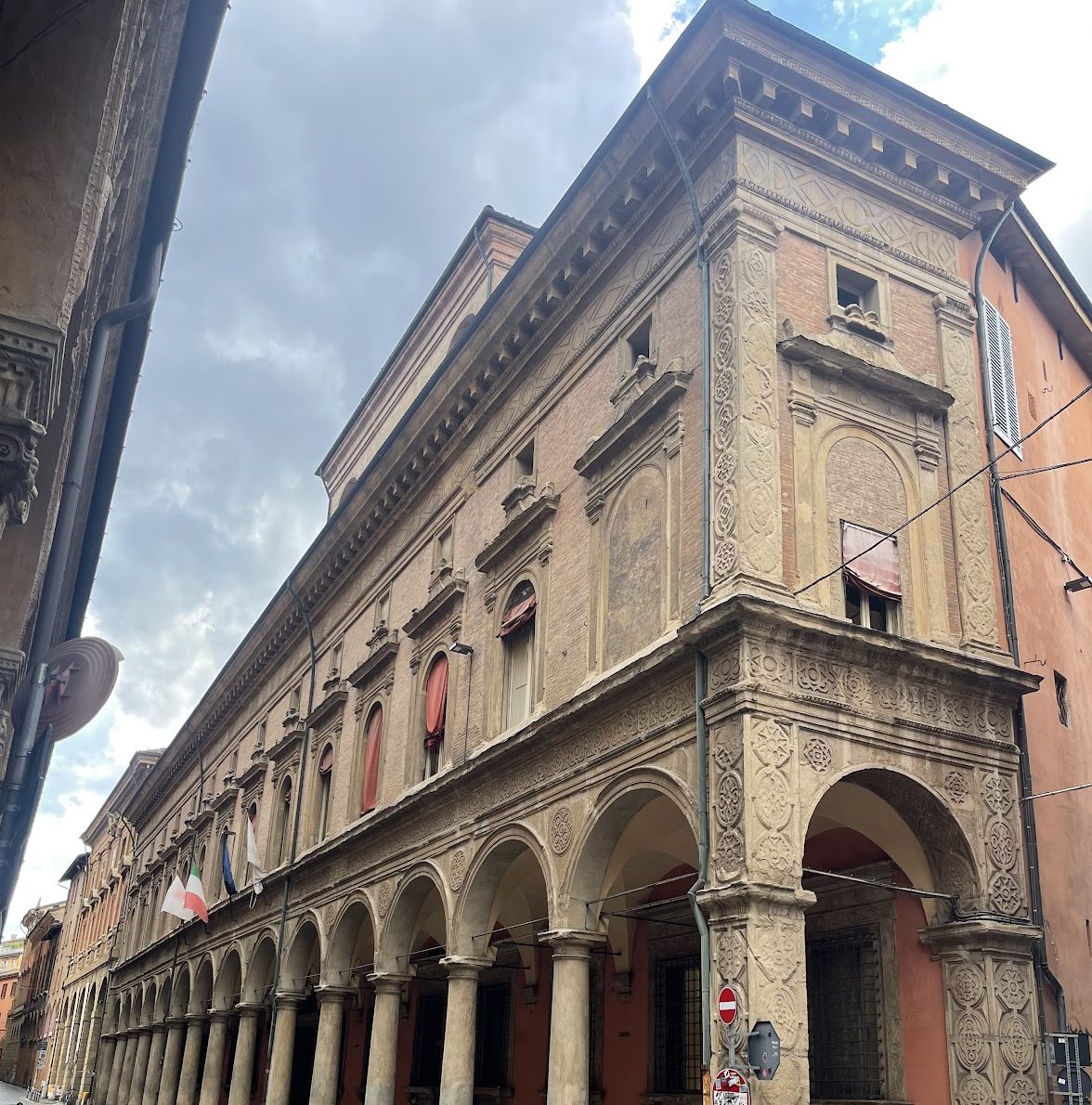
Site at a Glance
- Rating
- 4.6
- Popularity
- Low
- Country
- Italy
- Primary era
- Early Modern
- Eras represented
- Early Modern
- Civilizations
- Papal States
- Site type
- Domestic
- Remains
- Elite Residence
On this page9 sections
History
Construction and Renaissance patronage
Palazzo Magnani is a late-Renaissance palace in Bologna, Italy, commissioned by Lorenzo Magnani after his appointment as a senator and built between 1577 and 1583. The architect Domenico Tibaldi directed the initial work, which continued until his death in 1583. Floriano Ambrosini then assumed responsibility for the palace’s architecture.
The building belonged to the Guidotti family from 1797. During the second half of the nineteenth century, the Guidotti sold it to the Malvezzi Campeggi family, whose coat of arms remains on the facade. The palace later became associated with the Salem family, giving rise to the alternative name Palazzo Magnani Salem.
Institutional use and protection
In 1959, Palazzo Magnani became the seat of Credito Romagnolo and was later used by UniCredit as a bank branch. A major restoration took place in 1997. The palace has had legal protection since 1909 to 1910 and forms part of Italy’s national heritage.
Remains
Facade and courtyard
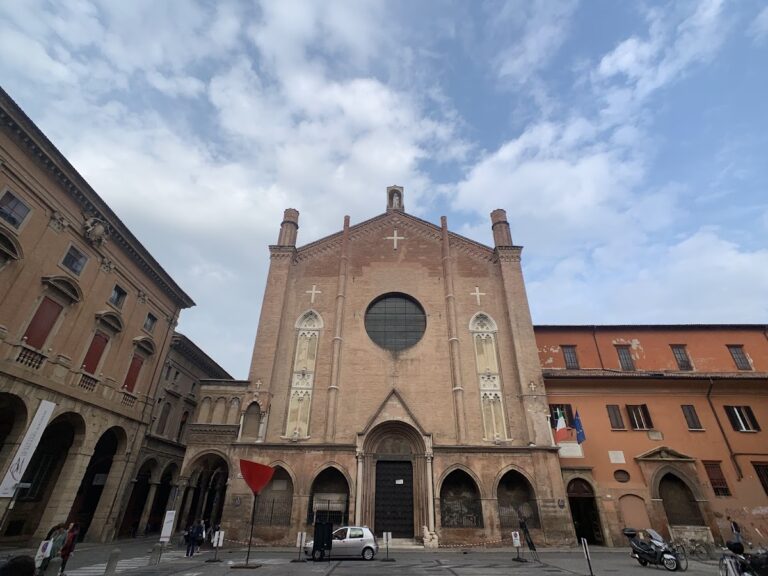
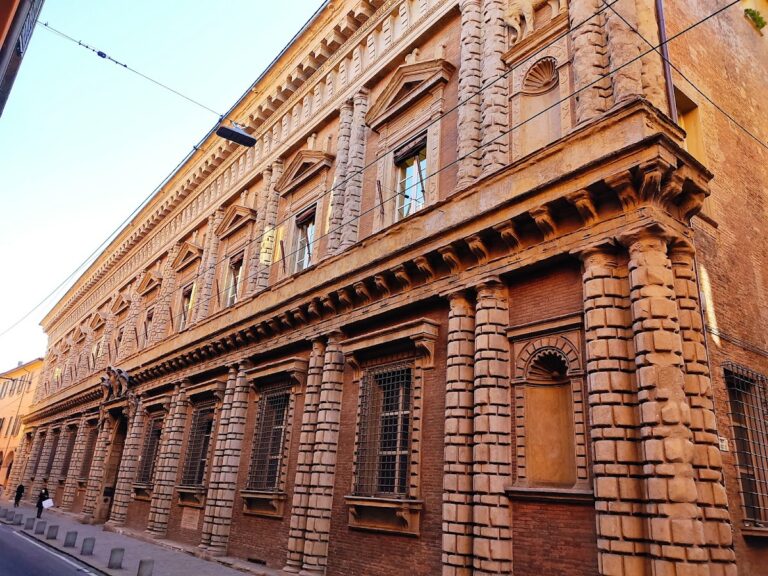
Palazzo Magnani is a three-story Renaissance building near a church. Its five-axis facade was designed as a decorated plane rather than with a prominent ceremonial portal or projecting center. An open loggia occupies the first-floor level, with residential rooms above. Pilasters visually unite the two upper stories, whose floors are notably tall compared with neighboring buildings of similar height.
The facade has been compared with Raphael’s Roman Palazzo Branconio dell’Aquila, built in 1520. Raphael, also known as Raffaello Santi, was a major Italian Renaissance painter and architect. Both palaces used five-axis facades and an open first-floor loggia, although Palazzo Magnani presents a simpler version of that decorative scheme.
Interior decoration
Senator’s hall
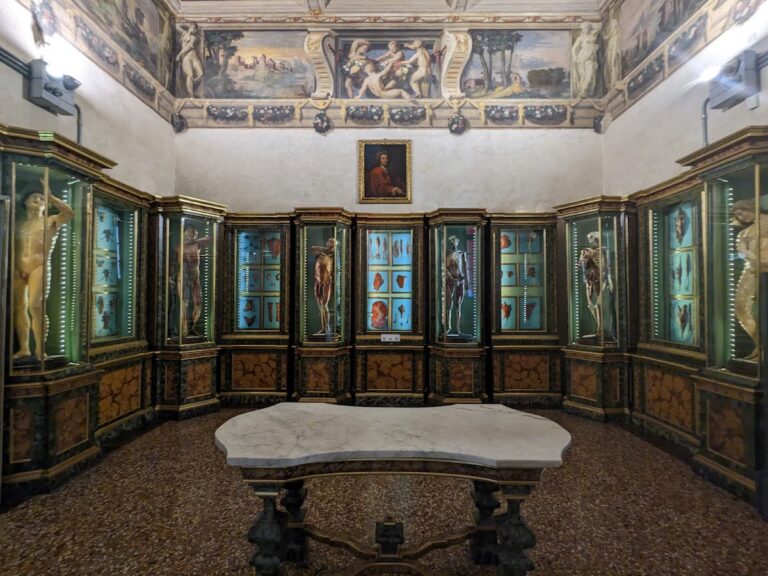
The senator’s hall on the piano nobile, the principal residential floor of an Italian palace, contains a fresco frieze painted by Ludovico, Annibale, and Agostino Carracci between 1590 and 1592. The Carracci family were major Bolognese painters whose work helped move Italian art away from late Mannerism toward the early Baroque. Their cycle depicts the Stories of the Foundation of Rome in fourteen panels, enclosed by an illusionistic white faux-marble frame. Monochrome painted statues and putti carrying festoons form part of the framing design.
Fireplace and courtyard sculpture
A monumental fireplace designed by Floriano Ambrosini carries statues of Mars and Minerva modeled by Gabriele Fiorini. Mars was the Roman god associated with war, while Minerva was associated with wisdom, strategic warfare, and the arts. Above the fireplace, Annibale Carracci painted a representation of the Lupercalia, ancient Roman rites linked by tradition to the foundation legends of Rome and the she-wolf who nurtured Romulus and Remus.
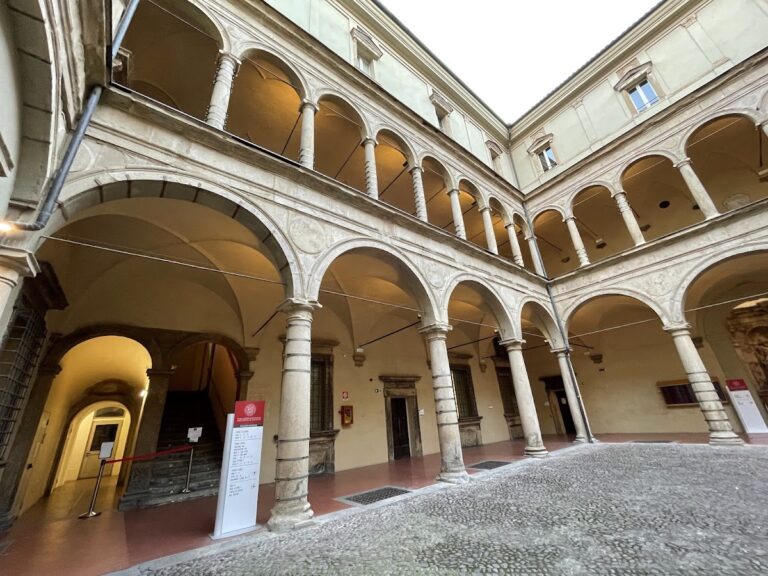
In the internal courtyard, a niche in the loggia opposite the entrance contains Fiorini’s statue of Hercules Priapus. The sculpture uses the facial features of Lorenzo Magnani.
Picture collection
The palace preserves a substantial picture collection, composed predominantly of works from the Bolognese school dating from the sixteenth through the eighteenth centuries. Associated artists include Ludovico Carracci, Guercino, Alessandro Tiarini, Luca Giordano, Giuseppe Maria Crespi, Domenico Maria Canuti, Dosso Dossi, Tintoretto, Prospero Fontana, Filippo de Pisis, Giorgio Morandi, and Ennio Morlotti.
Among the named works are Ludovico Carracci’s Saint Vincent Adoring the Virgin; Guercino’s The Trinity, Lucretia, and Prayer in the Garden; Alessandro Tiarini’s The Apparition to Saint Frances of Rome; Luca Giordano’s The Rich Man’s Feast from 1663; and Giuseppe Maria Crespi’s Moses and the Brazen Serpent and Two Shepherdesses.