Bolera de los Moros: An Early Medieval Fortress in Cantabria


Site at a Glance
- Rating
- 4.3
- Popularity
- Very Low
- Country
- Spain
- Primary era
- Medieval
- External website
- Open
- Eras represented
- Medieval
- Civilizations
- Kingdom of Asturias, Kingdom of León
- Site type
- Military
- Remains
- Castle
On this page7 sections
History
Bolera de los Moros is an early medieval fortress in Peñarrubia, Spain, constructed between the eighth and twelfth centuries. Also known as Piñeres Castle, it is the oldest non-prehistoric vestige in the municipality and formed part of the fortified landscape of medieval Cantabria.
Fortress and territorial control
Like other contemporary castles in Cantabria, Bolera de los Moros appears to have been associated with the alfoz of Peñarrubia, a territorial district administered around a settlement or fortified centre. Its position probably allowed it to serve as a strategic lookout for monitoring access towards the coast.
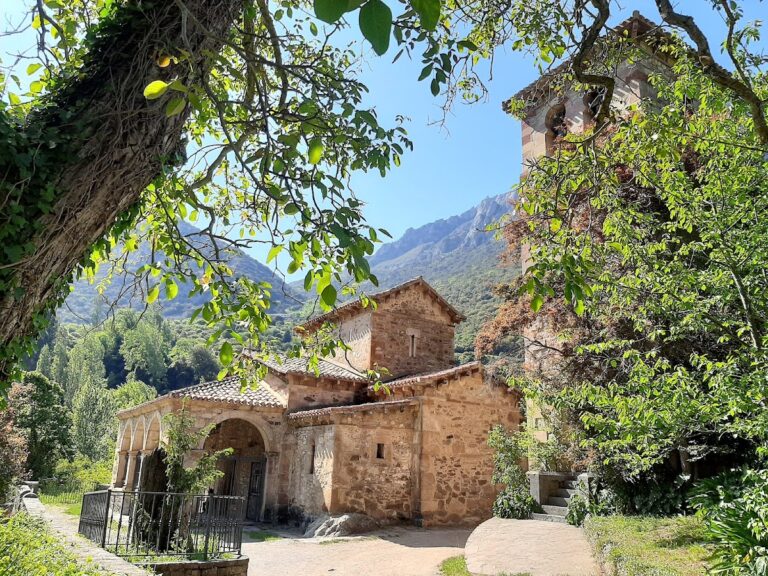
The fortress stands close to the Mozarabic church of Santa María de Lebeña. Mozarabic refers to Christian communities and cultural traditions linked to Christians living under Islamic rule or to Christian territories that received them. The church’s proximity, together with the nearby place-name La Mora Cave, may indicate that the area hosted Christian exiles from southern lands that had come under Islamic rule.
Name and local tradition
A tradition from Liébana says that Muslims played bowls at the fortress with golden pins and balls, giving rise to the name Bolera de los Moros. Another explanation connects the name with the shape of the site, which resembles a bowling alley.
Excavation and protection
In 1999, archaeologist Pedro Sarabia coordinated excavations covering about 300 square metres. The work exposed sections of the walls and the foundations of the structures. The remains were subsequently consolidated, and the area was adapted for public visitation.
The site had already received protection on 22 April 1949. It was later declared an Asset of Cultural Interest as an archaeological zone under Law 16/1985, Spain’s heritage-protection legislation.
Remains
Fortress layout
The remains occupy Mount Jozarcu beside the Jozarcu viewpoint. Excavation revealed a trapezoidal-plan tower and an ovoid watchtower measuring 10 and 6 metres in diameter. A courtyard lies between the watchtower and the first tower. Substantial defensive walls survive with the foundations of these structures, allowing the fortified arrangement to be identified.
Chapel and archaeological finds
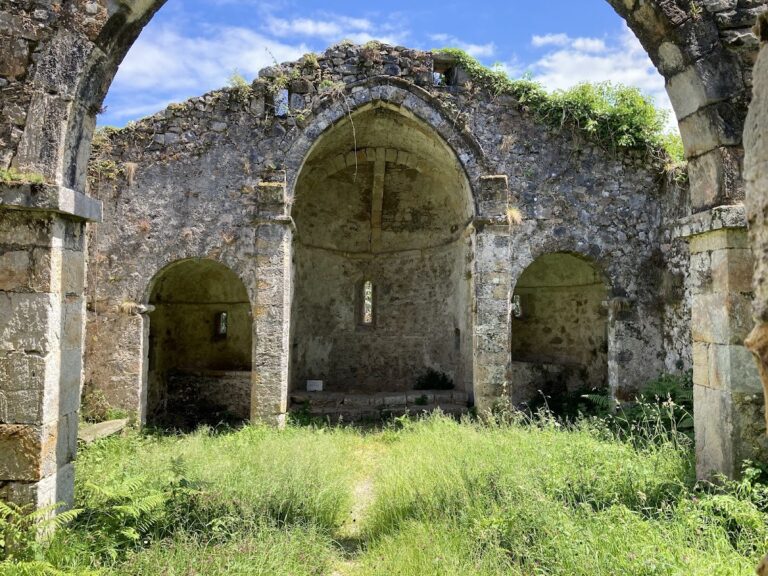
The fortress also contains the foundations of a primitive chapel dedicated to Saint Catherine. Only the foundations remain. Excavated material includes bones, metal objects, and several ceramics, some decorated. Among the pottery are comb-impressed pieces, a type common in Asturias.
Painted and striated decoration from the site is characteristic of repopulation art, the early medieval Christian artistic and architectural traditions associated with the resettlement and consolidation of Christian territories.
Nearby sites