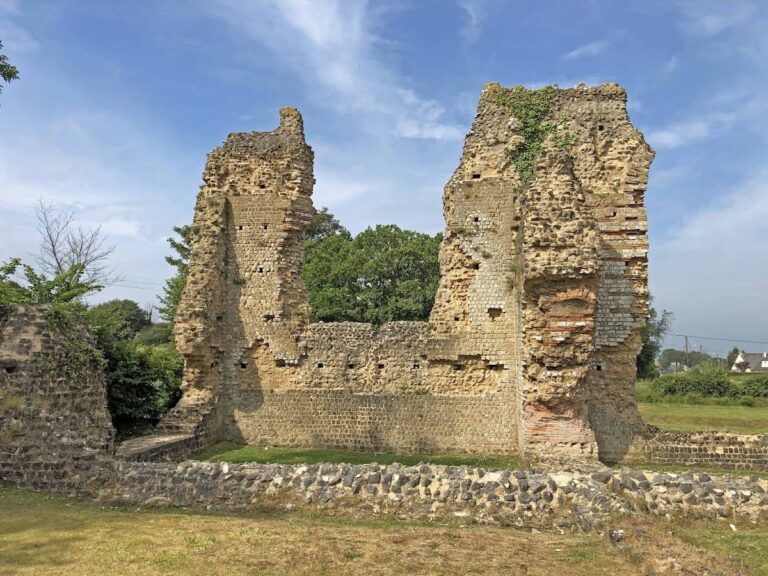
Château de Vouilly: A Historic Estate in Normandy, France
Visitor Information
Google Rating: 4.7
Popularity: Very Low
Official Website: www.chateau-vouilly.com
Country: France
Civilization: Early Modern, Modern
Site type: Domestic
Remains: Palace
History
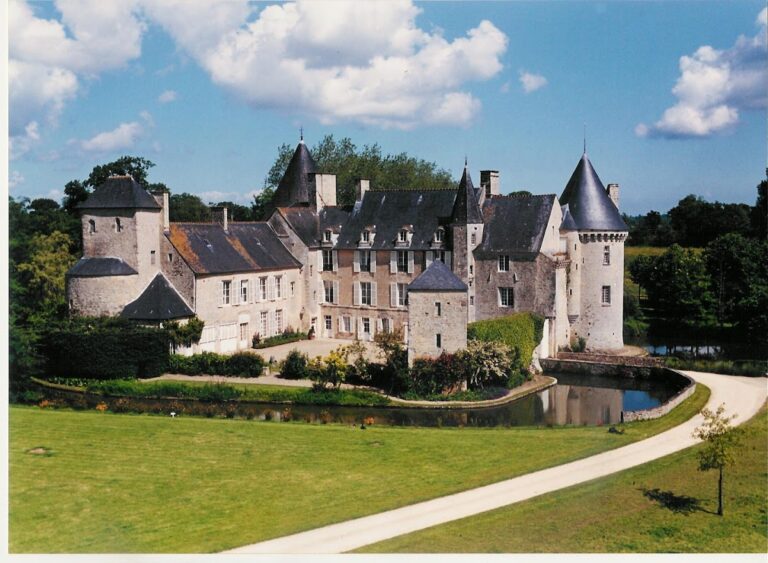
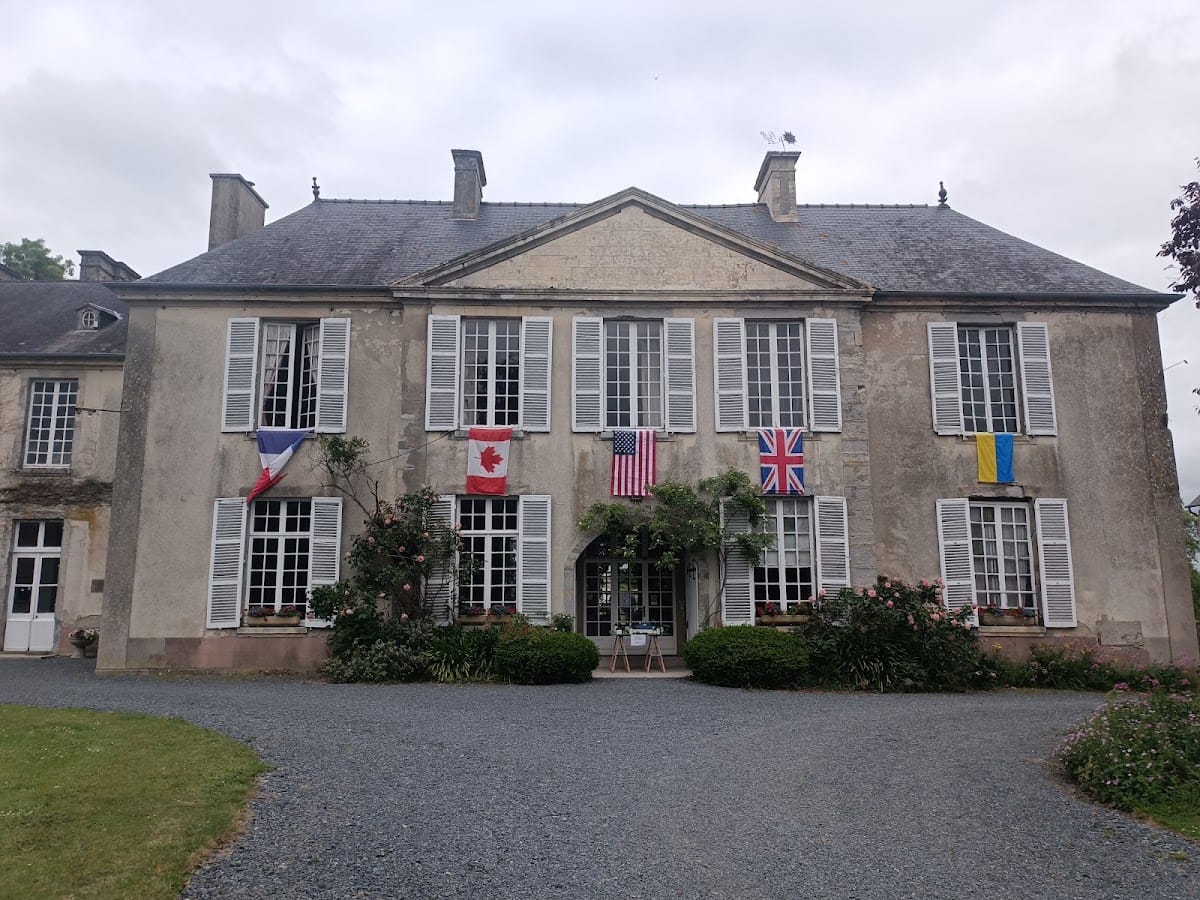
The Château de Vouilly is situated in the commune déléguée of Vouilly, part of the municipality of Isigny-sur-Mer in France. This estate has origins dating back to the 11th century when it was first recorded within the region, reflecting medieval Norman heritage.
Throughout the centuries, the château experienced several changes in ownership, notably following the turbulent conflicts of the Hundred Years’ War between England and France. These shifts in control often led to alterations in the estate’s structure and function, marking its evolving role within local power networks.
In the 16th century, the château was rebuilt, modernizing its appearance and adapting it to contemporary architectural trends of that time. This phase reflects a transition from medieval fortress toward a more residential and representative estate.
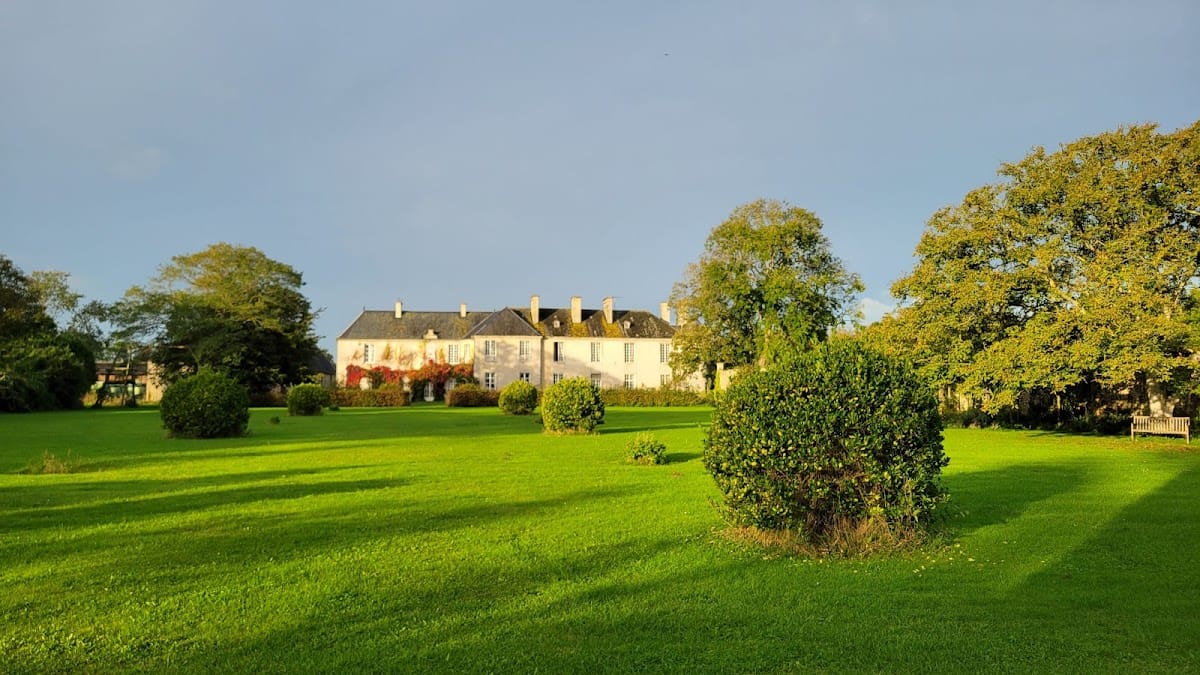
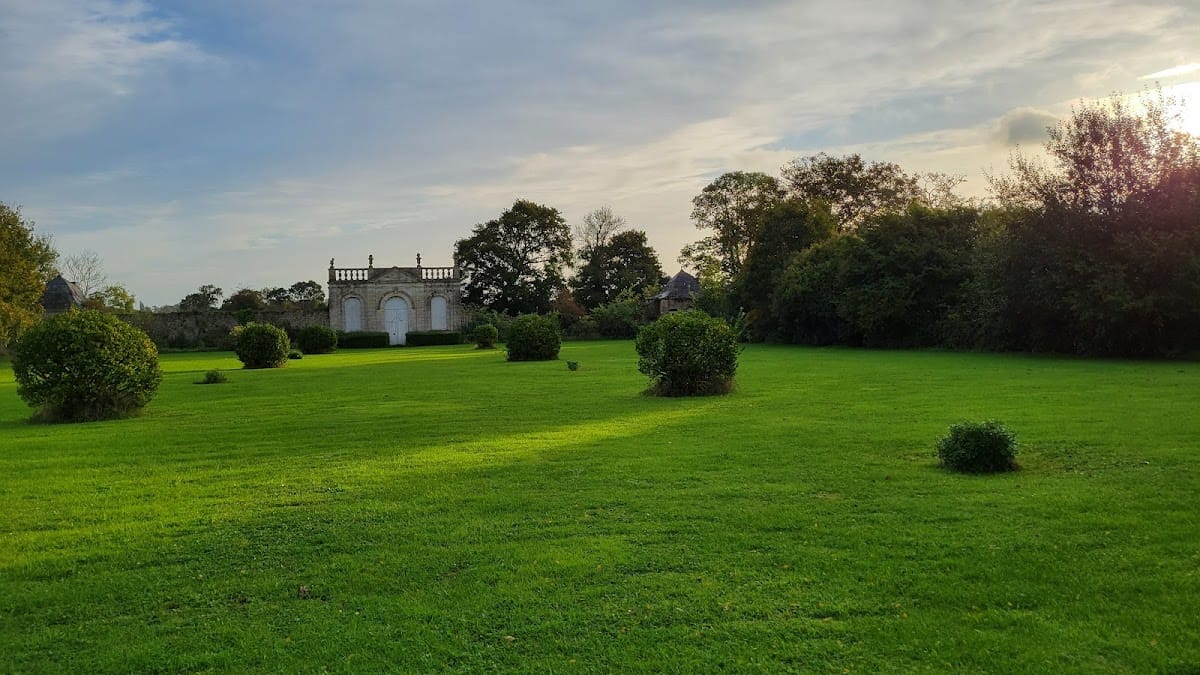
The de Cussy family became influential owners in the latter half of the 18th century, undertaking extensive renovations. They added significant features including an orangerie—a specific greenhouse for citrus trees—decorative pavilions, and a formal French garden. In 1784, Antoine-Raoul Marie, Marquis de Cussy-Vouilly, strengthened family ties to the château through his marriage to Armande-Marie Bignon, thereby linking the estate to their lineage.
During the 19th century, the château’s military defensive elements diminished, with towers and drawbridge components being removed or altered. This change signals a shift from a fortified residence to a more peaceful dwelling.
In 1944, at the height of World War II, the château gained a unique role as the headquarters for Allied war correspondents covering the Normandy invasion. The orangerie served as the site for transmitting journalists’ messages, while the château itself was a gathering place for press briefings conducted by General Omar Bradley, commander of the U.S. First Army. The dining room accommodated the war correspondents, and an adjacent room was dedicated to censoring their dispatches during this critical period.
Today, a commemorative plaque installed by the Overseas Press Club of America honors the château’s significant wartime function. Alongside this, one of the Underwood typewriters used by correspondents during the conflict remains preserved on the premises, and the press room retains much of its original arrangement, serving as a tangible connection to this chapter of its history.
Remains
The Château de Vouilly presents a harmonious ensemble combining residential buildings with gardens and defensive elements, revealing its layered history across several centuries. Constructed primarily of stone, the estate to this day includes remnants that illustrate both its noble function and strategic considerations.
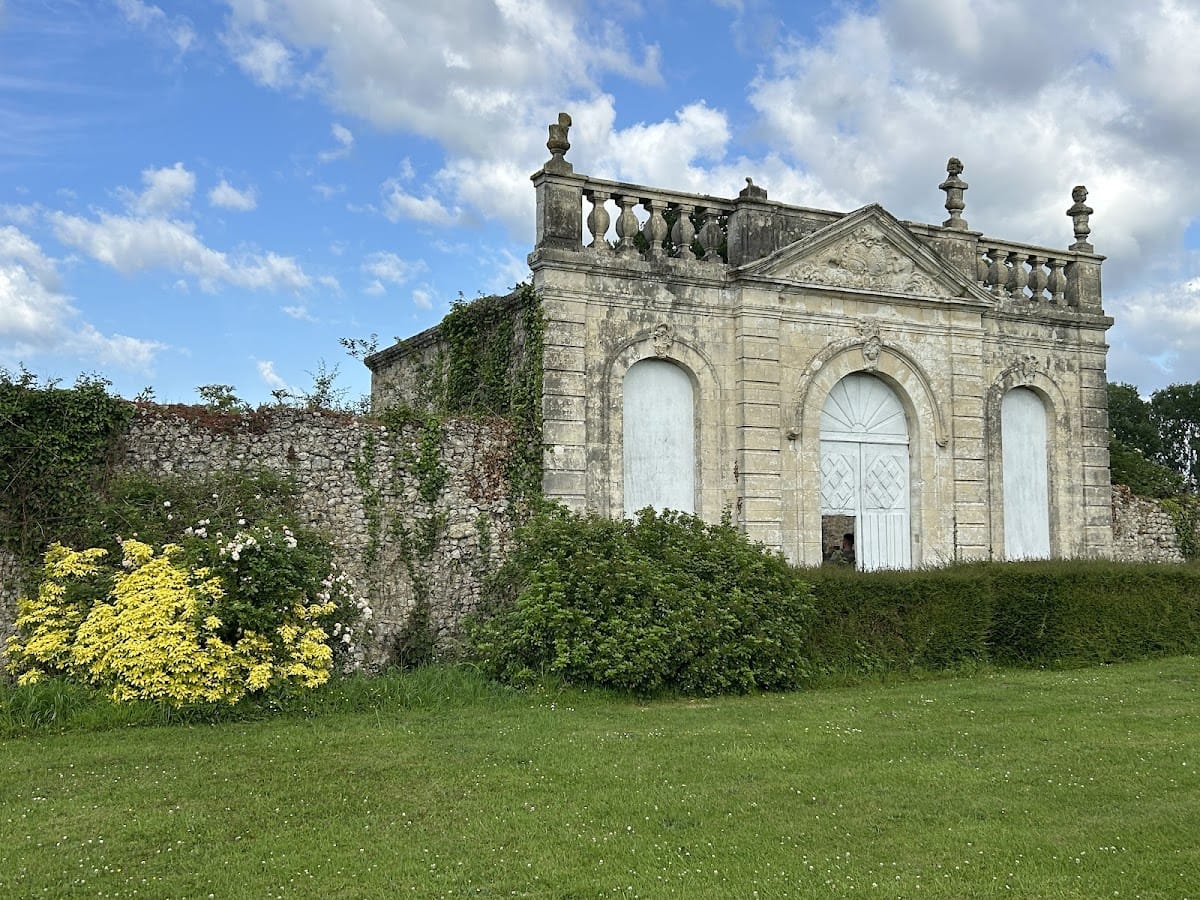
One of the most distinctive features is the mid-18th-century orangerie, which functioned as a greenhouse for growing citrus plants. This structure is notable for a finely carved doorway topped by a female head sculpture, a decorative pediment bearing the de Cussy family coat of arms, and a balustrade crowning the roofline. The orangerie’s façades and roof are officially protected as historic monuments, underscoring their architectural and cultural importance.
Within the château’s grounds stand decorative pavilions dating from the same period, their interiors richly adorned with stucco work known as gypseries, a type of ornamental plaster common in 18th-century French design. The northern pavilion, particularly valued for its interior decoration, shares historic monument status along with the southern pavilion and associated garden.
Surrounding the estate are deep defensive moats, or douves, which underline its original protective function in earlier centuries. Although some military fortifications were removed over time, these water-filled ditches remain intact, encircling the grounds and contributing to the château’s historic character.
A prominent feature of the site is the dovecote, or colombier, containing an impressive 750 boulins, which are the small nesting holes built to house pigeons or doves. This structure highlights the estate’s self-sufficiency and reflects aristocratic privileges associated with pigeon breeding.
Inside the château, the war correspondents’ room from 1944 is preserved with its original furnishings, including period typewriters and photographs that document its use during the Normandy campaign. This setting offers an authentic glimpse into the château’s brief but vital role as a wartime press center.
The château lies approximately one kilometer east of Vouilly’s village center, maintaining its historical position within the rural landscape of Normandy while preserving key architectural and commemorative elements from its varied past.
Nearby sites