Alt-Thierstein Castle: An Early Medieval Noble Seat in Switzerland
Site at a Glance
- Rating
- 4.6
- Popularity
- Low
- Country
- Switzerland
- Primary era
- Medieval
- Eras represented
- Medieval
- Civilizations
- Holy Roman Empire
- Site type
- Military
- Remains
- Castle
On this page7 sections
History
Alt-Thierstein Castle is a medieval hill castle in Switzerland, above Gipf-Oberfrick in the canton of Aargau. Built in the early 11th century, it was one of the earliest foundations of the Counts of Tierstein, a medieval noble family associated with several castle sites in northwestern Switzerland, and served as the family’s ancestral seat. Older finds indicate that people visited the site around 1000 BC.
The Counts of Tierstein and Homberg
The family used several designations during its early history. Rudolf I was called “of Tierstein” in 1082 and 1114, while records also identify him as “of Homberg” in 1103 and “of Frick” in 1113 and 1114. Homberg was another designation used by members of the same noble family.
During the early 12th century, in the third generation of the Homberg counts, the family divided into two lines. An inheritance division transferred Alt-Thierstein to Rudolf III of Homberg, who established the Tierstein line. Other early castle foundations linked to the family included nearby Alt-Homburg Castle and the Ödenburg ruin near Wenslingen.
Later ownership and abandonment
At the end of the 13th century, Neu-Thierstein Castle near Büsserach was developed as a new seat of lordship. Alt-Thierstein remained inhabited until the 15th century, however. During the 14th century, the Tierstein line divided into the Pfeffingen and Farnsburg branches, and Alt-Thierstein passed to the Farnsburg line. The castle was eventually abandoned, possibly after the Tierstein-Farnsburg line became extinct.
The Basel earthquake of 1356 destroyed neighboring Alt-Homburg Castle to the south. Alt-Thierstein probably suffered substantial damage in the same event, but it was subsequently rebuilt. The castle later collapsed, and local inhabitants reused some of its wall stones for other purposes.
Excavation and protection
In 1934, unemployed workers excavated the castle area through a voluntary archaeological labor service directed by Hans Erb. The excavation was poorly documented, and the finds were later mixed together, preventing a new evaluation of their original archaeological contexts. Alt-Thierstein is listed as a Class A Swiss cultural property of national significance.
Remains
Rockfall block and castle layout
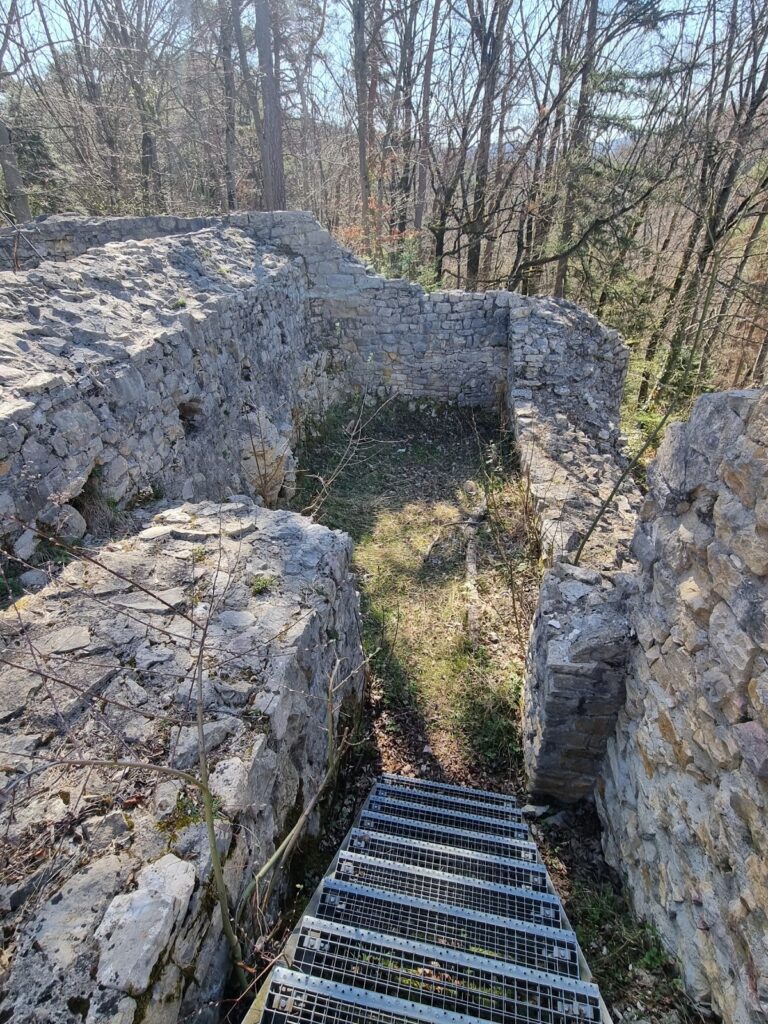
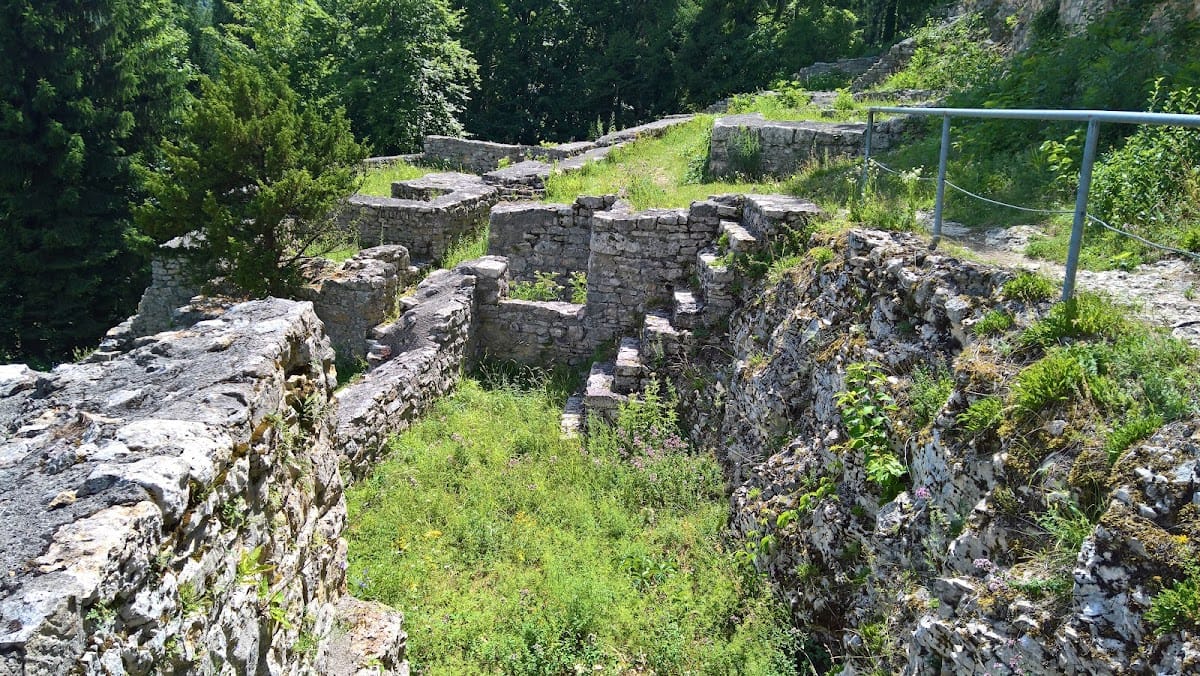
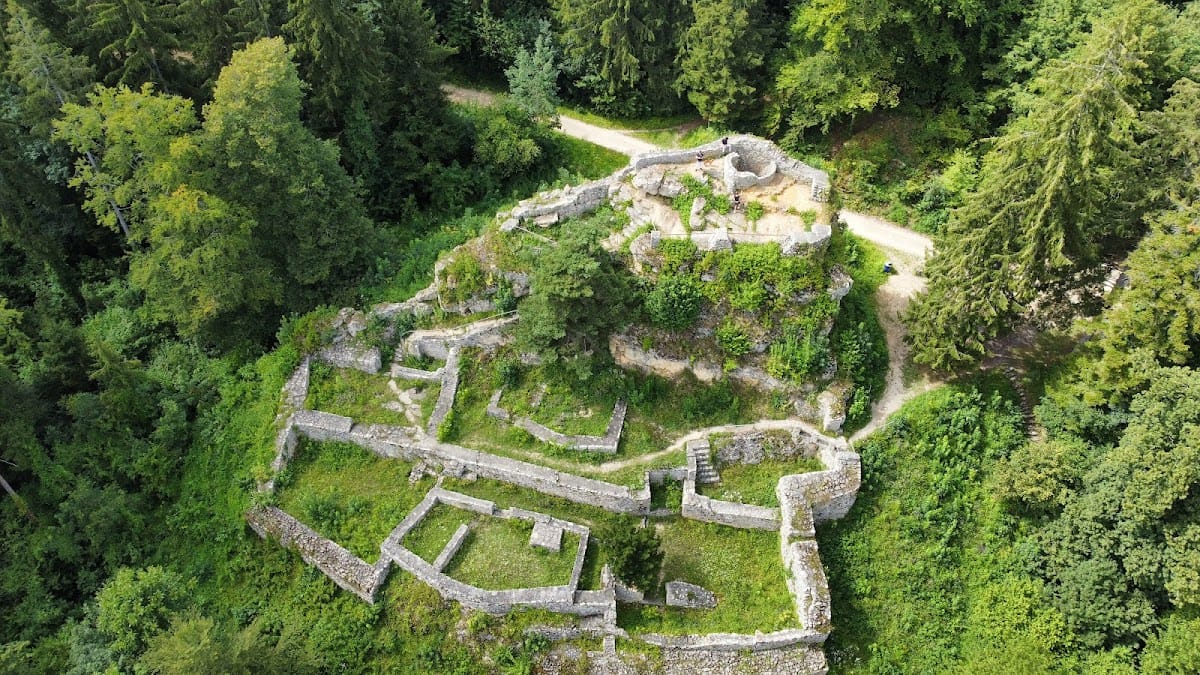
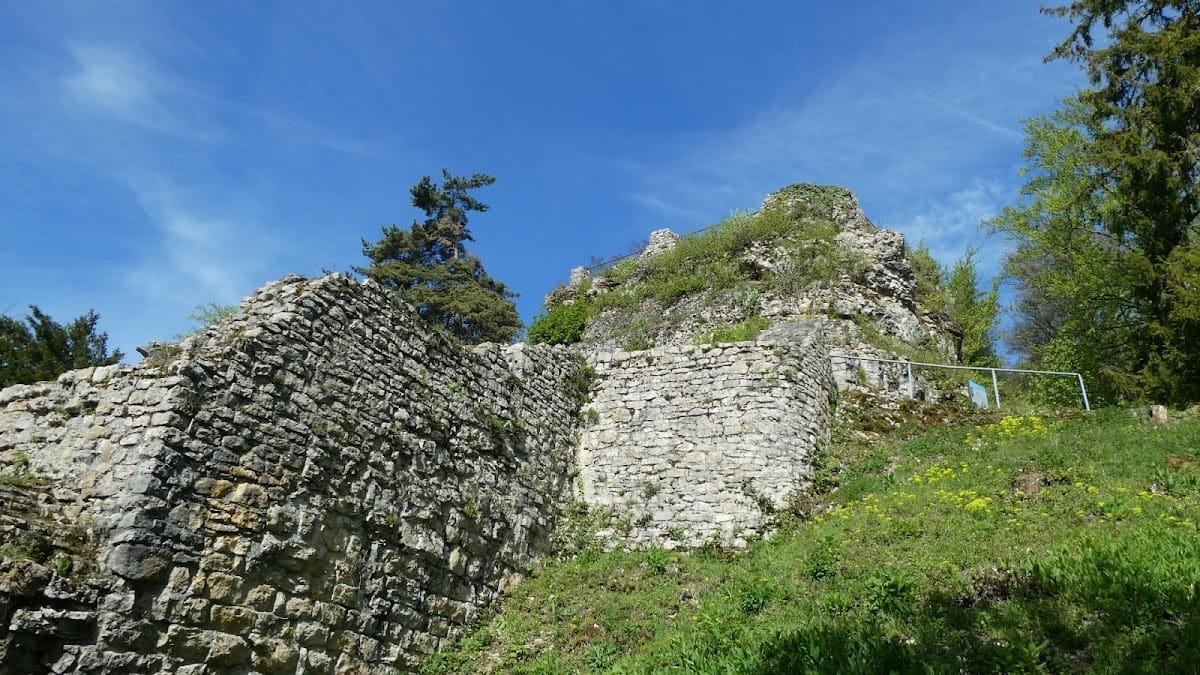
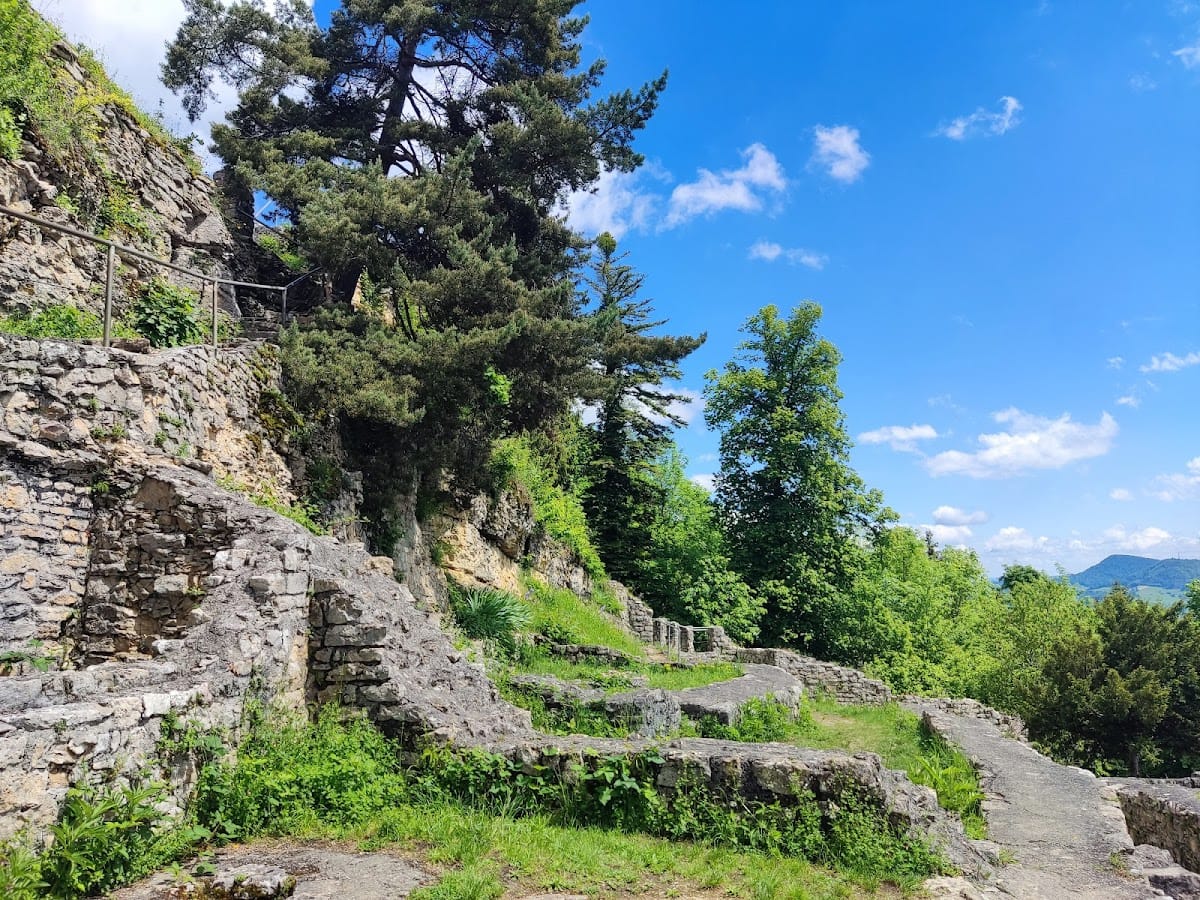
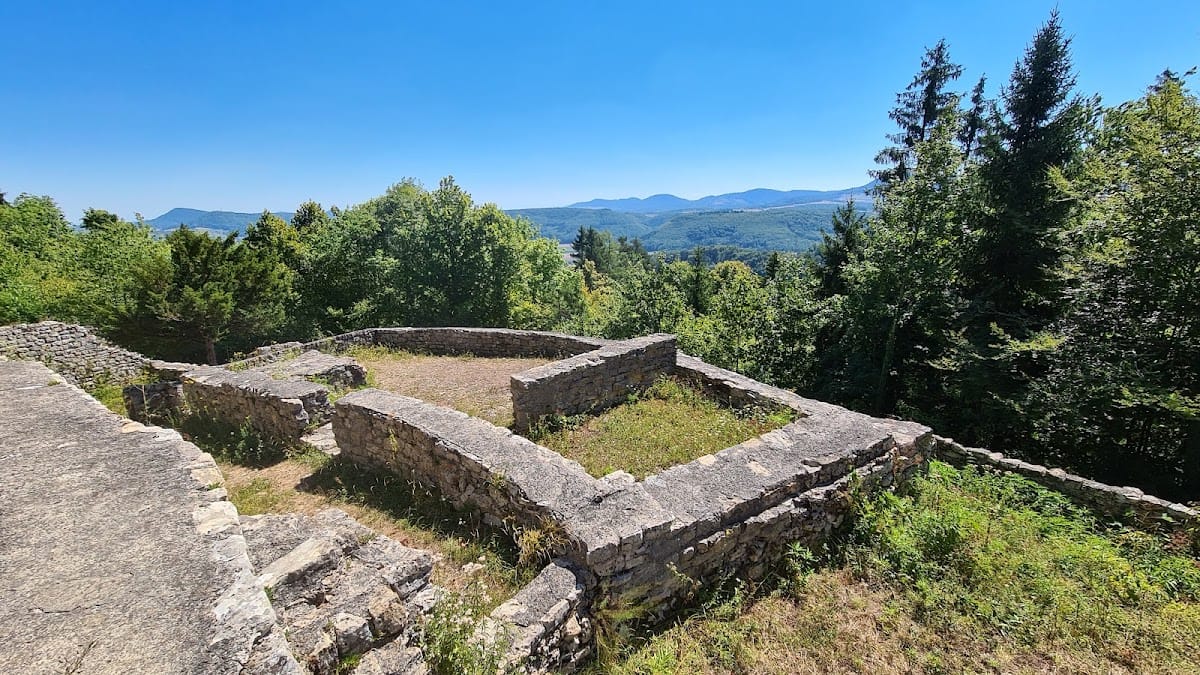
The ruin stands on the eastern flank of the 750-meter-high Tiersteinberg, at about 600 meters above sea level and west of Gipf-Oberfrick. Rather than occupying the mountain summit, it was built beside it on a powerful rockfall block, a large mass of rock displaced from a mountain or cliff. The block measures approximately 55 by 40 meters and contained several terraces, all of which were built over as the castle complex developed.
The original castle core expanded over time through the addition of buildings on the steep mountain slope. The site lies approximately 650 meters north of the Alt-Homburg Castle ruin. Farther downhill, agricultural land retains field names translated as “Castle Meadow” and “Castle Slope,” preserving references to the former castle.
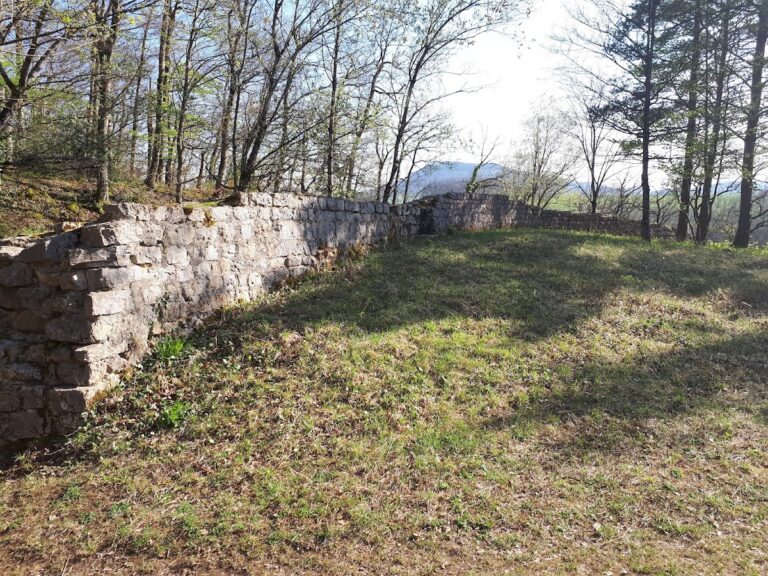
Surviving fabric
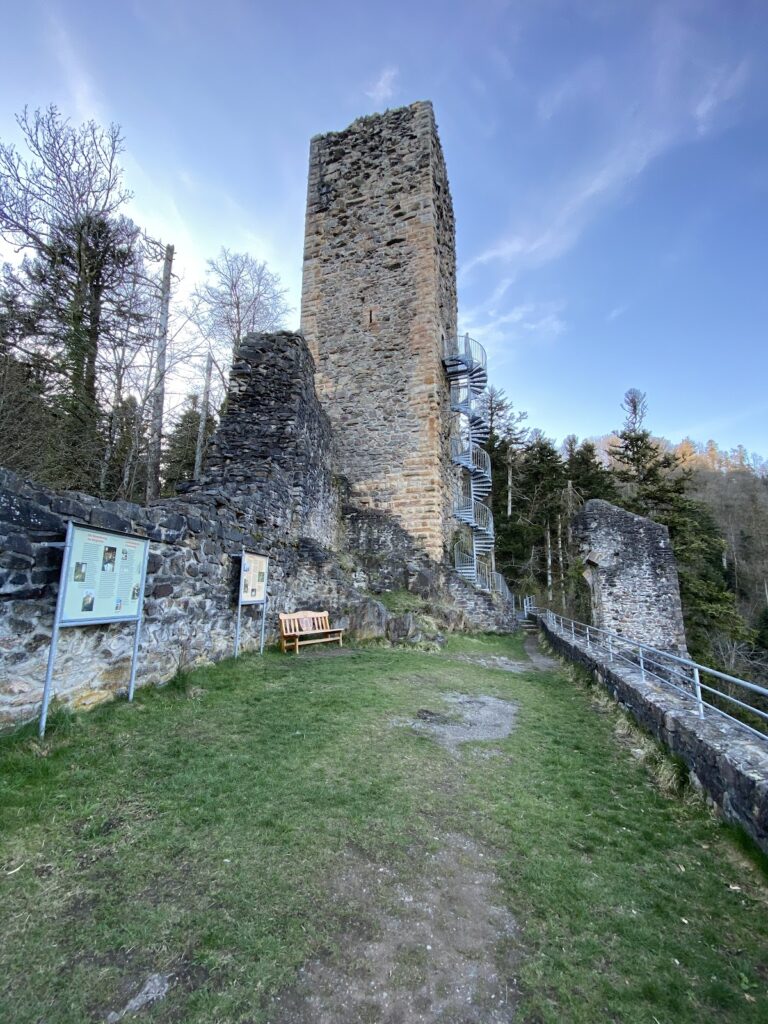
Only remnants of the former castle survive. The remaining walls represent the fragmentary result of the complex’s later collapse and the reuse of some wall stones by local inhabitants. Together with the terraces and the rockfall block, these remains indicate how the castle occupied and expanded across its elevated site.