Burg Tringenstein: A Medieval Administrative and Hunting Castle in Germany

Site at a Glance
- Rating
- 4.6
- Popularity
- Low
- Country
- Germany
- Primary era
- Medieval
- Eras represented
- Medieval
- Civilizations
- Holy Roman Empire
- Site type
- Military
- Remains
- Castle
On this page4 sections
History
Foundation and Nassau Administration
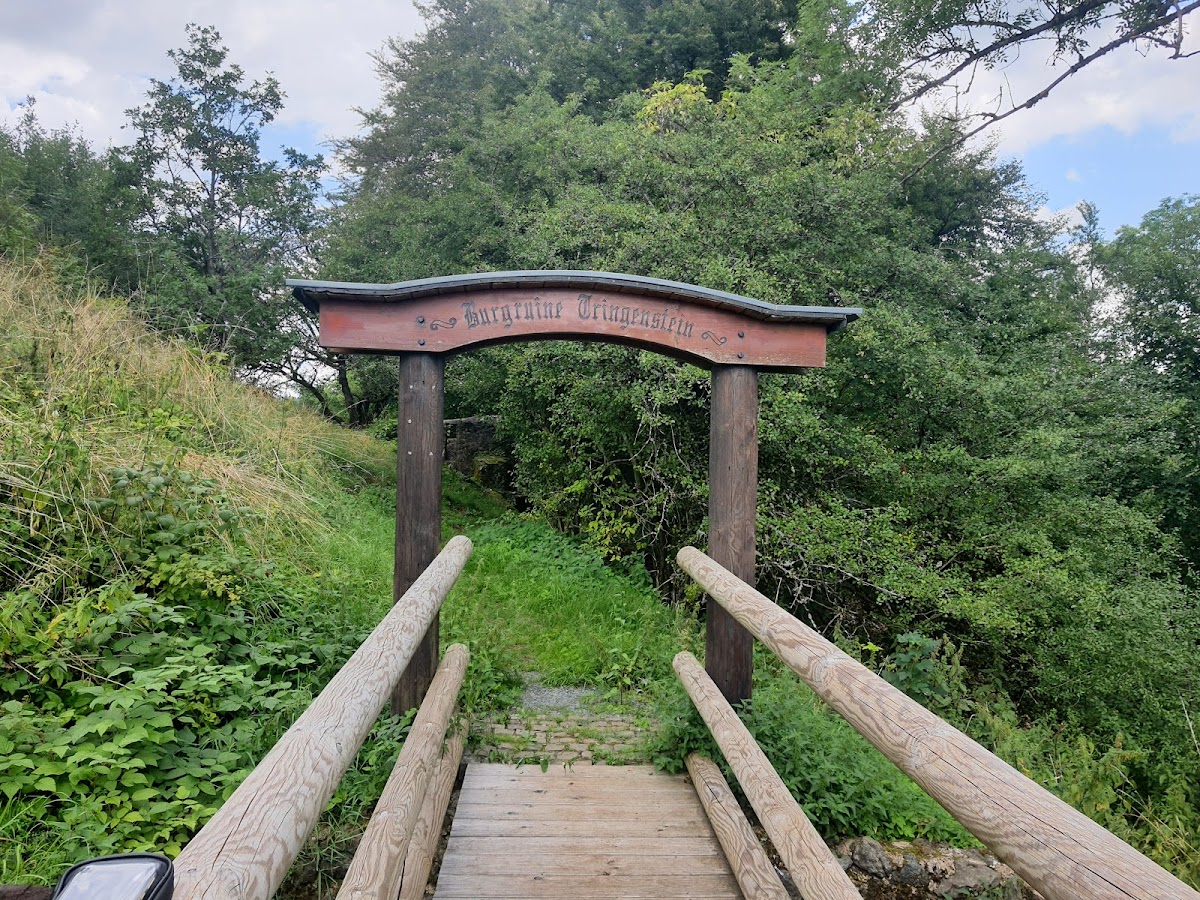
Burg Tringenstein is a medieval hilltop castle in Germany, above the village of Tringenstein in Siegbach, Hesse. It was built in 1350–51 at the instigation of Adelheid, widow of Count Otto II of Nassau-Dillenburg, on Mount Murstein. The castle was established as a countermeasure to the recently built Hessian Castle Neu-Dernbach, on land belonging to the noble von Bicken family of the Bicken zu Marburg-Wolkersdorf line.
A document dated 23 March 1356 names the new castle Burg Tringenstein. It is probably the same place as Burg Murstein, mentioned in a reconciliation document from 1352. The village of Tringenstein developed at the same time as the castle.
Burg Tringenstein became the seat of the Nassau Amt of Tringenstein. An Amt was a territorial administrative and judicial district, usually headed by an official called an Amtmann. The castle served as Nassau’s counterpart to the directly adjoining Hessian Amt Blankenstein, whose seat was Burg Blankenstein near Gladenbach. It also functioned as a hunting lodge within the counts’ hunting grounds in the Schelderwald.
Residence, Abandonment, and Destruction
Toward the end of the fifteenth century, Count Johann IV of Nassau-Siegen expanded the castle. For a time, it served as a residence for figures including Countess Elisabeth of Hesse-Marburg, the wife of Count Johann V of Nassau-Siegen. At the beginning of the Thirty Years’ War, the major European conflict of 1618–1648 involving political and religious struggles across the Holy Roman Empire and neighboring territories, the counts of Nassau-Dillenburg also stayed there for extended periods.
In 1725, the Amt of Tringenstein was merged with the Amt of Ebersbach, and the last Tringenstein Amtmann transferred his seat to Ebersbach. Burg Tringenstein was then left without a wider administrative function and remained inhabited only by its castle servant.
After the Nassau-Dillenburg line died out in 1739, the castle received no further interest. In 1773 and 1774, items vulnerable to plunder were sold. The empty buildings deteriorated, and the main castle building was demolished in 1839 because it was considered at risk of collapse. The ruins were later used as a stone quarry and gradually dismantled. Burg Tringenstein is designated as a cultural heritage monument in Hesse.
Remains
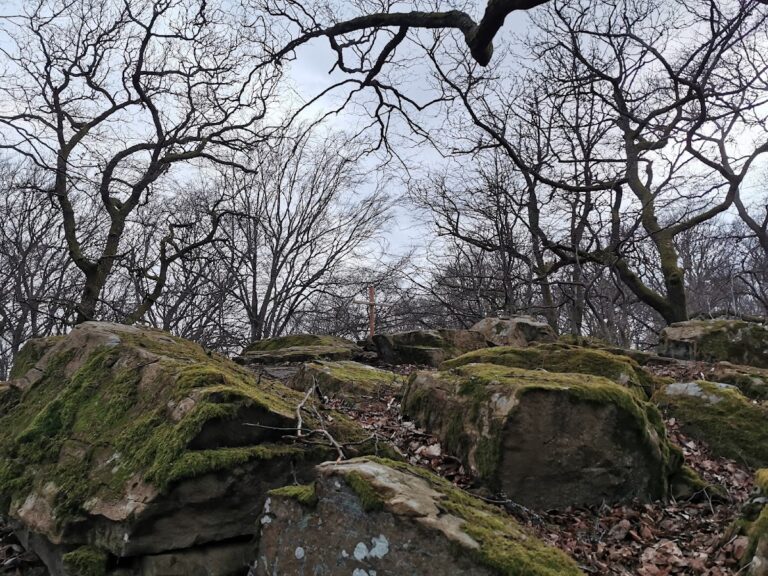
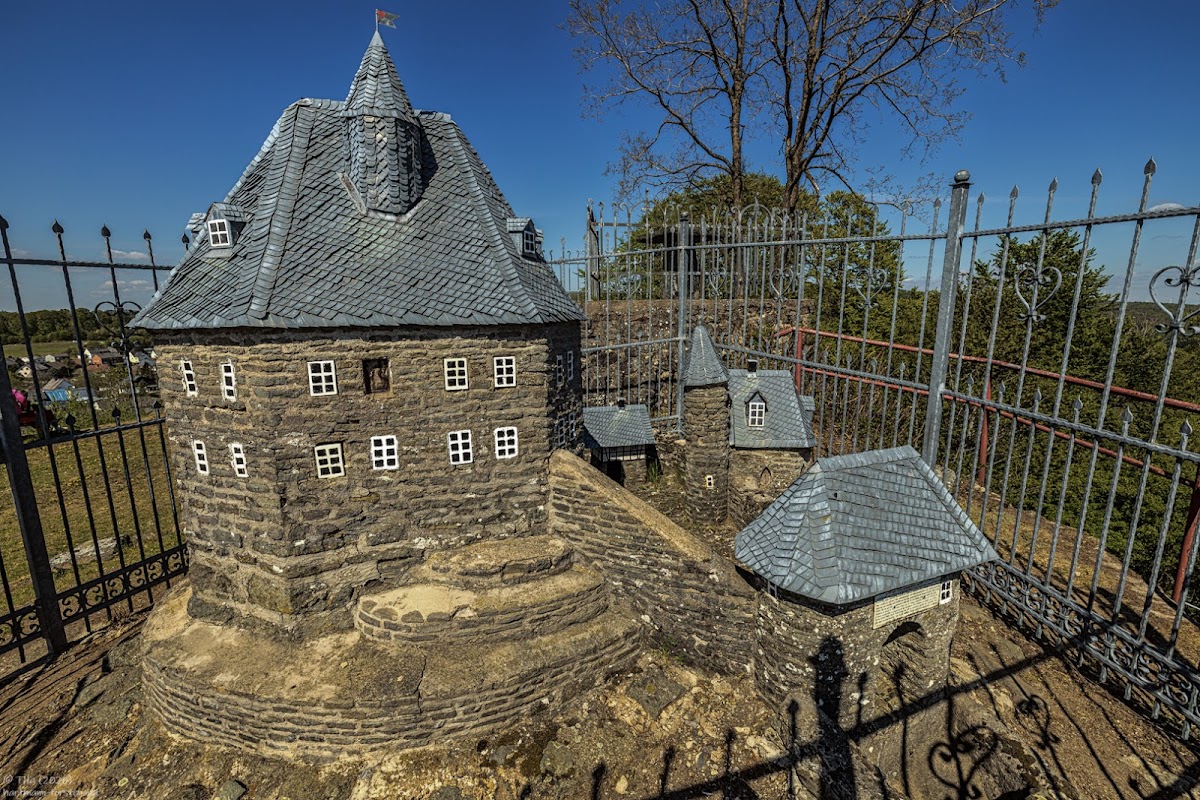
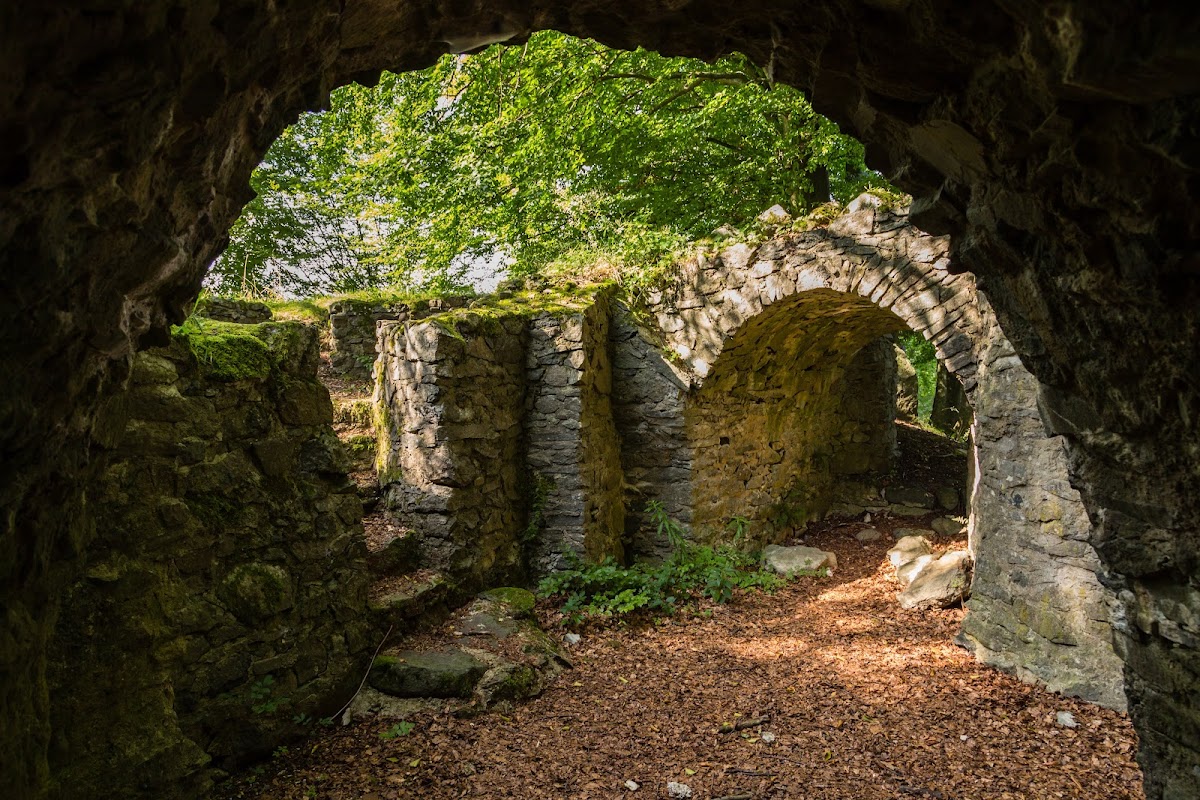
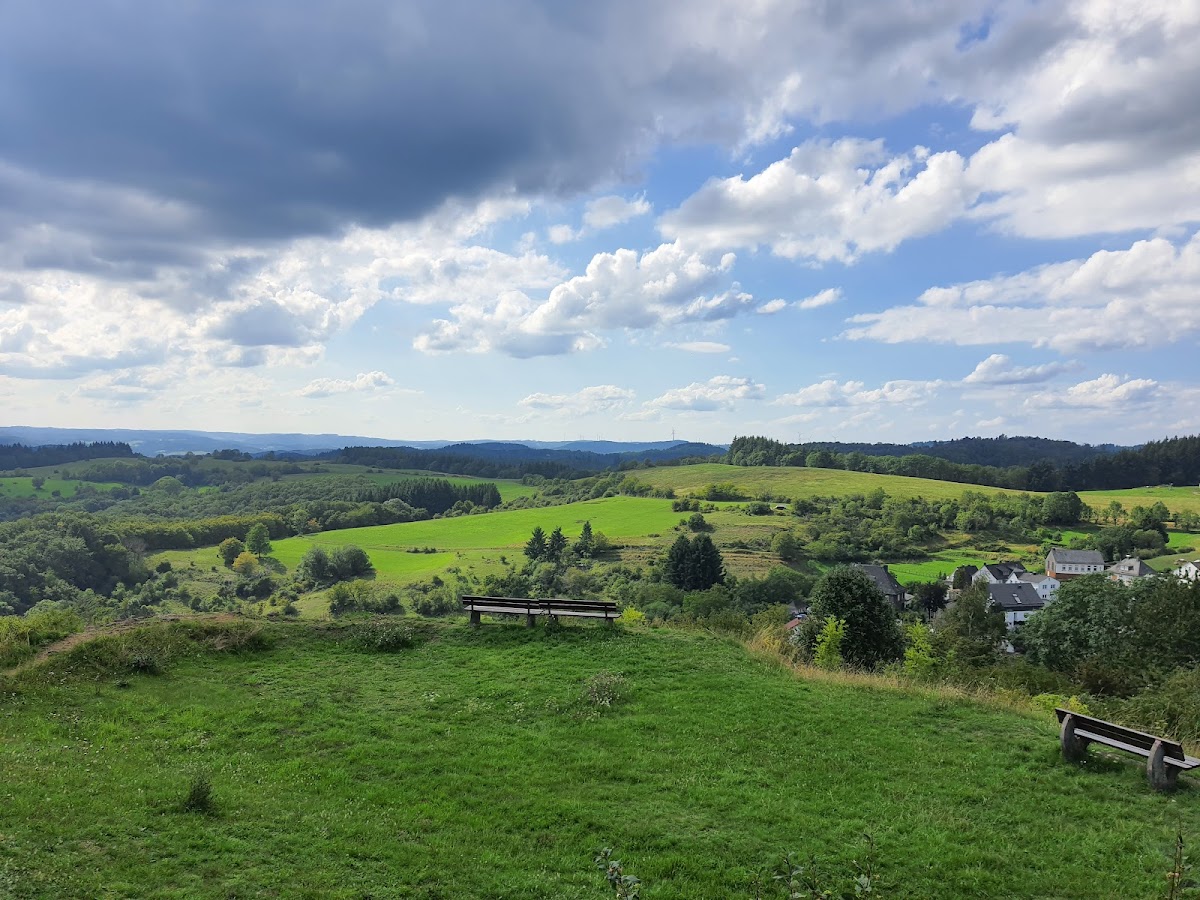
Burg Tringenstein occupied an elevated castle hill on Mount Murstein, approximately 532 metres above sea level, above the village of Tringenstein. As a Höhenburg, or castle built in an elevated position for defense and territorial control, it formed a hilltop complex whose surviving physical fabric is now limited to a few masonry remains and rubble. A model of the former castle is displayed on the castle hill, providing a reconstruction of the lost building alongside the fragmentary remains.