Huys ter Horst: A Medieval Castle Ruin in the Netherlands
Site at a Glance
- Rating
- 4.1
- Popularity
- Low
- Country
- Netherlands
- Primary era
- Medieval
- External website
- Open
- Eras represented
- Medieval, Early Modern, Modern
- Civilizations
- Holy Roman Empire, Spanish
- Site type
- Military
- Remains
- Castle
On this page7 sections
History
Huys ter Horst is a medieval castle ruin in the Netherlands, north of Horst, with a possible foundation date around 1300. Its first recorded association is with Florken van der Horst in 1326, who may have founded the castle. Although the lordly rights of Horst, then called Berkele, belonged to the lords of Meerlo rather than to Florken van der Horst, the castle became an important seat of territorial authority in later centuries.
From Meerlo lordship to Guelders administration
Around 1360, Johan van Meerlo, also known as Johan van Mirlaer, bought the castle. After his death, ownership was divided between the Duke of Guelders and Johan van Broeckhuysen. Around 1400, the duke used his share as the service residence of his bailiff for the Kessel district. A bailiff was an administrative official who represented a territorial ruler in a defined district.
Although the castle formally had two lords, it often had only one effective occupant because the duke leased his share to the other lord. In 1514, the duke bought the remaining half from the lords of Meerlo, ending the castle’s joint lordship. The profitable office of bailiff could itself be sold, and members of the Van Broeckhuysen family, followed by two later holders, lived at Huys ter Horst before Johan van Wittenhorst and his descendants.
The Wittenhorst remodeling
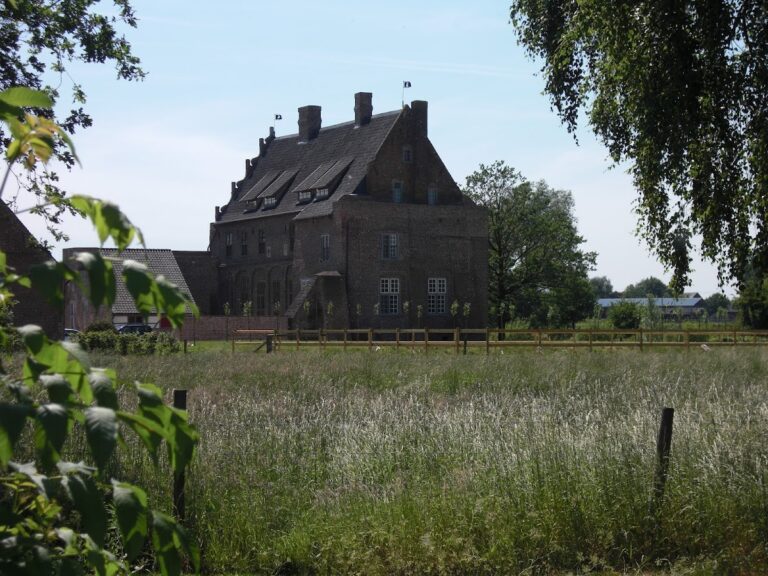
Johan Baron van Wittenhorst, lord of Sonsveld, Drongelen, and Oyen, was married to Adriana van Beieren-Schagen. Their son Willem Vincent van Wittenhorst had the medieval castle completely remodeled and modernized in 1664, following a design by Christoffel Verhoff. Willem Vincent also purchased the lordly rights from the King of Spain, who at that time simultaneously held the title of Duke of Guelders. The Duchy of Guelders was a medieval and early-modern territory in the Low Countries.
Deterioration, demolition, and later ownership
In 1738, the castle passed by inheritance to the von Fürstenberg family. Under Frans Clemens von Fürstenberg, it deteriorated until it became uninhabitable. He moved into the house of one of his tenants and died there in 1827.
The ruinous structure was demolished in 1842, in work that continued for several years. Through Frans Clemens’s daughter, the remaining property passed to Count Otto von Westerholt during an inheritance division in 1860. After the Second World War, the remains were confiscated as enemy German property and transferred to Staatsbosbeheer in 1950. Staatsbosbeheer is the Dutch state organization responsible for managing public forests and nature reserves. An exchange transferred ownership to the municipality of Horst in 1961.
Archaeology and heritage protection
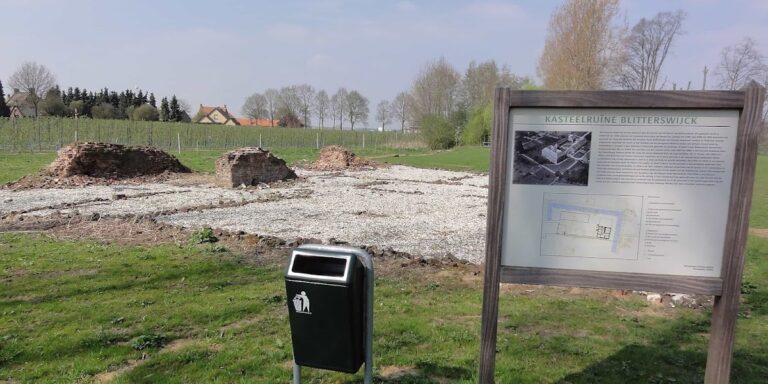
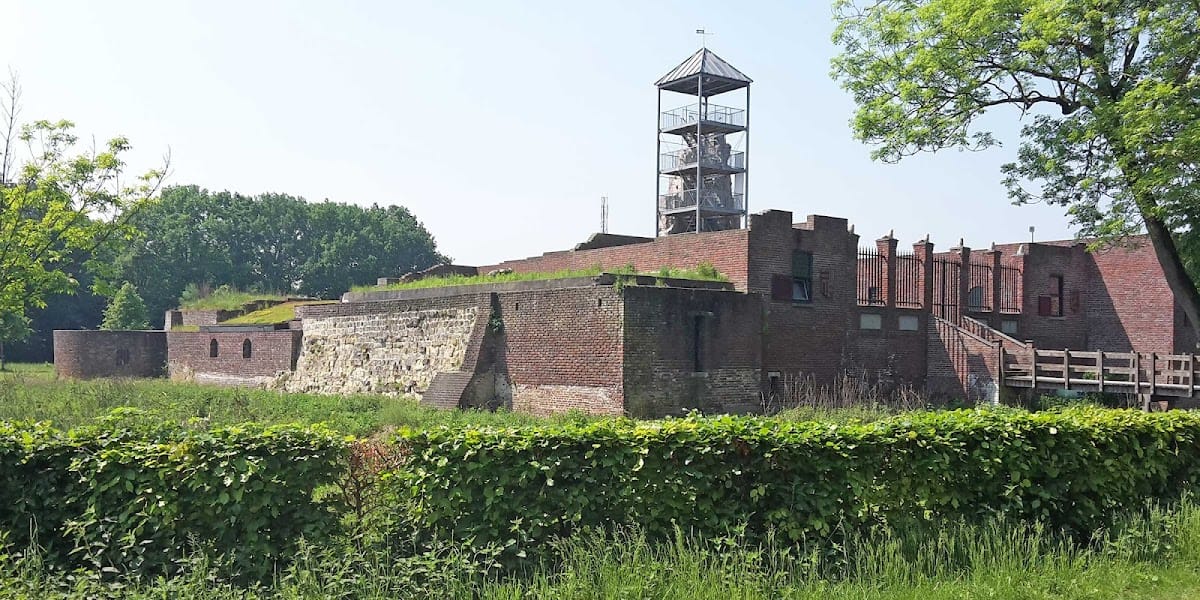
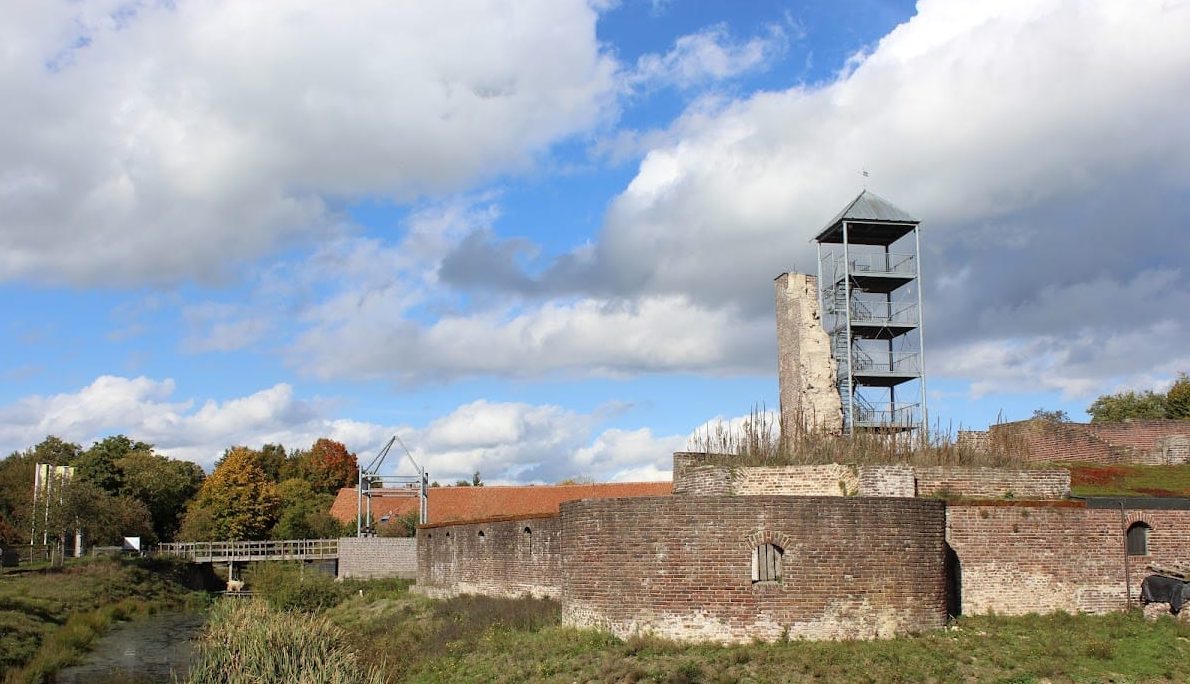
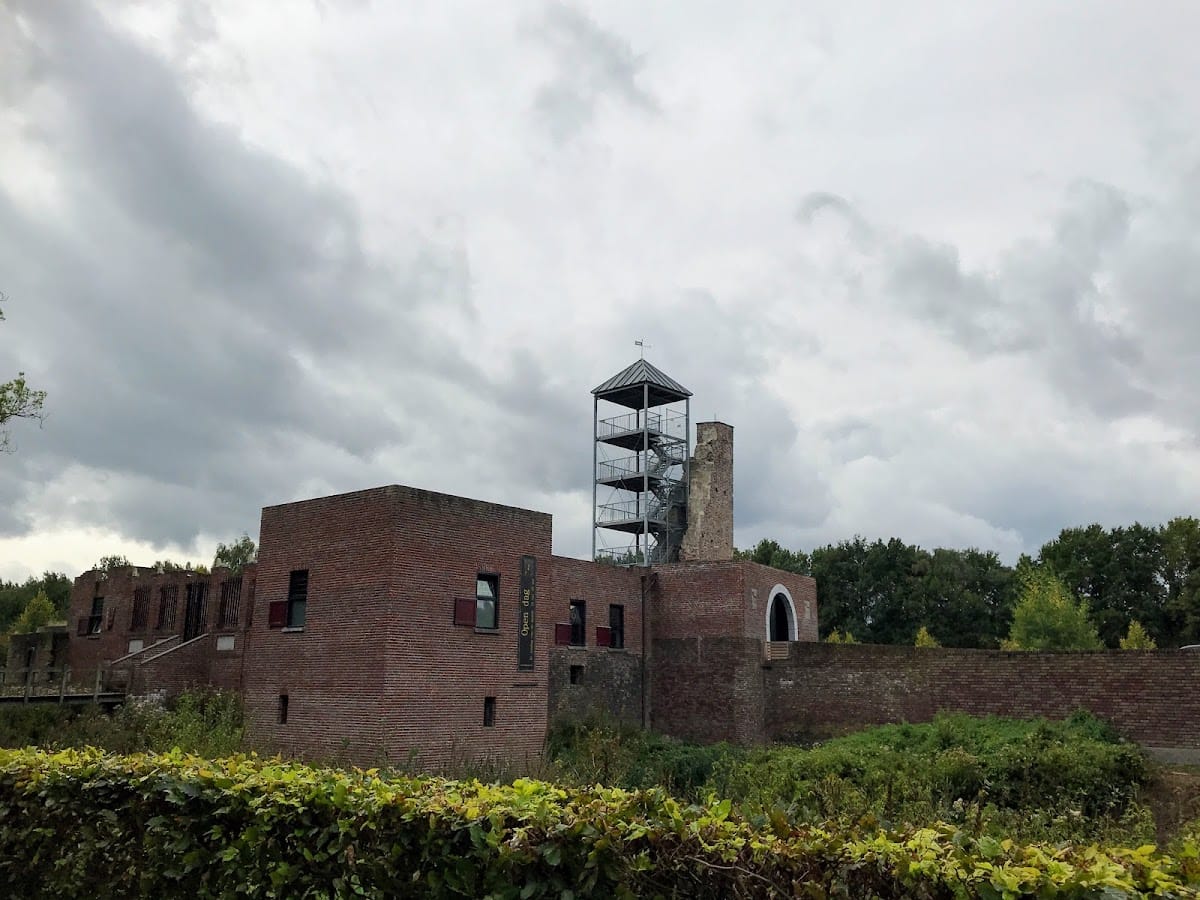
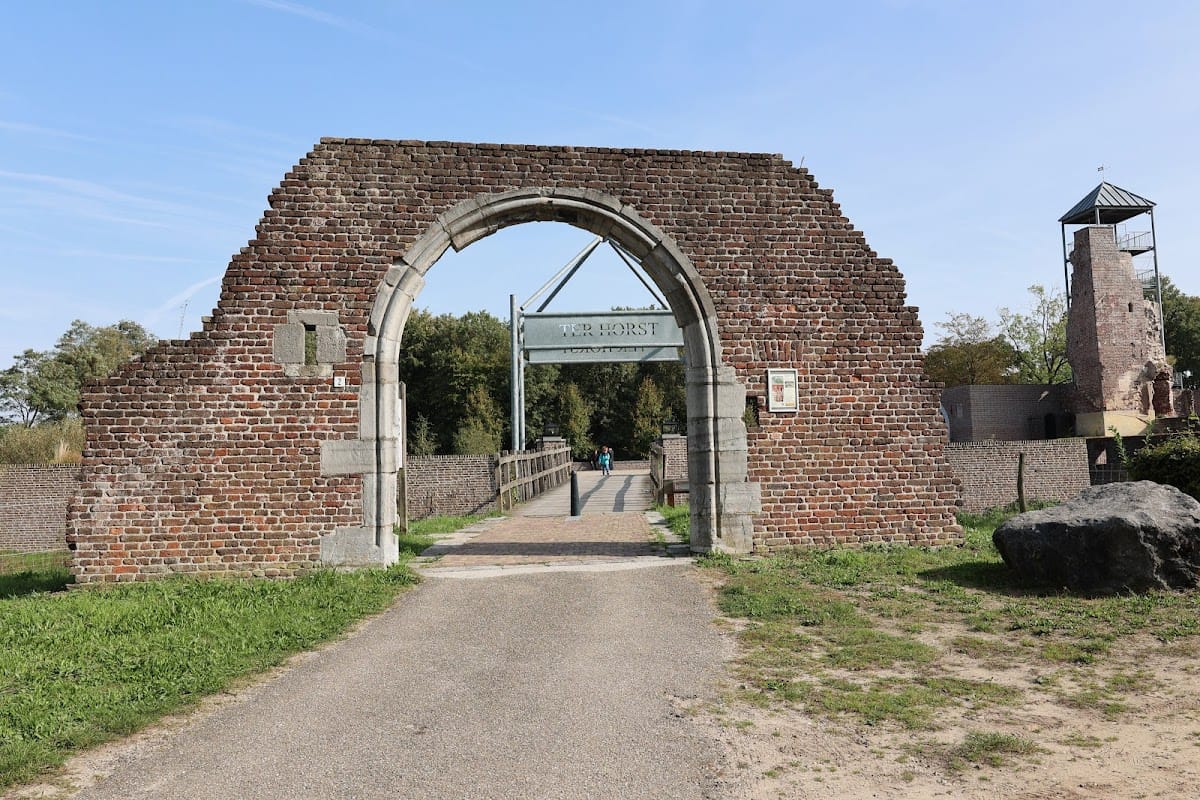
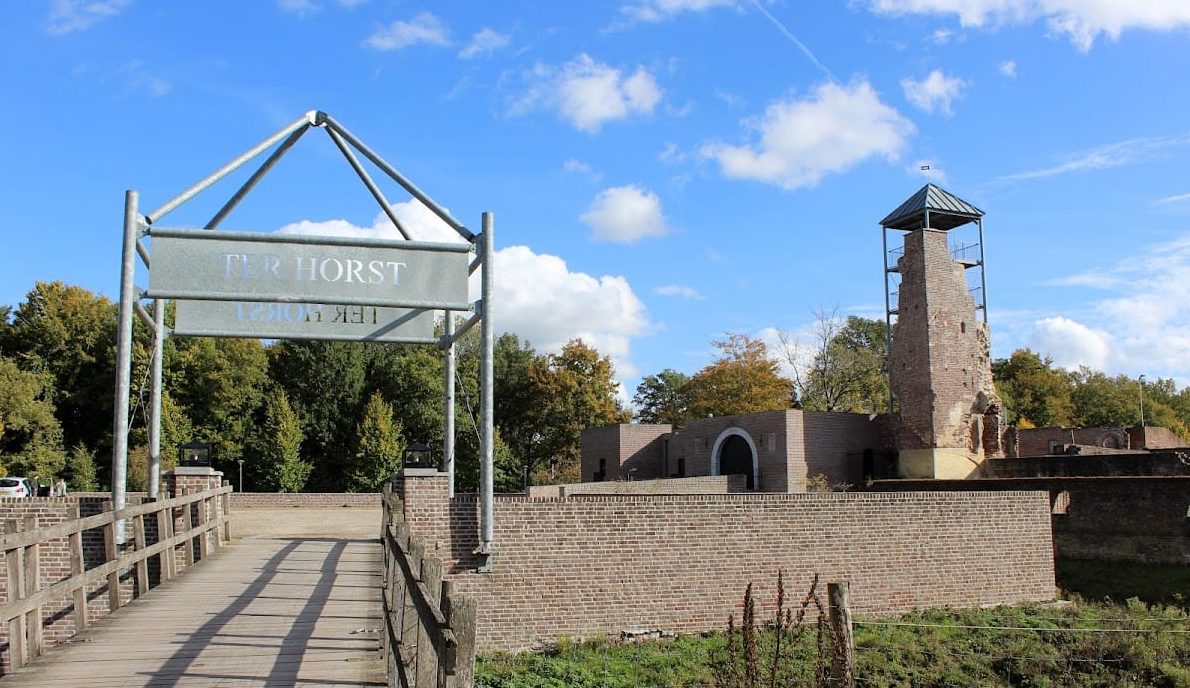
Archaeological excavations took place at the ruin between 1969 and 1976. The municipality restored the remaining castle structures in 2003 and made the ruin accessible, adding a viewing tower. Huys ter Horst has been a Rijksmonument from 1968 onward, under monument number 22650. A Rijksmonument is a cultural feature legally recognized by the Netherlands as a national monument.
Remains
Surviving castle structures
Huys ter Horst survives as the remains of a medieval castle that was completely remodeled and modernized in 1664. The surviving structures form a restored castle ruin north of Horst, near Kasteellaan. Restoration in 2003 stabilized and presented the remaining fabric, while the addition of a viewing tower formed part of the effort to make the site accessible.