Montguyon Castle: A Medieval Fortress in France

Site at a Glance
- Rating
- 4.2
- Popularity
- Low
- Country
- France
- Primary era
- Medieval
- External website
- Open
- Eras represented
- Medieval
- Civilizations
- Duchy of Aquitaine, English
- Site type
- Military
- Remains
- Castle
On this page13 sections
History
Montguyon Castle is a medieval fortress in Montguyon, France, in the historic region of Saintonge. It was a powerful stronghold by the eleventh century and is recorded by 1080. The surviving complex reflects later medieval development, including a residential building and a tower dating from the thirteenth century.
Medieval lordship
In 1404, Rosine de Montaut-Mussidan, Lady of Montendre and Montguyon, brought the fortress to Guy II de La Rochefoucauld, Lord of Verteuil and Barbezieux, as her dowry. The La Rochefoucauld family retained the castle until 1683, when it was sold after being seized.
The fortress was involved in the final stages of the Hundred Years’ War, the long conflict between the English and French crowns. After the Battle of Montguyon in 1451, Jean de Dunois, a French military commander and companion of Charles VII, expelled the English from the castle.
Religious wars and royal visits
During the Wars of Religion, a series of sixteenth-century conflicts fought mainly between Catholics and Protestants in France, Montguyon was a Protestant stronghold. Henri de Navarre, who became King Henri IV in 1589 and founded the Bourbon line of French kings, stayed there several times between 1571 and 1586.
King Louis XIII and Anne of Austria, his queen consort, stayed at the castle on 7 and 8 July 1621. In 1683, Pélagie de Rohan-Chabot purchased the barony, a territorial lordship held by a baron or baronial family. Montguyon remained the property of the Rohan family until the French Revolution.
Fire, protection, and restoration
Lightning struck the tower in 1793, causing a fire that left the castle ruined. The revolutionary state subsequently sold the property as national property, meaning property confiscated and sold by the state. The old tower received historic-monument protection on 11 February 1929. That designation was annulled and replaced on 23 July 2004 by protection covering the entire castle, its remains, and the former stables.
Physical conservation followed in stages. The ASPHM restored the castle stables from 1980 to 1984, while the Association for the Safeguarding and Enhancement of Montguyon Heritage consolidated and rebuilt sections of the fortification’s ramparts between 1996 and 2001. A section of the keep later collapsed after an earthquake in 1982.
Remains
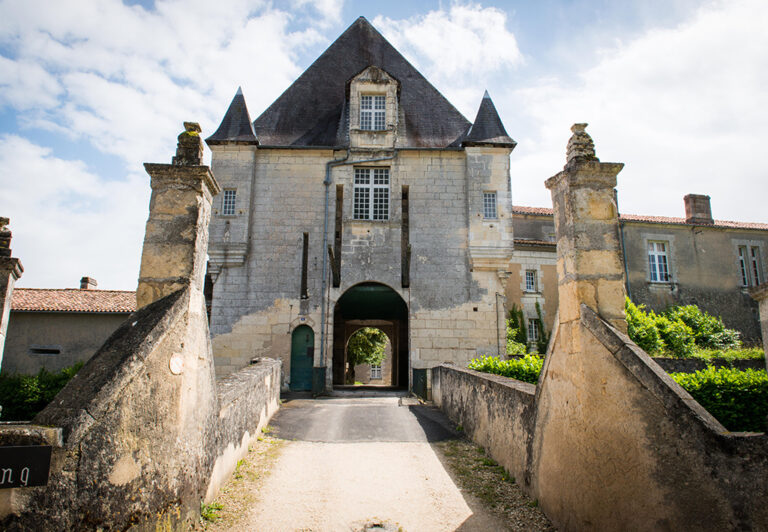
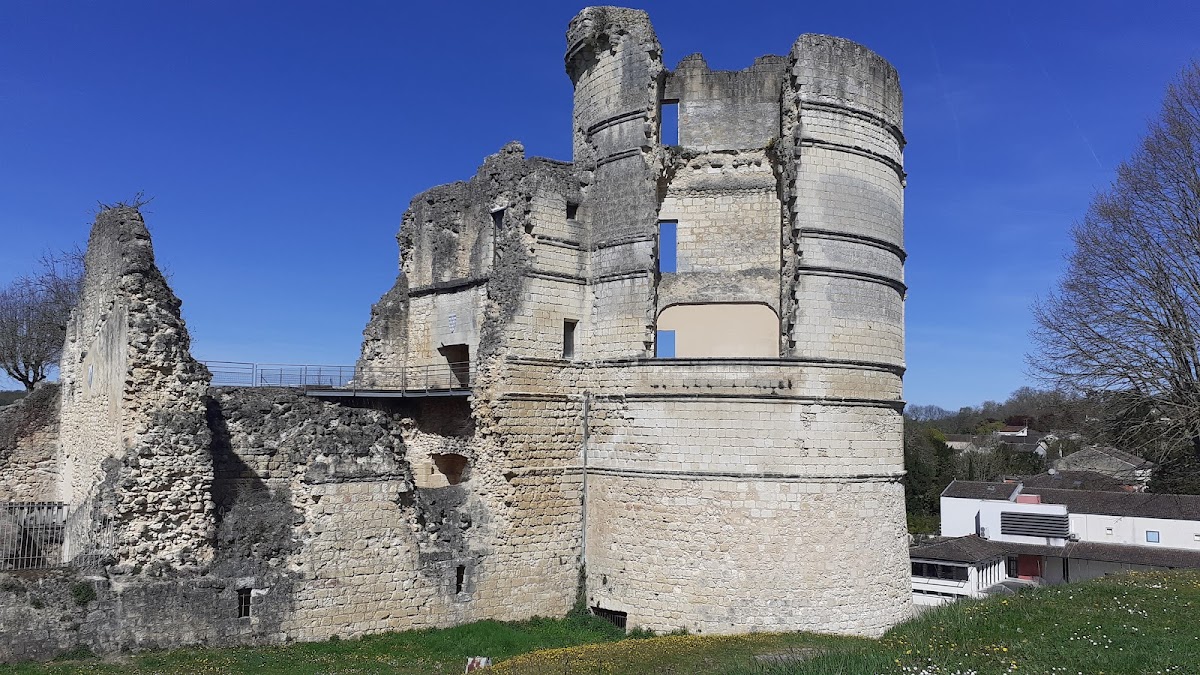
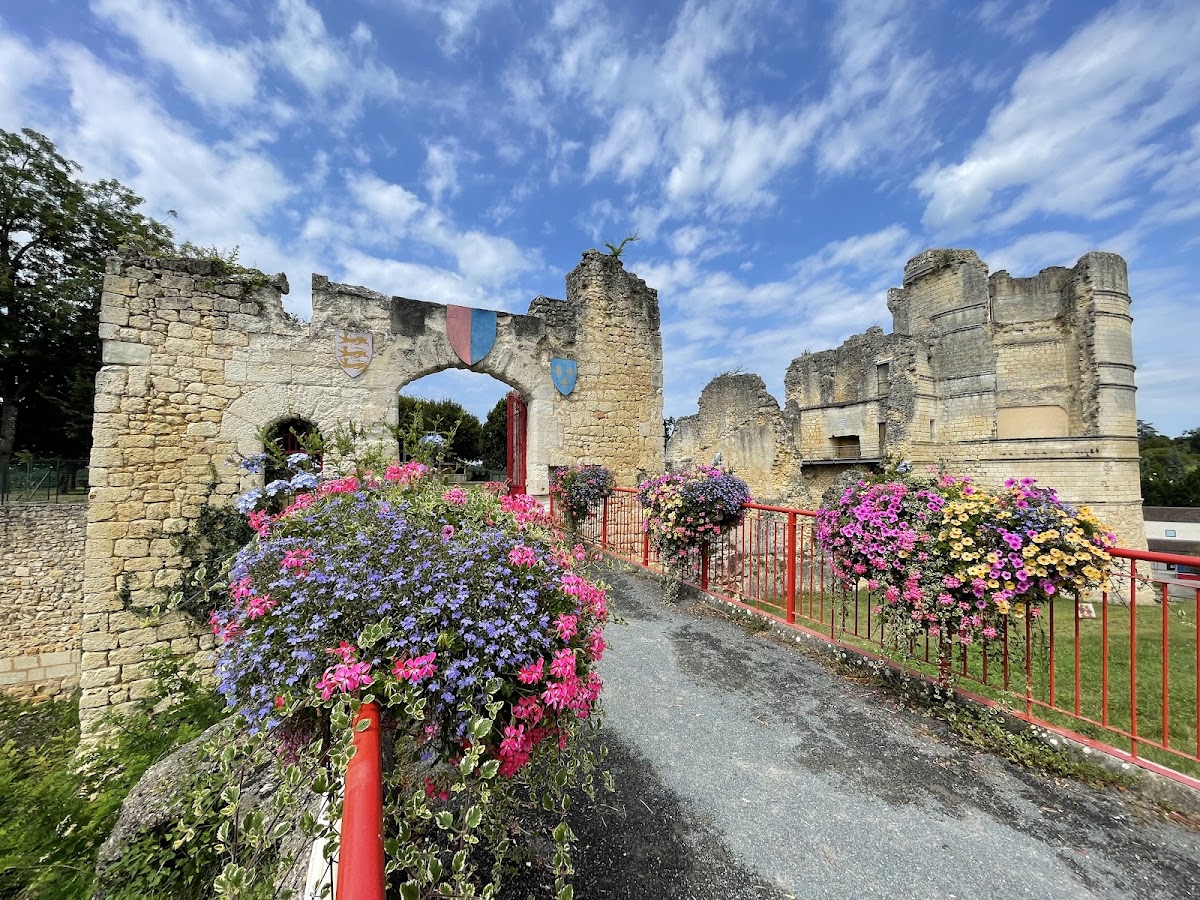
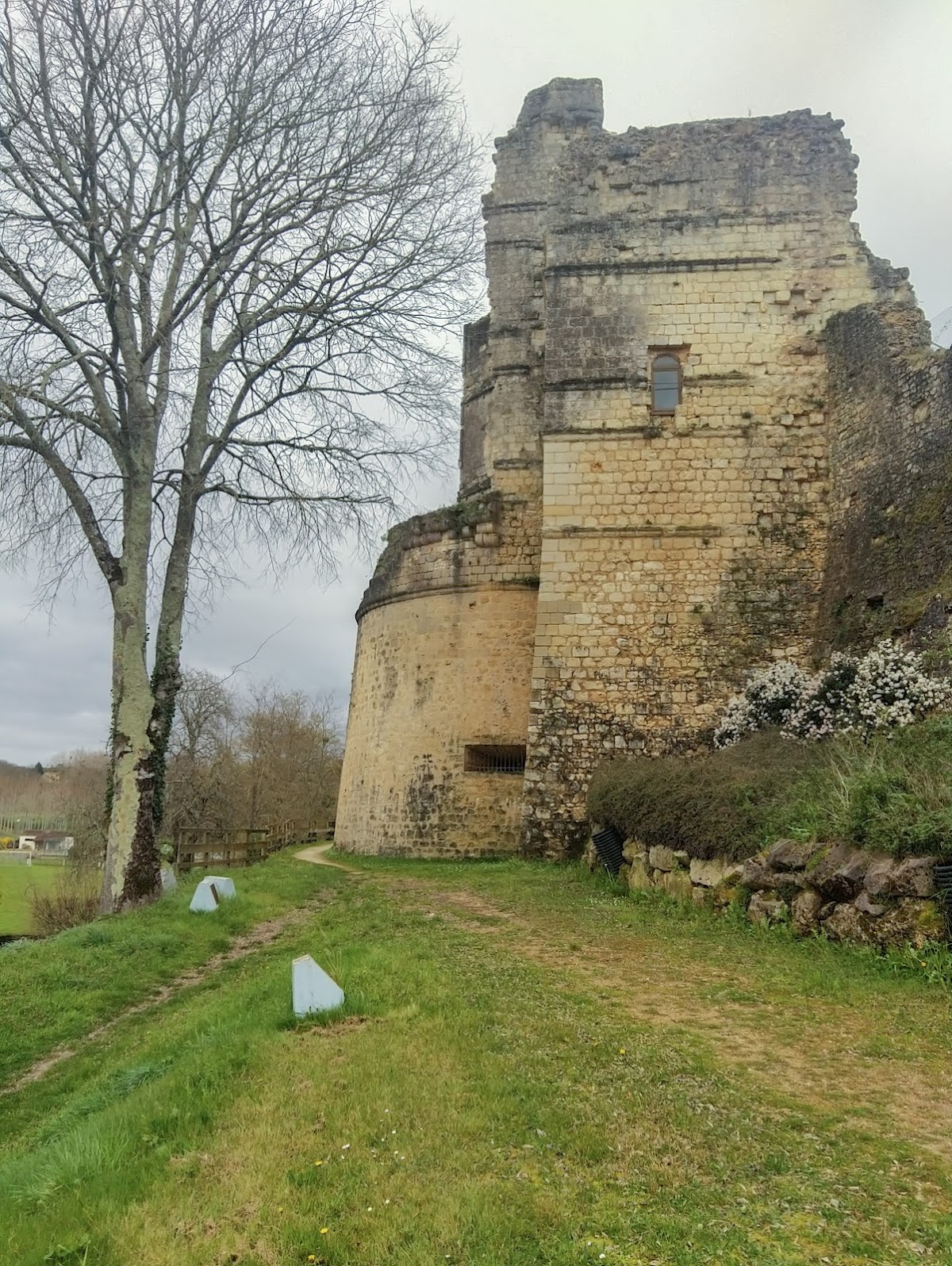
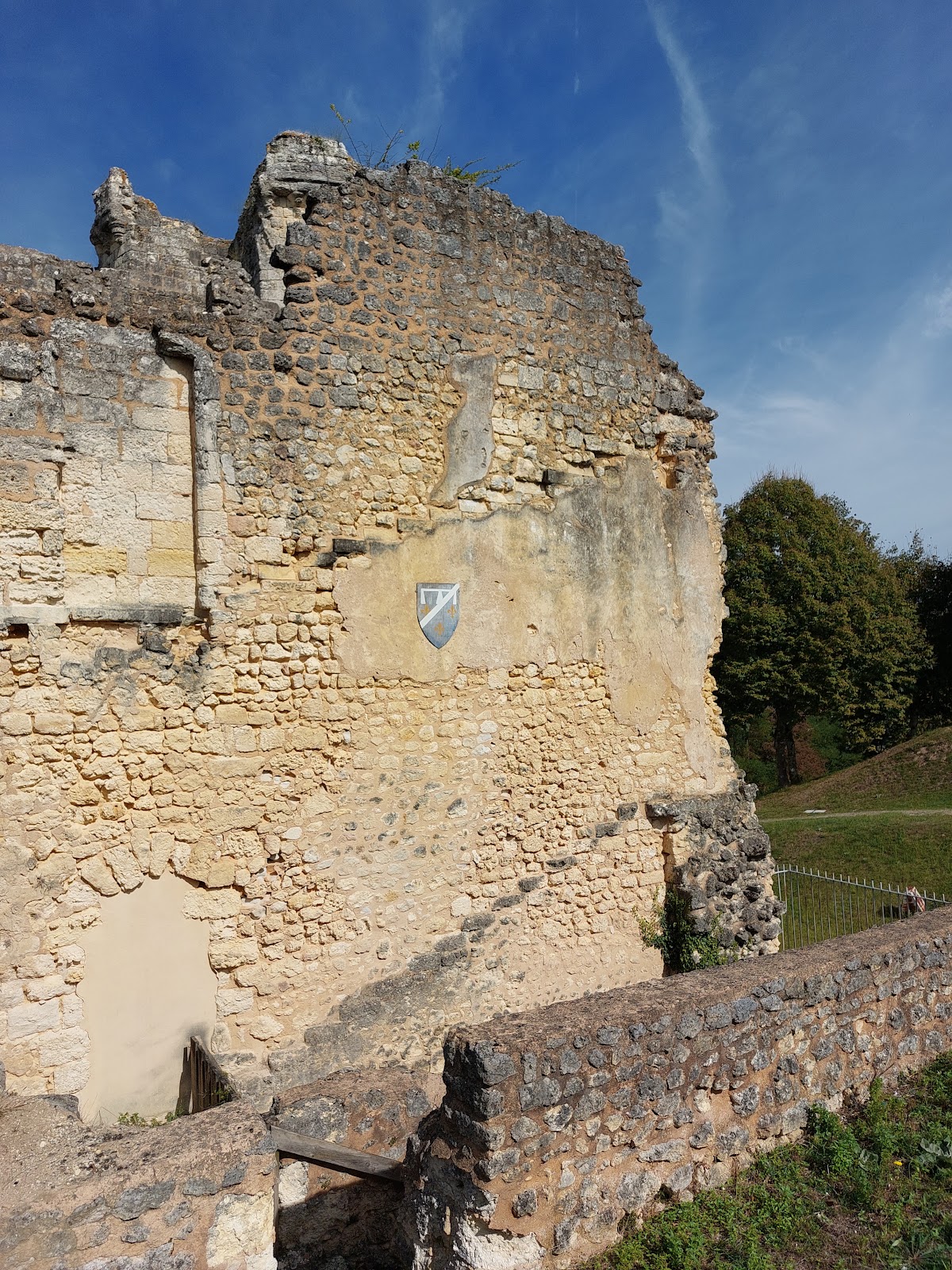
The castle occupies a rocky spur, with the entrance and traces of a former drawbridge leading toward a lower courtyard. This outer enclosed area contained service buildings, including the former stables, while the main fortress stood farther along the spur. The surviving complex brings together the residential building, fortified tower, keep, northern and southern ramparts, former well, and courtyard remains.
Entrance and courtyard
Entrance and former drawbridge
The approach to the fortress includes an entrance associated with the former drawbridge. Traces of the bridge survive on the rocky spur and indicate how the outer approach was linked to the fortified complex.
Lower courtyard and former stables
A lower courtyard precedes the main fortress. The former stables were built within this area, in front of the rocky spur. They were restored between 1980 and 1984, preserving a service-building group connected with the castle’s outer court.
Residential and defensive buildings
Residential building
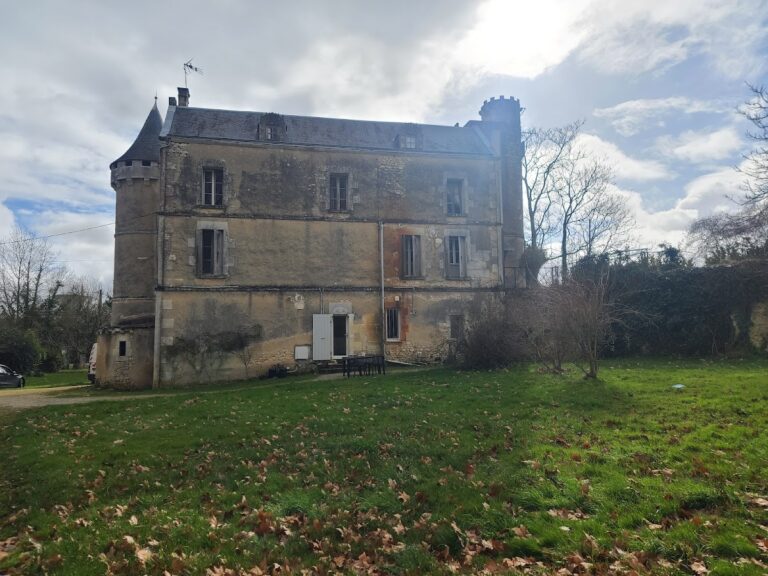
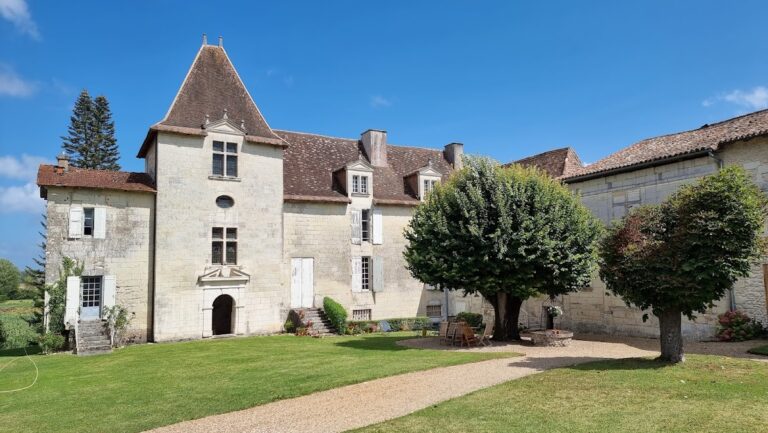
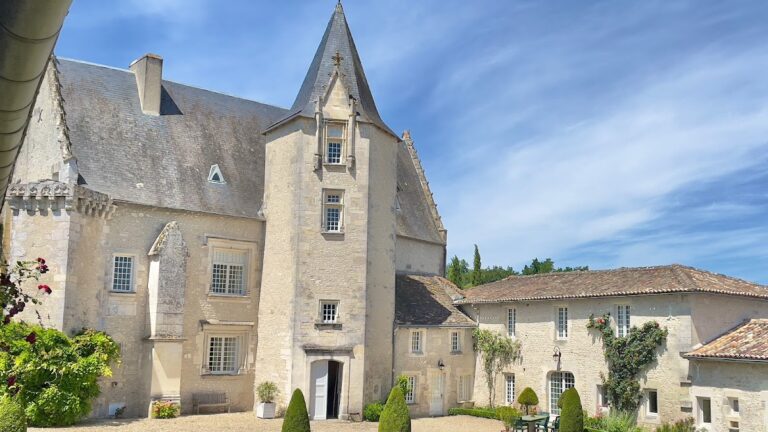
The complex includes a residential building forming part of the castle’s principal accommodation. It stands within the fortified group beside the tower and the keep remains.
Thirteenth-century tower
A tower dating from the thirteenth century was altered in the fourteenth century. It may have reached 50 metres in height including its roof. The 1793 fire left the tower in ruin, and maxims were recorded as inscriptions on the walls of its second floor.
Keep
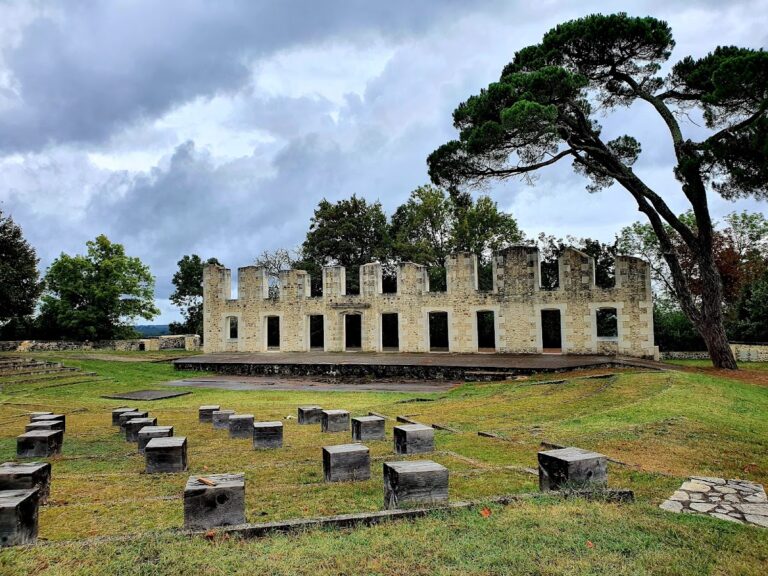
The keep, the principal fortified tower of a medieval castle, survives in a ruined condition. A section collapsed after the 1982 earthquake, adding to the damage caused by the earlier fire.
Ramparts and former well
The northern and southern ramparts define parts of the fortified enclosure. Sections were consolidated and rebuilt between 1996 and 2001. The documented remains also include the former well, another element of the castle’s internal defensive and residential infrastructure.
Nearby sites