Villa of La Coue d’Auzenat: A Gallo-Roman Rural Estate in France
Site at a Glance
- Popularity
- Low
- Country
- France
- Primary era
- Classical
- Eras represented
- Classical
- Civilizations
- Roman
- Site type
- Domestic
- Remains
- Villa
On this page7 sections
History
Roman villa
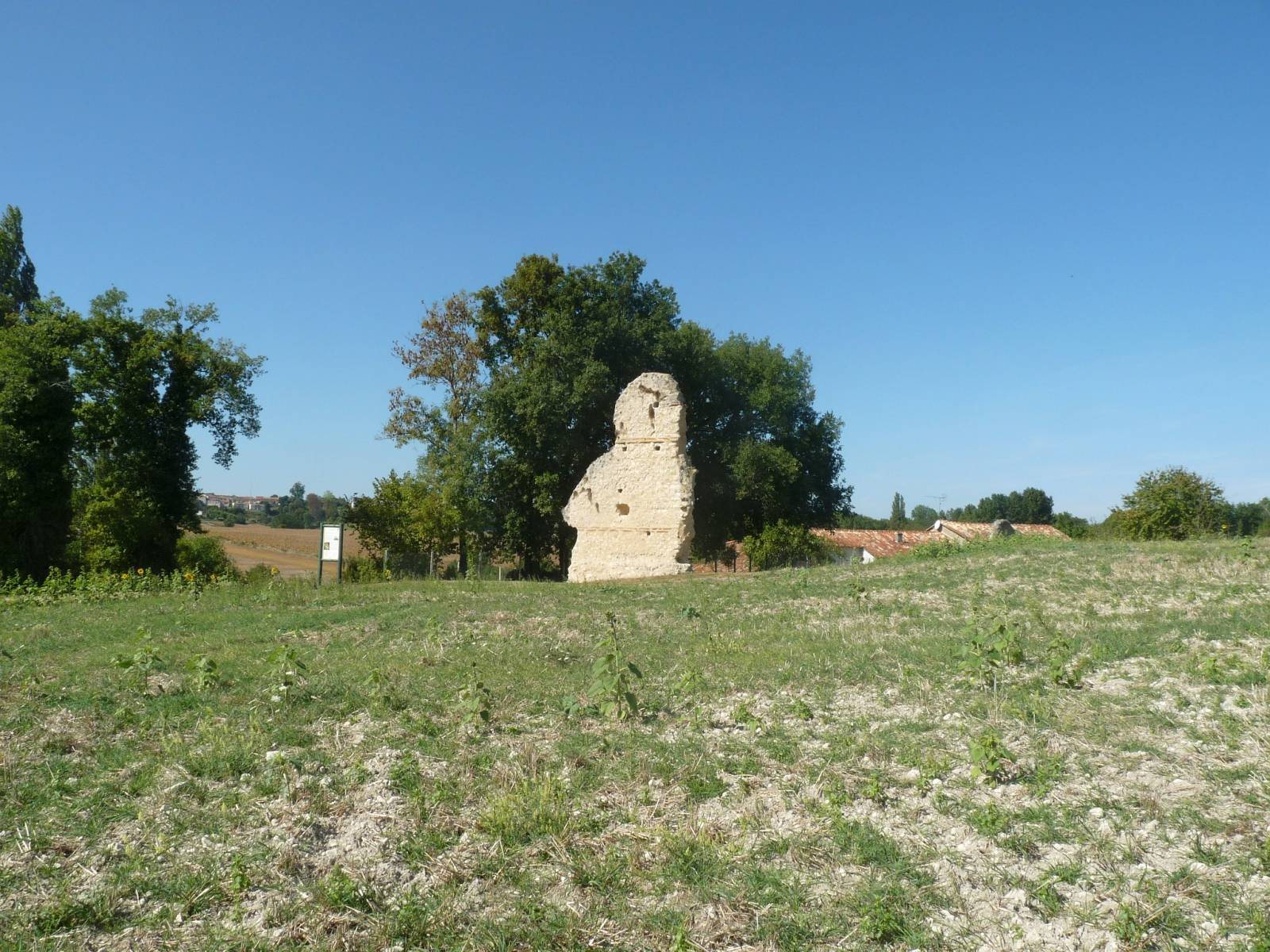
The Villa of La Coue d’Auzenat is a Gallo-Roman rural estate at Brossac in Charente, southwestern France. It dates to the High Roman Empire, the earlier period of Roman imperial rule, and stood in Aquitania Secunda, a Roman provincial division in southwestern Gaul. Its exact construction date remains uncertain. Building methods have been interpreted as pointing to a date before the second century, while other proposals place it under the Antonine dynasty or the later Severan dynasty, successive Roman ruling houses.
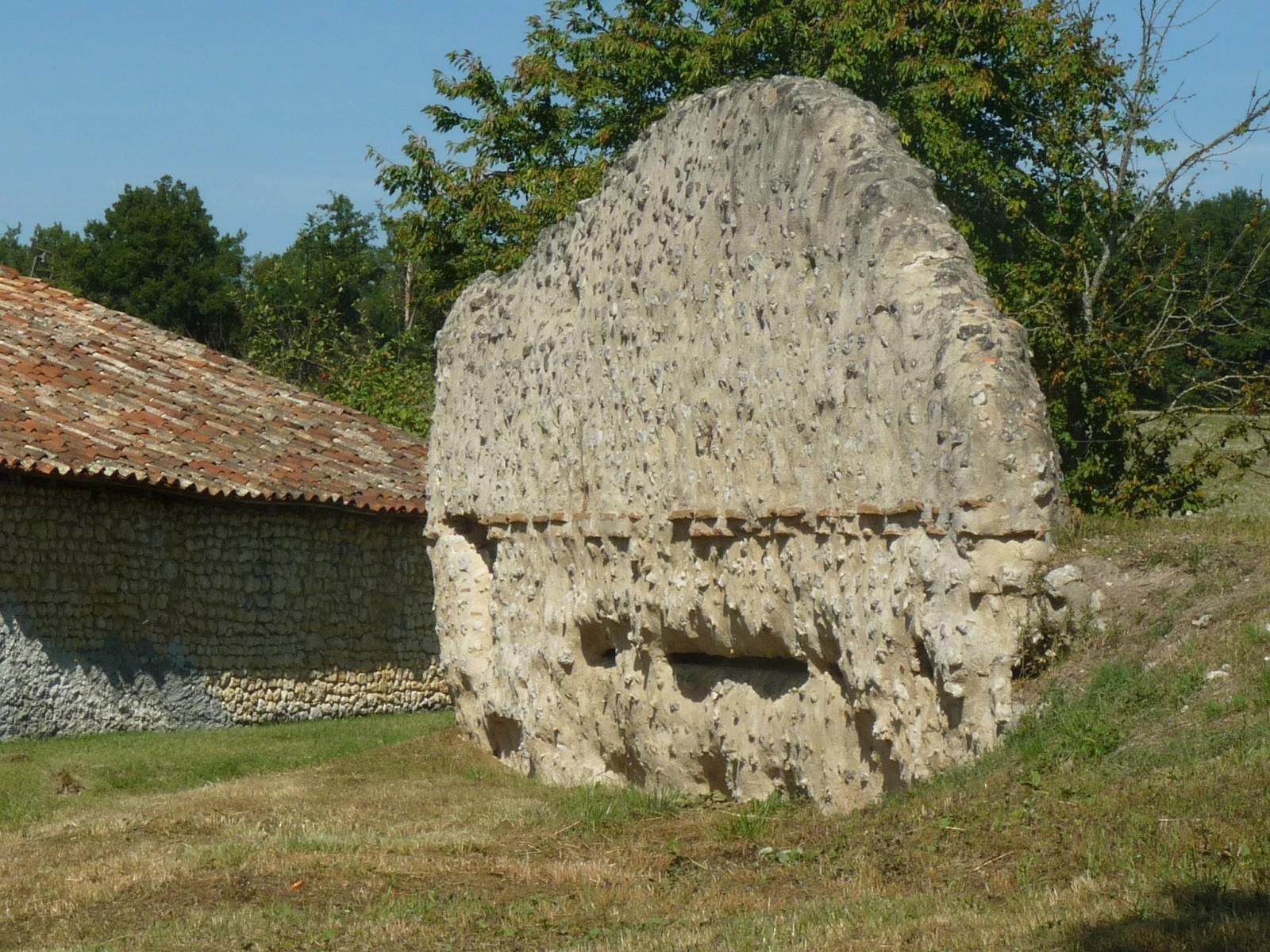
The surviving walls are thought to have belonged to the owner’s residential area. The villa’s working and service areas may have been nearby.
Name and modern history
A 1278 text preserves an Occitan phrase, in a Romance language historically spoken in southern France, meaning “the walls of Ouvenac.” Seventeenth-century private records refer to the village as Cosse, otherwise Auzenac. In 1844, priest and archaeologist Jean-Hippolyte Michon described the villa and discovered its aqueduct. He proposed that the place-name came from Ausonius, a fourth-century Gallo-Roman poet whom he believed had owned land in the area. Later research into place-names rejected that explanation.
The villa remains were listed as historic monuments in 1875, and the aqueduct remains received the same status in 1889. The Charente General Council has owned the site since 1980.
Remains
The site includes the remains of a southeast-to-northwest-oriented building and an aqueduct 62 metres to its north. The aqueduct brought water from a spring about one kilometre away, linking the villa’s built remains to the surrounding landscape.
Villa and water supply
Main building
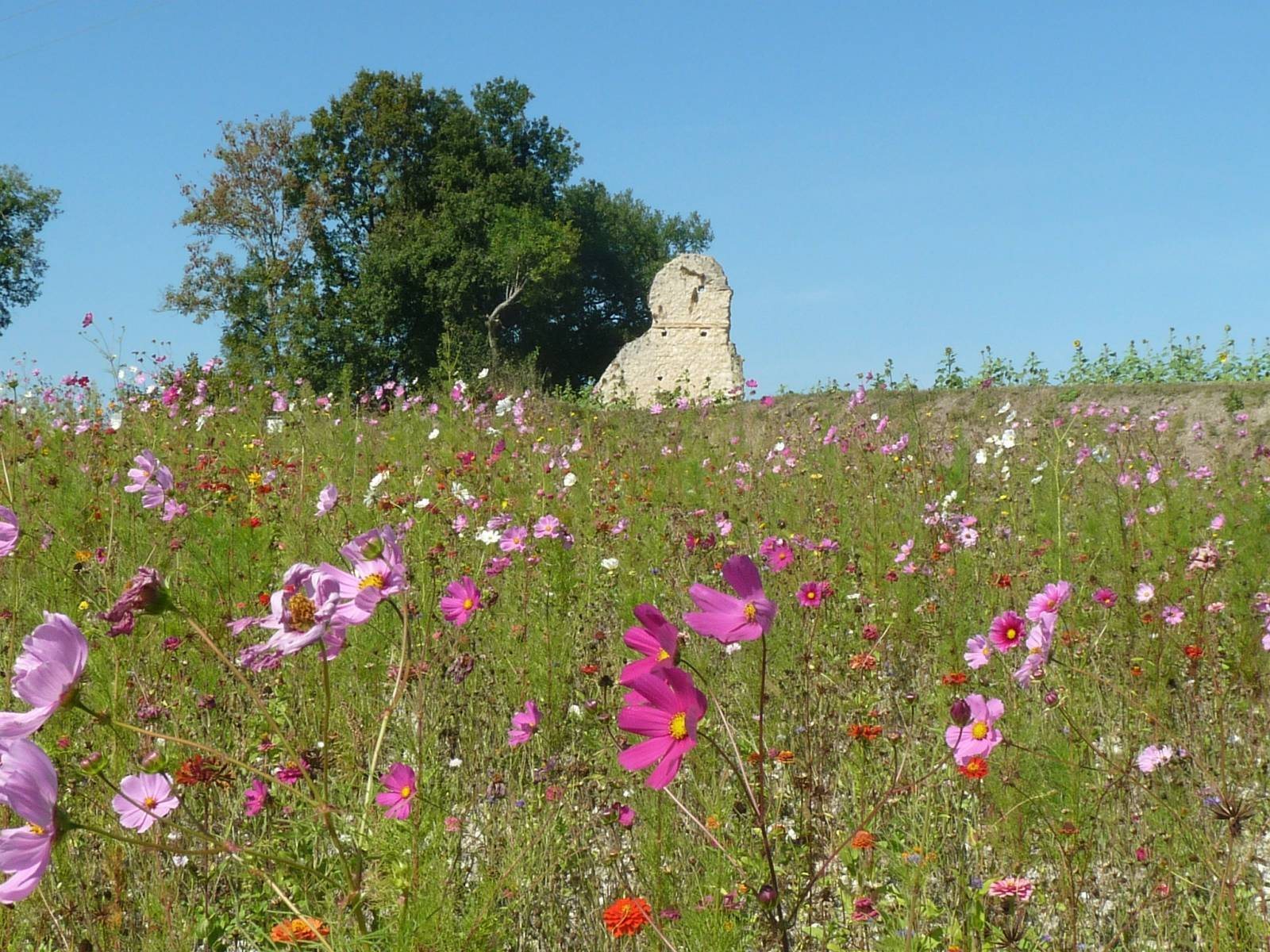
The main building was described as measuring 57.4 by 22 metres and probably extending into sloping ground. Three sections of wall survive, each 0.75 metres thick; the tallest reaches 7.5 metres. A masonry course 2.85 metres above ground indicates the level of an upper storey. The stones are bonded with strong cement comparable to that at Chassenon and La Berche. Mosaic fragments were also found.
Aqueduct
The aqueduct carried water from the Fontenelles spring, on a hill near the hamlet of Chez Rabanier, following the Coulée des Fontenelles. Fragments of lead pipe were found inside it. At the foot of the villa, it divides into channels cut into the lower thickness of walls. The channels, built from flanged bricks, are 25 centimetres wide and 12 centimetres high; the walls rest on two thin walls measuring 25 centimetres across. The spring is one source of the Viveronne, which joins the Tude at Chalais.
Less than 500 metres northeast of the villa lay a probable Roman or ancient road connecting Saintes with Périgueux and Cahors by way of Pons, Guimps, Condéon, Brossac, and Ribérac.