Château de Moidière: A Historic Residence in France


Site at a Glance
- Rating
- 4.2
- Popularity
- Low
- Country
- France
- Primary era
- Early Modern
- External website
- Open
- Eras represented
- Early Modern
- Civilizations
- French
- Site type
- Domestic
- Remains
- Castle
On this page10 sections
History
Construction and Restoration
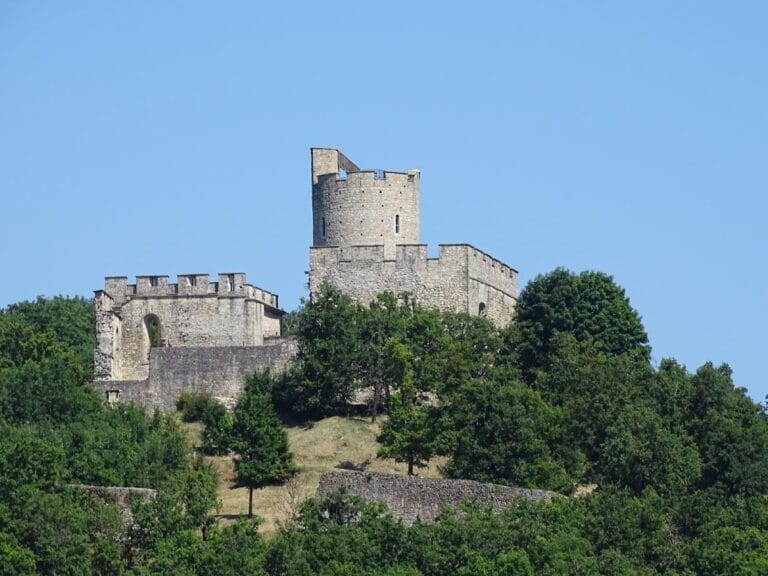
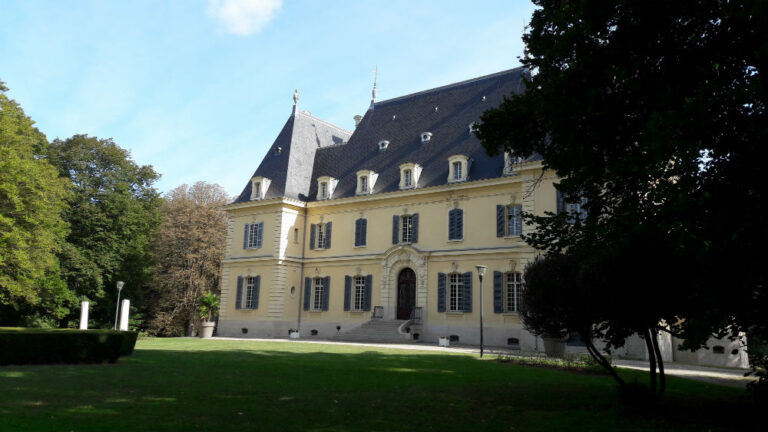
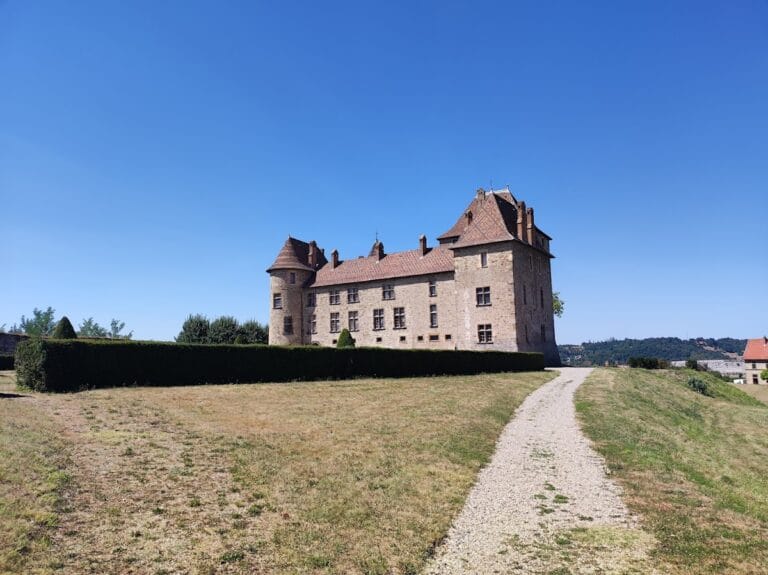
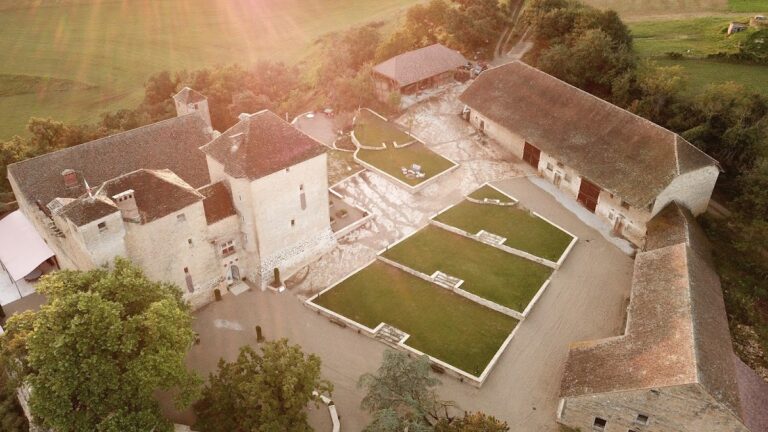
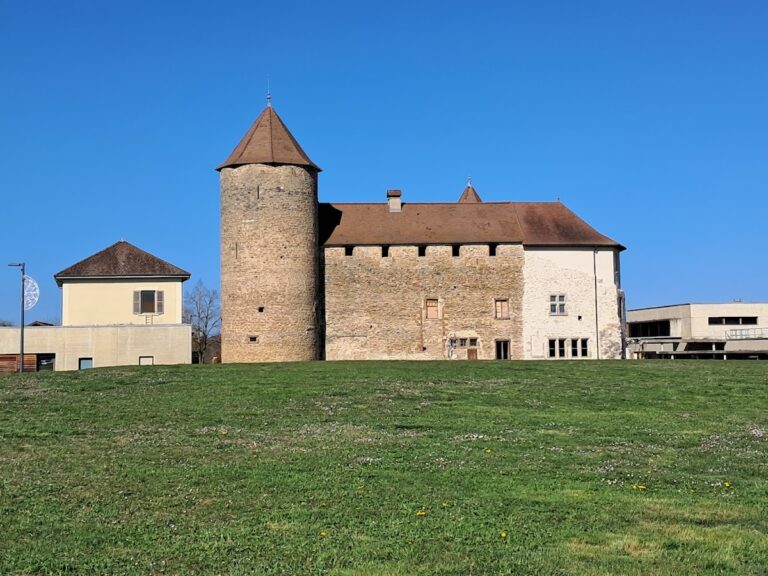
Château de Moidière is a historic château in Bonnefamille, France, built around 1660 by Nicolas Scipion Guillet de Moidière. The estate lies in the historic Dauphiné, an area now within the Isère department of the Auvergne-Rhône-Alpes region. It remains the private residence of the Dugon family.
The building underwent restoration during the nineteenth century. Its history was also shaped by the upheaval of the French Revolution. During the Great Fear, a wave of rural unrest and attacks in the summer of 1789, the château was looted on 28 July. Part of the building, including its chapel, was burned. Reconstruction followed in 1811.
Protection and Later Use
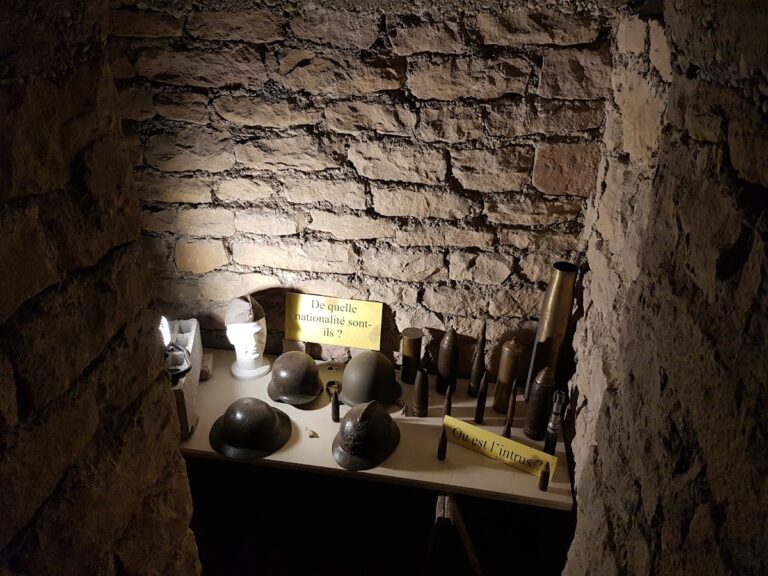
Since 1983, Château de Moidière has been protected as an inscrit au titre des monuments historiques, a French registration category for heritage buildings below the higher level of protection called classé. The protected designation covers important architectural elements, including the façades, roofs, vestibule, and staircase. Since 1985, part of the ground floor and the cellars have been incorporated into a visitor route. The cellars were adapted as a vivarium, an enclosure for keeping and observing living animals.
Remains
The Château and Its Interiors
Exterior and Entrance
The château stands within a 30-hectare park of meadows, woodland, and ponds. Stones carrying the symbol of the Guillet family mark the entrance. The protected exterior includes the façades and roofs, while the staircase survives with its handrail as part of the historic interior fabric.
Decorated Rooms
The vestibule contains Italian trompe-l’oeil, a painted technique that uses perspective to make a flat surface appear three-dimensional. Other decorated rooms include the Empire bedroom, the office-library, the south-west blue room, and the adjoining small vestibule. These interiors form part of the château’s surviving architectural character.
Park and Adapted Cellars
Landscape and Arboretum
The surrounding grounds combine open meadows, woodland, and ponds with an arboretum, a landscaped collection of identified trees and shrubs. It contains 2,000 European trees and shrubs representing 72 species. The park also includes a nature reserve intended to present Europe’s wild heritage, life-size ground silhouettes of extinct animals such as mammoths, and two maze-based treasure hunts.
Vivarium
The cellars have been fitted out as a vivarium, giving the historic lower level a new use for keeping and observing living animals. Part of the ground floor is also incorporated into the route through the château, linking the preserved rooms with the adapted spaces below.