Schloss Oberkindberg: A Baroque Castle in Austria

Site at a Glance
- Rating
- 3.8
- Popularity
- Very Low
- Country
- Austria
- Primary era
- Early Modern
- External website
- Open
- Eras represented
- Early Modern
- Civilizations
- Habsburg, Holy Roman Empire
- Site type
- Domestic
- Remains
- Castle
On this page4 sections
History
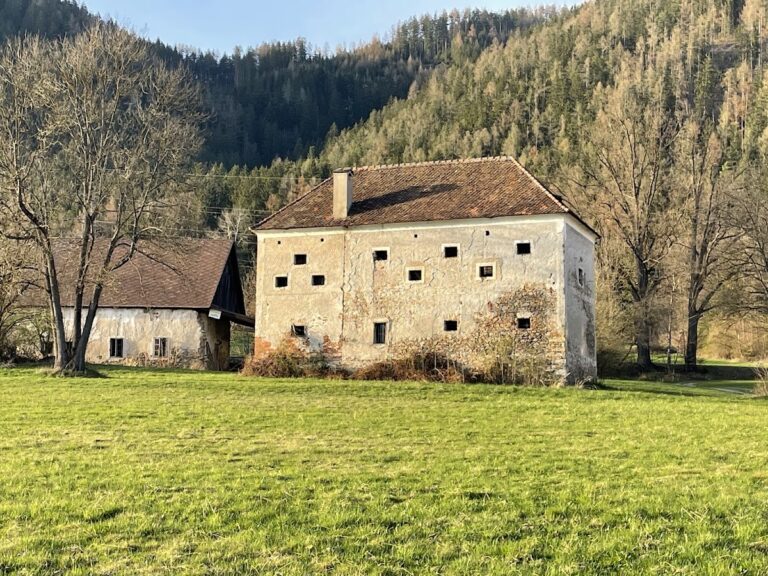
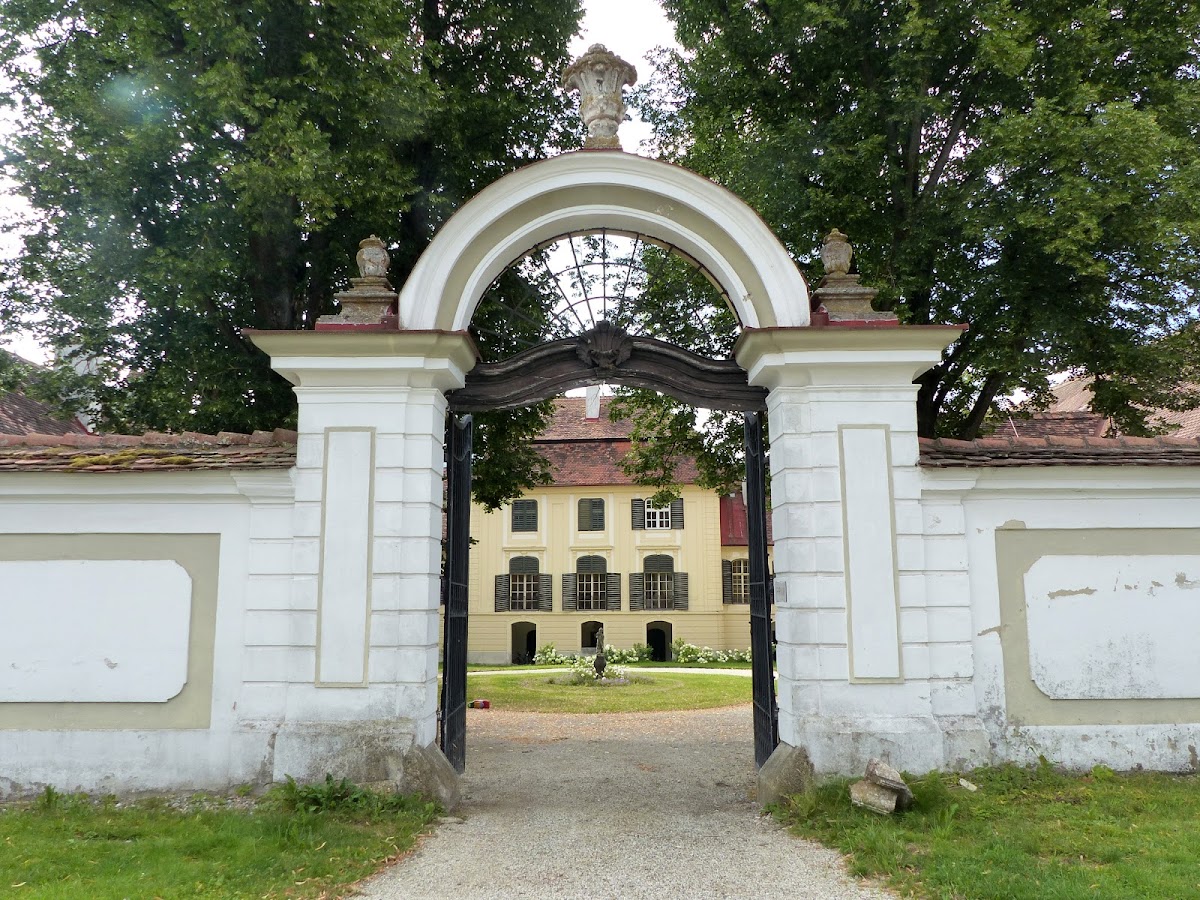
Schloss Oberkindberg is a Baroque castle in Austria, located in the municipality of Kindberg in Styria. The present building dates from 1680, placing it within the elaborate European architectural style that developed during the seventeenth and eighteenth centuries. Its site has earlier defensive origins, reaching back to a fortress known as Chindeberc.
Medieval Fortress and Baroque Reconstruction
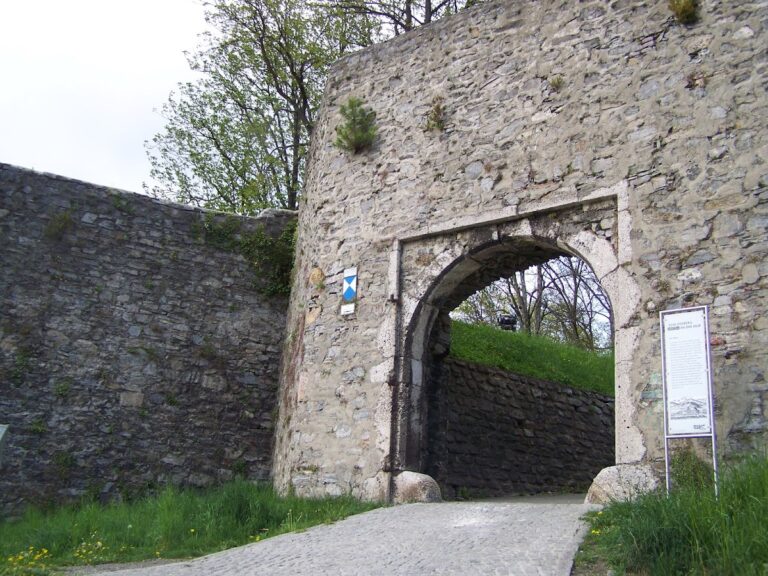
A fortress called Chindeberc was mentioned in 1180. An earthquake destroyed it in 1266, ending the history of that earlier stronghold. Schloss Oberkindberg was subsequently built as a new castle in 1680 rather than as the surviving medieval structure. Renovations carried out in 1773 and 1774 altered the building during the later eighteenth century.
Modern Ownership
Since 1994, Schloss Oberkindberg has been owned by Eugen Waldstein-Wartenberg. He is a modern-day relative of Albrecht Wenzel Eusebius Waldstein, better known as Wallenstein, the Bohemian military commander who led the Imperial Army during the Thirty Years’ War from 1618 to 1648.
Remains
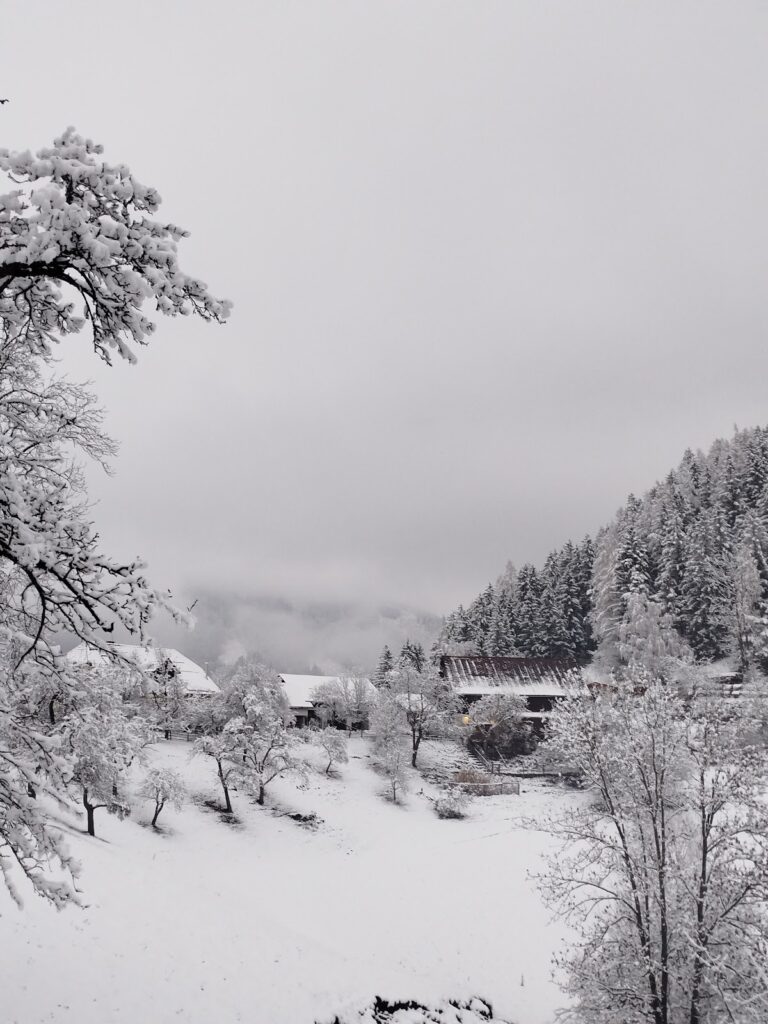
Schloss Oberkindberg survives as a Baroque castle situated in a valley at approximately 663 metres above sea level. The surrounding landscape is predominantly hilly, with mountainous terrain to the east and mixed forest around the immediate area. The highest nearby point reaches about 961 metres and lies approximately one kilometre north of the castle. The surviving building reflects its construction in 1680 and the renovations undertaken in 1773 and 1774.