Château de Triadou: A Fortified Residence in Peyreleau, France
Site at a Glance
- Rating
- 5
- Popularity
- Very Low
- Country
- France
- Primary era
- Medieval
- Eras represented
- Medieval, Early Modern
- Civilizations
- French
- Site type
- Domestic
- Remains
- Castle
On this page7 sections
History
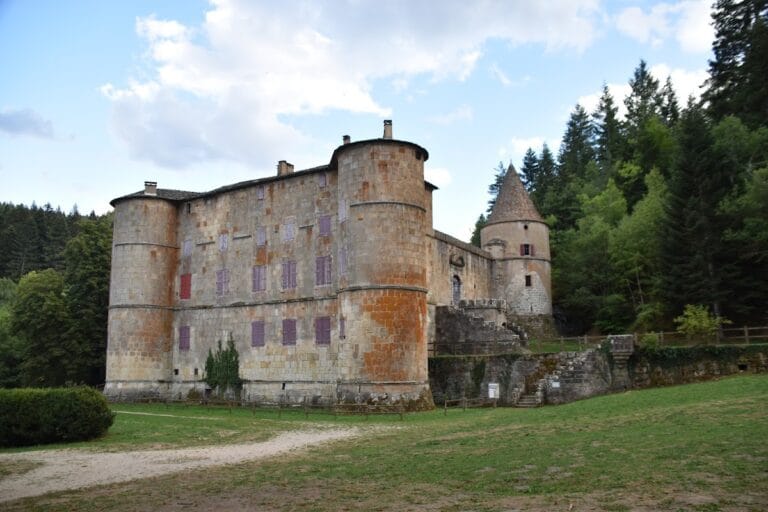
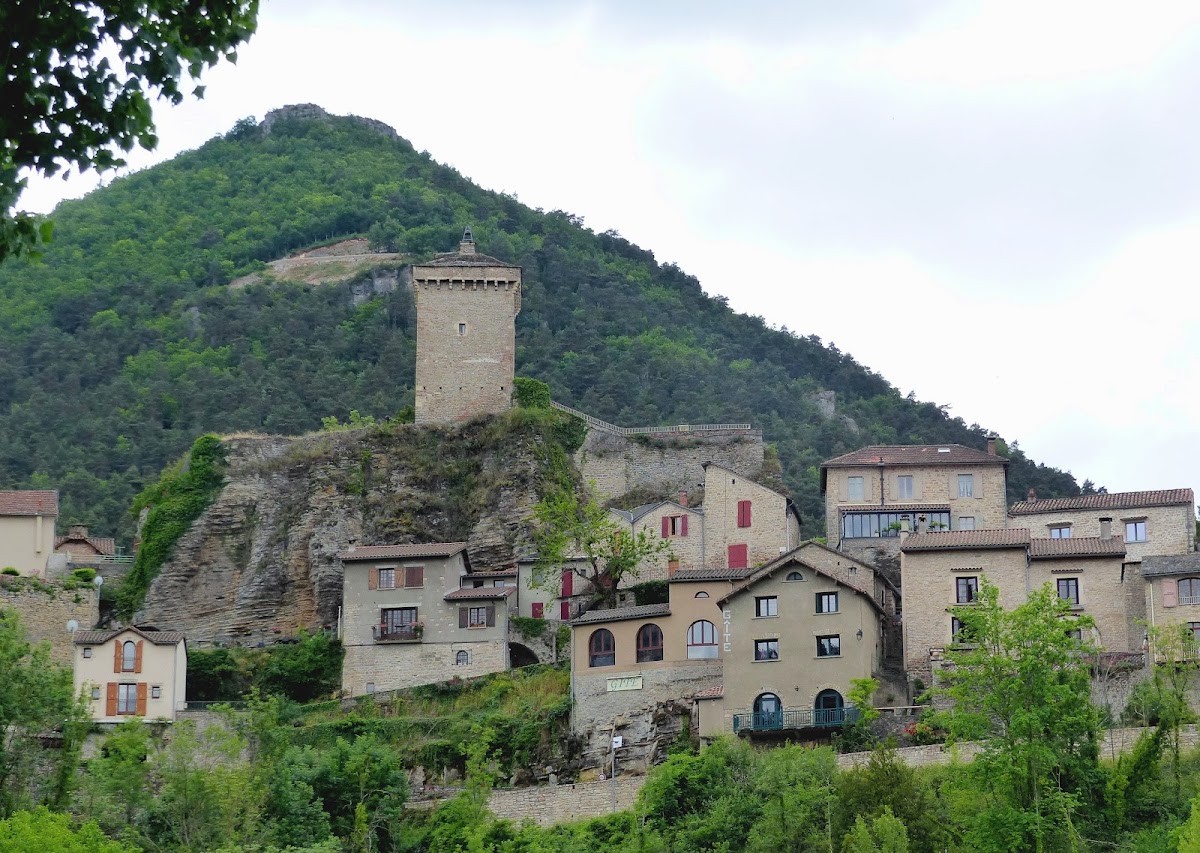
Château de Triadou is a fortified residence in Peyreleau, France, begun in 1470 as a late-medieval rebuilding of an earlier fortress. Standing on the western edge of the village in the Aveyron department, it occupies a site above the confluence of the Tarn and Jonte rivers. The residence was developed by Pierre II d’Albignac, lord of Triadou, and became the principal seat of an expanding Albignac estate.
The eleventh-century fortress and the Albignac residence
An earlier fortress occupied the site during the eleventh century. It was destroyed in the fifteenth century, leaving portions of its earthworks. Pierre II d’Albignac began the present residence in 1470, incorporating remains of the former stronghold into the new construction. He and his wife, Flore de Capluc, were living at Triadou by July 1479, although the extensive building programme left the residence unfinished for a long period.
Before settling at Peyreleau, the lords of Albignac were based at Château de Mostuéjouls. The construction site at Triadou belonged to the monks of Le Rozier, who were connected to Aniane Abbey, a monastic institution governed by an abbot or abbess. Family changes soon strengthened the Albignac position in the area. When Guillaume de Capluc died in 1510, his lands passed to the family through his daughter Flore. Her brother Louis de Capluc had entered the clergy as parish priest of Auzits. Pierre II died on 4 April 1517, and Flore died a few months later.
Expansion and the growth of the estate
Around 1559, Pierre II and Flore’s grandson, Pierre III d’Albignac, planned to enlarge the family residence with another wing but initially lacked the necessary funds. During the passage of Protestant troops led by Captain Arnaud de Méjanès between Meyrueis and Millau, Pierre III was ordered to block their route. He attacked them near Mont-Fraysse in an attempt to seize their war treasury. The operation succeeded and supplied money for the planned building work. Part of the booty was hidden in the château, and Pierre III died without disclosing its location to his heirs.
In 1607, Pierre III’s son Simon d’Albignac bought the lands and titles of Capluc and Veyreau from Jean de Tubières-Grimoard for 47,400 livres. The purchase made Peyreleau the seat of an important estate. Simon’s son, François I d’Albignac, continued the family’s territorial expansion during a period of prosperity. His marriage to Jeanne de Solages de Tholet in 1628 and to Isabeau du Fecs de Sumène in 1650 brought further dynastic and territorial connections, including the annexation of the barony of Castelnau.
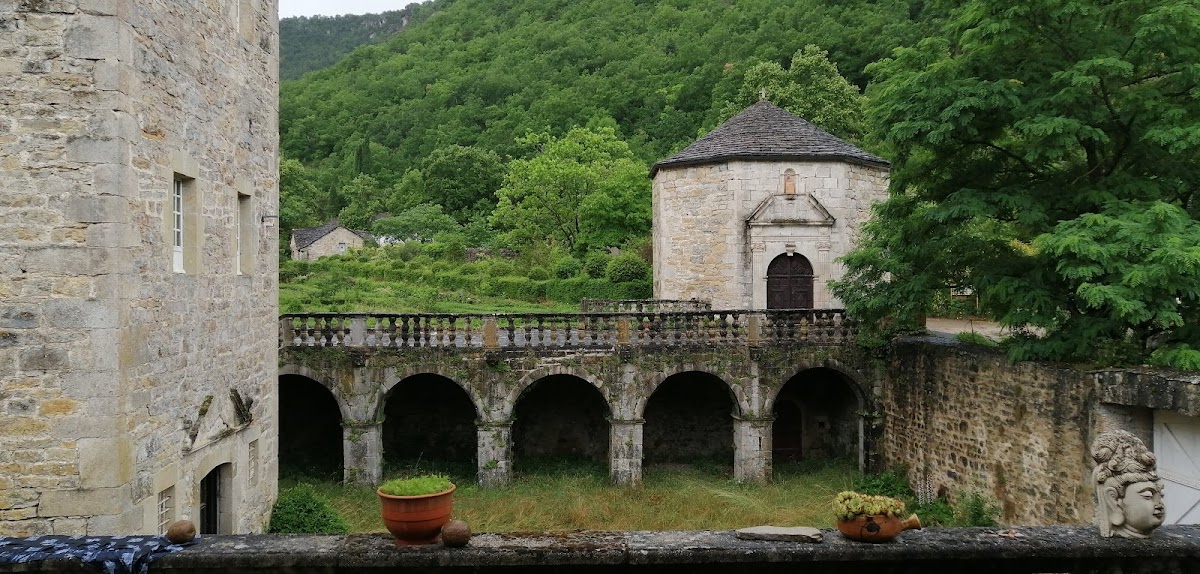
François I also transformed the residence. In 1669 he added major buildings, enlarged the living accommodation, and created service facilities, an octagonal chapel dedicated to the Virgin, and a large square tower adjoining the château.
Revolutionary seizure and the end of Albignac occupation
The tradition of Pierre d’Albignac’s hidden treasure continued until the French Revolution, a period of political upheaval that ended the monarchy and brought extensive changes to French property and institutions. In July 1791, authorities from Millau sent militiamen to the château while Philippe-François d’Albignac de Castelnau was being accused, without substantial basis, of leading an armed group known as the “Brigands of Bourg.” The militiamen plundered the residence and found two lead chests containing gold and silver beneath a step of the main staircase. The accusation was probably used as a pretext for the expedition and seizure of the treasure.
Philippe-François was the last Albignac lord to occupy the château. He left for exile in England via Dieppe on 28 November 1792. He had served as bishop of Angoulême from 1784 and as a clerical deputy at the Estates-General from 5 May 1789. His opposition to the Civil Constitution of the Clergy, a revolutionary measure that reorganized the French Church and required clergy to swear an oath, made him a refractory cleric because he rejected that oath. He never returned to his lands and died in London on 3 January 1814.
Municipal use and protected status
After the municipality took over the château, it temporarily served as Peyreleau’s town hall. This use continued until a new municipal building was constructed in 1893. The property is now divided among several private owners. Château de Triadou was entered on France’s register of historical monuments in 1944, with a further monument historique inscription recorded in 2015. This system provides legal protection for heritage of historical or architectural importance, while an inscription represents a level of protection below classification as a classified monument. The site’s Mérimée heritage reference is PA00094097.
Remains
Château de Triadou survives as a fortified residence with an ornamental garden above the confluence of the Tarn and Jonte rivers. Its physical development combines the medieval stronghold’s earthworks with the later Albignac residence. The earlier fortress survives in portions of its earthworks, which were incorporated into the building project begun in 1470.
The seventeenth-century additions
The expansion of 1669 added a group of major structures around the residence. These works included service buildings, further residential space, an octagonal chapel dedicated to the Virgin, and a large square tower adjoining the château. Together, these elements express the transformation of the earlier fortified site into an enlarged family residence while retaining its defensive foundation.