Château d’Annéot: A Classical Seigneurial Residence in France
Site at a Glance
- Rating
- 5
- Popularity
- Very Low
- Country
- France
- Primary era
- Early Modern
- External website
- Open
- Eras represented
- Early Modern
- Civilizations
- French
- Site type
- Domestic
- Remains
- Elite Residence
On this page9 sections
History
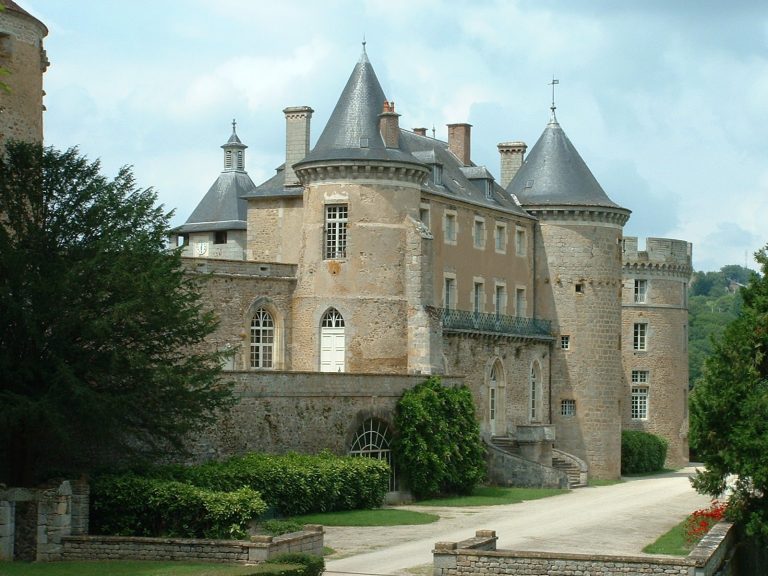
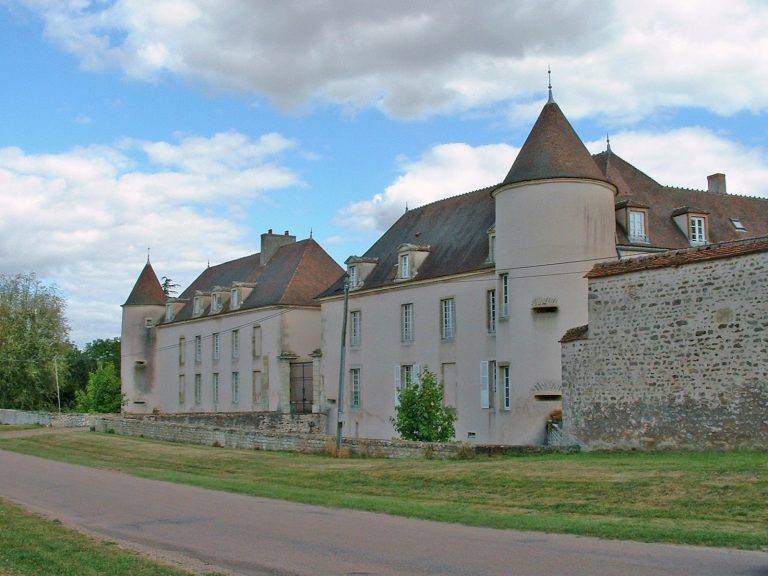
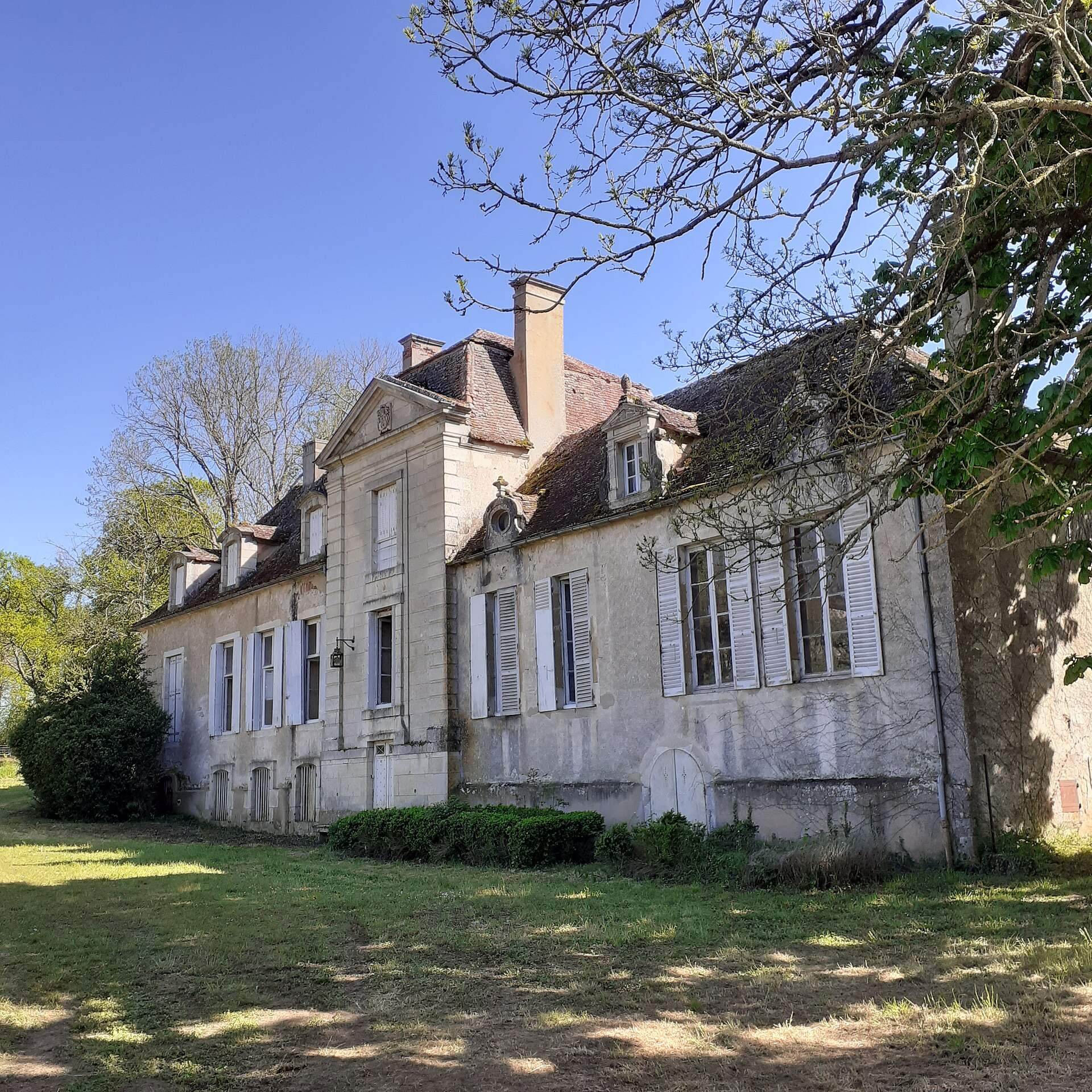
Château d’Annéot is a classical-style seigneurial residence in Annéot, France, built for the local lord in the late seventeenth or early eighteenth century on the foundations of an earlier manor. The estate developed within the divided seigneurie of Annéot and remained associated with prominent local families until the twentieth century. Partially listed as a historic monument, a building or site protected under French heritage law, by an order dated 4 November 1984, it is now a privately owned dwelling.
The divided seigneurie
During the seventeenth century, the seigneurie of Annéot was divided between two holders. Its principal part belonged to the chapter of Notre-Dame d’Autun, a corporate body of clergy attached to a church and an institutional landholder in this case. The other part was acquired in 1643 by Étienne Champion. He served as receiver of Avallon’s salt granary, a royal institution responsible for administering and collecting the salt tax, in 1655, and became an alderman in 1661.
Étienne Champion was ennobled on 31 March 1687 after acquiring the office of councillor-secretary to the king at the Great Seal, a royal office that could confer nobility on its holder. His son, Étienne II Champion (1655–1725), écuyer, or member of the lower nobility, lord of Annéot, lieutenant of the Avallon bailliage, and advocate at the Parliament of Burgundy, completed the family’s acquisition of the seigneurie. In 1700, he bought the remaining part from the chapter of Autun for 13,400 livres.
The Champion family and later inheritance
Étienne II’s younger son, Charles-François Champion (1701–1779), écuyer and lord of Annéot, commissioned the château on the foundations of the earlier manor. He married Mademoiselle Minard de Lautreville in 1729. His son Étienne-Louis Champion (1729–1802) became an écuyer, captain in the Auvergne Regiment, and knight of the Order of Saint-Louis. In 1768, he married Claudine-Françoise de Denesvre, and the couple had no children.
Claudine-Françoise’s sister, Jeanne Françoise de Denesvre, married Charles-François Guillet de Monts, lieutenant general for civil, criminal, and police matters in the bailliage, duchy-peerage, and domain of the Nivernais and Donziois. After Jeanne Françoise died in childbirth in 1783, her son Michel-Auguste-Charles Guillet de Monts was raised by his aunt and uncle and became their heir.
Michel-Auguste Guillet de Monts served as mayor of Annéot and died in 1853. His wife was Julie de Saillans. Their son Ernest Guillet de Monts inherited the château but died young and unmarried, naming as his heir the daughter of his sister Thérèse Charlotte Goupilleau. Thérèse Charlotte had married Alexandre Auguste Thirion de Noville. Their daughter Valérie Thirion de Noville (1879–1954), who remained unmarried, inherited the château.
Protection and restoration
After standing abandoned for many years, the château was purchased in April 2023 and entered a major restoration campaign. Its partial listing as a historic monument, a level of legal protection below full classification, recognizes the importance of its architectural and historical fabric. The building continues its original association with residential use, now as a privately owned home.
Remains
Estate layout and approach
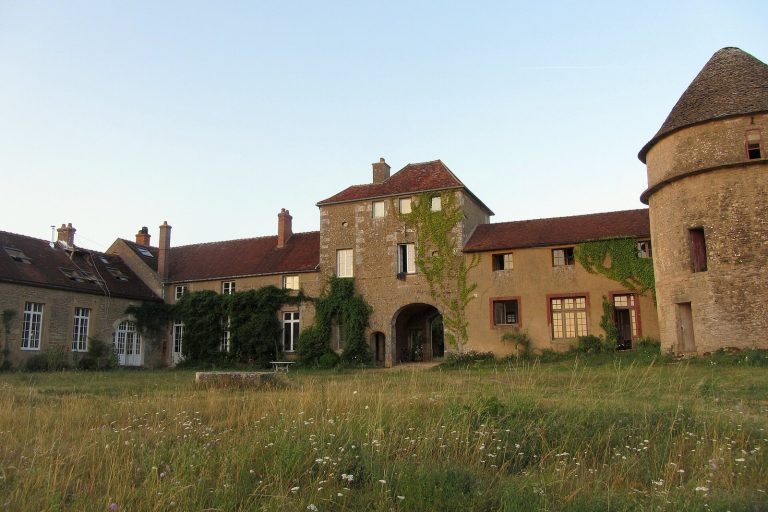
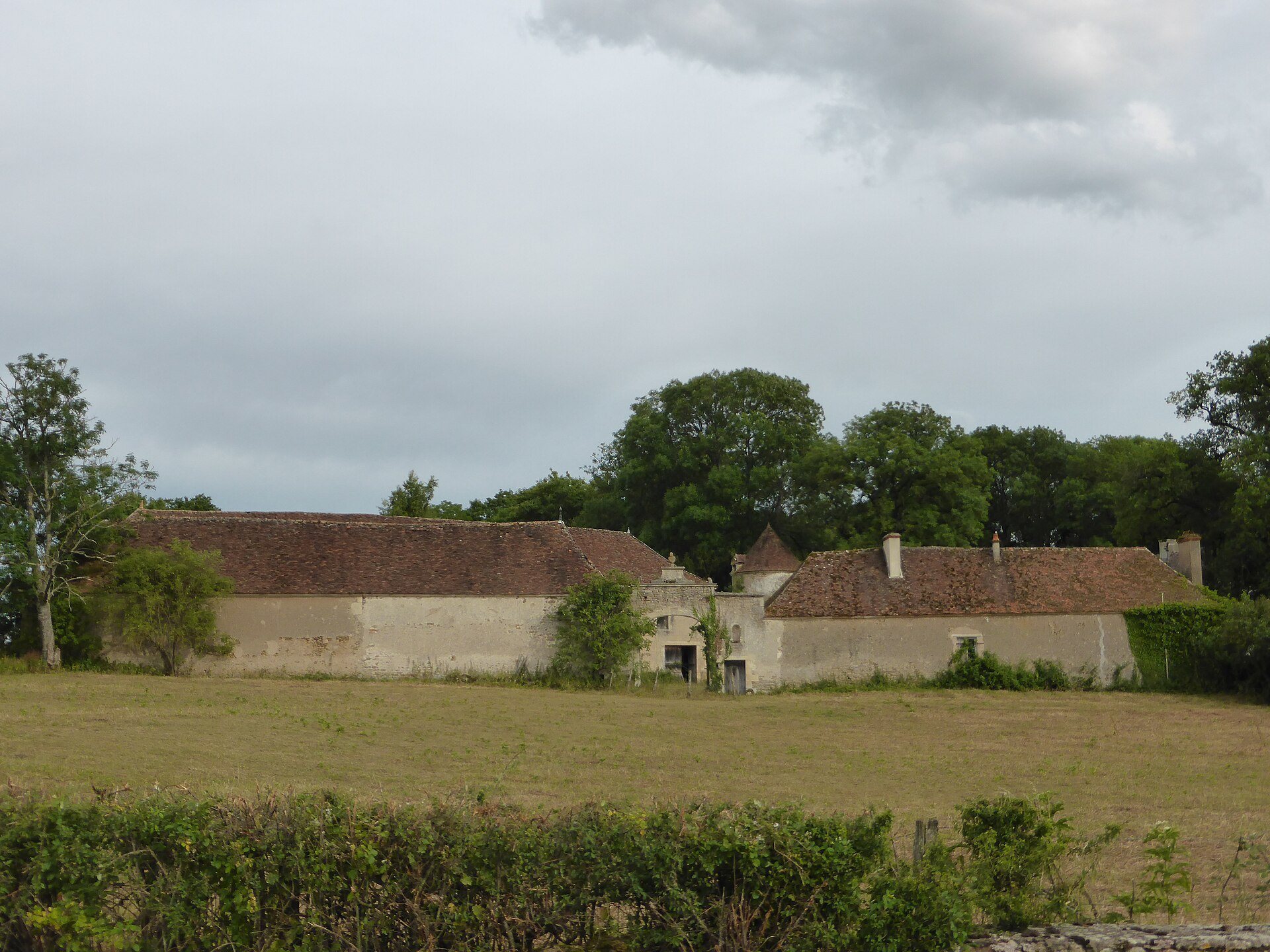
The château forms part of an estate characteristic of the Avallonnais and extending over slightly more than 5 hectares. Alongside the main residence are service buildings, a caretaker’s dwelling, stables, barns, and a dovecote. The estate also contains a leafy garden enclosure and a miraculous fountain concealed in the park.
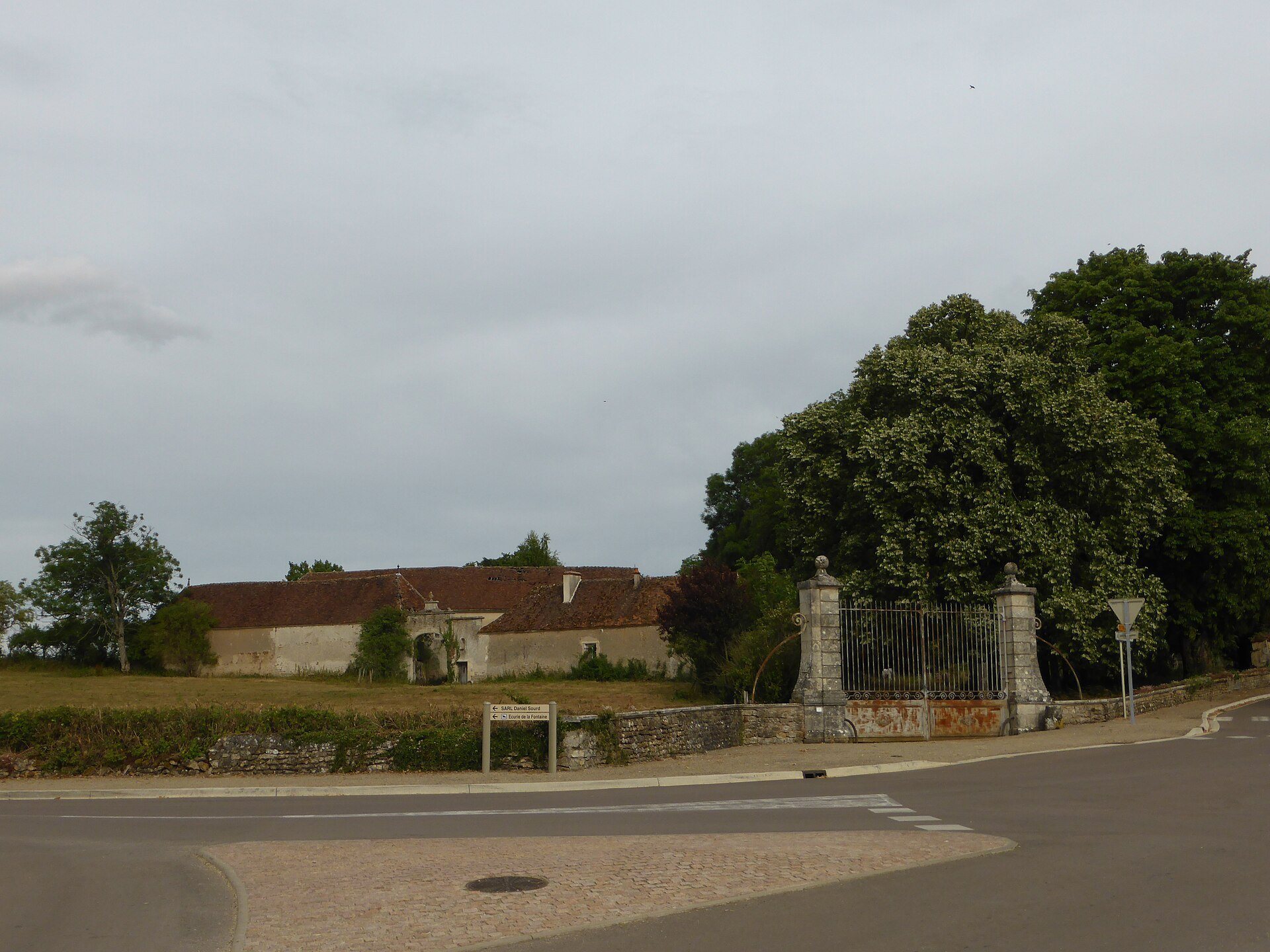
An initial courtyard was enclosed by the service and farm buildings. From there, a long grille interrupted by stone pilasters led to a smaller formal courtyard of honour. The pilasters were topped with sculpted vases, giving the entrance sequence an architectural character before the principal residence was reached.
The château and formal gardens
Main façade and heraldic features
The main building dates from the late seventeenth or early eighteenth century and has the balanced form of a classical residence. Its west side is occupied by the principal façade, whose central pavilion bears the Champion coat of arms, which remains visible. The façade also displays the motto TEGIT HAEC NECAT ALTERA. The arms show a running man on an azure field, fully armed and armoured in gold, holding a sword and a shield of the same metal.
Water features and garden enclosure
In front of the façade lies a rectangular basin flanked by two smaller round basins fitted with water jets. On the south side, a short flight of steps leads to French formal garden beds, a geometrically arranged garden system using symmetry, sculpture, fountains, and controlled enclosures. These beds contained statues and groups of carved stone.
High enclosing walls define the garden space. At intervals, they are decorated with rockwork grottoes, artificial rustic features made with stonework, framed in dressed stone and topped with sculpted vases and busts. The garden’s creator aimed to imitate Versailles within an area of less than one arpent, a historical French land measure whose size varied by region. Together, the walls, sculpture, basins, and garden beds form the ornamental setting of the classical château.