Egeskov Castle: A Renaissance Water Castle in Denmark
Site at a Glance
- Rating
- 4.6
- Popularity
- High
- Country
- Denmark
- Primary era
- Early Modern
- External website
- Open
- Eras represented
- Early Modern, Modern
- Civilizations
- Danish
- Site type
- Military
- Remains
- Castle
On this page14 sections
History
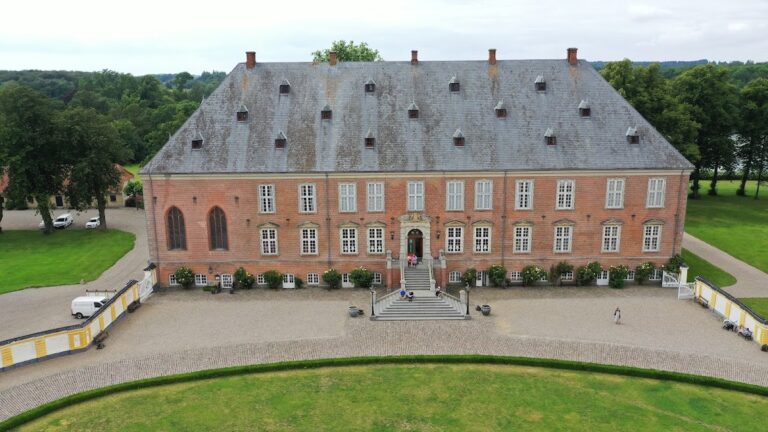
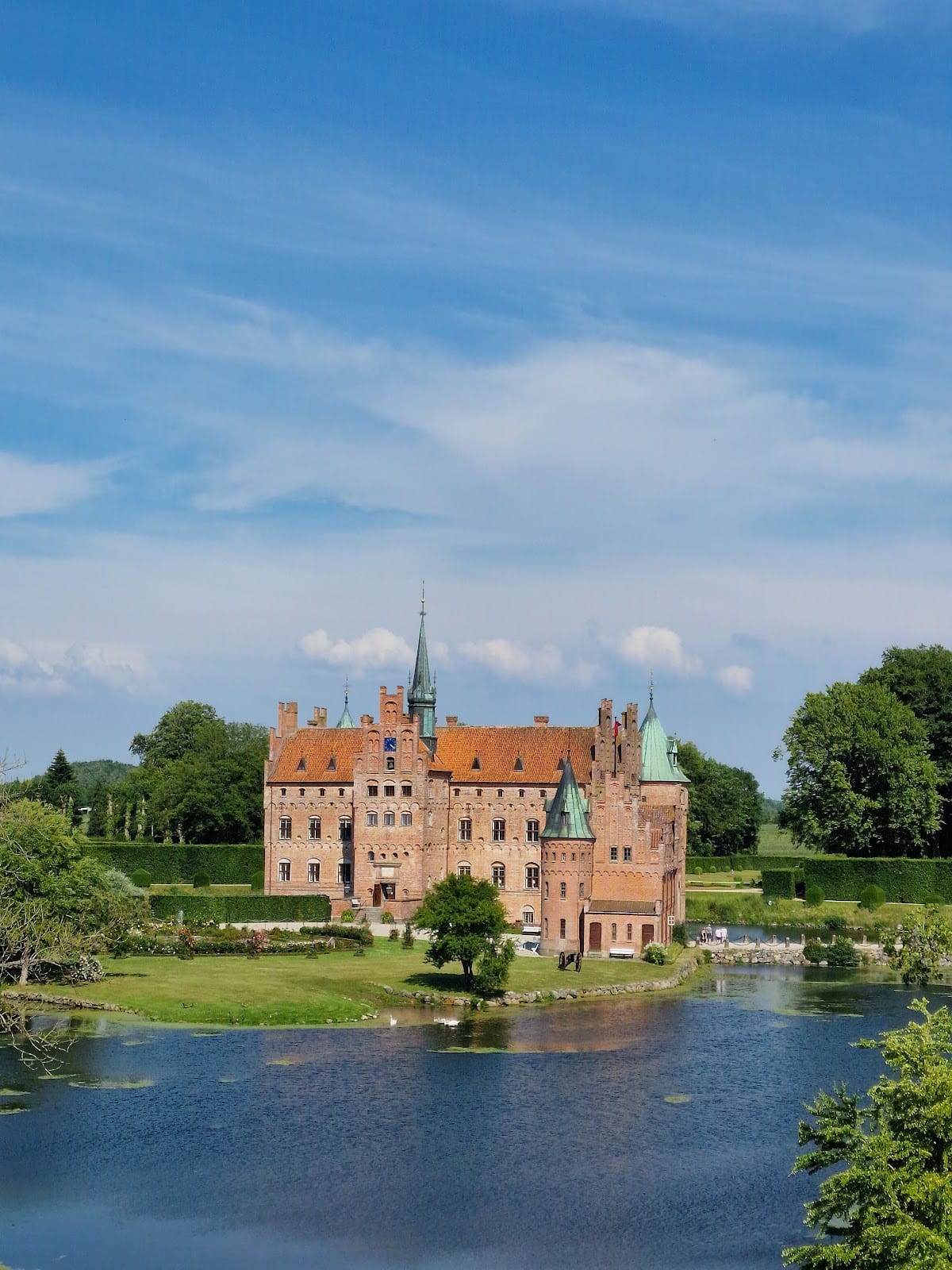
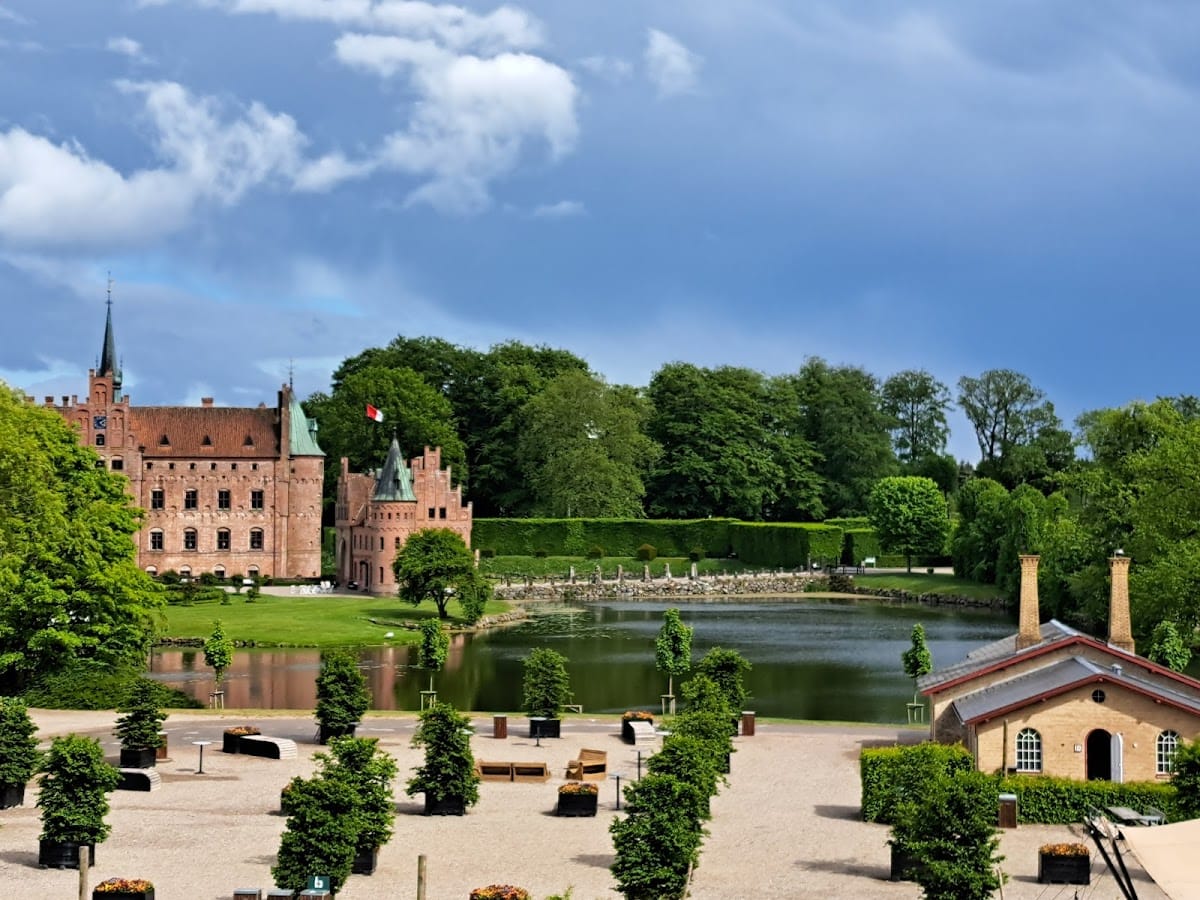
Egeskov Castle is a Renaissance water castle in Denmark, near Kværndrup on the island of Funen. Built by Danish landowners during the sixteenth century, the present castle was completed in 1554, with construction dated to 1524–1554. It was designed both as a residence and as a fortified refuge during a period of political and religious unrest.
From farm to fortified residence
The estate was first mentioned in 1405 as Egeskovgaard, a larger farm in the village of Egeskov. Members of the Skinkel family were its first known owners and held the property for about 150 years. In 1545, Anne Tinhuus brought the estate to Frands Brockenhuus as her dowry. Brockenhuus commissioned the castle that survives today.
Construction took place amid the Reformation, the sixteenth-century movement that challenged the authority and practices of the Roman Catholic Church, and the Count’s Feud of 1534–1536, a Danish civil war connected with disputes over the succession to the throne and religious change. Wider civil disorder encouraged Danish landowners to strengthen their residences. Egeskov’s moat, drawbridge, towers, gun openings, and other defensive arrangements suited this unsettled environment.
After Frands Brockenhuus died, the estate passed to his son Laurids Brockenhuus in 1569. It later moved through the Ulfeldt, Parsberg, Krag, and related aristocratic families. Henrik Bille-Brahe acquired Egeskov in 1784, and the estate remained with the Bille-Brahe family until it passed by inheritance to the Ahlefeldt-Laurvig-Bille family in 1882.
Family history and estate reform
Egeskov is also associated with the confinement of Rigborg Brockenhuus. In 1599, Laurids Brockenhuus imprisoned his daughter in a room at the castle after she had borne a child outside marriage with Frederik Rosenkrantz. Her initial sentence required lifelong confinement, with food delivered through an opening. After five years, the sentence was reduced so that she could visit the parish priest once a week. The room is now called Riborgstuen.
In 1811, Preben Bille-Brahe established Egeskov as a hereditary estate for his second-oldest son. This type of estate was legally restricted to a designated family line. Denmark’s reforms abolishing such arrangements dissolved the hereditary estate in 1925.
Modernization and public collections
Julius Ahlefeldt-Laurvig-Bille moved into Egeskov in 1883 and began extensive modernization and restoration under the Swedish architect Helgo Zettervall. The estate gained its own dairy, power station, and railway track to Kværndrup, helping establish the economic foundations of a large modern farm. The former Egeskov Mill, built between 1848 and 1855, was sold in 1926 and is now owned by Svendborg Museum.
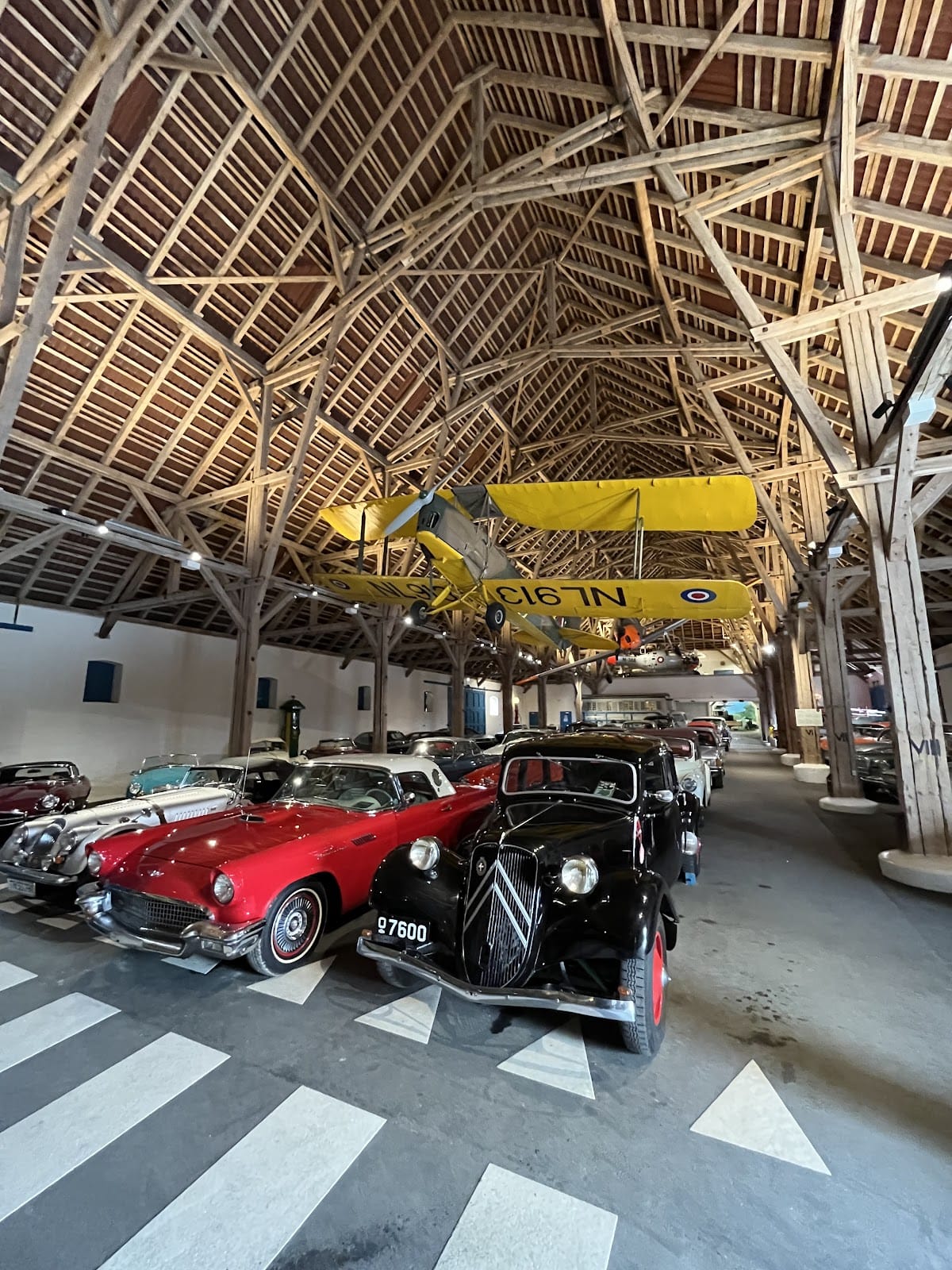
The park has been open to the public for several generations, while the castle itself opened to visitors in 1986. The knight’s hall was restored in 1975, and many rooms have been accessible during the visitor season since 1986. A veteran-vehicle museum began in a former barn in 1967 and later expanded into farm buildings and three large modern halls. Other collections developed around agriculture, horse carriages, Falck rescue vehicles, aircraft, helicopters, motorcycles, bicycles, mopeds, and toys.
Since 1994, Egeskov has been owned by Michael Preben Ahlefeldt-Laurvig-Bille, with Princess Alexandra of Sayn-Wittgenstein-Berleburg also identified as a co-owner. The estate remains an agricultural property of about 1,137 hectares, including approximately 235 hectares of woodland. A full-scale copy of the castle was built in Hokkaido, Japan, under Claus and Louisa Ahlefeldt-Laurvig-Bille as a setting for a large aquarium.
Remains
Egeskov stands as a fortified residence surrounded by water. The castle rests on oak piles driven into a small lake with a maximum depth of about five metres. Its name means “oak forest” and is traditionally linked with the claim that a whole oak forest was felled for the foundations. The surviving estate combines the castle, gardens, agricultural buildings, museums, and exhibition halls.
The castle and its defenses
Double-house structure
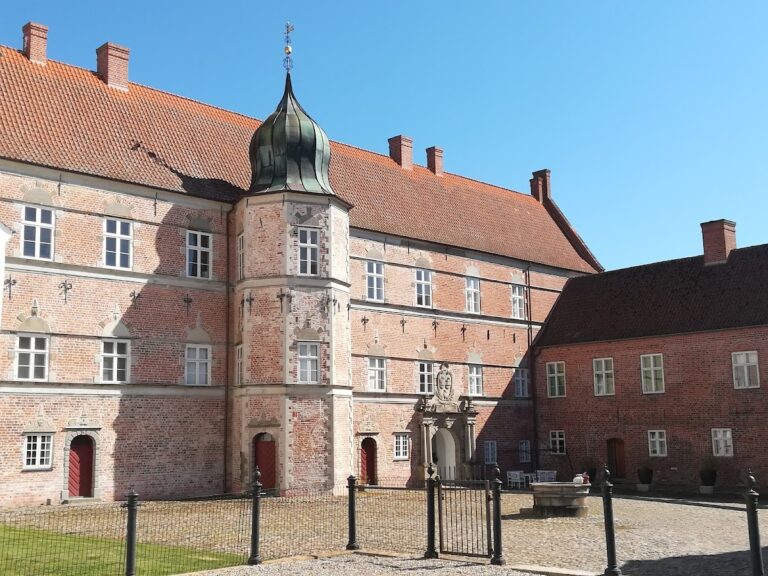
The main building consists of two long houses with separate gables, joined by a thick double wall about one metre wide. Concealed stairs run within the wall, which also contains a well. A kitchen servant in the eastern building used this water source. The arrangement allowed defenders to abandon one building and continue resistance from the other during a siege.
Moat and defensive features
The original approach was across a drawbridge, a bridge that could be raised to restrict entry. The outer defenses include about 60 gun openings, some now blocked, together with machicolations, defensive openings for dropping solid or liquid materials, embrasures, and narrow firing slits. Two-level corner towers enabled defenders to engage attackers from the flanks. The towers were built in separate sections and have rounded corner forms.
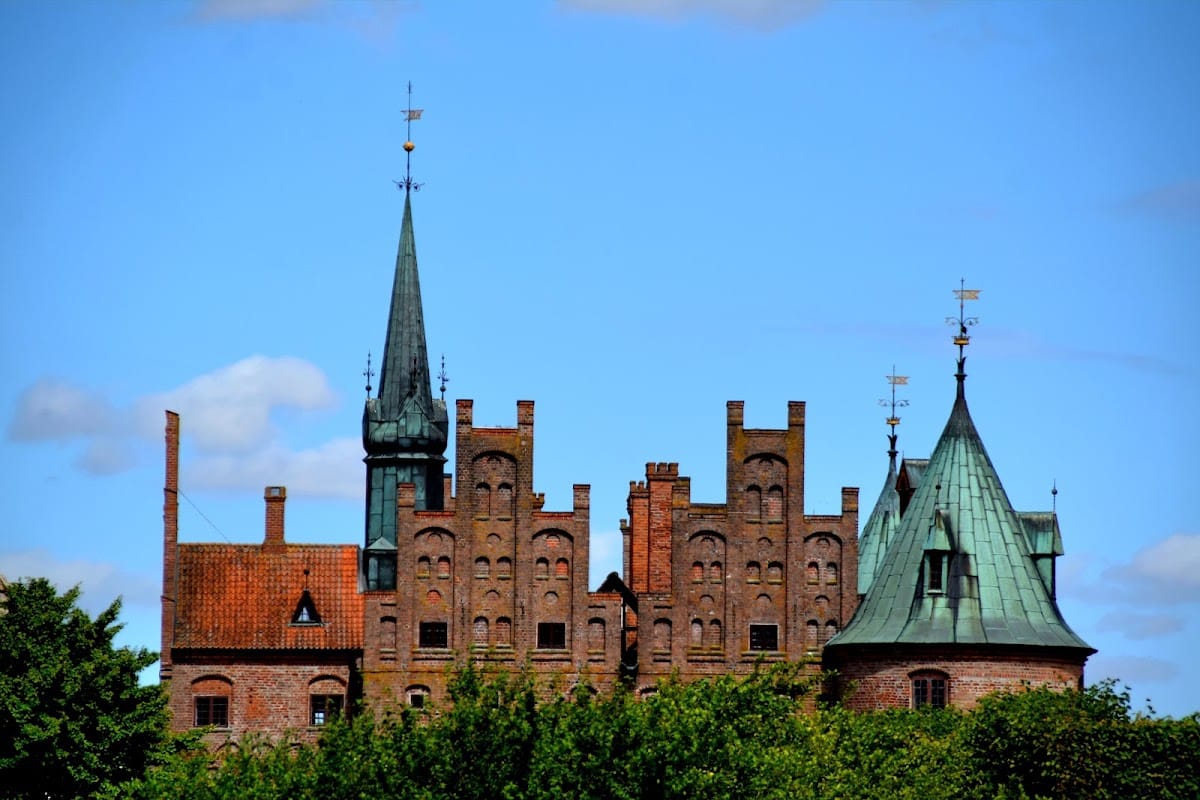
Egeskov is constructed from large medieval “monk bricks.” Its exterior has a late Gothic character, while the interior uses early Renaissance forms. Reduced and round-arched windows, rounded arches, vaulted arcades, and a two-course horizontal band between the high basement and first floor contribute to the architectural design. The castle also contains early internal sanitary installations using vertical waste shafts.
Interiors and later alterations
Several large rooms retain massive parallel open beams, some with carved ends. The interiors contain antique furniture, paintings, and hunting trophies. The castle has 66 rooms, about 200 windows, 2,062 individual panes of glass, six bathrooms, and 171 doors.
The entrance arrangement was changed in the nineteenth century. During Zettervall’s restoration, the tower roofs were raised, the crow-stepped gables were reinstated, and a gatehouse was added. Riborgstuen contains Titania’s Palace, a dollhouse made over 15 years by Sir Nevile Wilkinson for his daughter. It consists of more than 3,000 pieces.
Park and garden features
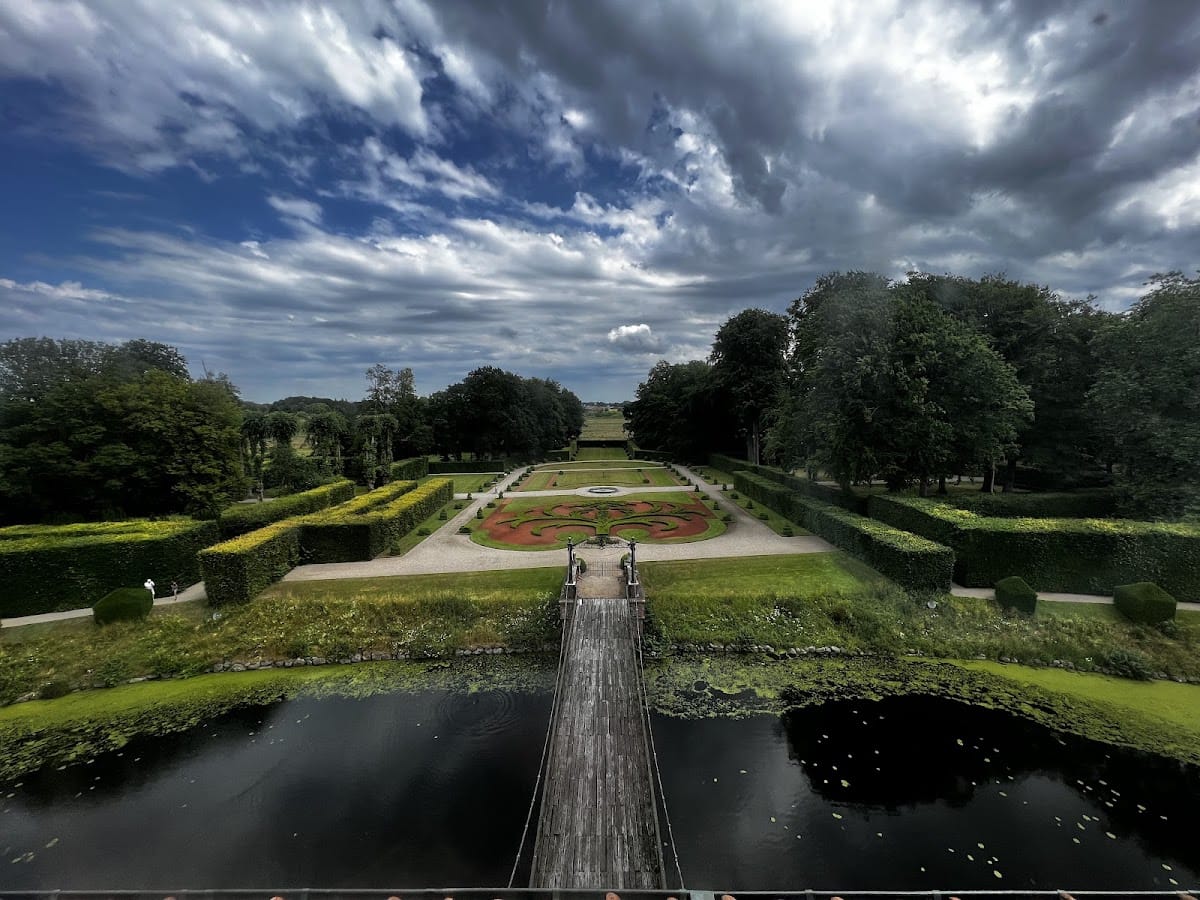
The castle park covers about 20 hectares. It includes a Baroque-style garden, clipped hedges dating from 1730, tree avenues, a fuchsia garden, and several labyrinths. One avenue is about 100 metres long and reaches up to 15 metres in height. The gardens contain about 1,375 varieties of fuchsia.
Historic and designed labyrinths
The original beech labyrinth was created in 1730 for the family’s entertainment and is maintained in a closed condition for its protection. A yew labyrinth designed by Piet Hein was created in 1989, with the 11-metre-high sundial Helix Helios at its centre. Hein also designed a willow labyrinth that opened in 1990 to replace an earlier beech labyrinth. A bamboo labyrinth with a Chinese tower was used before the bamboo was removed after flowering created a fire risk. A newer larch labyrinth designed by Count Claus Ahlefeldt lies outside the park.
Agricultural and transport collections
Ladegård and agricultural museum
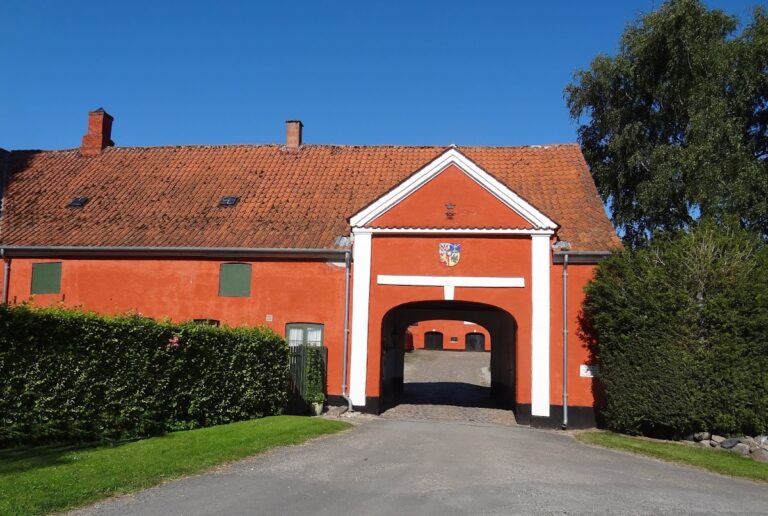
The estate’s Ladegård is a thatched, half-timbered building that houses the agricultural museum and the horse-carriage collection. These collections occupy part of the historic farm complex and preserve the material history of the estate’s agricultural activities.
Vehicle and rescue museums
Three large modern halls contain veteran-vehicle collections including cars, motorcycles, mopeds, bicycles, aircraft, helicopters, fire engines, and other vehicles. The Falck Museum presents the history and rescue vehicles of the Danish Falck organization, including fireboats, ambulances, and rescue boats. Across the estate, the museum exhibition area covers approximately 10,000 square metres, and the largest exhibition buildings have ceilings up to 20 metres high.
The castle and surrounding estate function as a museum complex, while some residential areas remain private. The present park form derives from restoration work begun in 1959, linking the surviving historic landscape with the estate’s continuing agricultural and cultural use.