Santa Maria del Buon Aiuto nell’Anfiteatro Castrense: A Roman Catholic Oratory in Rome
Site at a Glance
- Popularity
- Medium
- Country
- Italy
- Primary era
- Medieval
- Eras represented
- Medieval
- Civilizations
- Papal States
- Site type
- Religious
- Remains
- Chapel
On this page8 sections
History
Santa Maria del Buon Aiuto nell’Anfiteatro Castrense is a Roman Catholic oratory in Rome, Italy, built in 1476 at the direction of Pope Sixtus IV. Dedicated to Mary as Our Lady of Good Help, it replaced an older church at the same site.
The medieval church
The predecessor was probably built shortly before 1100 and supported by offerings from worshippers. It was known as Santa Maria de Oblationario, a name linked to an oblationarius, the monk who received a monastery’s donations. Pilgrims left coins near the altar, and a custodian gathered them each evening. By the thirteenth century, the church was also called Santa Maria de Spazolaria or Spezzellaria. Spazolaria is thought to derive from the Italian word for sweeping. The name was also associated with a small shrine, or edicule, near the Basilica of Santa Croce in Gerusalemme, where the Marian image later placed in the oratory had been kept.
Rebuilding and later history
In 1476, Sixtus IV ordered the abandoned, deteriorated church demolished and a new one built. Tradition connects this decision with a journey between the basilicas of San Giovanni in Laterano and Santa Croce in Gerusalemme. Caught in a violent storm, the pope is said to have taken shelter at the edicule and prayed to Mary. After reaching safety, he ordered the image moved and the church erected in gratitude. Sixtus IV was pope from 1471 to 1484.
The oratory belongs to the parish and basilica of Santa Croce in Gerusalemme, within the Diocese of Rome. It is cared for by the Confraternity of Mary Most Holy of Good Help and Saints Benedict and Bernard, a religious association organized around devotion. The confraternity was formerly dependent on the Cistercians of Santa Croce, a Catholic monastic order. The church underwent restorations in 1836 and 1880.
Remains
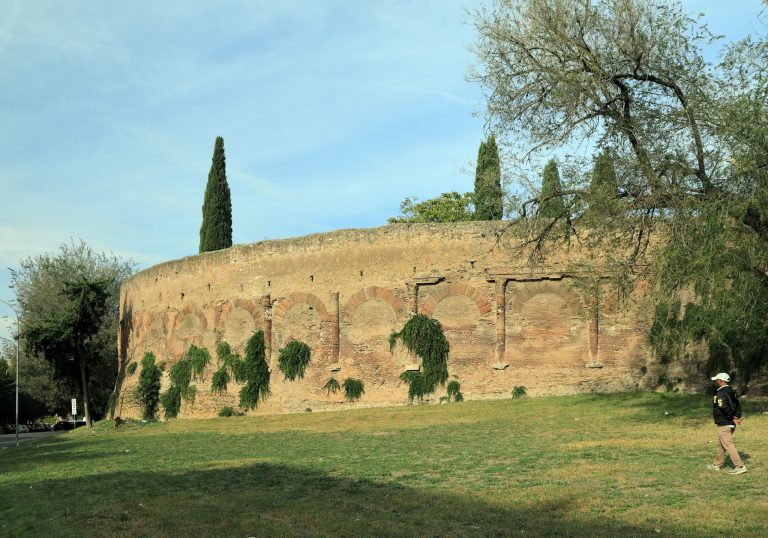
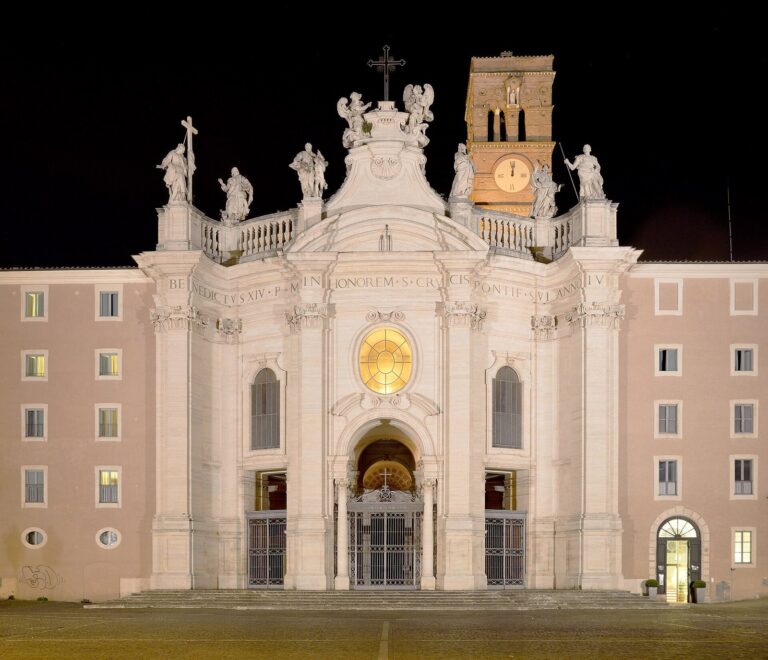
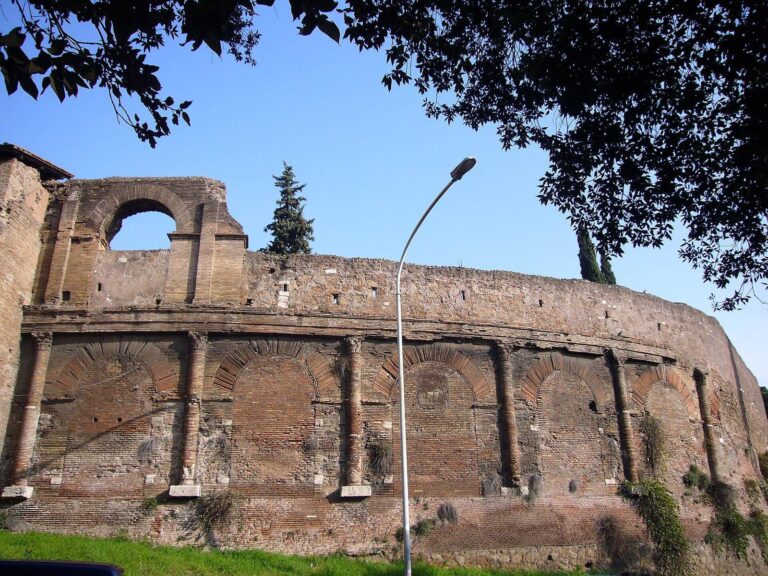
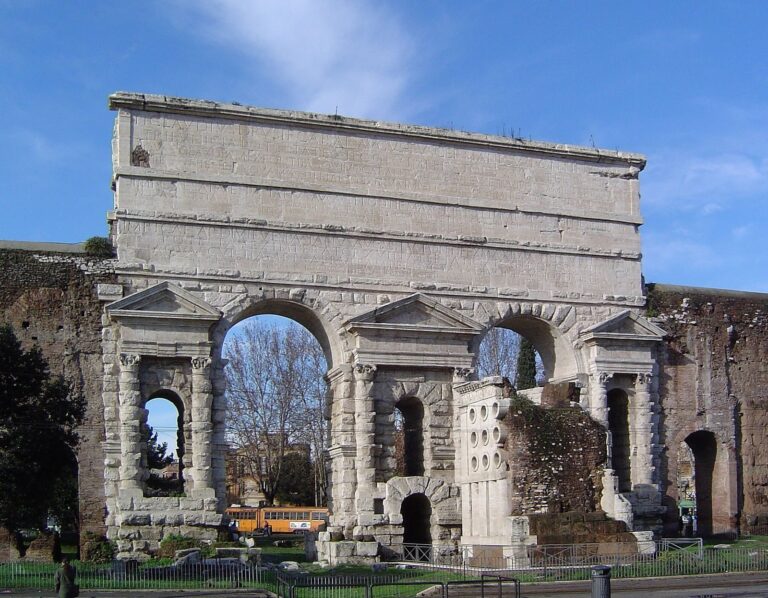
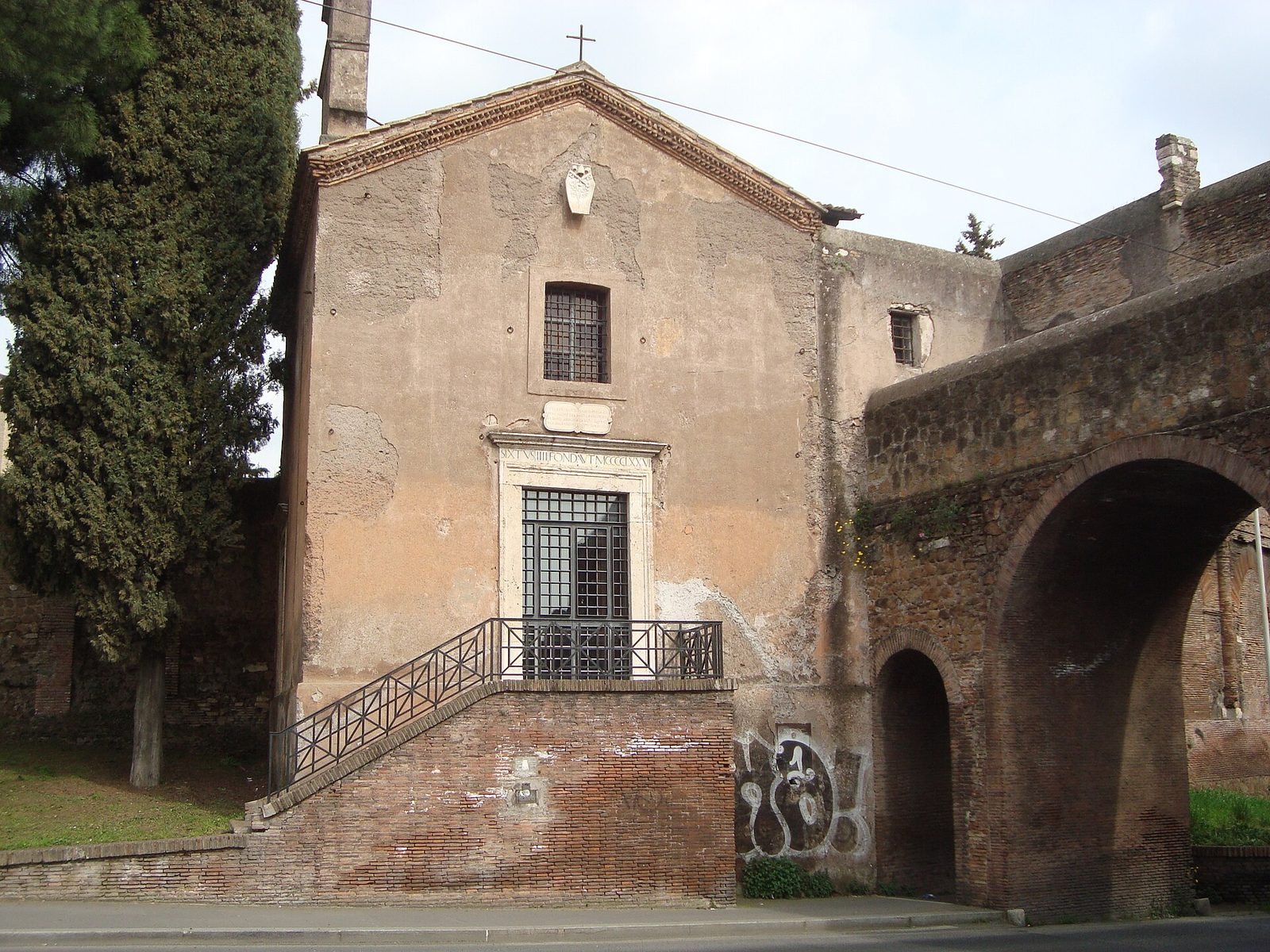
Located at Piazza di Santa Croce in Gerusalemme and Via Nola, the church is attached to the Aurelian Walls and the Castrense Amphitheatre. Its exterior is simple, while the interior has a rectangular plan.
The church fabric
Façade
The façade has a gabled roof, a window, and a small bell tower above the window. A travertine architrave, a horizontal member spanning an opening, tops the entrance; travertine is a type of limestone.
Interior and altar image
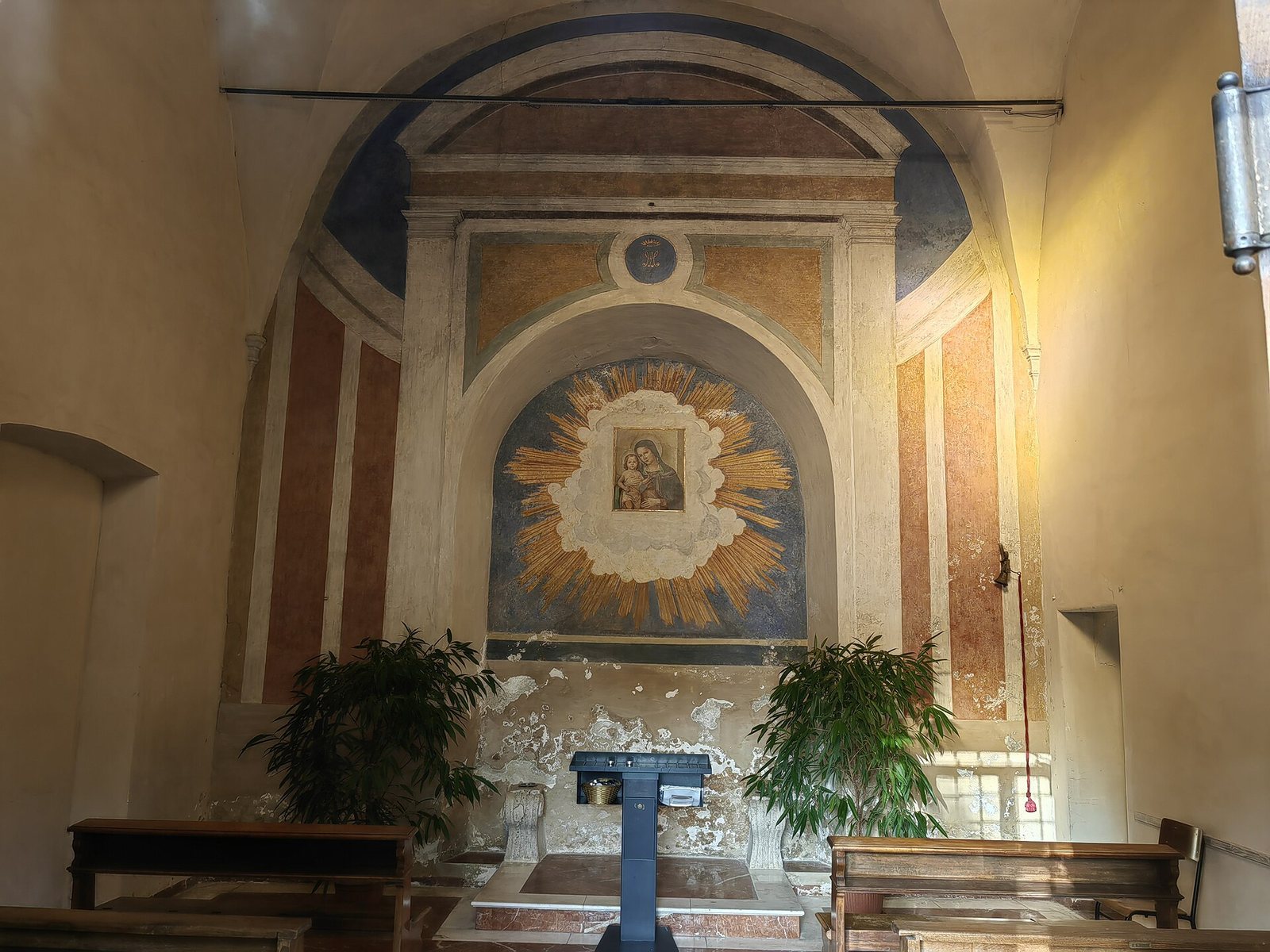
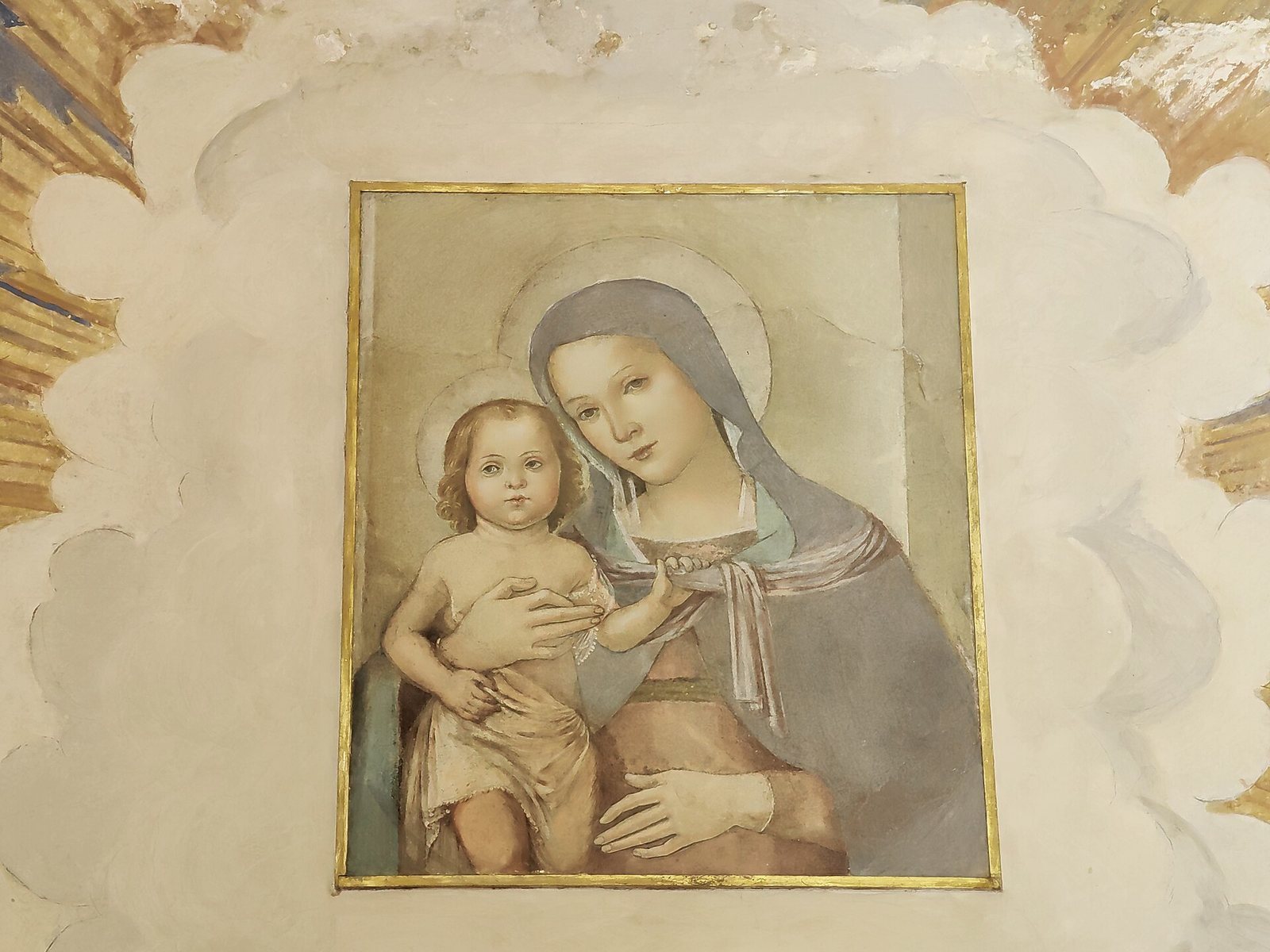
Inside, a cross vault, formed by intersecting vaulted sections, rests on polygonal half-pillars. Their Corinthian capitals are ornate, foliage-decorated column tops. Above the altar is a fresco of the Virgin and Child, identified as Our Lady of Good Help. It dates to 1476 and is attributed to Antoniazzo Romano, an Italian painter of the fifteenth century.
Inscriptions
An inscription above the entrance credits Sixtus IV with founding the church in 1476. A plaque above it asks for prayers for souls in purgatory and states that the pope, described as being of holy memory, enlarged the holy place.