Yamada Uenoyama Kofun: A Burial Mound Traditionally Linked to Emperor Kōtoku
Site at a Glance
- Rating
- 3.9
- Popularity
- Low
- Country
- Japan
- Primary era
- Medieval
- Eras represented
- Medieval
- Civilizations
- Yamato
- Site type
- Burial
- Remains
- Burial Mound
On this page4 sections
History
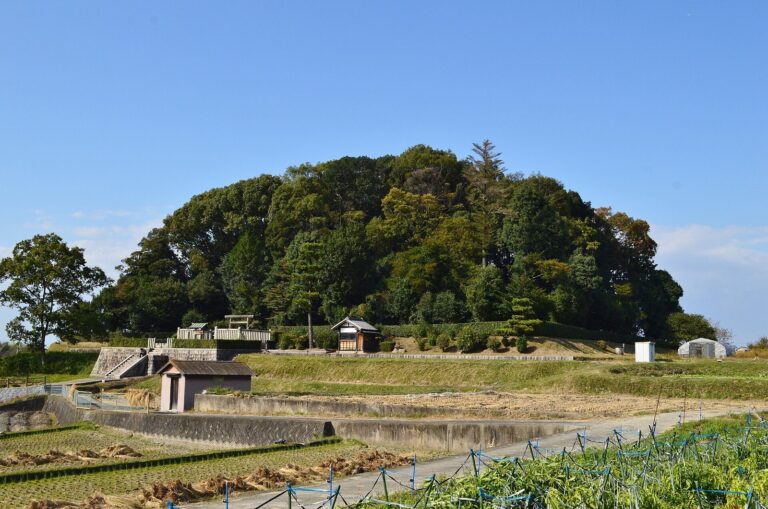
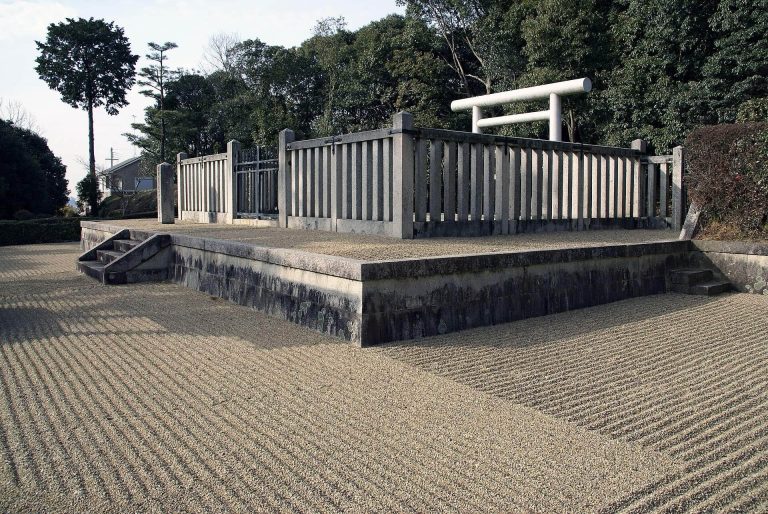
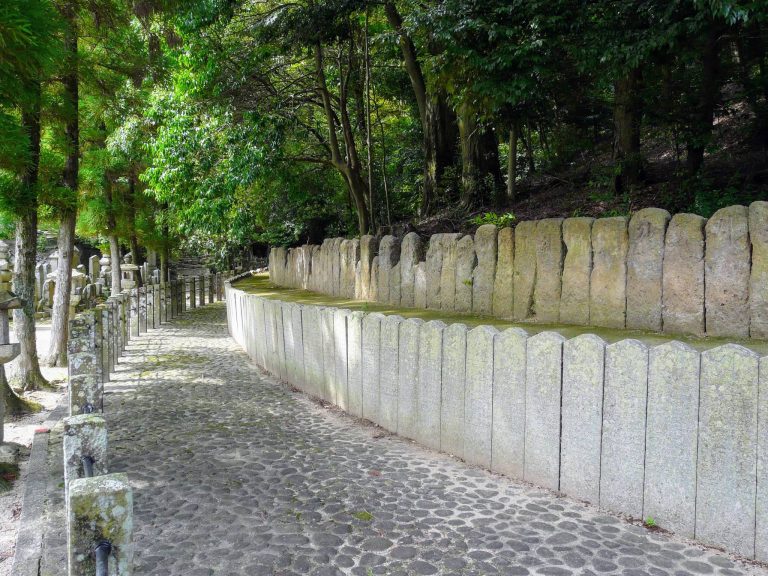
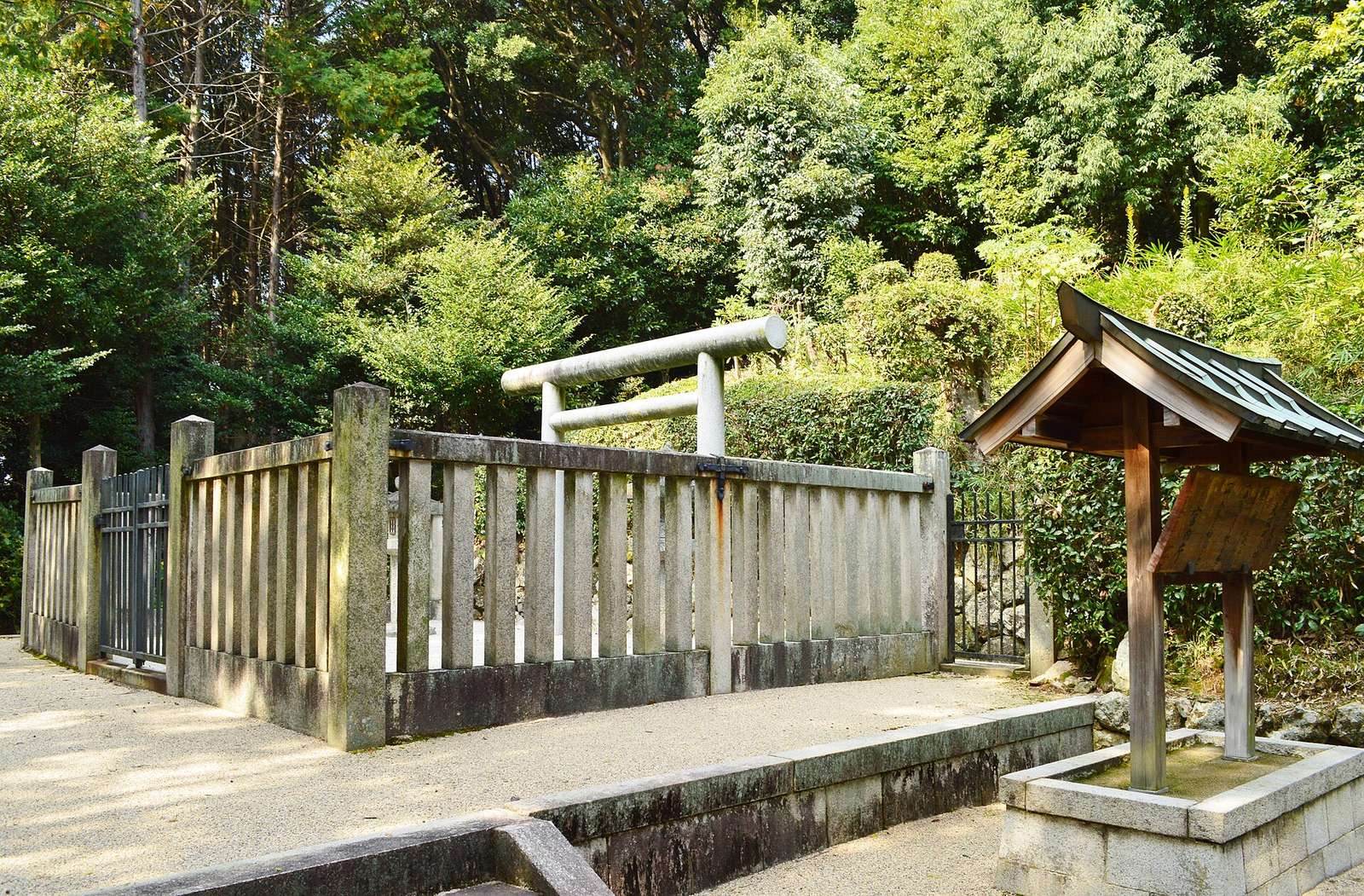
Yamada Uenoyama Kofun is a Japanese burial mound at Yamada in Taishi Town, Osaka Prefecture, Japan. The Imperial Household Agency administers it as the mausoleum of Emperor Kōtoku, Japan’s 36th emperor, but the occupant is unknown and the identification has been questioned. The mound belongs to a valley also associated with the traditionally identified tombs of emperors Bidatsu, Yōmei, and Suiko, and of Prince Shōtoku, a prominent political figure. These sites are collectively called the Umebachi Imperial Tombs, a name referring to a stylized plum-blossom motif.
Records and imperial identification
The Nihon Shoki, an early Japanese chronicle, states that Kōtoku died in October 654 and was buried that December at the Osaka Shinaga Mausoleum. The Engishiki, a compilation of court regulations and ritual procedures, lists his mausoleum in Ishikawa District of Kawachi Province as a distant mausoleum.
During the Genroku era of the Edo period, a search for imperial tombs identified this mound as Kōtoku’s tomb. Furuichi was another traditional location proposed for his burial. The Imperial Household Agency’s management of the site has meant that no full-scale investigation has taken place.
Later names and interpretations
In the Edo period, the mound was called Kitayama Mausoleum and was also known as Uguisu Mausoleum. The Kawachi Illustrated Guide to Famous Places linked it with the Uguisu Mausoleum mentioned in The Pillow Book, a work of Japanese court literature. Uguisuzuka Kofun in Nara has also been proposed as the place referred to in the text.
Repairs and improvements to the worship area took place in 1864. The mound’s identification as a seventh-century royal tomb has been questioned. One interpretation connects its small size with an edict issued during Kōtoku’s lifetime that called for restraint in the scale of funerals.
Remains
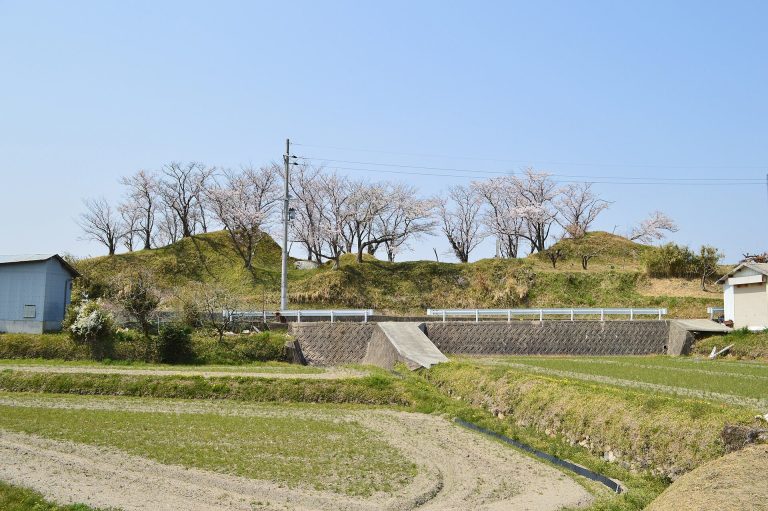
The mound is circular, measures 32 metres in diameter, and faces southwest. It occupies the end of a ridge extending west from Mount Nijō, in a valley at the mountain’s foot. The Takeuchi Kaidō passes in front of the ridge.
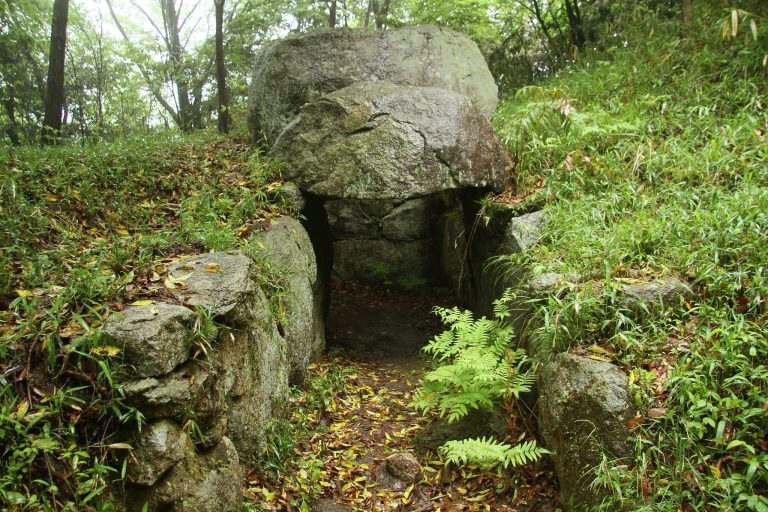
The burial facility remains unidentified. A mirror decorated with a sea beast and grapes is said to have come from a smaller mound associated with the main burial mound, although its precise findspot is unclear.