Mio Shrine: Onjoji’s Southern Guardian Shrine
Site at a Glance
- Popularity
- Medium
- Country
- Japan
- Primary era
- Medieval
- Eras represented
- Medieval
- Civilizations
- Ashikaga shogunate
- Site type
- Religious
- Remains
- Sanctuary
On this page8 sections
History
Mio Shrine is a Shinto shrine in Japan that served as the southern guardian shrine of Onjoji, a Buddhist temple. Its history is linked to traditions about Izanagi, a Shinto kami (sacred deity), and to its establishment in 859 as a guardian shrine within the temple precinct.
Izanagi and the Three Manifestations
A foundation tradition says that Izanagi descended on Mount Nagara wearing red, white, and black bands around his waist. Because the bands resembled tails, he became known as the Mio deity, worshipped by local people as the mountain’s guardian. The tradition identifies all three manifestations as Izanagi himself. It also explains the valley’s name with a story of heavenly beings descending beside its clear stream to play zithers and flutes, dance, sing, and comfort the deity.
The red manifestation, regarded as principal, appeared at a mountain-valley shrine at a time and in a direction associated with the Hare. The white manifestation appeared at the present shrine site during the Taihō era (701–704), while the black manifestation appeared on March 14, 769, east of the present Nagara Elementary School. The latter two places became temporary stops for processions carrying the portable shrine.
Guardian Shrine at Onjoji
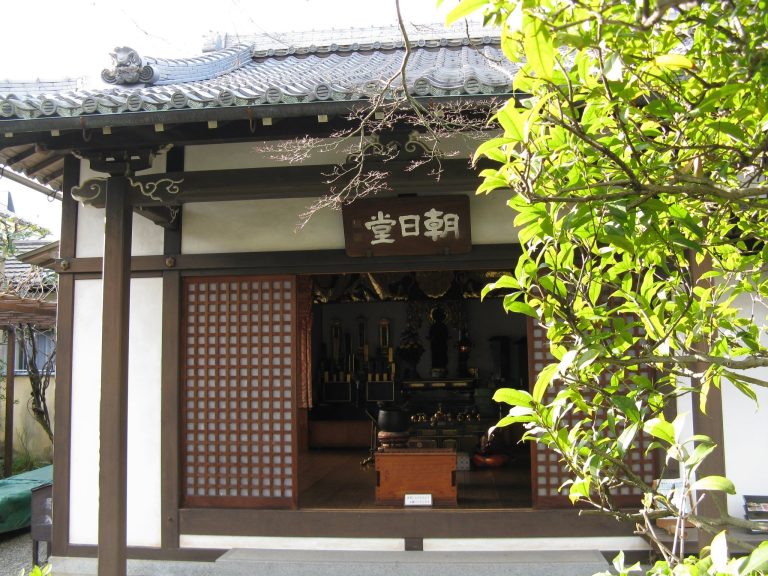
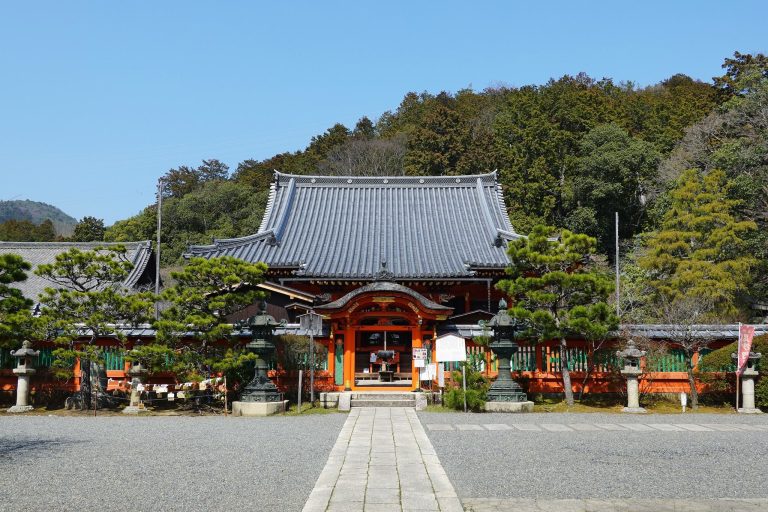
In spring 859, the Buddhist monk Enchin established a shrine to the red manifestation in Onjoji’s western valley. It served as the temple’s guardian shrine and was known as Mio Shrine and Upper Mio Shrine. Tradition says the deity had awaited Enchin to protect his teachings. As Onjoji developed, Shinra Shrine guarded its northern precinct and Mio Shrine its southern precinct. A nearby hall enshrined Fugen Bodhisattva, a being who seeks awakening for the benefit of others. Fugen was regarded as the Buddhist source figure corresponding to the Mio deity, and an associated religious institution conducted the shrine’s rites.
Relocation and Later History
In 1595, after Toyotomi Hideyoshi confiscated Onjoji’s lands, the temple’s buildings were dismantled, but the main halls of Shinra Shrine and Mio Shrine were spared. Hideyoshi arranged repairs to the shrine buildings during the Keichō era (1596–1615).
Following the separation of Shinto and Buddhism, Mio Shrine moved on May 12, 1876, from Onjoji’s precinct to its present site, formerly the white manifestation’s procession station. Its main hall and other buildings were transferred, and the shrine became independent. It was ranked as a village shrine in 1881 and elevated to prefectural-shrine status in 1910. In 1889, the Ministry of Home Affairs granted funds for the preservation of old shrines. The Lake Biwa Canal, linking Lake Biwa with Kyoto, was built immediately south of the shrine grounds in 1890. The main hall is protected as an Important Cultural Property, a category of heritage designated under Japanese law.
Remains
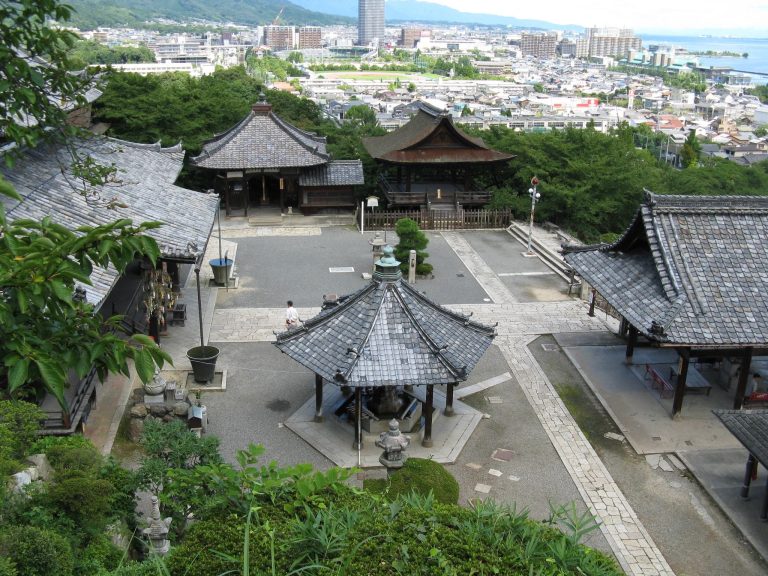
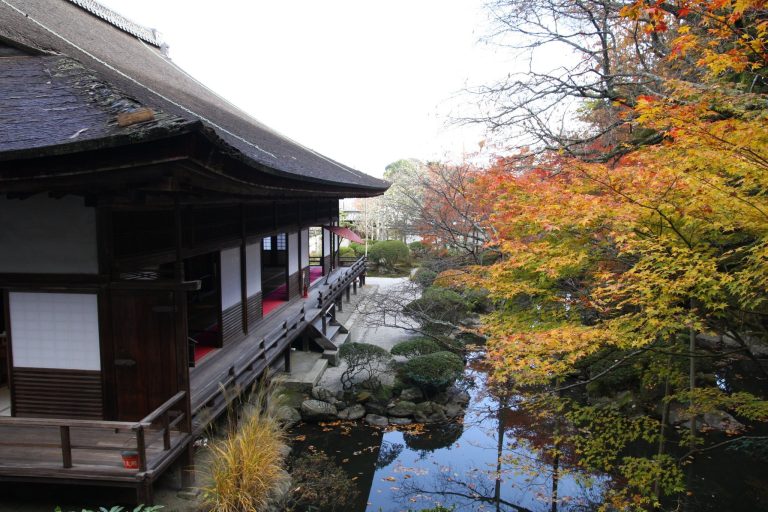
The present grounds bring together the main shrine buildings, supporting structures, and subsidiary shrines. The shrine’s earlier precinct within Onjoji is now a separate cemetery area.
Main Hall and Precinct Buildings
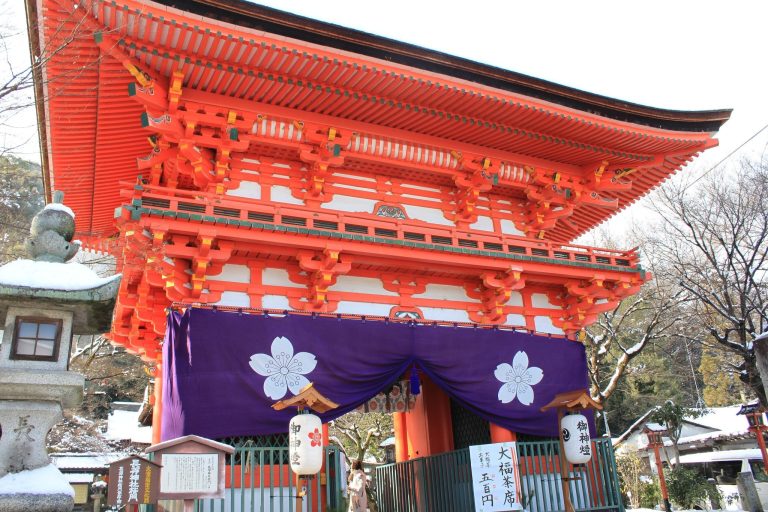
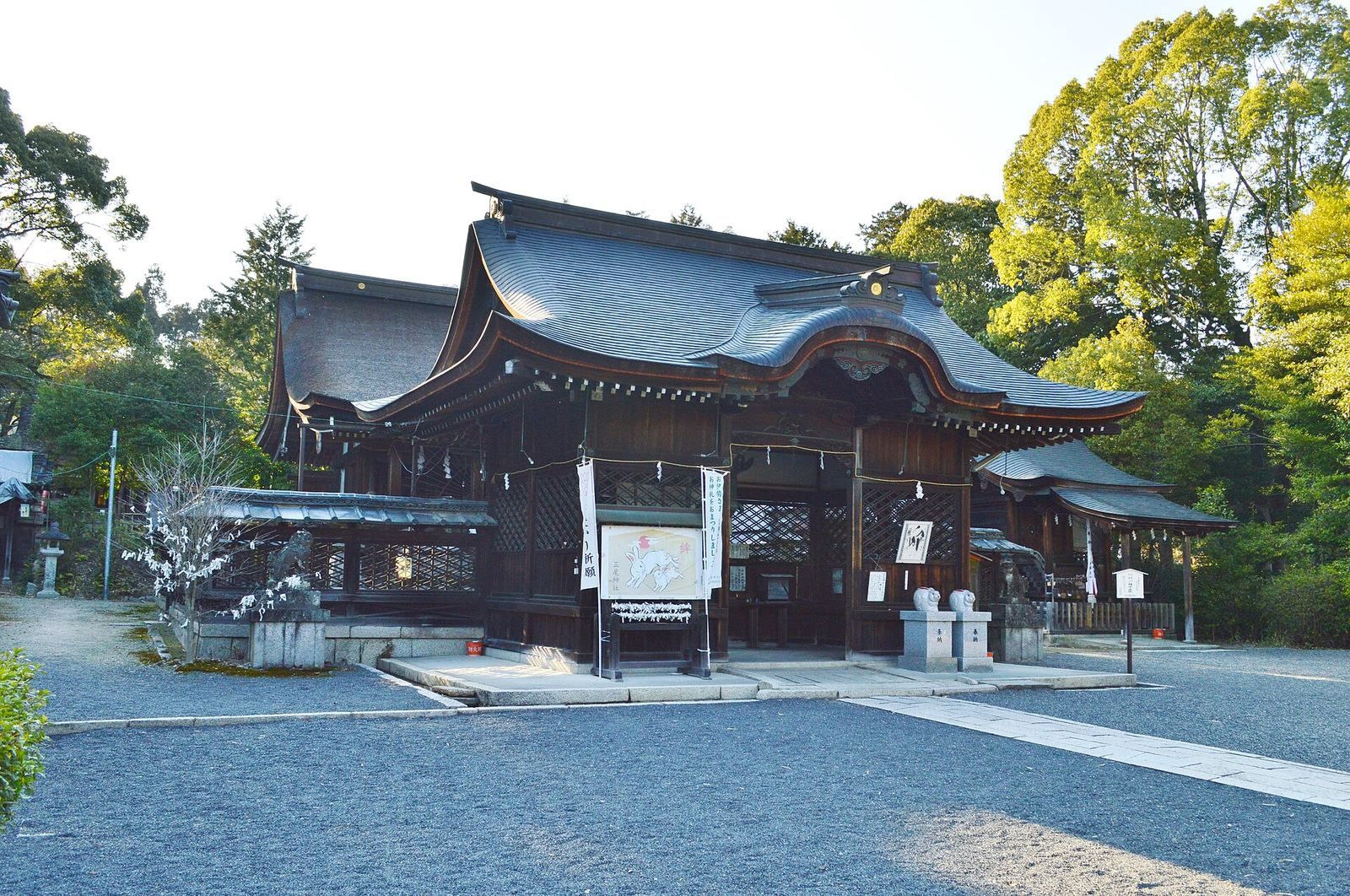
The surviving main hall dates to a rebuilding in 1426 by Ashikaga Yoshimochi, a former shogun, or military ruler of Japan. Associated items include a ridgepole tablet, three pieces of old timber, and three volumes concerning the building’s construction: an order for the work, an order for the carpenters, and a construction record. Other buildings on the grounds include a worship hall, west gate, shrine office, shrine gate, and dance pavilion. Onjoji lies beyond the west gate.
Subsidiary Shrines and Grounds
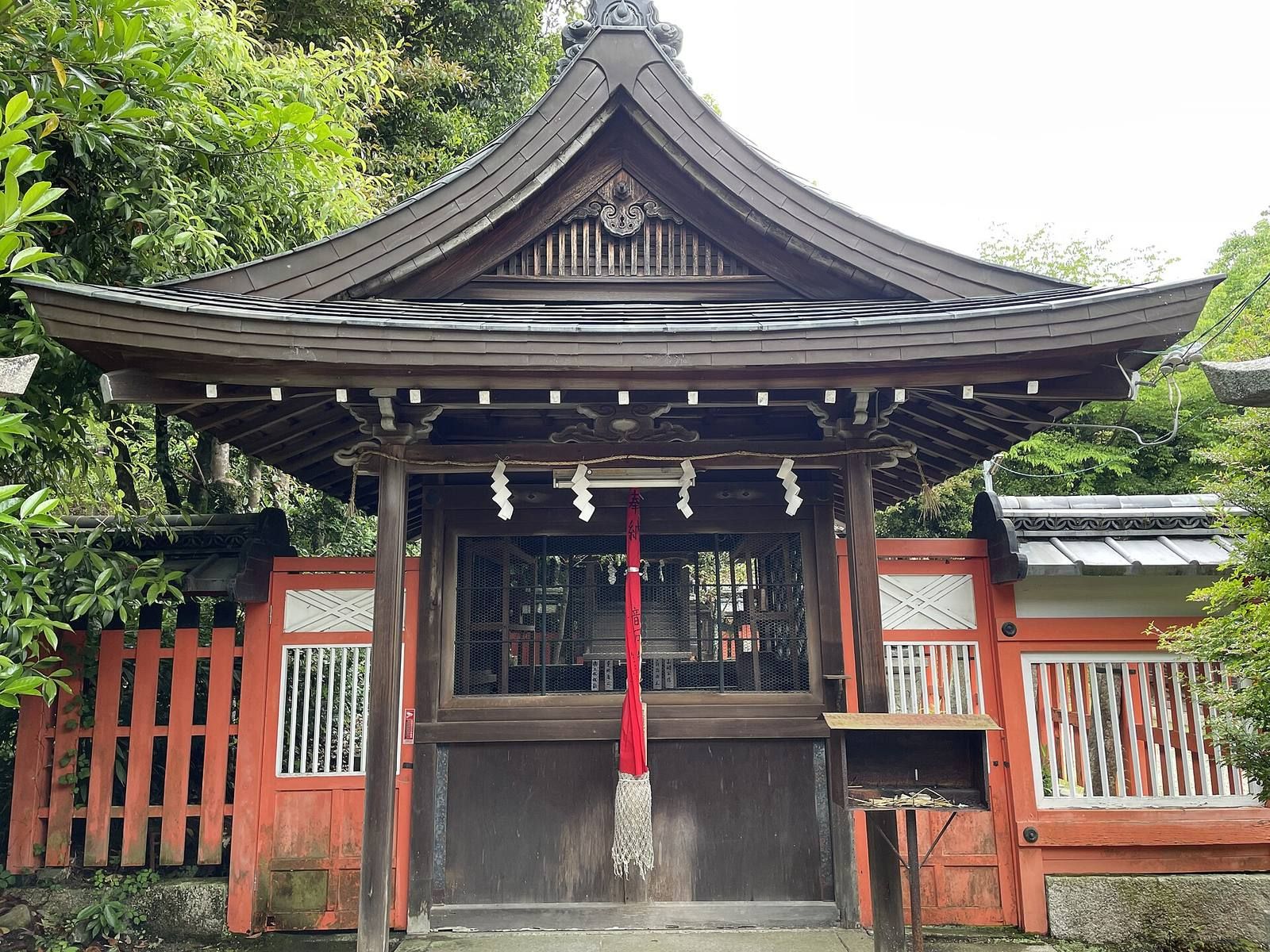
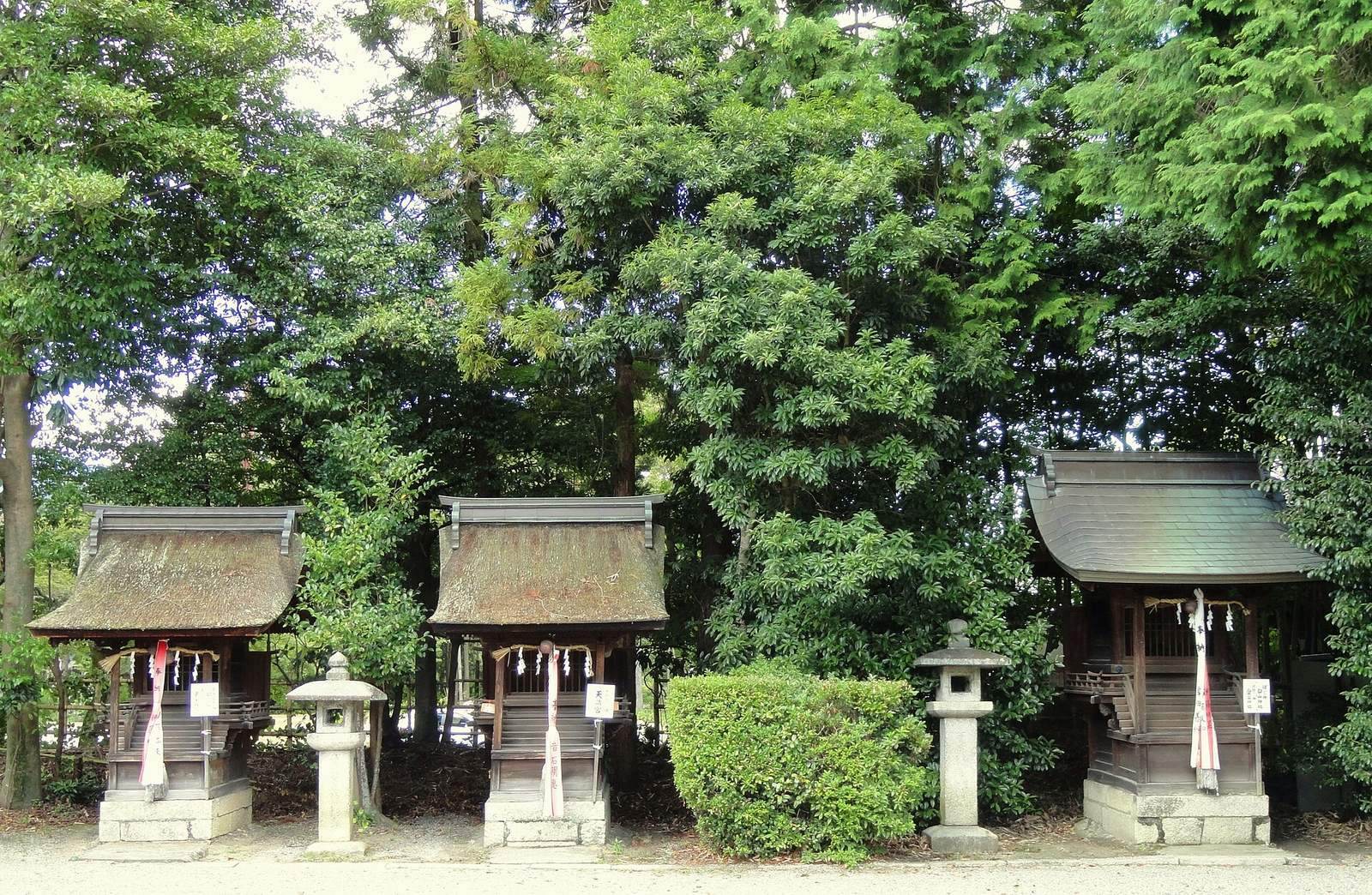
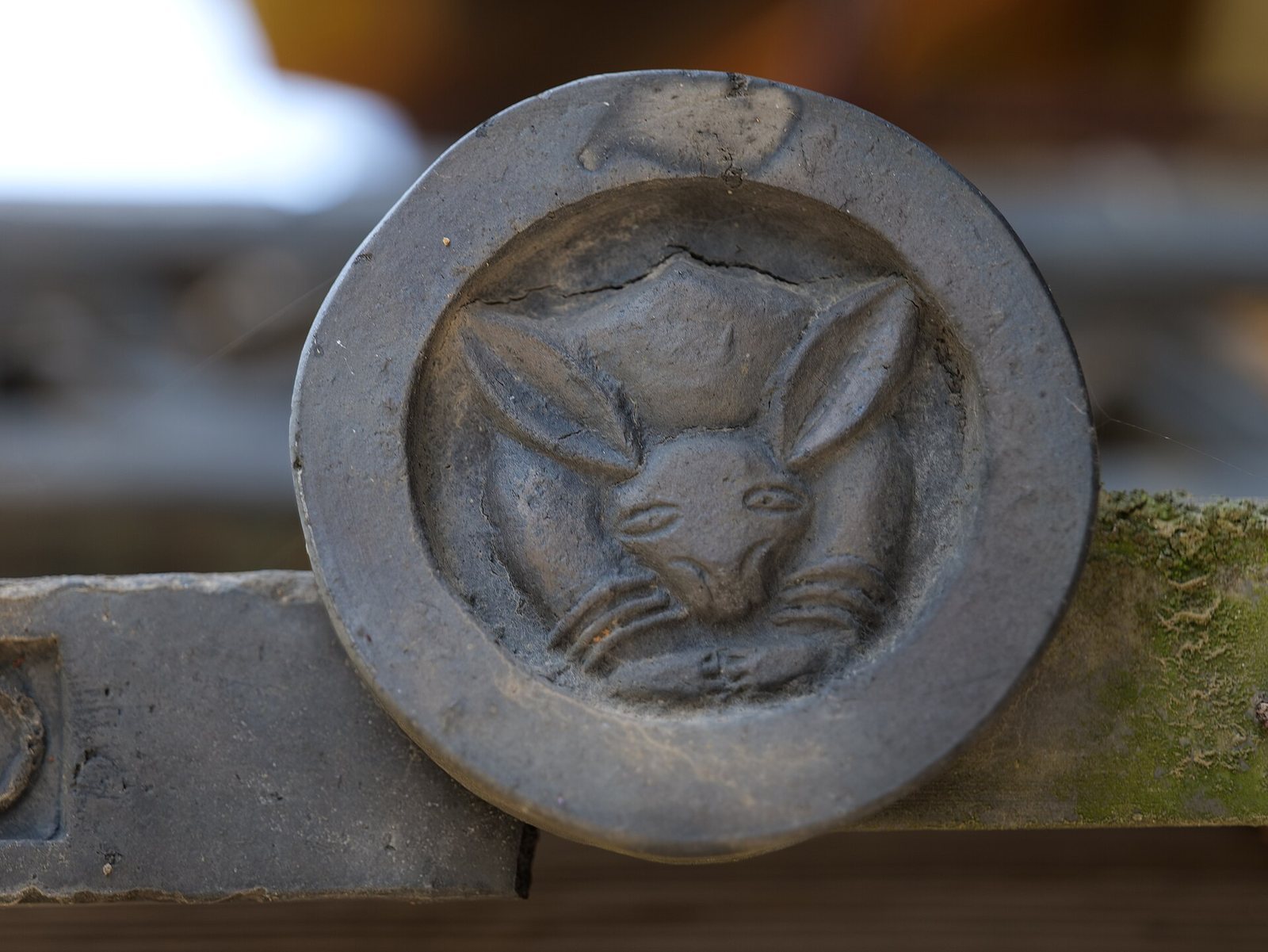
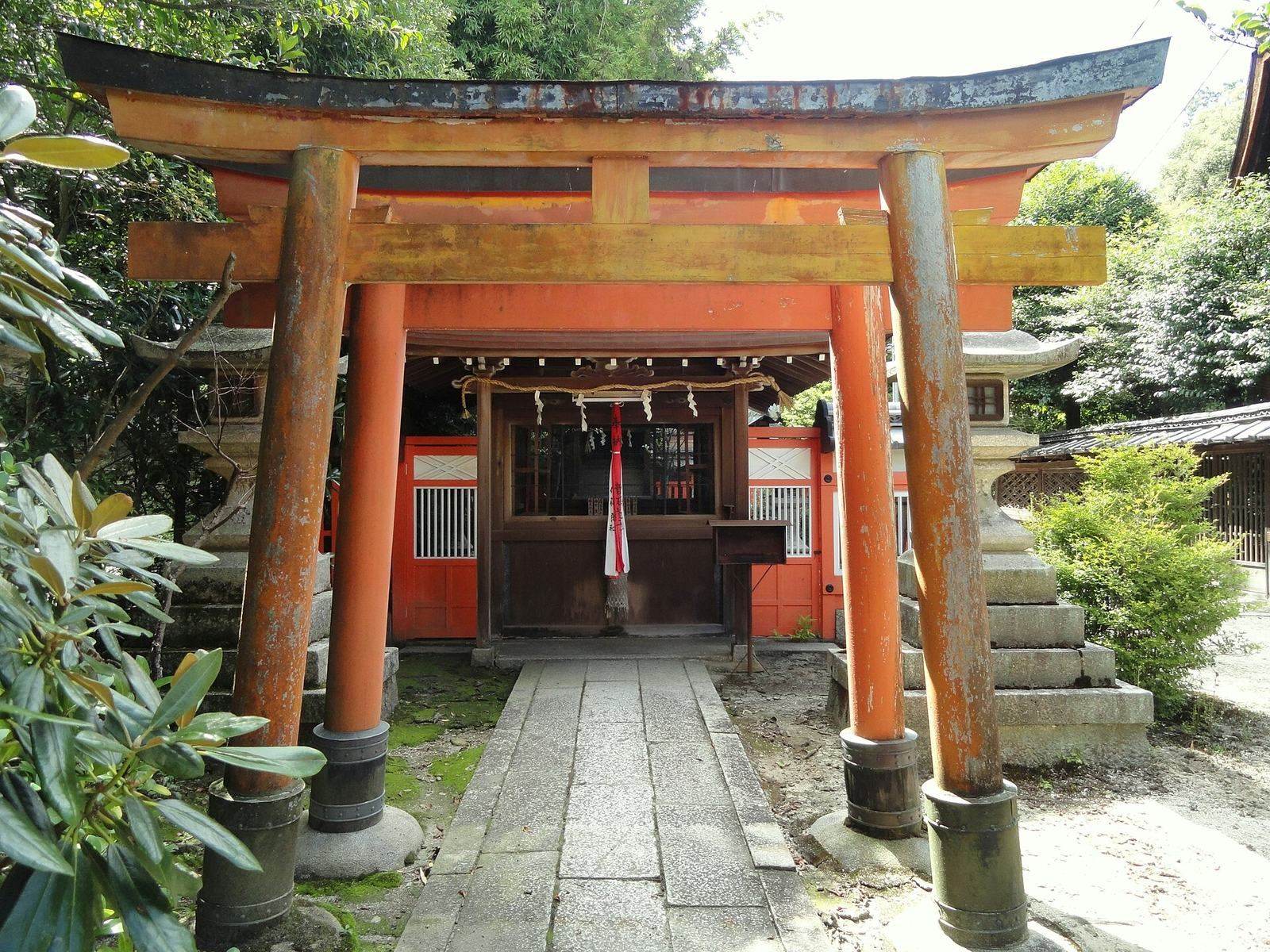
Subsidiary shrines honor Inari, associated with rice and prosperity; the creator deities Amenominakanushi, Takamimusubi, and Kamimusubi; Ebisu, associated with good fortune and fishing, at Ebis Shrine; and Sarutahiko, associated with guidance, at Shirahige Shrine. Other shrines honor Sugawara no Michizane, a scholar and government official revered as a deity, and Kukurihime and Izanami at Hakusan and Atago shrines, respectively. The shrine to the three creator deities was moved here from Nakabo, Otsu, in 1911. Stone images and carvings of rabbits appear around the grounds, and a rabbit also features in the shrine crest.
Former Shrine Site
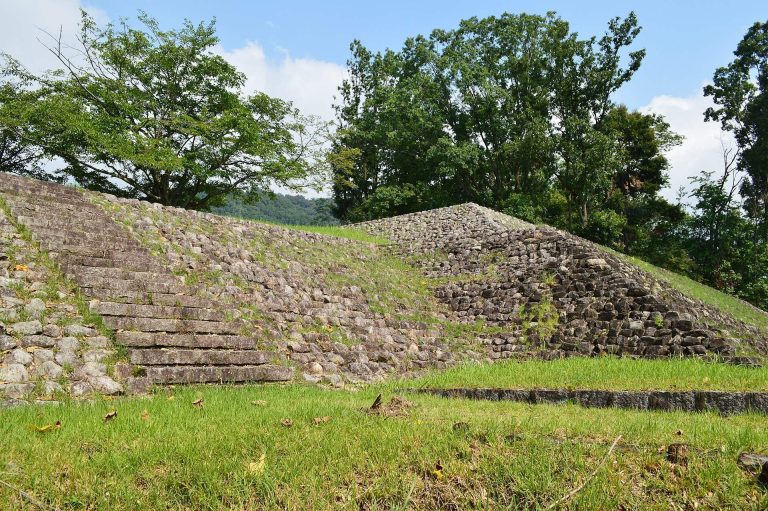
The former location within Onjoji is now a cemetery. On the south side of the steps leading into it stands a stone traditionally said to be the place where the deity sat and manifested whenever it came.