Chōhō-ji Temple: A Buddhist Temple and Tokugawa Memorial Site in Japan
Site at a Glance
- Popularity
- High
- Country
- Japan
- Primary era
- Medieval
- Eras represented
- Medieval, Early Modern
- Civilizations
- Kamakura shogunate, Tokugawa
- Site type
- Religious
- Remains
- Temple
On this page15 sections
History
Chōhō-ji Temple is a Buddhist temple in Japan, traditionally founded in 1000 during the Heian period. Its later role as the Kishū Tokugawa family’s memorial temple connected it with successive lords of the domain.
Foundation and early development
Temple tradition says that Shōkū, a disciple of Ennin, a prominent monk in Japanese Tendai Buddhism, founded Chōhō-ji at the request of Emperor Ichijō, a Heian-period ruler. The temple was modeled on Shōshazan Engyō-ji, a Buddhist temple in Himeji, and took its name from the era in which it was established. By 1017, it had seven halls and twelve subsidiary temples.
Chōhō-ji is now affiliated with the Tendai school. Its earliest affiliation is thought to have been Tendai, followed by periods associated with the Hossō and Shingon schools of Japanese Buddhism. It returned to Tendai when it became the Kishū Tokugawa family’s memorial temple.
Relocation and estate administration
Before its move in the late Kamakura period, the temple stood west of its present site. The relocation accompanied a reorganization of the complex. Chōhō-ji’s history was closely connected with Hamanaka, a medieval Japanese estate that prospered from the late Heian through the Muromachi period.
Ninnaji, a Buddhist temple in Kyoto and the estate’s proprietor, entrusted its administration to Kisshō-in, a subsidiary temple of Chōhō-ji. Estate records, including registers of cultivated land, preserve evidence that helps reconstruct the earlier temple complex’s scale.
Tokugawa patronage and later history
Chōhō-ji declined during the Sengoku period, an era marked by conflict among regional powers. In the early Edo period, Asano Yoshinaga, a territorial lord associated with Kishū Domain, gave the temple five koku, a traditional rice measure also used to express assessed land yield.
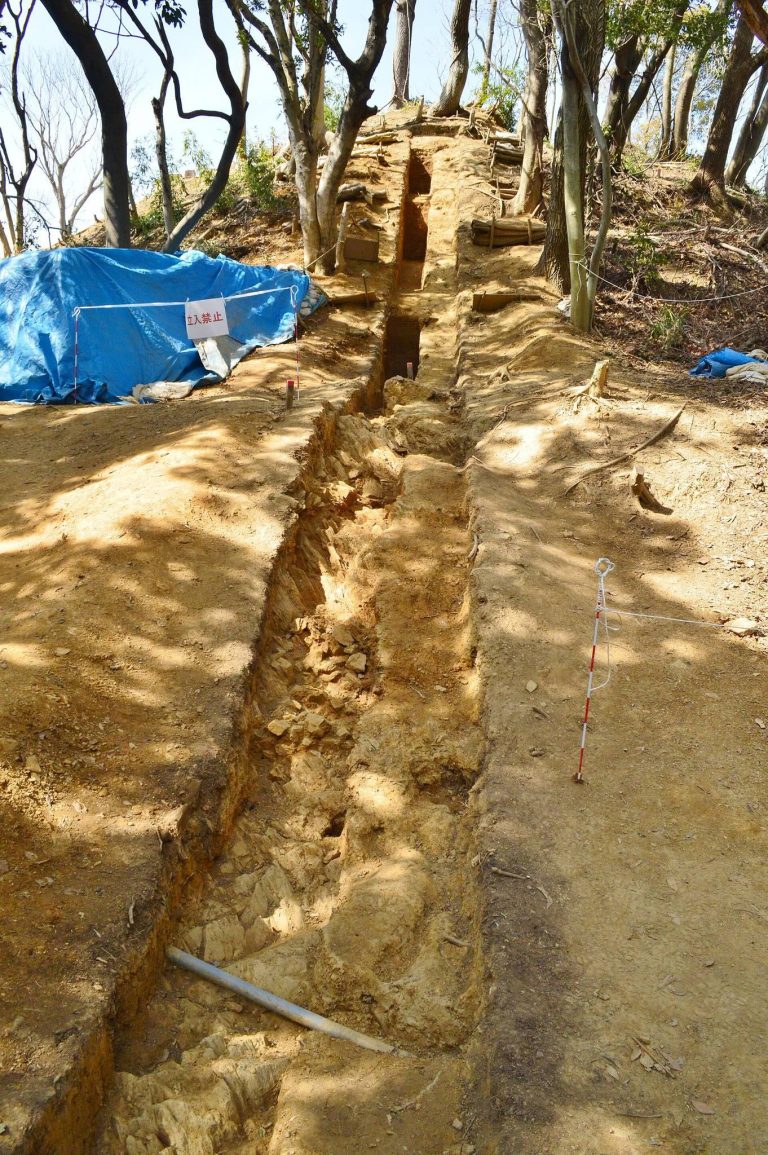
In 1666, Tokugawa Yorinobu, founder and first lord of the Kishū branch of the Tokugawa family, visited Chōhō-ji and made it the family’s Buddhist memorial temple. In 1672, his son and successor, Tokugawa Mitsusada, granted it land assessed at 500 koku to support its upkeep. The Kishū Tokugawa cemetery was established on the mountainside behind the temple.
Two domain lords who became shoguns, Japan’s military rulers, were buried elsewhere. Tokugawa Yoshimune, the fifth lord and later the eighth shogun, was buried at Kan’ei-ji. Tokugawa Yoshitomi, the thirteenth lord, later known as Tokugawa Iemochi and the fourteenth shogun, was buried at Zōjō-ji. The temple formerly had five subsidiary temples in addition to the abbot’s residence, Yōshō-in; Fukusō-in is the only subsidiary temple that remains alongside it.
The main hall, Tahōtō pagoda, and Great Gate are National Treasures of Japan. The Kishū Tokugawa cemetery is a National Historic Site, and the Guardian Shrine Hall is an Important Cultural Property. The temple woodland is a Wakayama Prefecture natural monument, recognized as a locally uncommon evergreen broadleaf forest protected through the temple’s efforts.
Remains
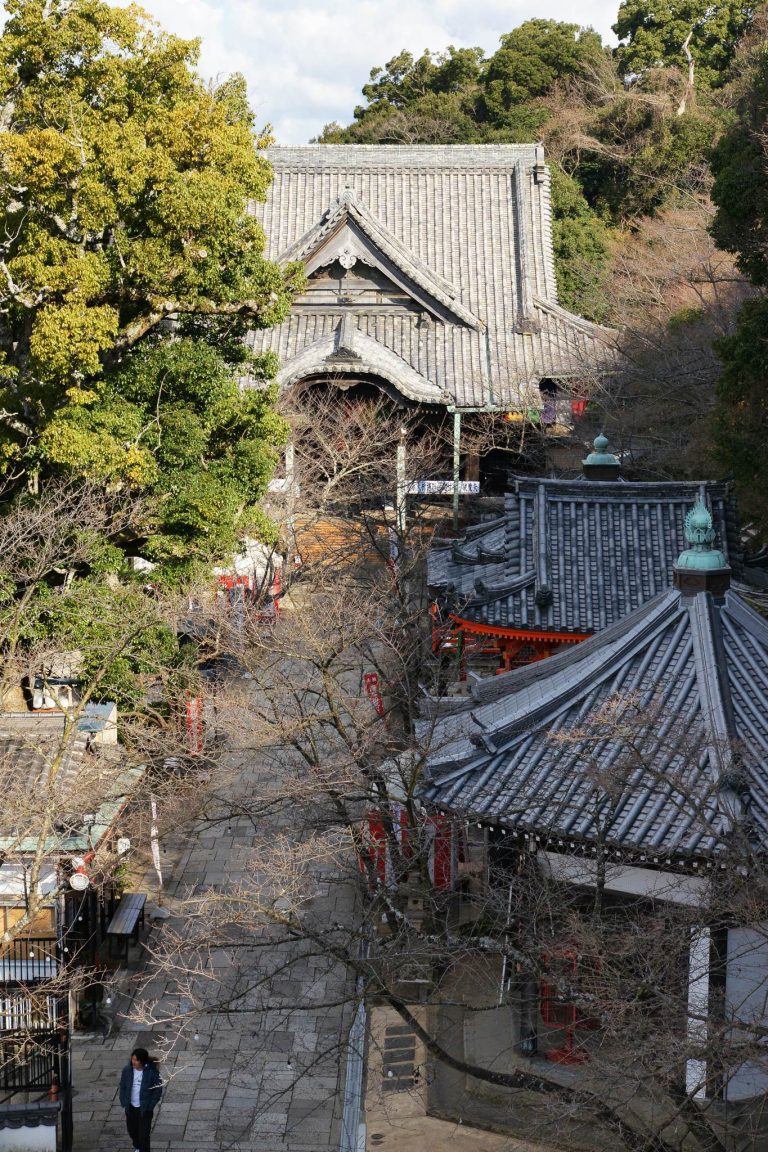
The temple occupies a mountainside site. A long stone stairway rises from the lower entrance to the precinct, where the main hall and pagoda stand beside one another. The Guardian Shrine Hall is behind the main hall.
Medieval temple buildings
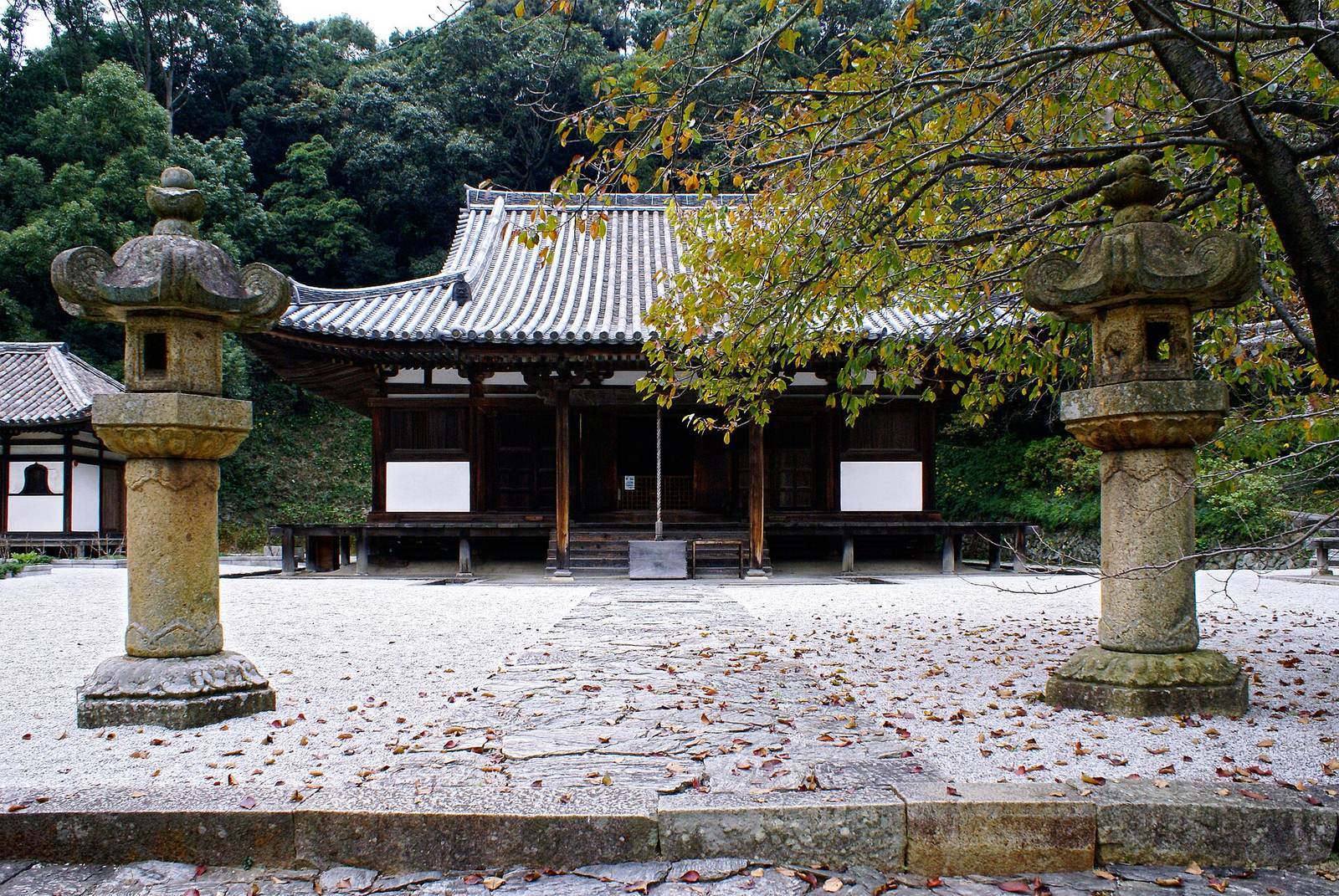
Main hall
Dating to the Kamakura period, the main hall has a hipped roof and a nearly square plan described as five by five ken, a traditional measure of a building span. Its stated dimensions are 13 by 15.35 metres.
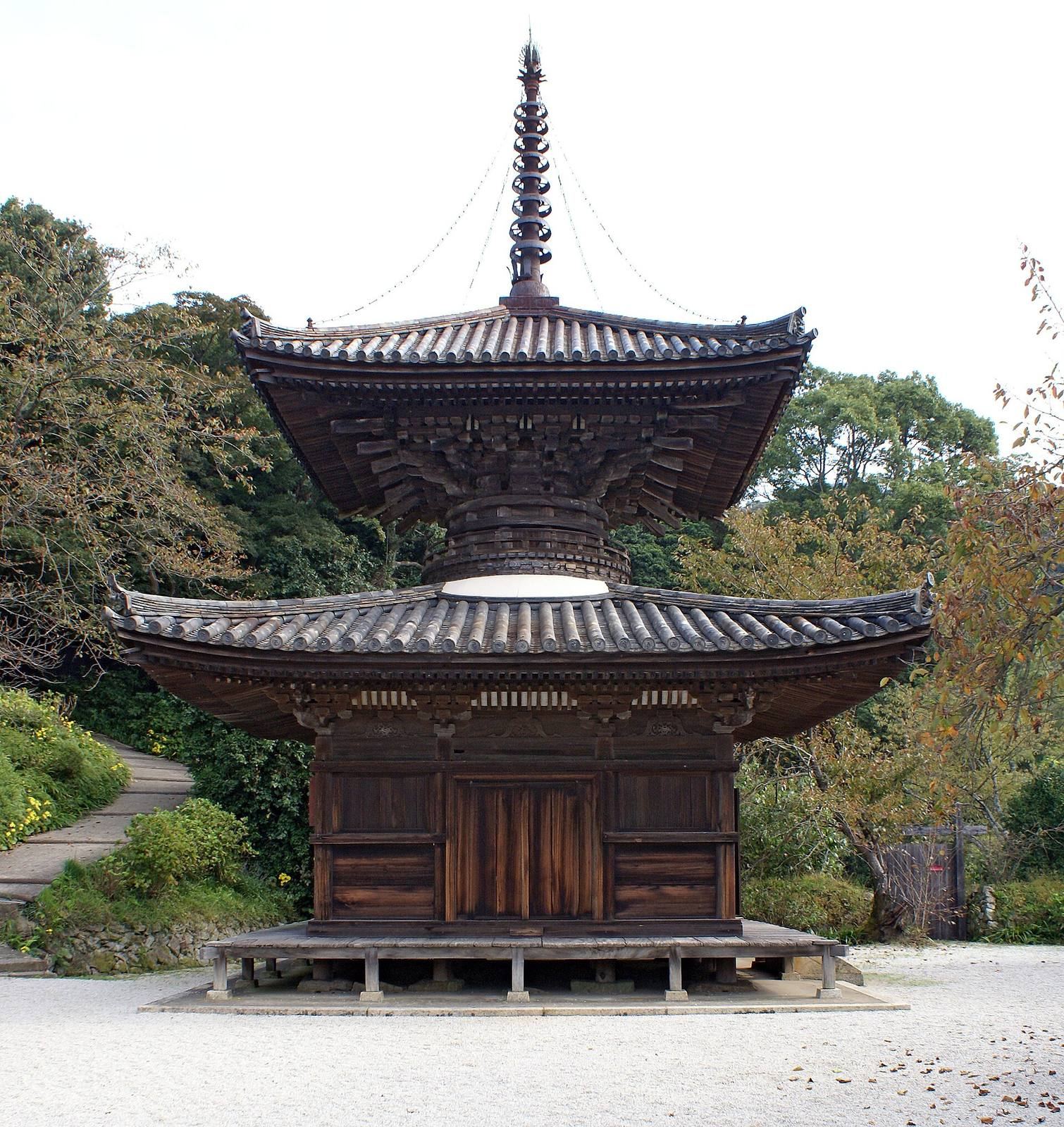
Tahōtō pagoda
The pagoda beside the main hall dates to the end of the Kamakura period or the beginning of the Muromachi period. It measures three bays on each side and is described as being in a purely Japanese architectural style.
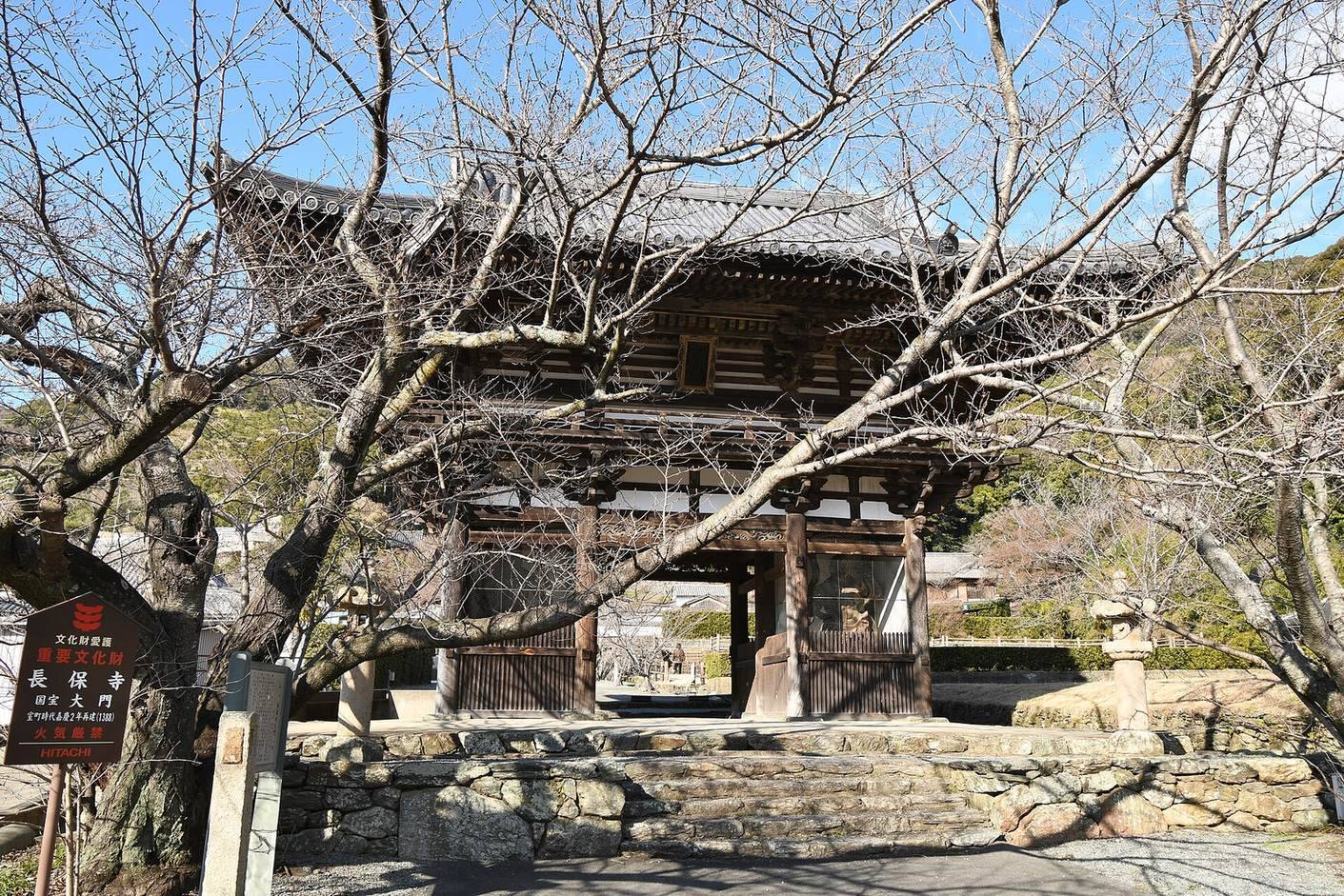
Great Gate and stairway
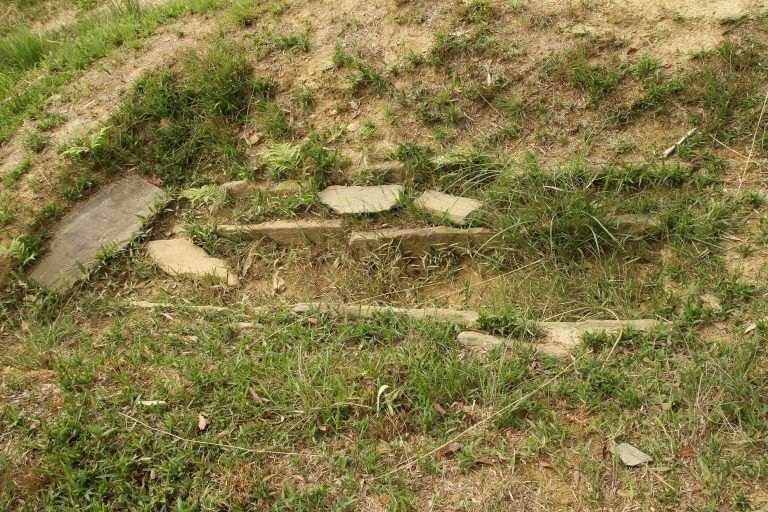
The Great Gate is a two-storey structure. It belongs to the medieval group of buildings broadly dated from the late Kamakura to the Nanboku-chō period. The stone stairway connects this lower entrance with the temple precinct.
Guardian Shrine Hall
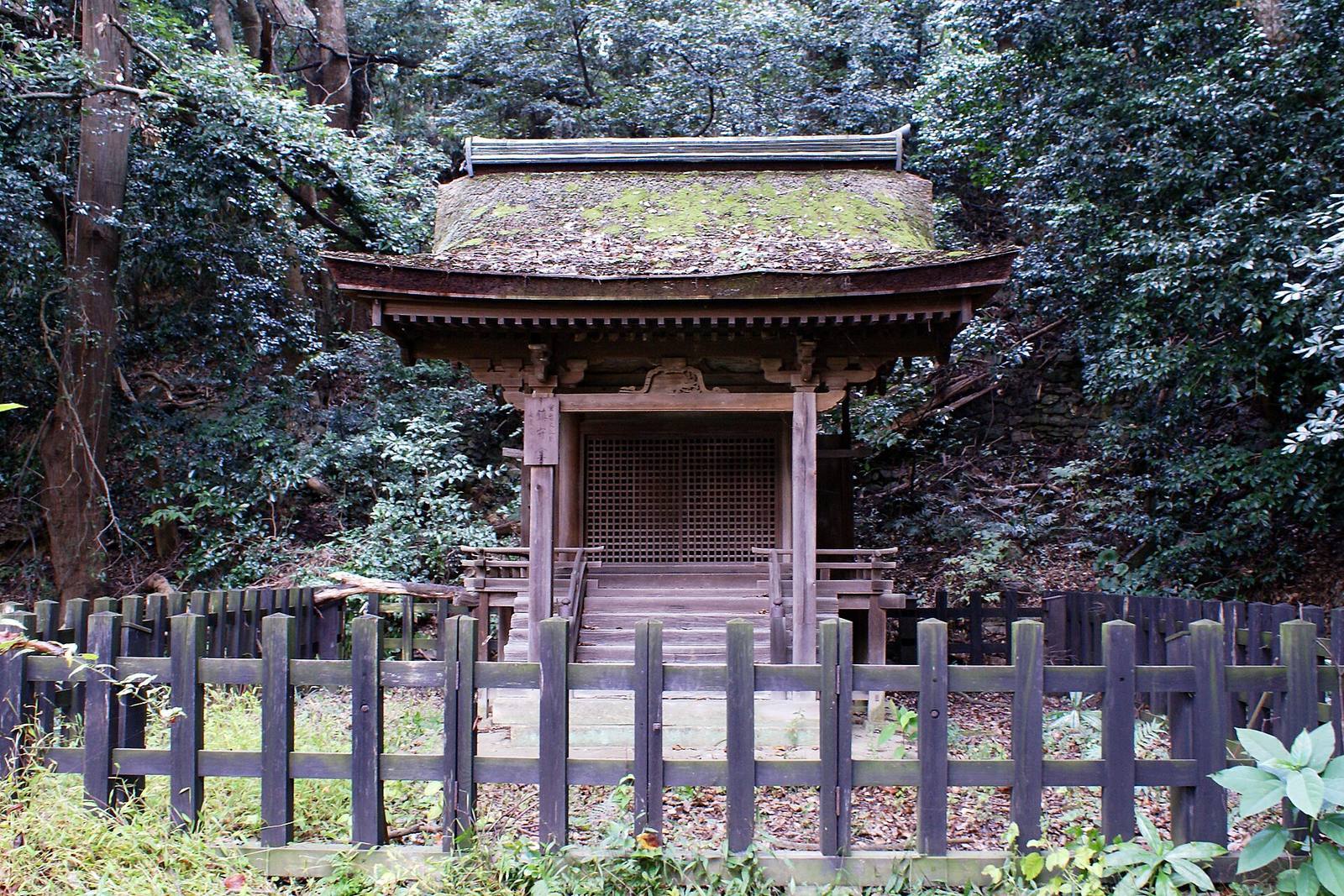
The small Guardian Shrine Hall behind the main hall dates to the late Kamakura period. It measures three bays by three, or 5.4 by 5.4 metres, and has a hanging roof.
Principal image
The temple’s principal image is a statue of Shakyamuni Buddha.
Kishū Tokugawa cemetery
Burials and family graves
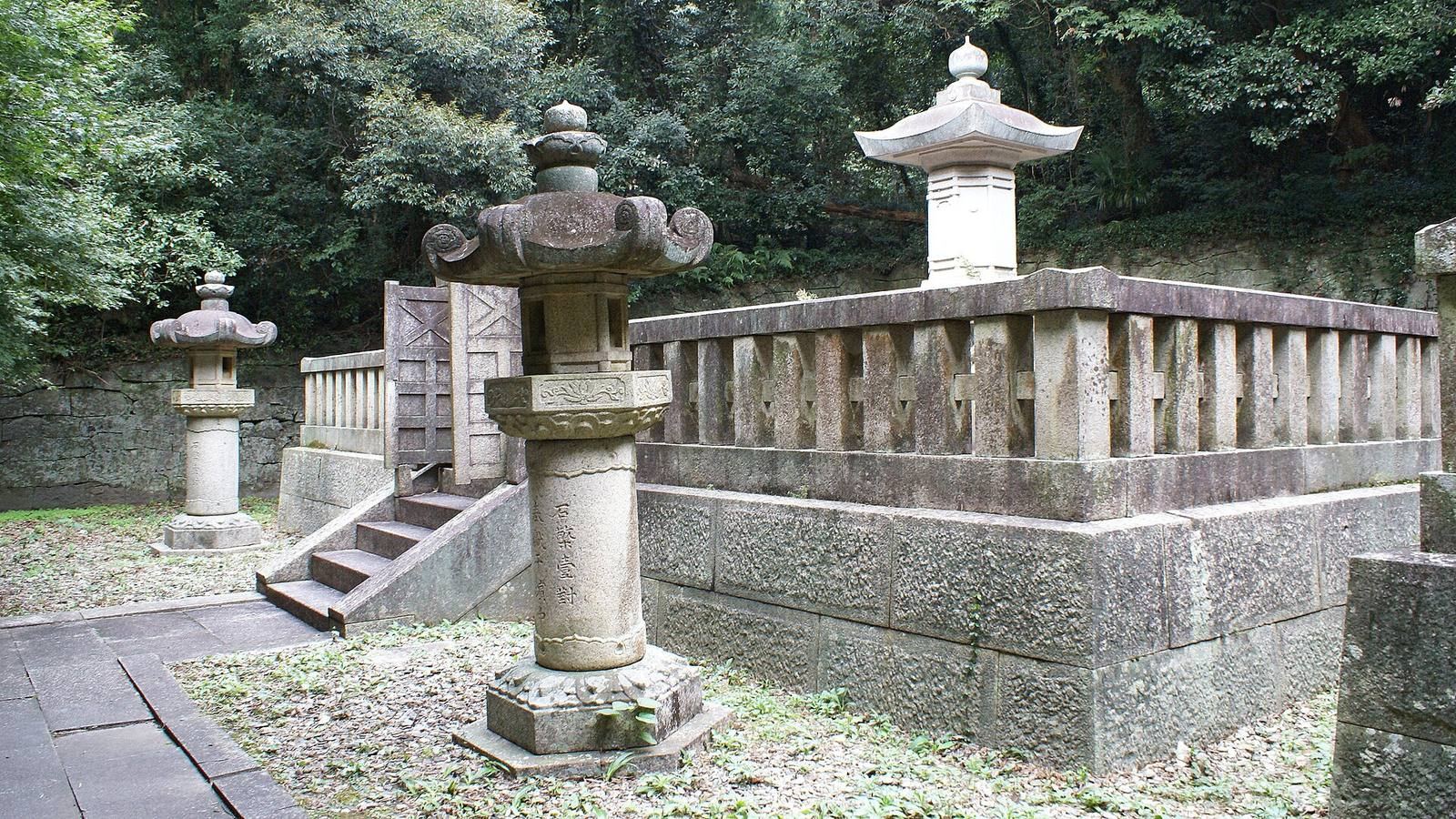
Covering about 10,000 tsubo, a traditional unit of area, the cemetery occupies the eastern slope behind the precinct. It is the largest burial ground in Japan for successive domain lords. Its 28 graves include those of 13 Kishū lords: Tokugawa Yorinobu, Mitsusada, Tsunanori, Yorifusa, Munenao, Munemasa, Shigenori, Harusada, Harutomi, Nariyuki, Narikatsu, Mochitsugu, and Yorimichi. The other graves are for their wives and children.
Other named burials include the seventh lord’s wife, an adopted daughter of Prince Fushimi Sadatake and a daughter of Imadegawa Kosen; the seventh lord’s later consort, a daughter of Ichijō Kaneka; and Toyoko, wife of the twelfth lord and daughter of Konoe Tadahiro.
Stonework and lanterns
Stone fences enclose the graves, whose floors are paved with granite. Basalt is used for the cemetery’s approaches and walls, while tombstone shapes vary by generation. The grounds contain 330 stone lanterns.
Temple woodland
The woodland includes Castanopsis, Elaeocarpus sylvestris, Japanese bayberry (Morella rubra), and Quercus glauca.