Gyojazuka Kofun: A Keyhole-Shaped Burial Mound in Japan
Site at a Glance
- Popularity
- Medium
- Country
- Japan
- Primary era
- Classical
- Eras represented
- Classical
- Civilizations
- Yamato
- Site type
- Burial
- Remains
- Burial Mound
On this page9 sections
History
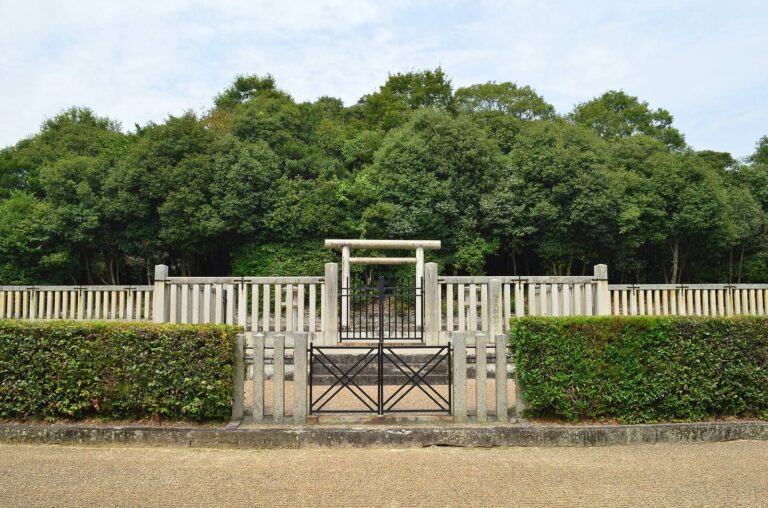
Gyojazuka Kofun is an ancient Japanese burial mound in Kakogawa, Hyogo Prefecture, Japan. Built during the middle Kofun period, an era of monumental burial-mound construction, it probably dates to the late fourth or early fifth century, although a narrower estimate places it in the late fourth century.
Construction and funerary significance
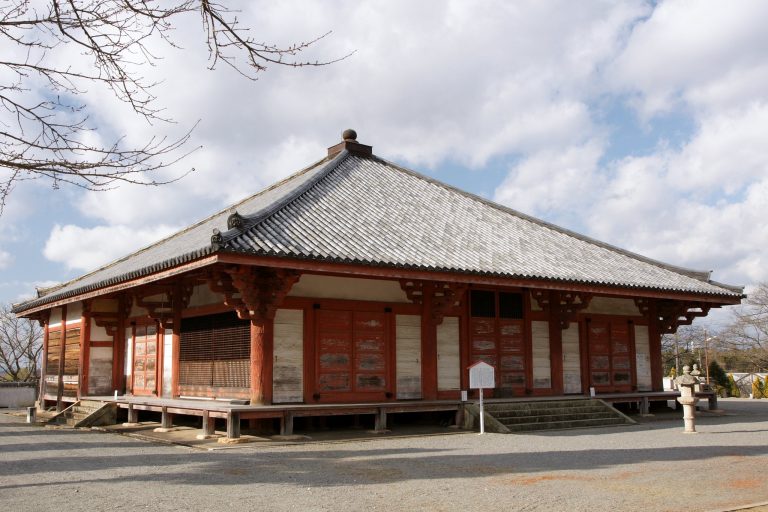
Tradition connects the mound’s name with a hall for ascetic practitioners that once stood on the summit of its rear section. Gyojazuka is notable for horse trappings among the oldest known in the Kinai, the historical heartland around Japan’s early imperial capitals. Its grave goods also indicate connections with the Korean peninsula and China. Excavation of a projection where the mound’s front and rear sections meet helped clarify funerary rites associated with such features.
Wartime use and archaeological investigation
During the Second World War, the site was included in land used for Army exercises, and trenches are said to have been dug there. A Hyogo Prefecture committee surveyed the tomb in 1926, followed by a local research group in 1970. The group of ancient tombs that includes Gyojazuka received National Historic Site designation in 1973. The Hyogo Prefectural Board of Education excavated part of the moat in 1977 and 1978, and surveys for a municipal history project took place in 1989 and 1990.
Full-scale excavations linked to site improvement works in 1995 and 1996 uncovered numerous grave goods and clarified the form of the mound’s projections. Further site improvement work followed in 2008 and 2009.
Remains
Mound and perimeter
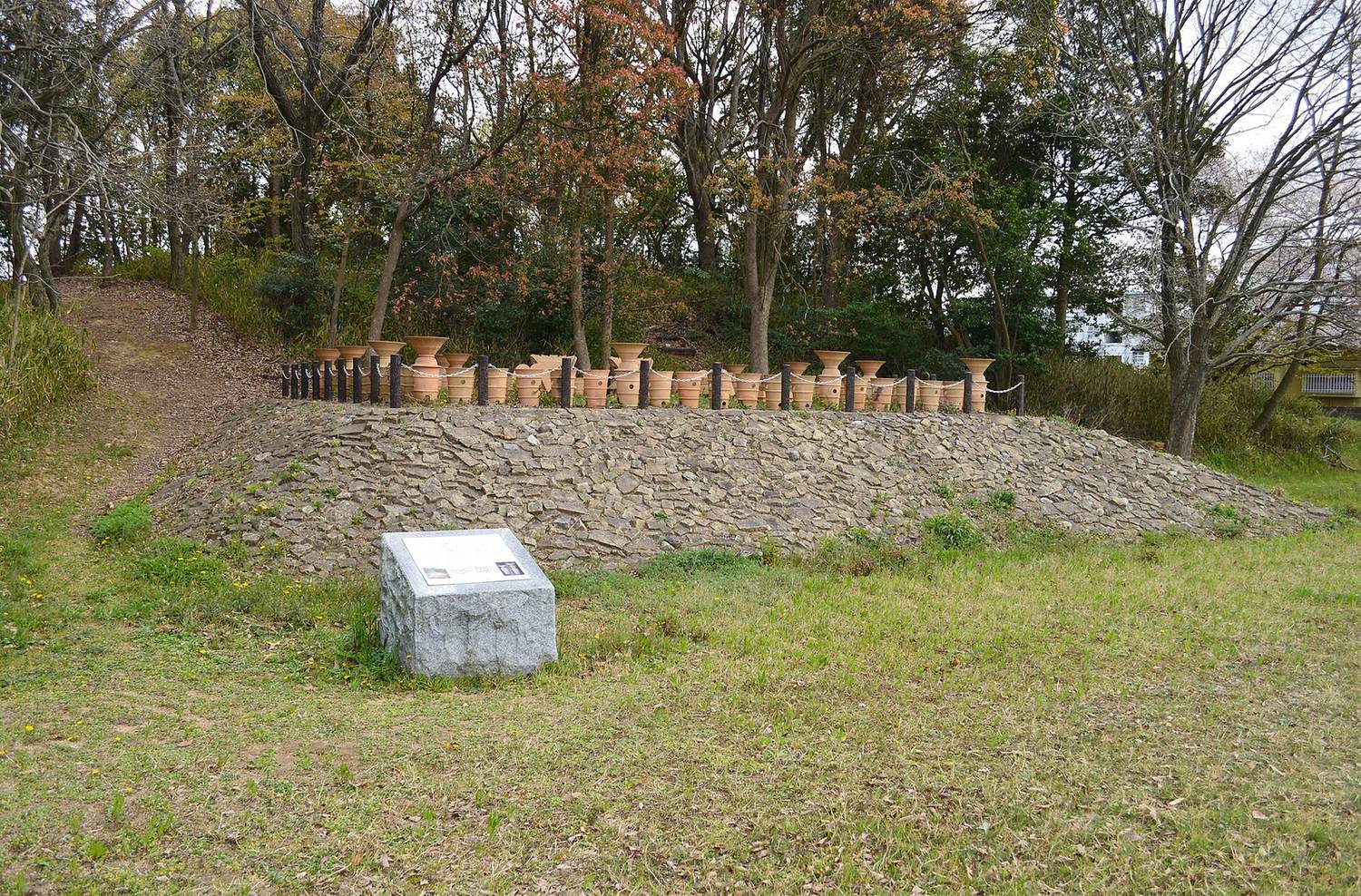
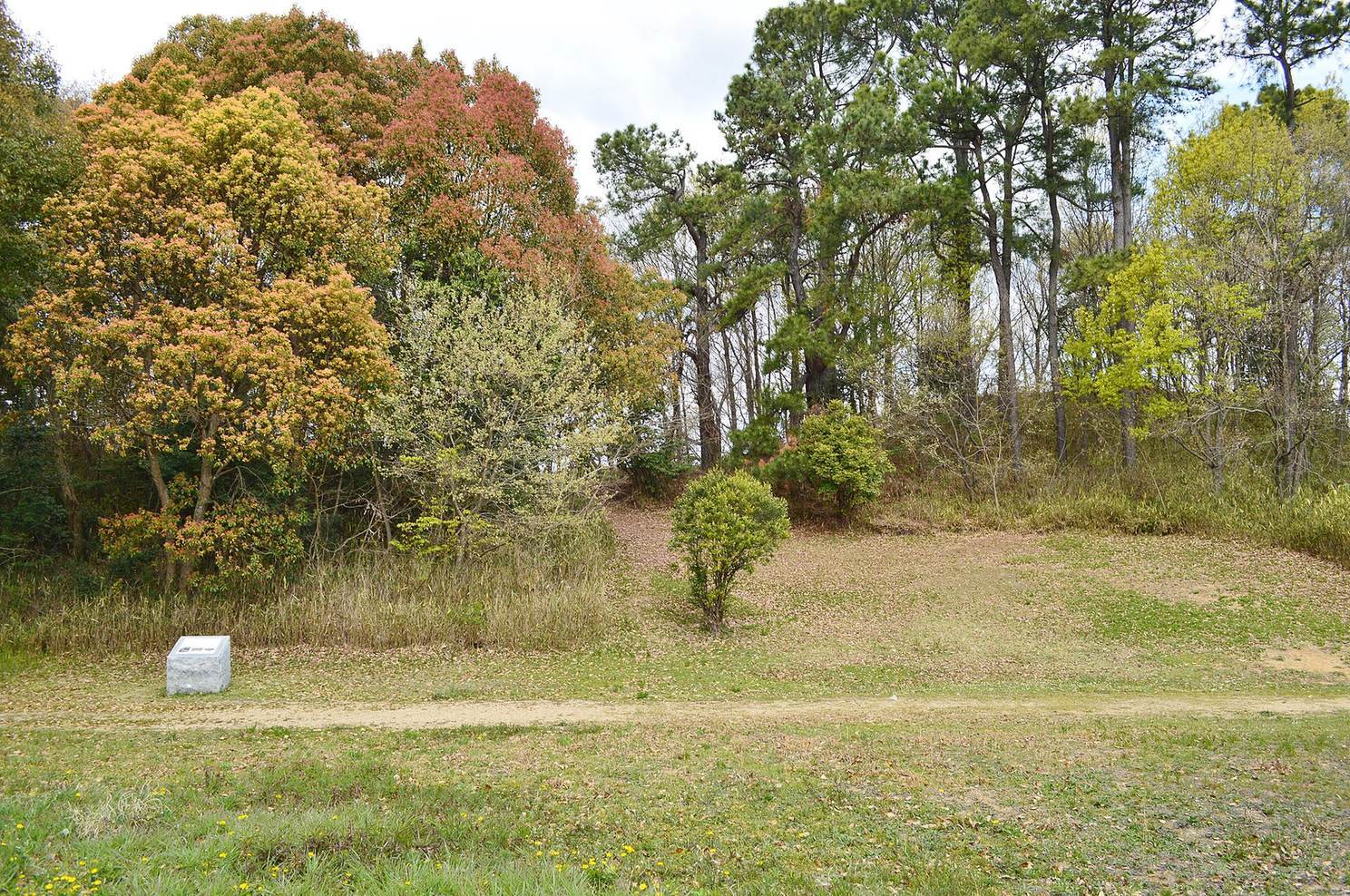
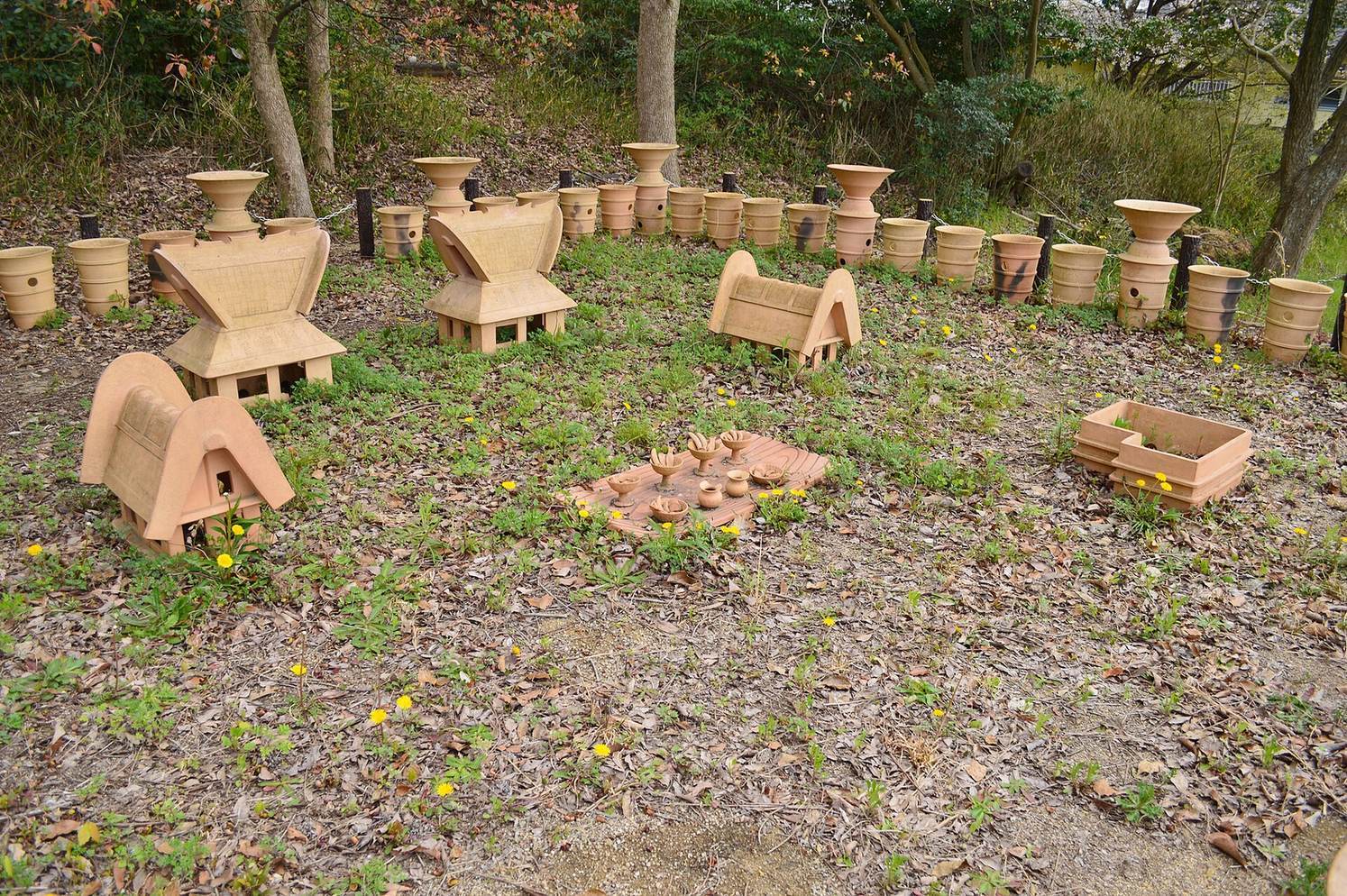
The 99-metre-long mound stands on a narrow terrace extending north from the Inamino Plateau. Its keyhole-shaped plan has a circular rear section 68 metres in diameter and a front section 55 metres wide, oriented toward the southwest. The mound rises in three tiers: the first and second are each about 1.6 metres high, while the third is about 6.1 metres high. Its surface has stone facing, chiefly of Tatsuyama stone, and rows of fired-clay haniwa, objects placed on burial mounds, including cylindrical and morning-glory-shaped examples. A moat about 14 metres wide surrounds the mound, bordered by an outer bank 5 to 6 metres wide. Beyond the bank on the rear-mound side runs a second moat, about 8 metres wide.
Projections and burial features
Western projection at the junction
This projection, where the front and rear sections meet, measures about 14 by 9 metres. Cylindrical haniwa were arranged in a square to enclose an area, with an entrance formed by offsetting the rows on the mound-facing side. At least eight house-shaped haniwa stood inside, alongside small Haji pottery vessels, a type of Japanese earthenware, including jars, pedestal dishes, and basket-shaped vessels. Clay food models included fish, birds, forms resembling akebia fruit and water chestnuts, and portions of food shown cut. In the gap between this projection and the rear mound, rounded stones formed a surface for an enclosure-shaped haniwa.
Eastern and northern projections
The eastern projection at the junction measures 13 by 7.3 metres. In the gap between it and the rear mound, rounded stones and an enclosure-shaped haniwa were found, with a house-shaped haniwa inside the enclosure. Beside the rear mound, the northwestern projection measures 11.5 by 9 metres and stands about 1 metre high; the northeastern projection is 12.5 by 8.5 metres and is also about 1 metre high. A clay-sealed burial chamber lies at the centre of the northeastern projection.
Rear-mound burial chambers and grave goods
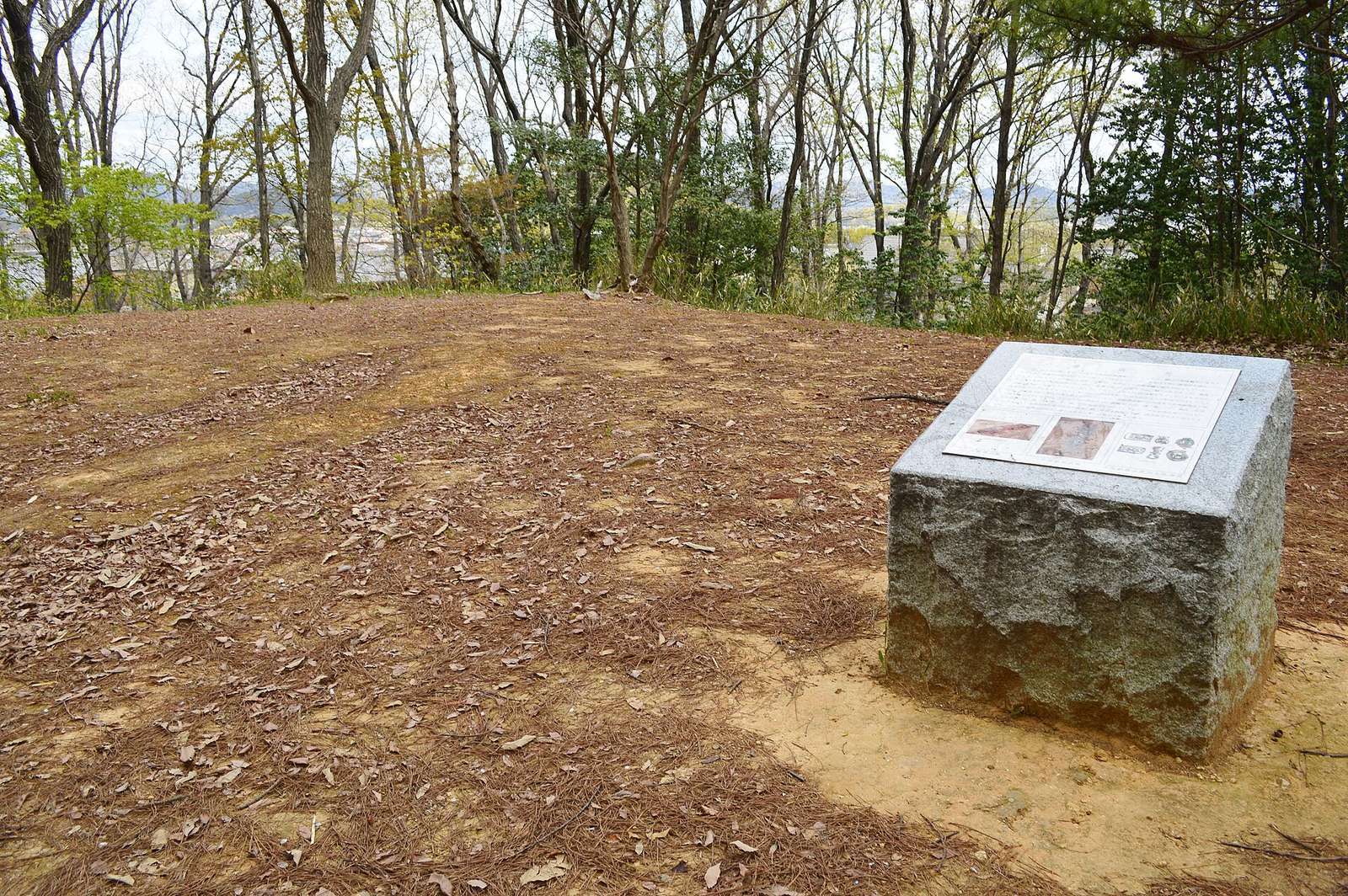
At the summit of the rear mound, a rectangular grave pit measuring 7 metres east to west and 10 metres north to south contains three clay-sealed burial chambers. Their long axes run parallel to the mound’s main axis. Two boxes of grave goods were found beside them. The box between the central and western chambers held a gilt-bronze openwork belt fitting, a horse bit, a cast-iron axe, and tubular bronze objects. A second box, west of the western chamber, contained iron weapons and tools, iron ingots, an iron anvil, an iron cauldron, and a bronze object. Finds from the tomb are kept and displayed at the Kakogawa City General Cultural Center Museum.