Hioka Goryo Kofun: An Early Kofun-Period Burial Mound in Japan
Site at a Glance
- Popularity
- Medium
- Country
- Japan
- Primary era
- Classical
- Eras represented
- Classical
- Civilizations
- Yamato
- Site type
- Burial
- Remains
- Burial Mound
On this page4 sections
History
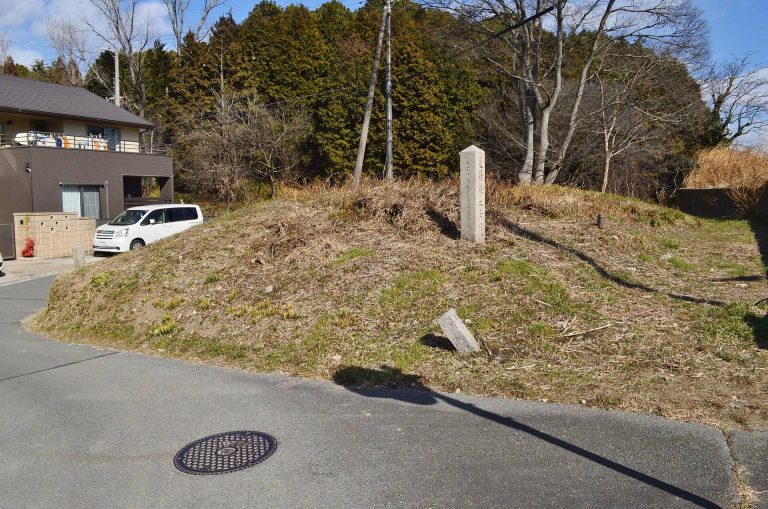
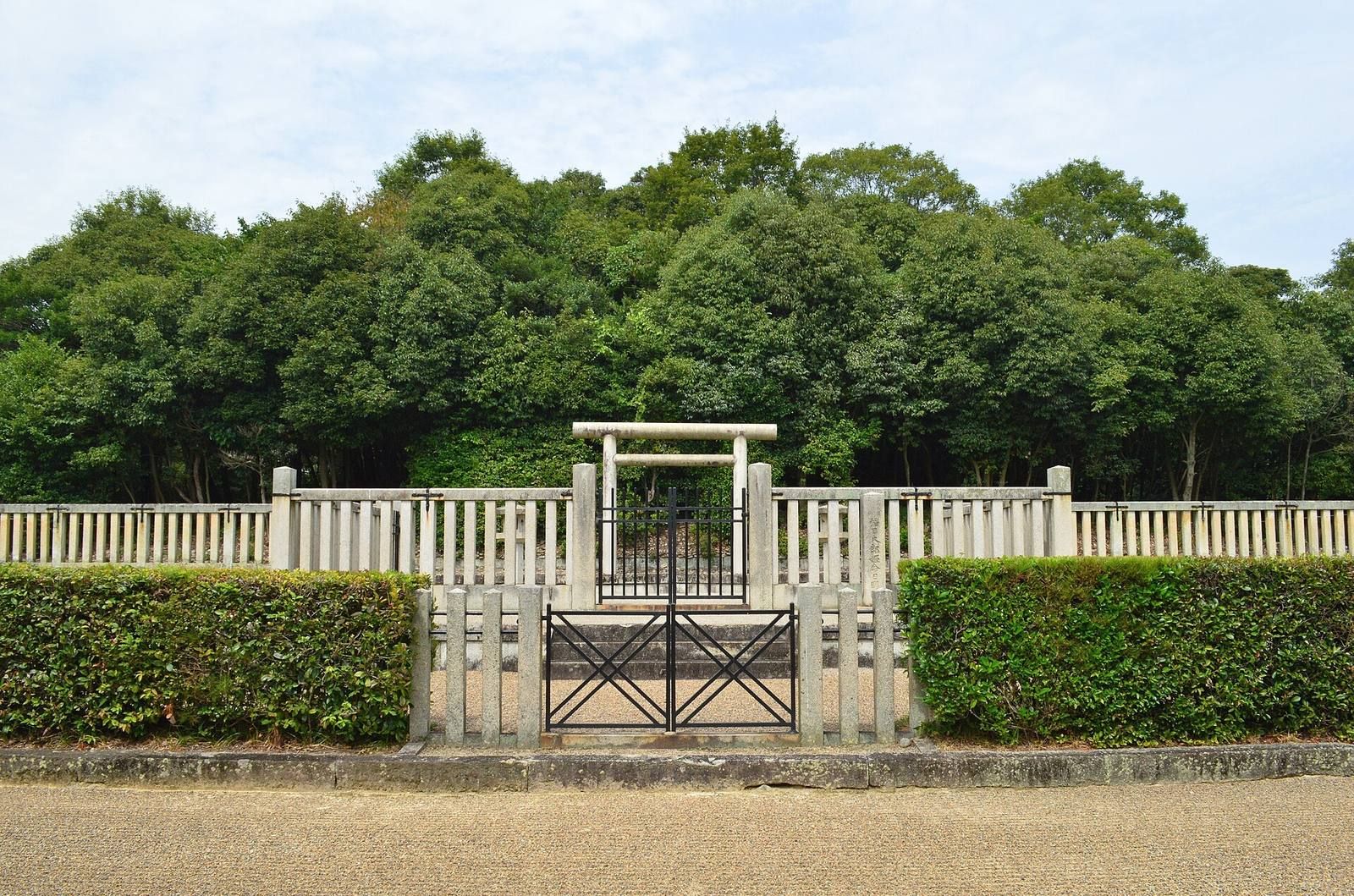
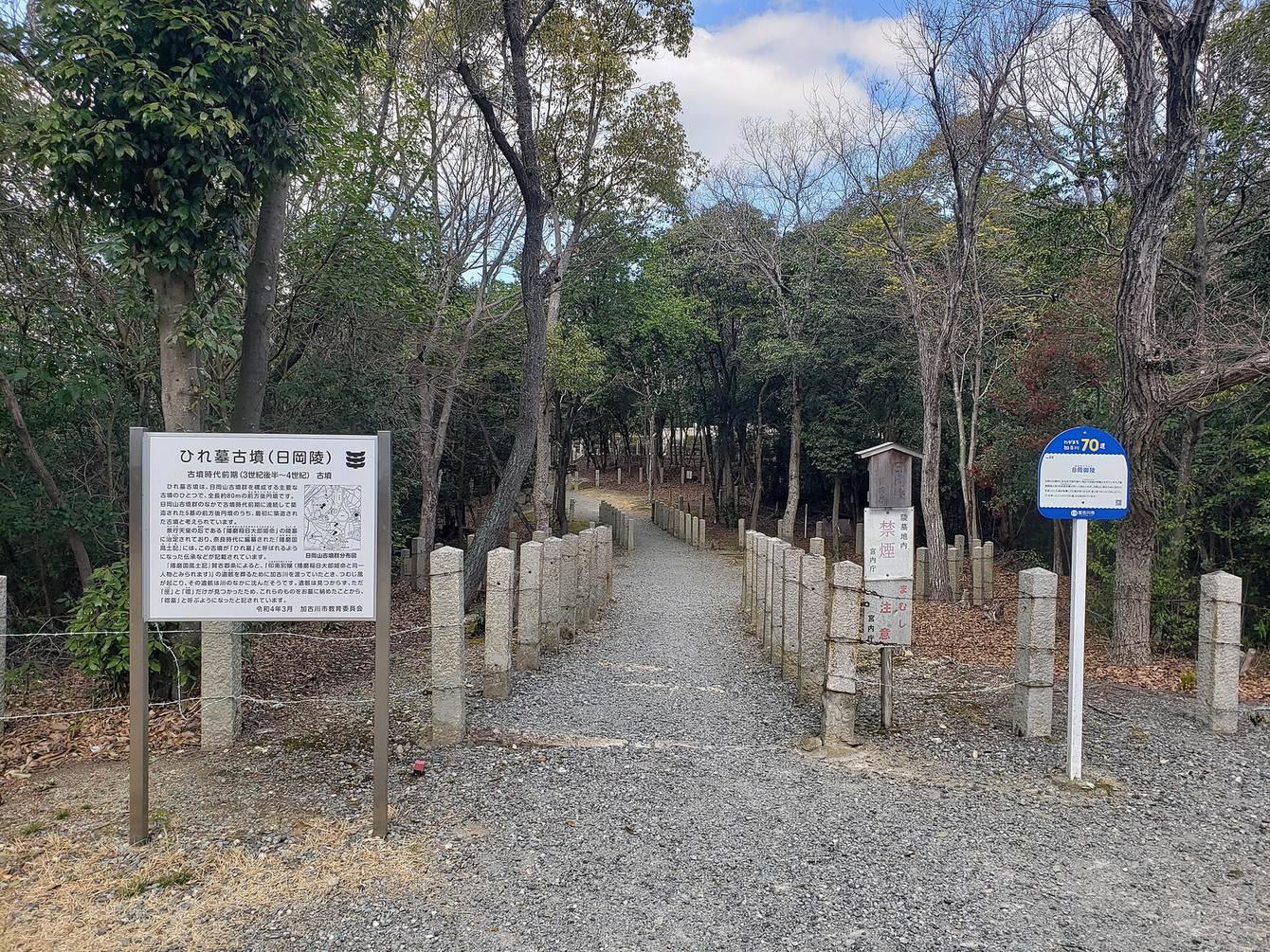
Hioka Goryo Kofun is a burial mound on Mount Hioka in Kakogawa, Hyogo Prefecture, Japan, estimated to date to the fourth century, during the early Kofun period. It is considered the oldest tomb in the Hiokayama Kofun Group. The person buried there has not been identified.
Early burial and traditions
The Imperial Household Agency identifies the mound as the mausoleum of Harima no Inabi no Ōiratsume, described as an empress of Emperor Keiko, who was traditionally counted as Japan’s twelfth emperor. She is sometimes identified with Inami no Wakeiratsume, a figure in the Harima Province Fudoki, a provincial gazetteer. The names Inabi and Inami are linked to Inami District in Harima Province.
The Nihon Shoki, an early Japanese court chronicle, places Harima no Inabi no Ōiratsume’s death in the 52nd year of Keiko’s reign. The Harima Province Fudoki relates that a tomb was made for Inami no Wakeiratsume at Hioka. In the account, a whirlwind swept her body from a boat into the Inami River, identified with the Kako River. A cosmetic box and a cloth worn around her neck were recovered and buried in the tomb, which the account calls Hirehaka, meaning “Hire Tomb.” The historical details of these early imperial and regional traditions are not securely established, and they do not identify the mound’s occupant.
Imperial designation and later study
In 1883 the tomb was designated as the mausoleum of Harima no Inabi no Ōiratsume, based on her proposed identification with Inami no Wakeiratsume. Its boundaries were established and the mound repaired in 1885, and the title “Hioka Mausoleum” was adopted in 1895. A measured plan prepared by the former Imperial Household Ministry in 1928 survives. Earlier interpretations differed over whether the mound had originally been circular and reshaped during Meiji-era repairs. A 2011 Imperial Household Agency survey indicated that it was built as a keyhole-shaped tomb.
Remains
The mound stands on Mount Hioka’s summit, at the northern edge of the Inamino Plateau and east of the Kako River. Its plan has a circular rear section and a rectangular front that faces southwest. The mound measures 80 metres long, and its circular rear rises 7.5 metres. It is almost completely preserved. Stones from its covering, fragments of haniwa (ceramic objects placed on or around burial mounds), and sherds of Haji ware (unglazed ancient Japanese pottery) have been collected from the exterior.