Castle Howe: A Norman Motte-and-Bailey Castle in Kendal
Site at a Glance
- Popularity
- Medium
- Country
- United Kingdom
- Primary era
- Medieval
- Eras represented
- Medieval
- Civilizations
- Norman
- Site type
- Military
- Remains
- Castle
History
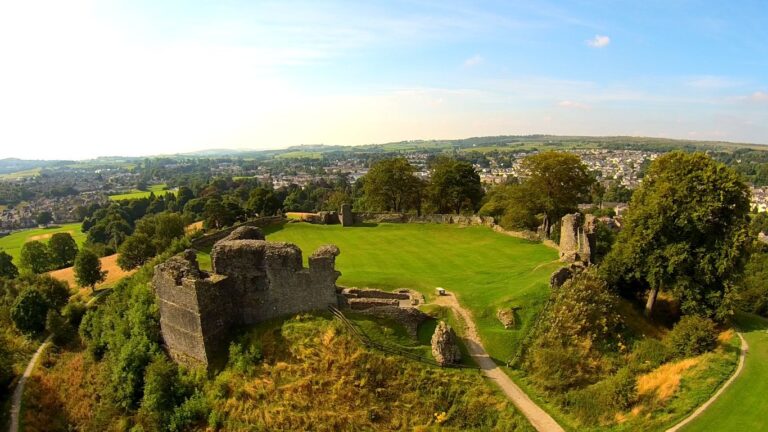
Castle Howe is a castle site in Kendal, Cumbria, England, in the United Kingdom. Built after the Norman Conquest, the Norman takeover of England that began in 1066, its construction is attributed either to the Norman lord Ivo Taillebois in 1087 or to the nobleman Ketel sometime after 1100.
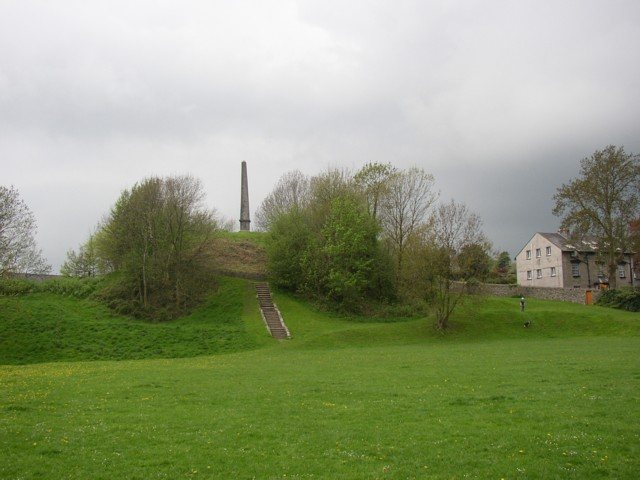
The castle was a motte-and-bailey fortification, combining a raised earthwork mound, or motte, with an adjoining enclosed area, or bailey. Its circular motte stood 11 metres high and measured 48 metres across at the base. A curved bailey extended along the ridge beside it.
The castle was abandoned during the twelfth century, an event attributed either to Gilbert or to William de Lancaster. The bailey was later destroyed when a park was laid out on the site. Earthworks from the castle survive and are maintained by South Lakeland District Council.