Sizergh Castle: A Medieval House and Strickland Family Estate in Cumbria




Site at a Glance
- Rating
- 4.6
- Popularity
- Medium
- Country
- United Kingdom
- Primary era
- Medieval
- External website
- Open
- Eras represented
- Medieval, Early Modern, Modern
- Civilizations
- British, English
- Site type
- Domestic
- Remains
- Castle
On this page13 sections
History
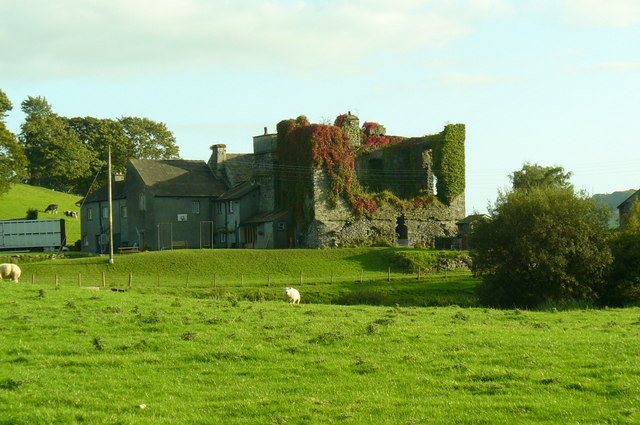
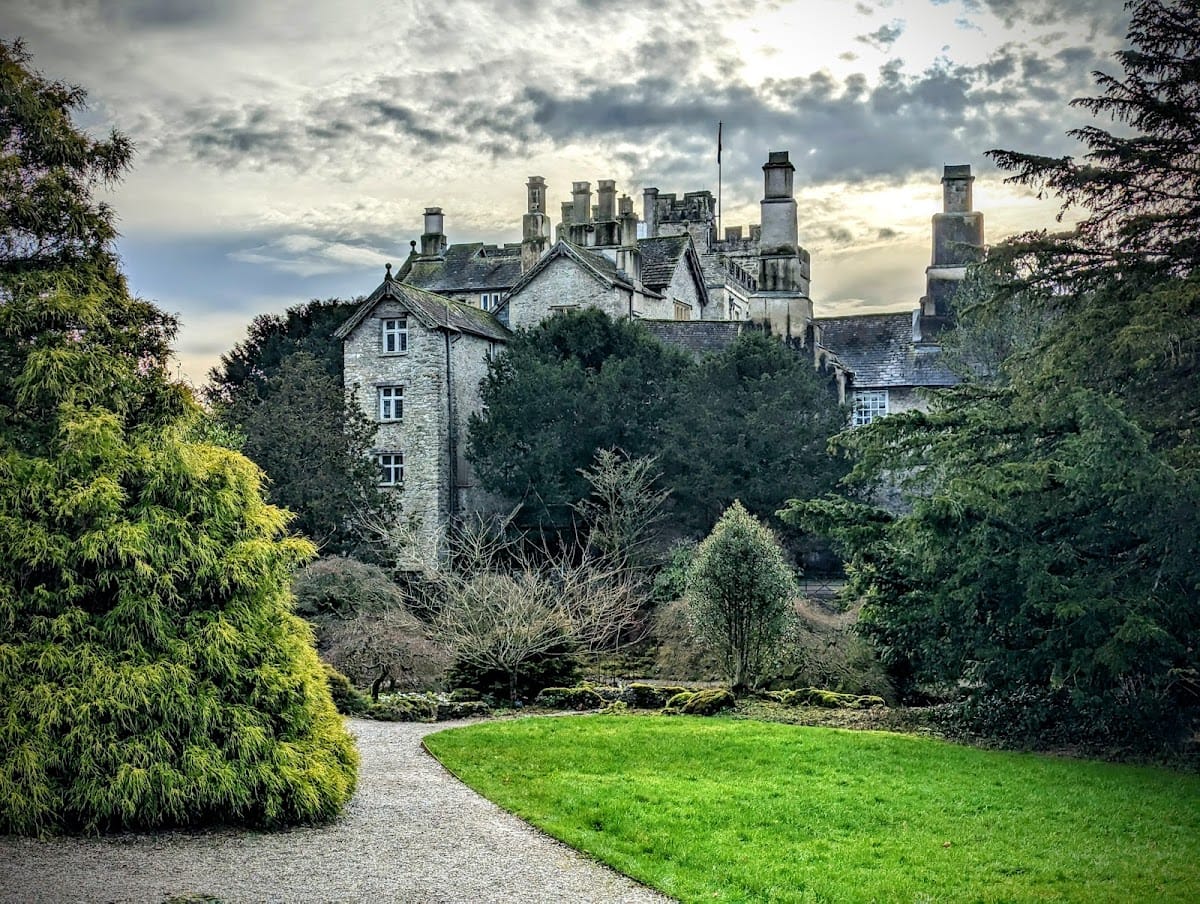
Sizergh Castle is a historic house in the United Kingdom, near Kendal in Cumbria, with a medieval residence begun around 1310 and a four-storey tower added in 1343. The house combines Gothic, Tudor, Elizabethan, and Georgian traditions. Its estate has been associated with the Strickland family for more than seven centuries and is now cared for by the National Trust while remaining linked with the Hornyold-Strickland family.
Medieval Estate and House
The estate was associated with the Deincourt family from the 1170s. Between 1175 and 1180, William FitzGilbert, also known as William de Lancaster, granted it to Gervase Deincourt. In 1239, Elizabeth Deincourt married Sir William de Strickland, transferring the estate to the family that became the Stricklands.
Walter de Strickland began a residence known as Sizergh Hall around 1310. Construction continued for about fifty years, and a four-storey tower was added in 1343. In 1336, Edward III, king of England from 1327 to 1377, granted Sir Walter Strickland permission to enclose the land around Sizergh as his private park. Sir Thomas Strickland commissioned further alterations during the second half of the fifteenth century.
Tudor and Georgian Transformations
The house was enlarged during the Elizabethan period. Its appearance and interiors changed again between 1670 and 1770, particularly in the four-storey tower. Around 1770, the entrance hall was remodelled in the Georgian style, giving the medieval and Tudor house an important eighteenth-century phase.
Catherine Parr, Henry VIII’s sixth and final wife, is traditionally said to have lived at Sizergh after the death of her first husband in 1533. Her second husband, Lord Latymer, was related to the dowager Lady Strickland. Walter Strickland, who lived from 1516 to 1569, married Alice Tempest in 1560. After his death, Alice made inventories that listed three oak armchairs and three chests still in the house.
Royalist and Jacobite Connections
The Stricklands supported the royalist forces during the English Civil War, the conflict between supporters of the monarchy and Parliament from 1642 to 1651. The estate was not confiscated after the war. Sir Thomas Strickland later went into exile with James II.
The family’s links with the Jacobite court in exile at Saint-Germain-en-Laye in France are reflected in portraits of the Catholic Stuart royal family at Sizergh. The Jacobites supported the restoration of the Catholic Stuart dynasty after James II was deposed. These connections also shaped the memorabilia associated with the family’s exile in Paris during the Jacobite rising.
Ownership and Conservation
The Stricklands retained ownership of Sizergh for more than 700 years. In the nineteenth century, debt led the family to sell the contents of an entire room to the Victoria and Albert Museum in London for £1,000. The room was reconstructed there during the 1890s, while its panelling returned to Sizergh in 1999 on a long-term loan. The transfer of ownership to the National Trust was formally reported in 2017.
Sizergh Castle and its estate were given to the National Trust in 1950, although the castle remained the home of the Hornyold-Strickland family. The building became a Grade I listed building in 1952, and the gardens are Grade II listed. The estate was incorporated into the expanded Lake District National Park in 2016 and covers 647 hectares. The National Trust now cares for the castle, gardens, and estate.
Remains
The house presents a sequence of medieval and later fabric, with a tower, gabled elements, remodelled interiors, historic furniture, and portraits connected with the Strickland family. Beyond the building, the estate includes a lake, kitchen garden, orchard, and a rock garden created during the 1920s.
House and Tower
Four-Storey Tower
The earliest part of the present building is a tower dating broadly from the fourteenth or fifteenth century, with the more specific construction history placing the addition of its four-storey form in 1343. Trefoil-shaped windows survive in its exterior. Alterations carried out between 1670 and 1770 changed the tower as the house developed through later architectural periods.
Gables and Entrance Hall
Sizergh’s architectural character brings together Gothic, Tudor, Elizabethan, and Georgian elements. The gable bargeboards, decorative boards fixed along the sloping edges of a roof, probably date from the seventeenth century. The entrance hall was remodelled around 1770 in the Georgian style, adding an eighteenth-century interior to the earlier house.
Historic Interiors and Collections
Inlaid Chamber
The Inlaid Chamber contains oak panelling decorated with floral and geometric patterns. Pale poplar and dark bog-oak were inserted into the panels to create contrasting designs with a three-dimensional effect. The panelling was removed and displayed as a reconstructed period room at the Victoria and Albert Museum before returning to its original location at Sizergh in 1999 on long-term loan.
Furniture and Portraits
Three oak armchairs and three chests remain associated with the inventories made by Alice Tempest in the sixteenth century. The dining room contains memorabilia connected with the Strickland family’s exile in Paris during the Jacobite rising.
The portrait collection includes images of Mary of Modena and Princess Louisa Maria by Alexis Simon Belle, painter in ordinary to James VII and II and to James Francis Edward Stuart, the Old Pretender. Other portraits include works by George Romney, a local artist, a portrait of Mrs Anne Strickland by Harriet Strickland, and a portrait of Lady Edeline Sackville. The collection also includes Mary Matthews, Mrs Julien-François-Bertrand de La Chère; Marie Louise Geneviève Alice de La Chère, wife of Alfred Joseph Gandolfi-Hornyold; Lord Thomas Strickland Standish; Henriette Rose Péronne de Sercey by François Gérard; Thomas Strickland Standish of Sizergh; and Ursule Ida de Finguerlin de Bischingen, Mrs Thomas Strickland Standish of Sizergh.
Gardens and Estate
The grounds include a lake, a kitchen garden, and an orchard. A rock garden built during the 1920s forms another part of the designed landscape and is described as the largest limestone rock garden owned by the National Trust. Parts of the National Collection of Ferns are cultivated in the rock garden, a tree stump, and the orchard, while several species of butterflies occur in the gardens.