Château Wolfsberg with Parquin House and chapel: A Swiss Castle Remodeled as a Baroque Château
Site at a Glance
- Popularity
- Medium
- Country
- Switzerland
- Primary era
- Early Modern
- Eras represented
- Early Modern, Modern
- Civilizations
- Holy Roman Empire, Swiss
- Site type
- Domestic
- Remains
- Castle
On this page8 sections
History
Castle and Baroque remodelling
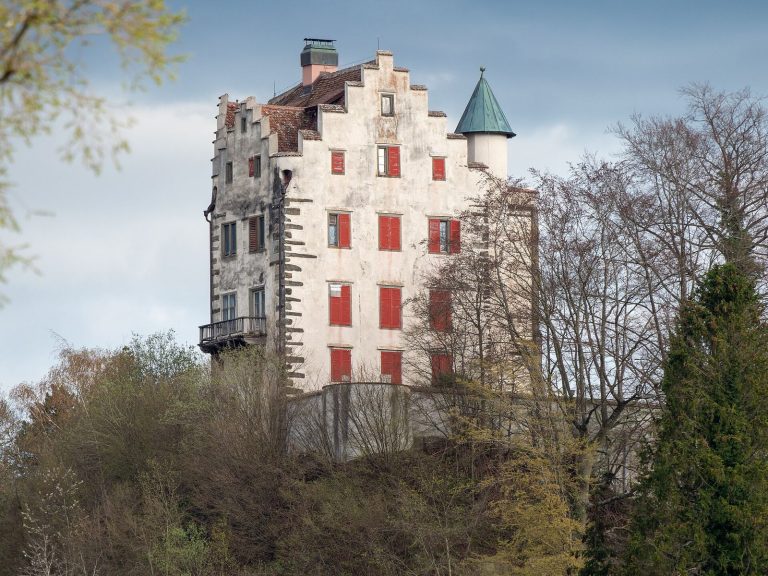
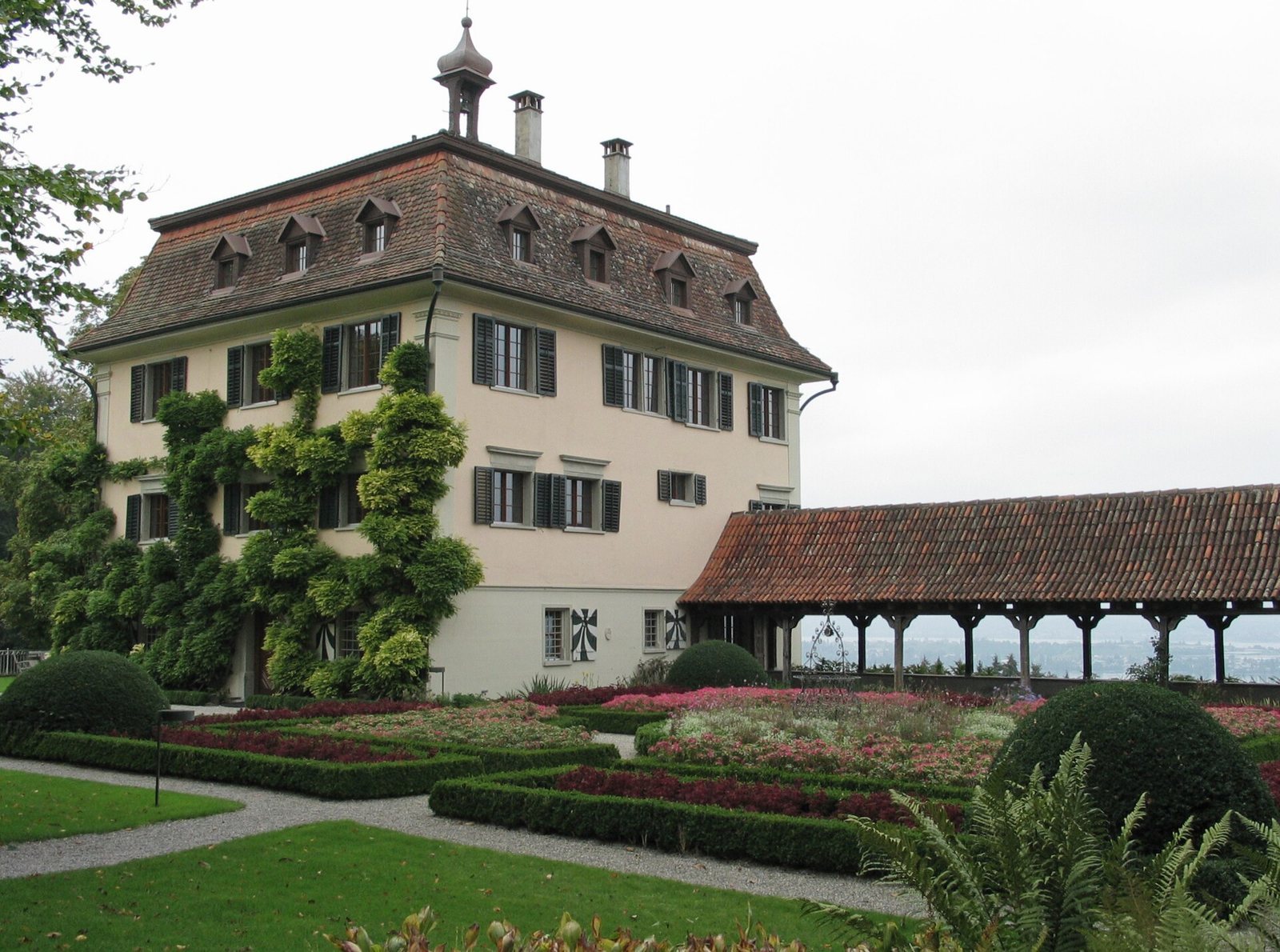
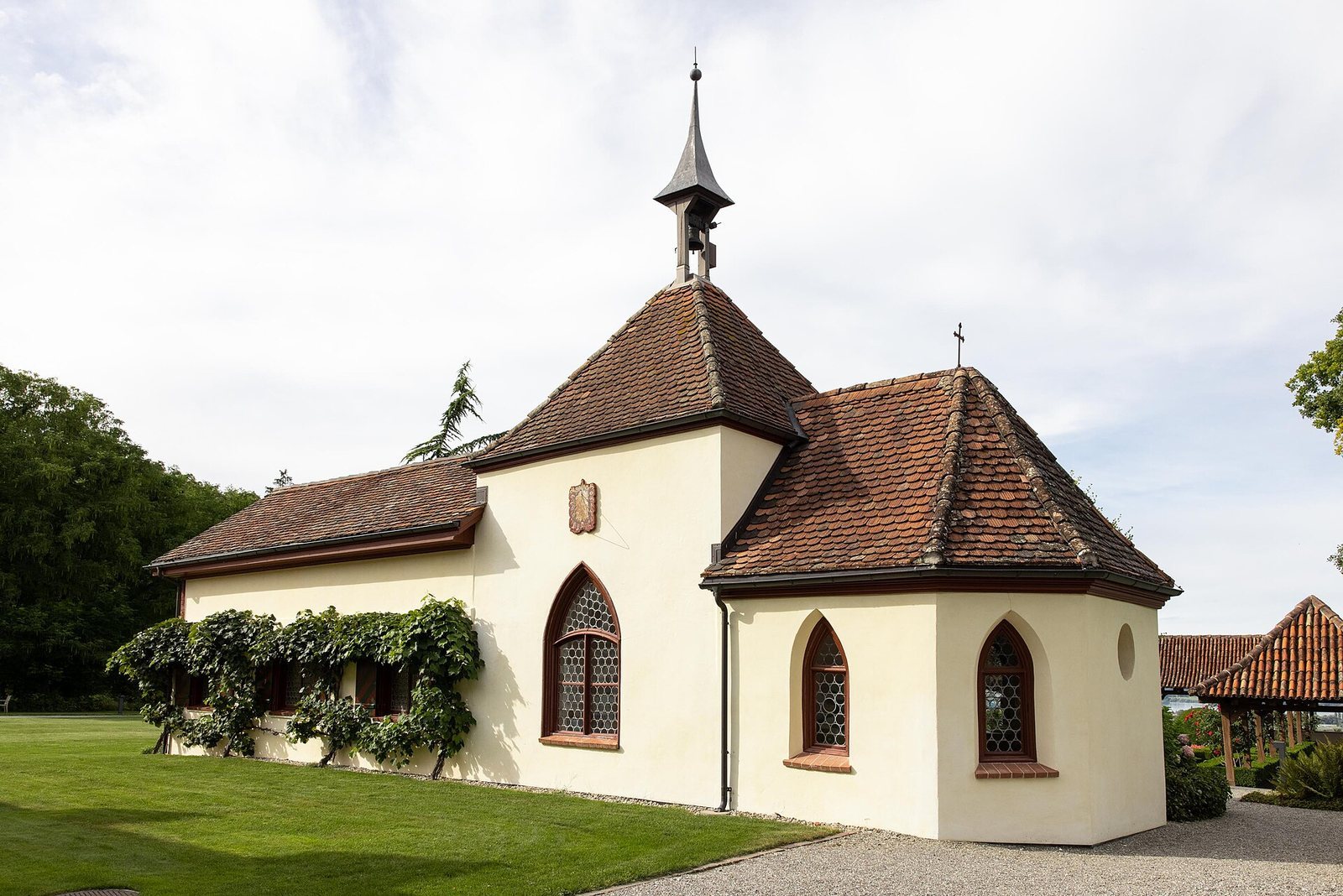
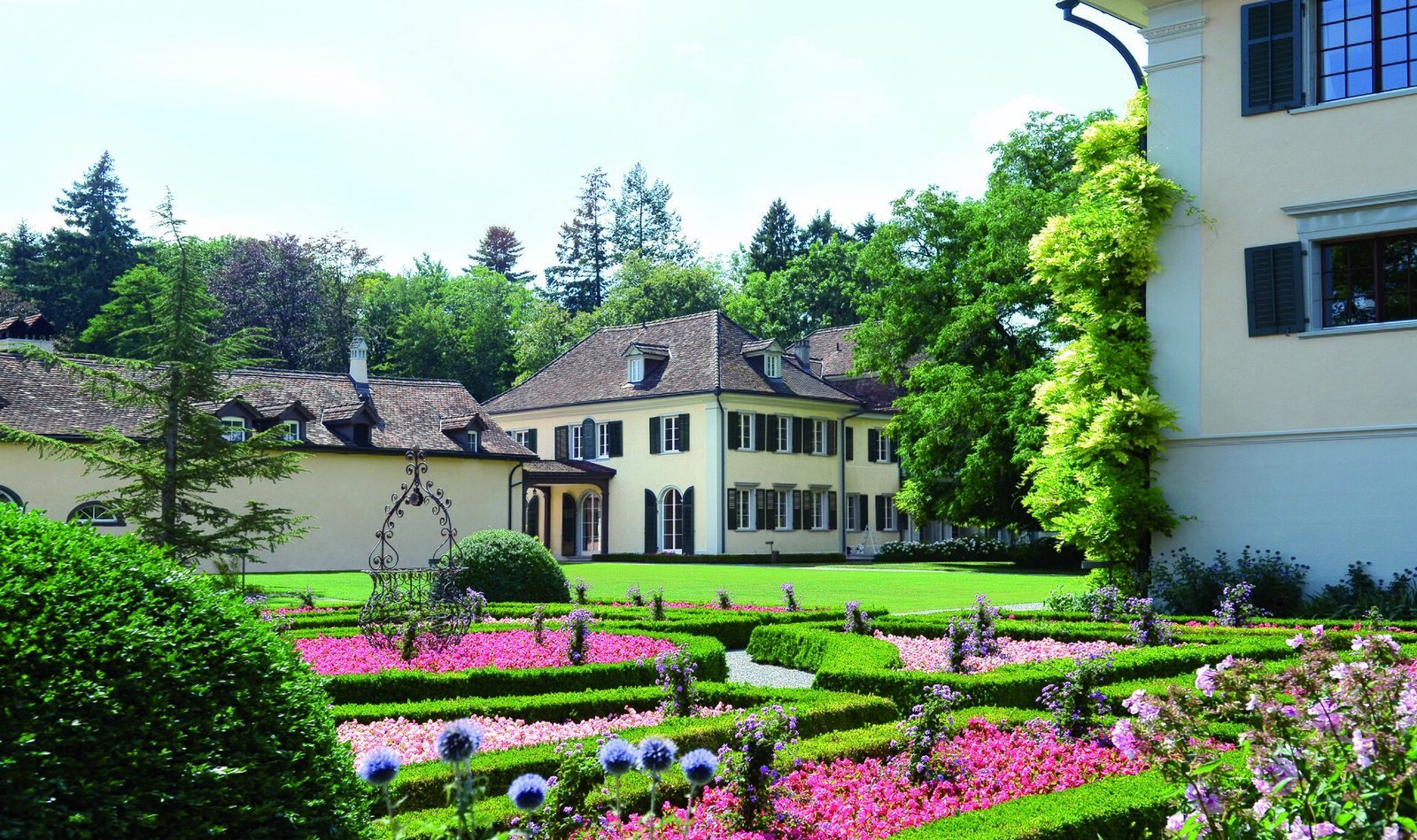
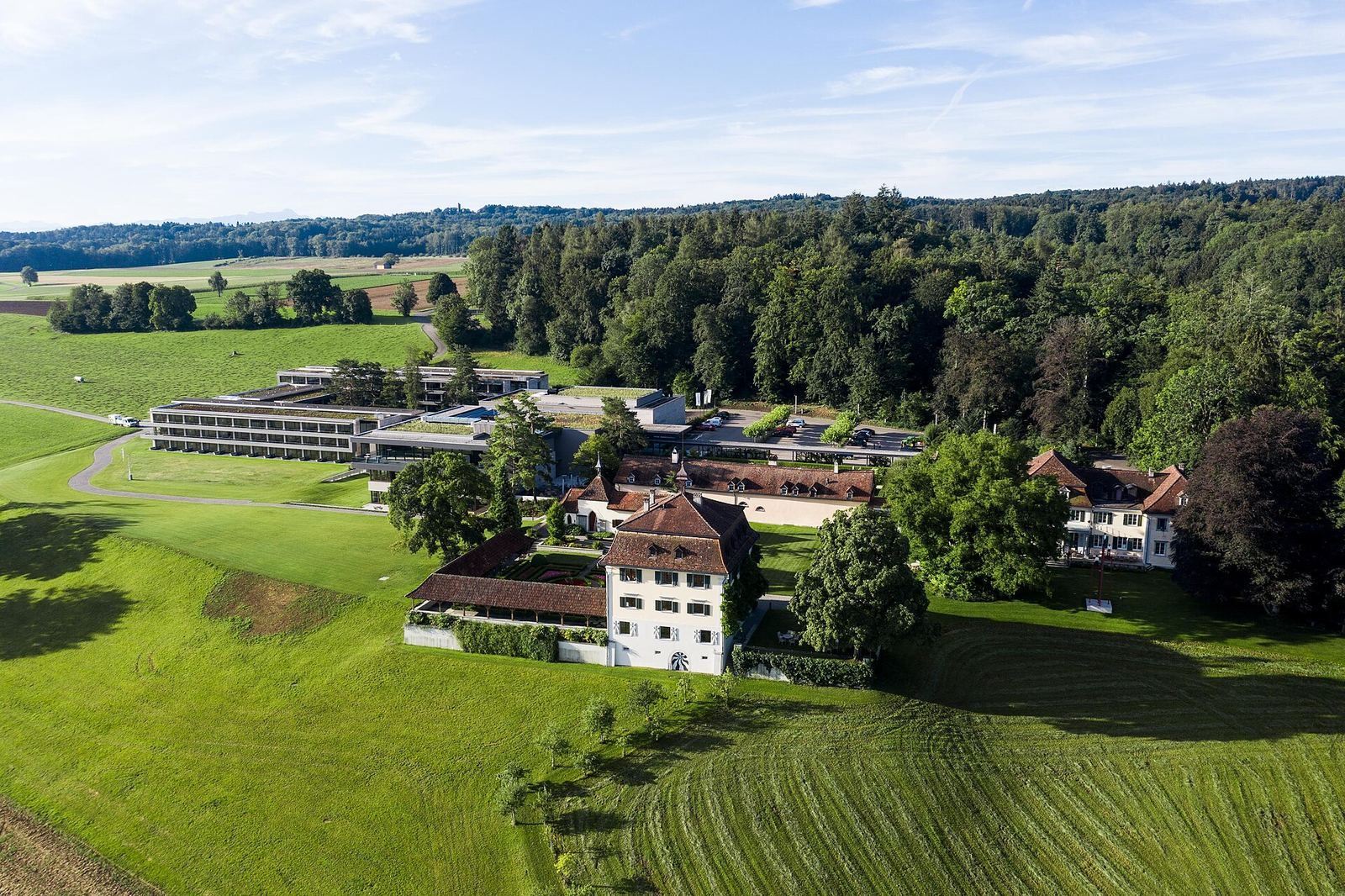
Château Wolfsberg with Parquin House and chapel stands in Ermatingen, Switzerland. Wolf Walter von Gryffenberg built the original castle in 1571. In 1731, Junker Johannes Zollikofer, a member of the landed nobility in German-speaking Central Europe, bought it and remodelled it into its present Baroque form, a European architectural style known for elaborate forms and decoration.
Private owners and changing uses
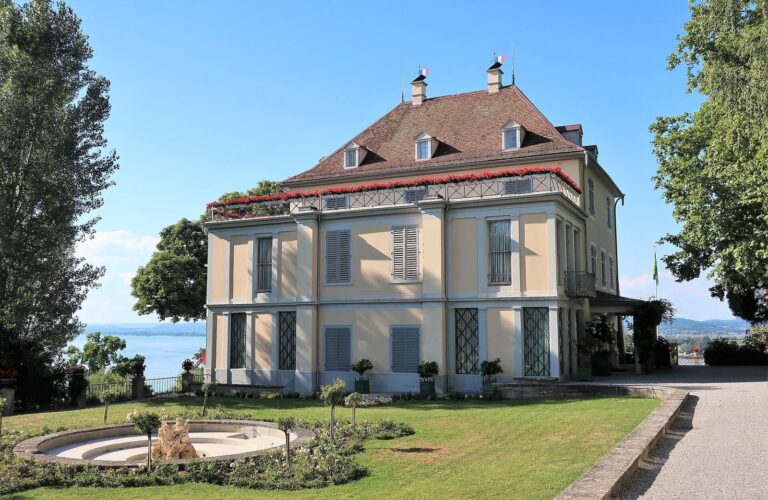
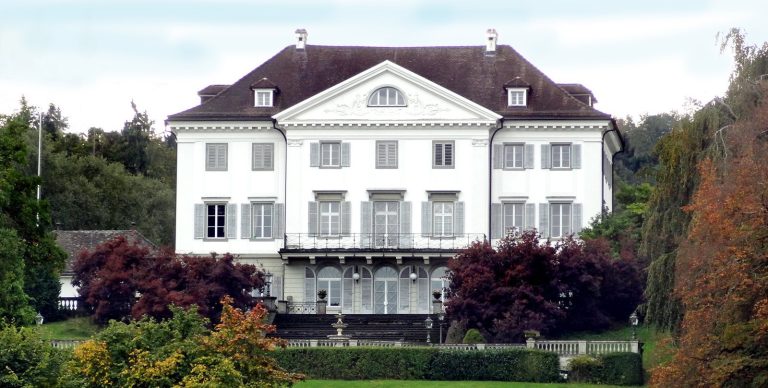
St. Gallen banker Jean Jacques Högger acquired the property in 1795 and probably commissioned Parquin House. His daughter, Giuliana Guglielmina Högger, inherited it after his death and sold it in 1815 to Baron Ignaz von Wechingen of Feldkirch. French Colonel Charles Parquin bought the castle in 1824, renovated it, and furnished it as a guesthouse. The venture failed in 1839.
Later, the Englishman Joseph Martin Parry made the property a model farm. In 1865, Karl Bürgi converted it into a care home, which operated until 1918.
Twentieth-century changes
In 1942–1943, crime writer Wolf Schwertenbach linked the castle to Walter Schellenberg, an SS Brigadeführer, a senior general rank in Nazi Germany’s SS security apparatus, and Roger Masson, a senior Swiss military officer.
UBS acquired the castle in 1970 and subsequently restored it. It became a training centre in 1975, and UBS is identified as its current owner.
Remains
Château and associated features
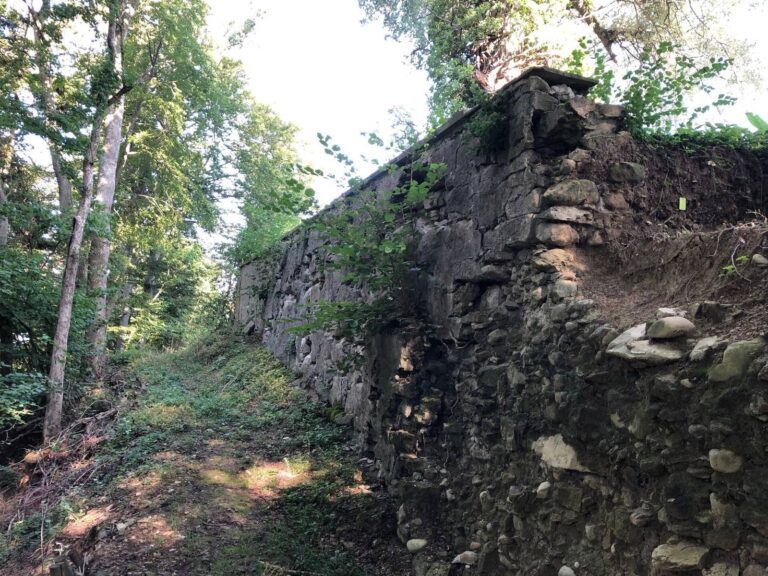
The hilltop complex stands 514 metres above sea level. Its original castle was cubical, and the château’s Baroque construction uses bossed ashlar masonry, made from stone blocks whose faces project beyond their worked edges. Additional buildings were added in the surrounding area during the restoration and conversion to a training centre.
Parquin House
Parquin House was probably built in the château’s southwest wing.
Library clock
An iron tower clock from the old castle, made by Laurentius Liechti in 1540, is mounted on the library’s west wall.