Birkenau Castle: A Late Baroque Castle and Landscape Garden in Germany
Site at a Glance
- Popularity
- Medium
- Country
- Germany
- Primary era
- Early Modern
- Eras represented
- Early Modern, Modern
- Civilizations
- Electoral Palatinate, Holy Roman Empire
- Site type
- Domestic
- Remains
- Castle
On this page5 sections
History
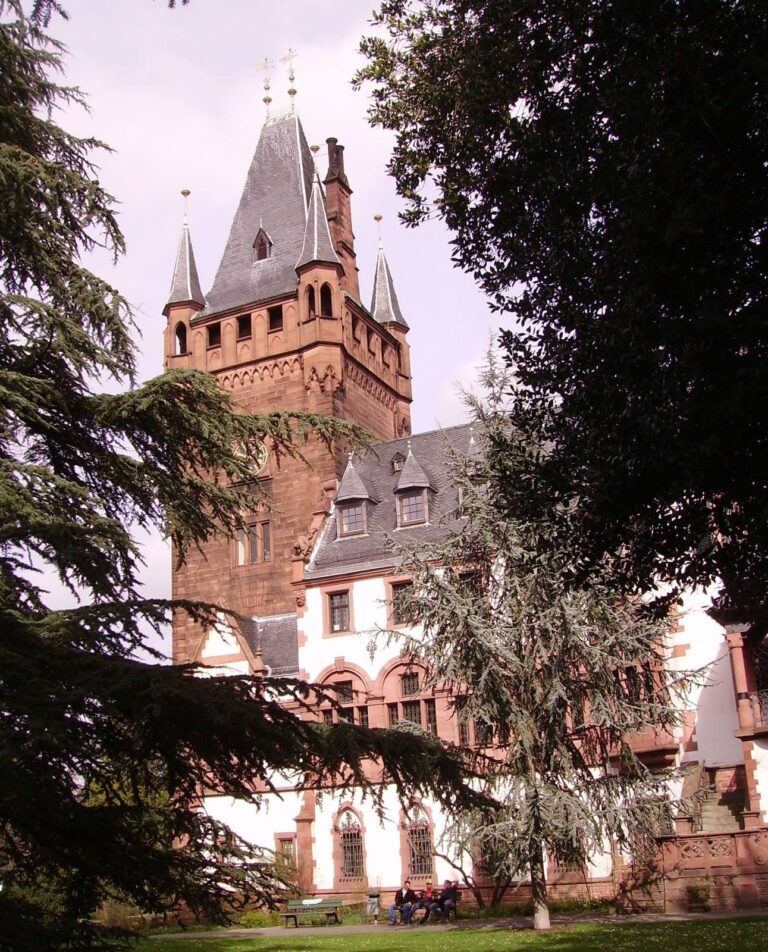
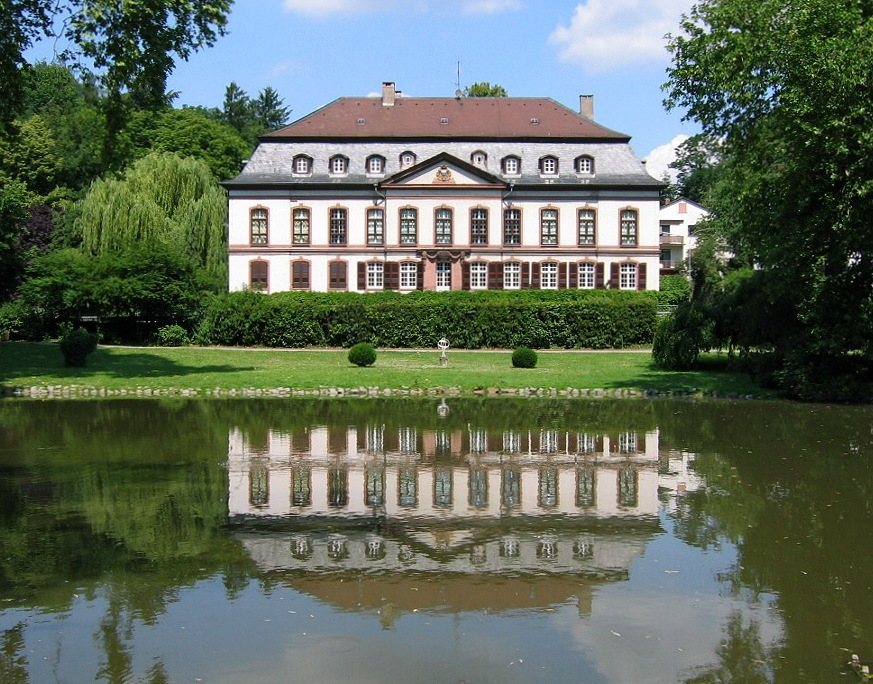
Birkenau Castle is a late Baroque castle in Birkenau, Germany, in the Weschnitz valley near Weinheim. In 1765, Baron Wambolt von Umstadt, a German nobleman, commissioned Johann Leonhard Stahl, a court master builder in Speyer, to build it. Franz Wilhelm Rabaliatti, a court master builder serving the Electoral Palatinate, a historic territory within the Holy Roman Empire, completed the castle in the 1770s.
The building was altered during the nineteenth and early twentieth centuries. It remains in the private ownership of the Wamboldt von Umstadt family.
Remains
The site consists of a simply designed, two-storey late Baroque castle with an attached park. The grounds have changed over time, while the castle stands close to the location of an earlier building or buildings.
Castle and park
Castle
The two-storey building was constructed near an earlier structure or group of structures, possibly including a castle surrounded by water. Its design is relatively simple, and the castle has undergone alterations in the nineteenth and early twentieth centuries.
Garden
The castle garden was first laid out in the French style in 1767. From 1787, it was redesigned as an English-inspired landscape garden to plans by Friedrich Ludwig von Sckell. A road between Weinheim and Fürth, built in the 1840s and later designated Federal Highway 38, divided the original park into two parts.