Stubenberg Castle: A Renaissance Castle and Noble Residence in Styria
Site at a Glance
- Rating
- 4.4
- Popularity
- Low
- Country
- Austria
- Primary era
- Early Modern
- Eras represented
- Medieval, Early Modern
- Civilizations
- Duchy of Styria, Habsburg, Holy Roman Empire
- Site type
- Domestic
- Remains
- Castle
On this page5 sections
History
From medieval complex to Renaissance castle
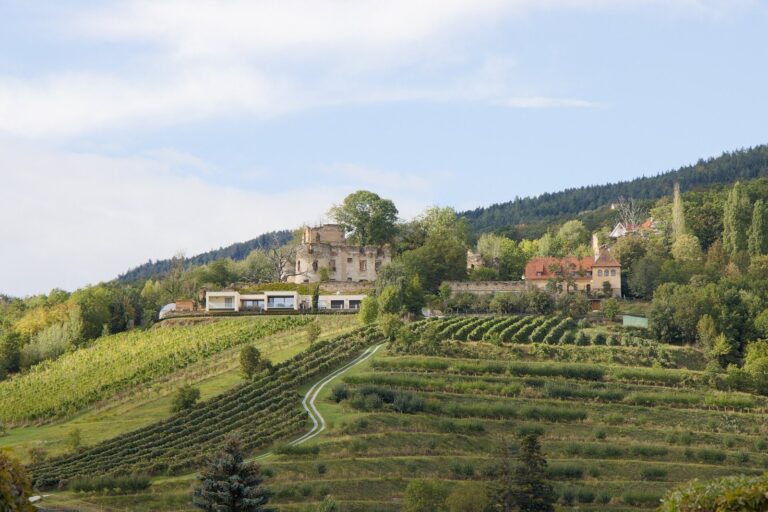
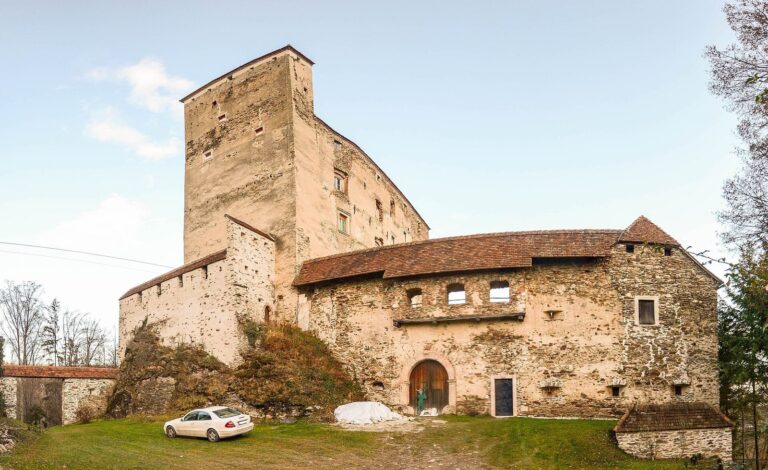
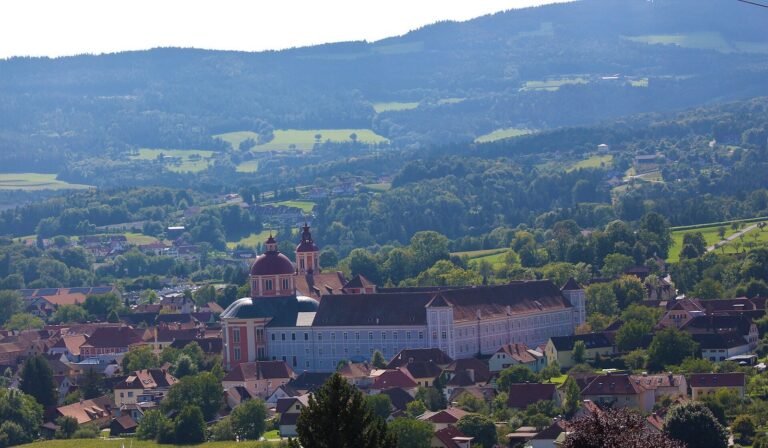
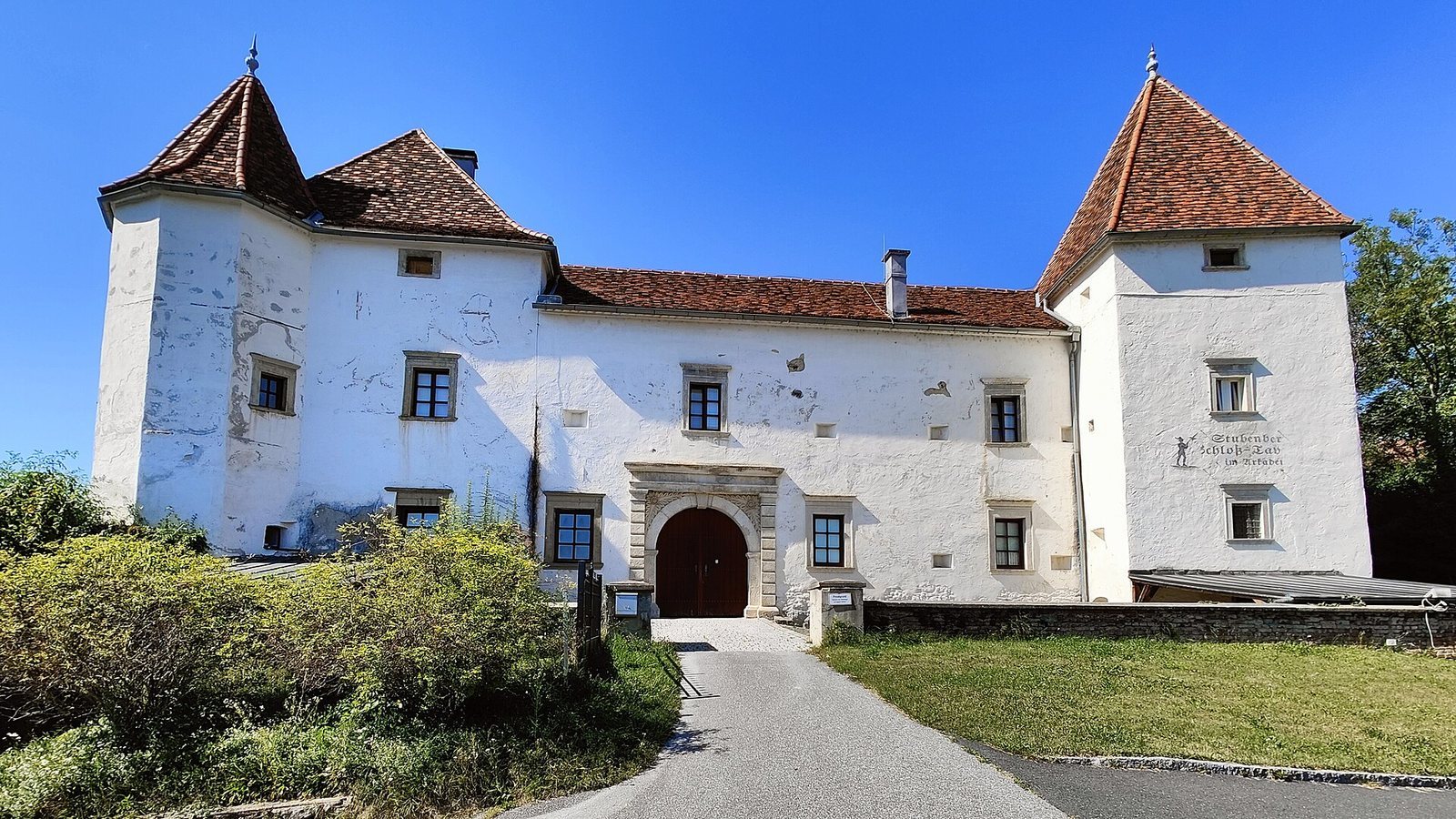
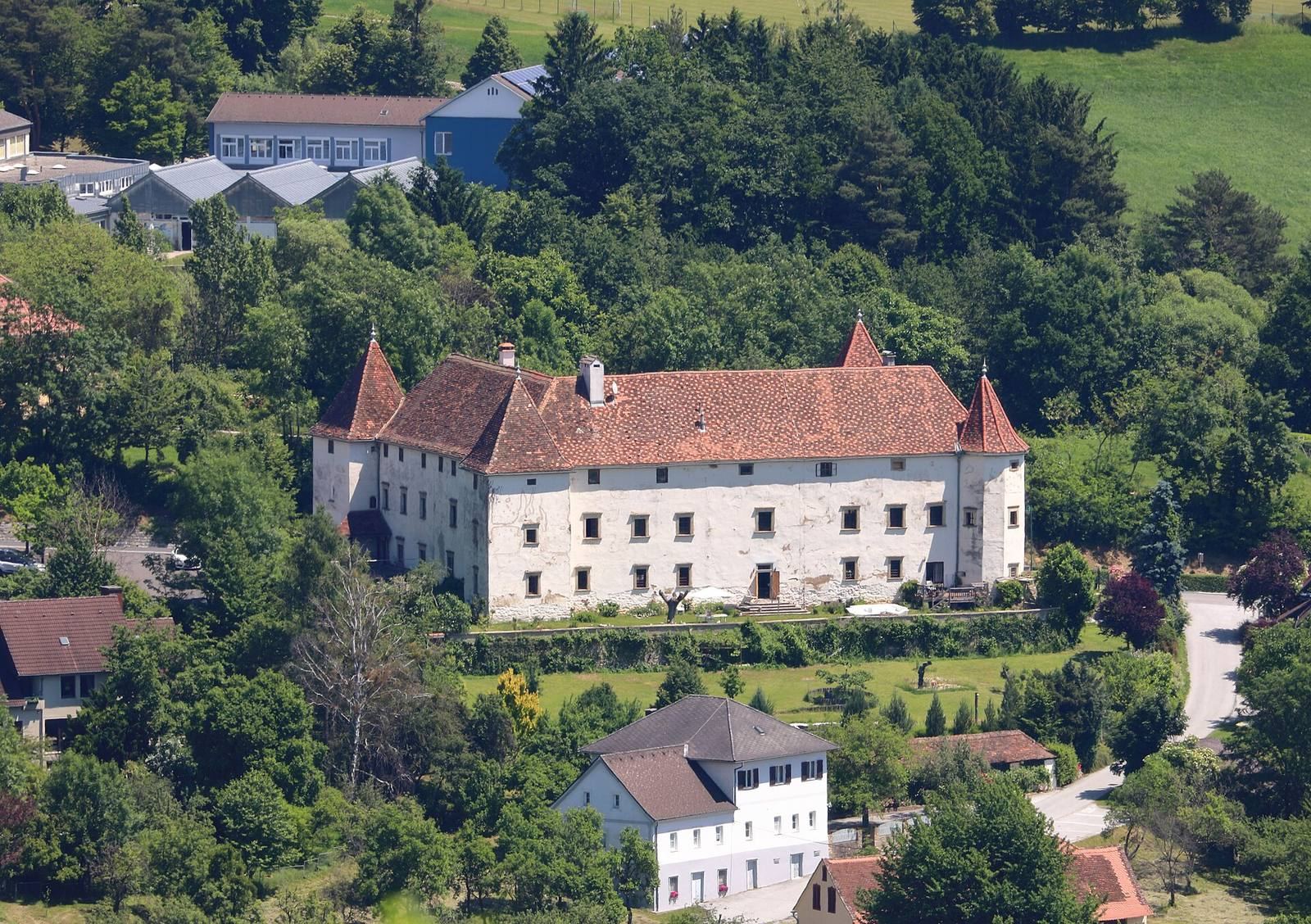
Stubenberg Castle, in Stubenberg am See, Austria, has a complex dating to the 13th century that was developed into a castle in the 16th century. Its Renaissance design drew on classical forms and principles. The castle takes its name from the Lords of Stubenberg, a prominent Styrian noble family. By the 17th century, the family had provided five provincial governors, the chief executive officials of a province. When eastern threats arose, it could muster more horses and marksmen than the Archbishop of Salzburg.
In the 16th century, the Stubenberg counts adopted Protestantism. Georg Sigmund left for Bavaria with most of the family’s wealth, and the family’s influence declined. The castle then passed to the Drachsler family, traditionally credited with commissioning the Renaissance castle dated to 1581.
Later ownership and uses
The Herberstein family owned the castle from 1632, and the Counts Wurmbrand acquired it in the 19th century. In 1926, Henriette, Countess of Wurmbrand-Stuppach, established a convent there for the Franciscan Missionaries of Mary, a Roman Catholic women’s congregation with a missionary vocation. The convent remained in the castle until 1979.
Frank and Margaritha Schleicher took the castle into private ownership in 1980. Their family operated a hotel there from 2001 until it closed in 2018, and oversaw renovation, maintenance, and revitalization of the building through 2020.
Remains
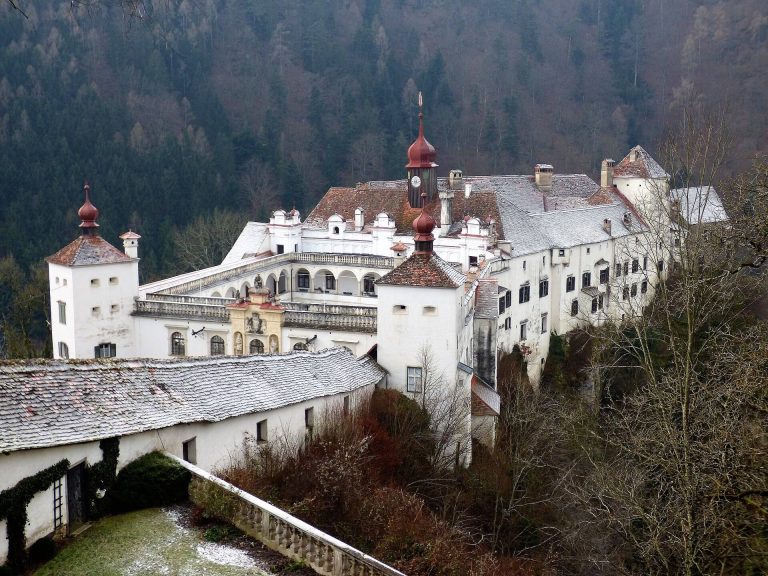
Castle structure and courtyard
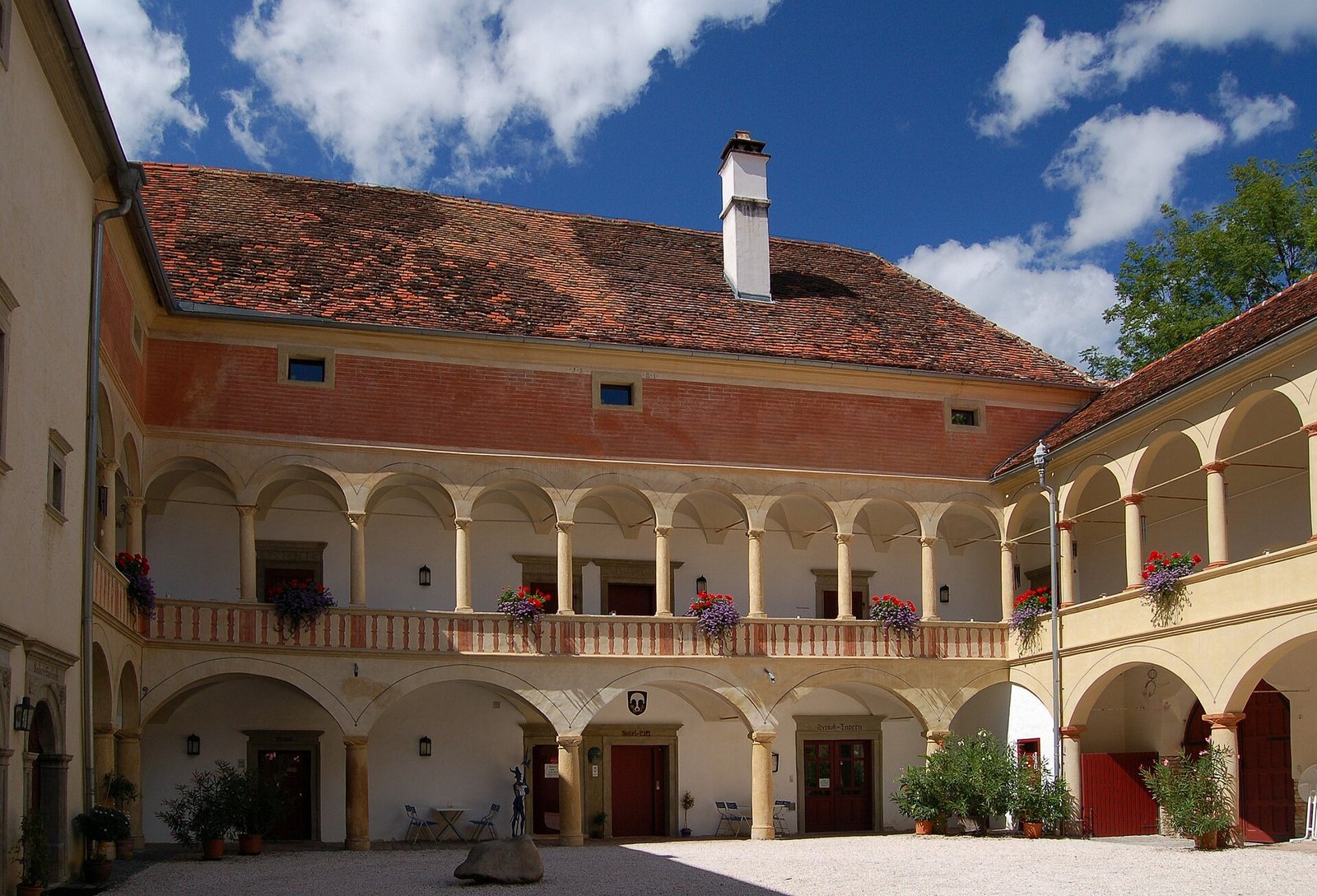
The castle stands on foundations belonging to the manor farm of an older castle. Its Renaissance form includes an enclosed courtyard lined with arches supported by columns or piers.