Adelmannsfelden Castle: A Noble Seat in Germany
Site at a Glance
- Popularity
- Medium
- Country
- Germany
- Primary era
- Medieval
- Eras represented
- Medieval
- Civilizations
- Holy Roman Empire
- Site type
- Domestic
- Remains
- Castle
On this page4 sections
History
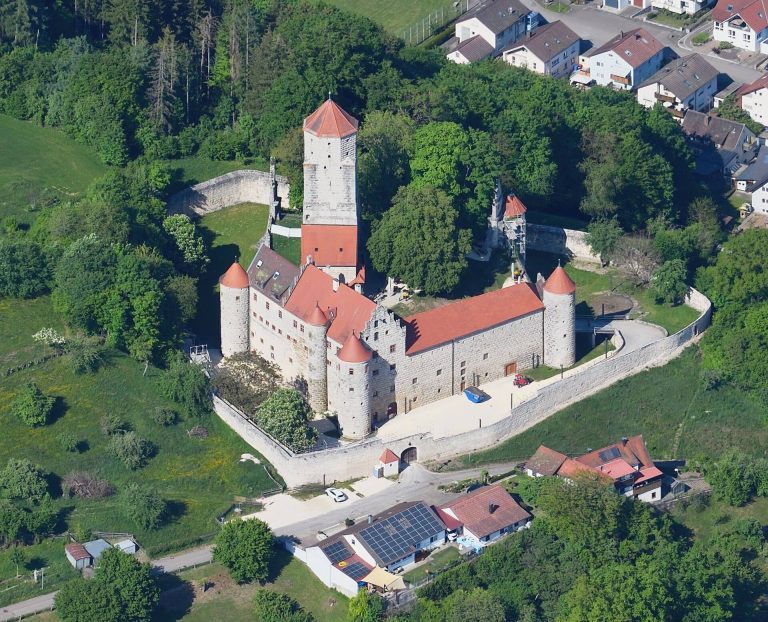
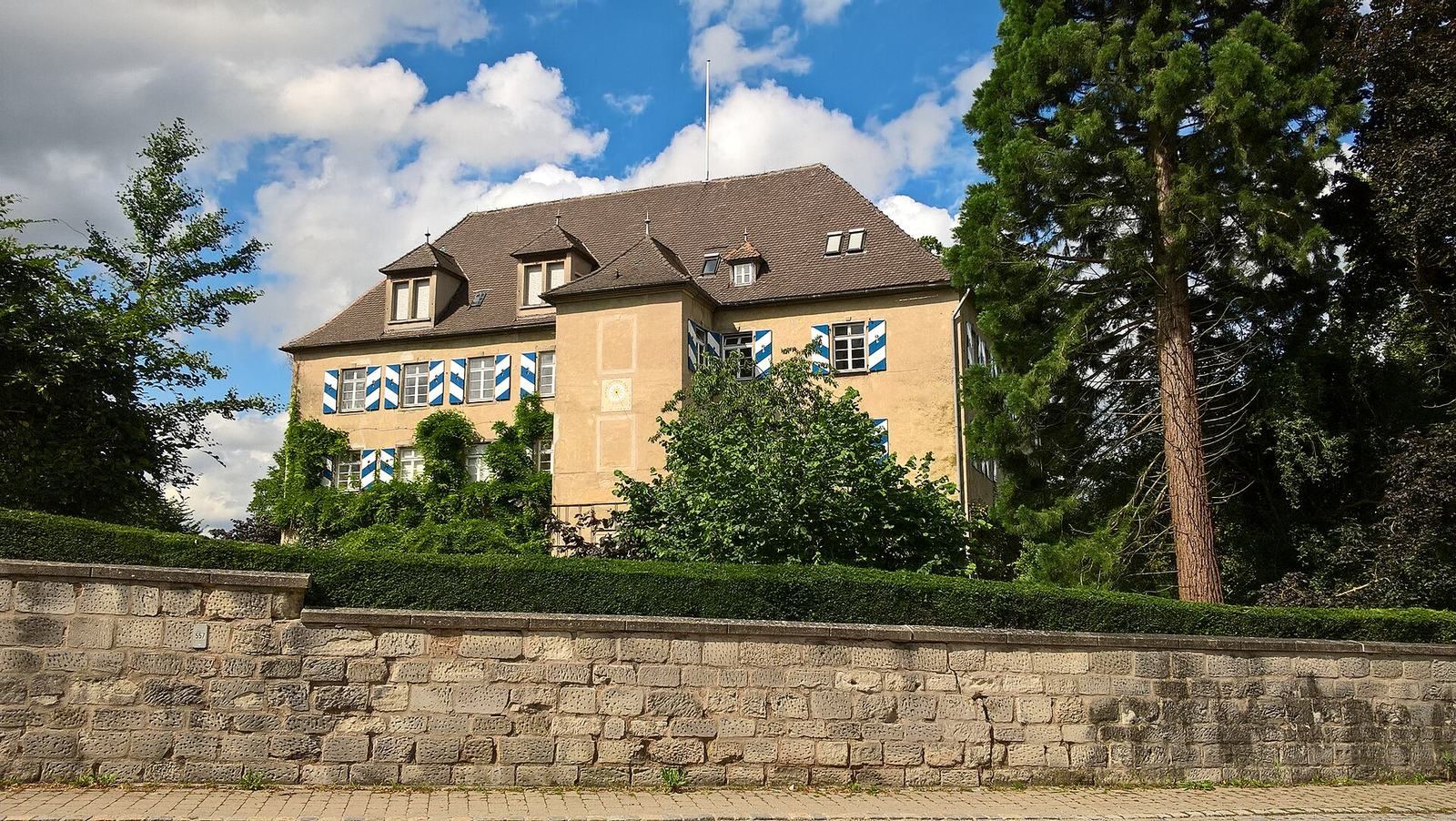
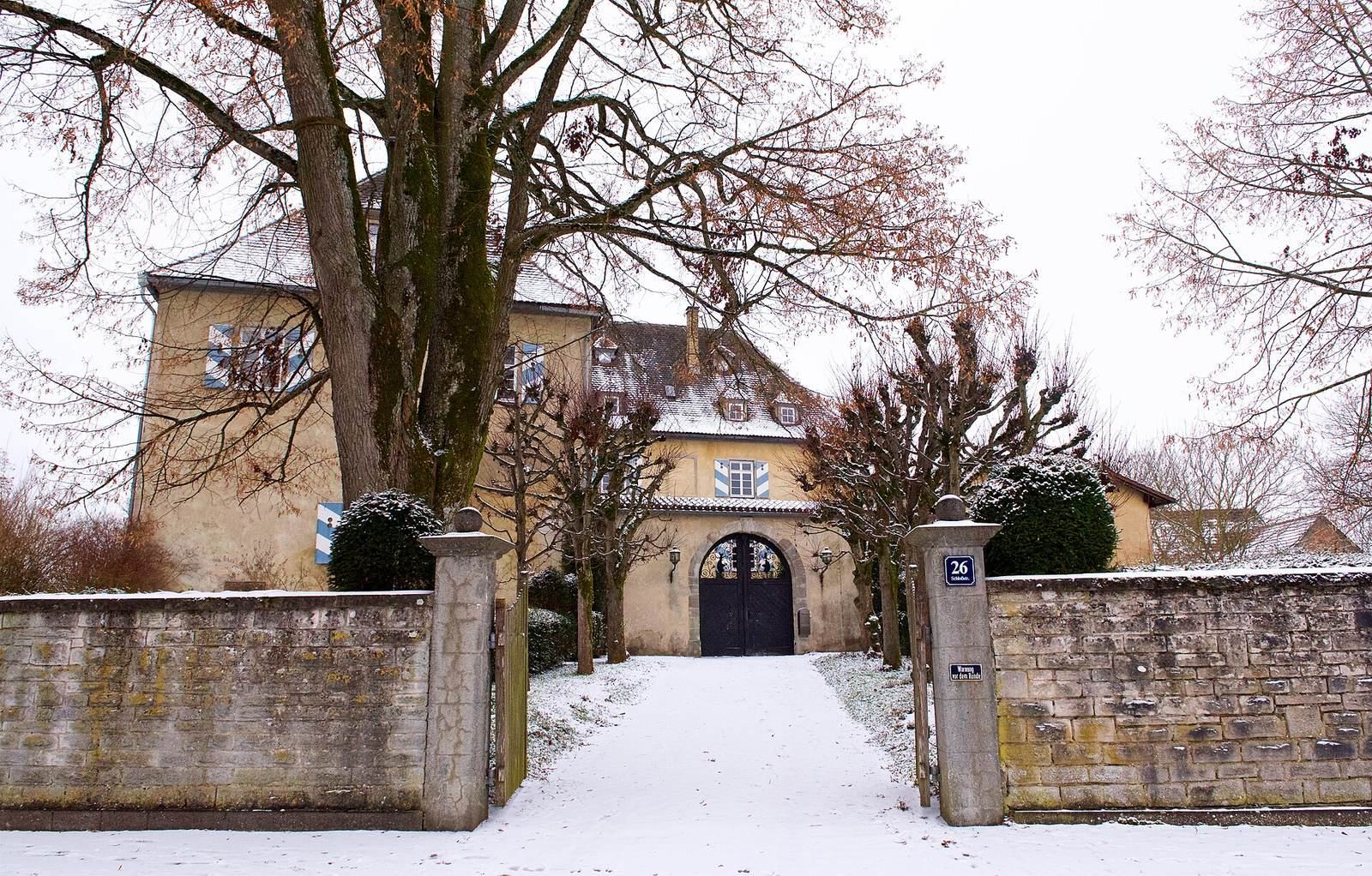
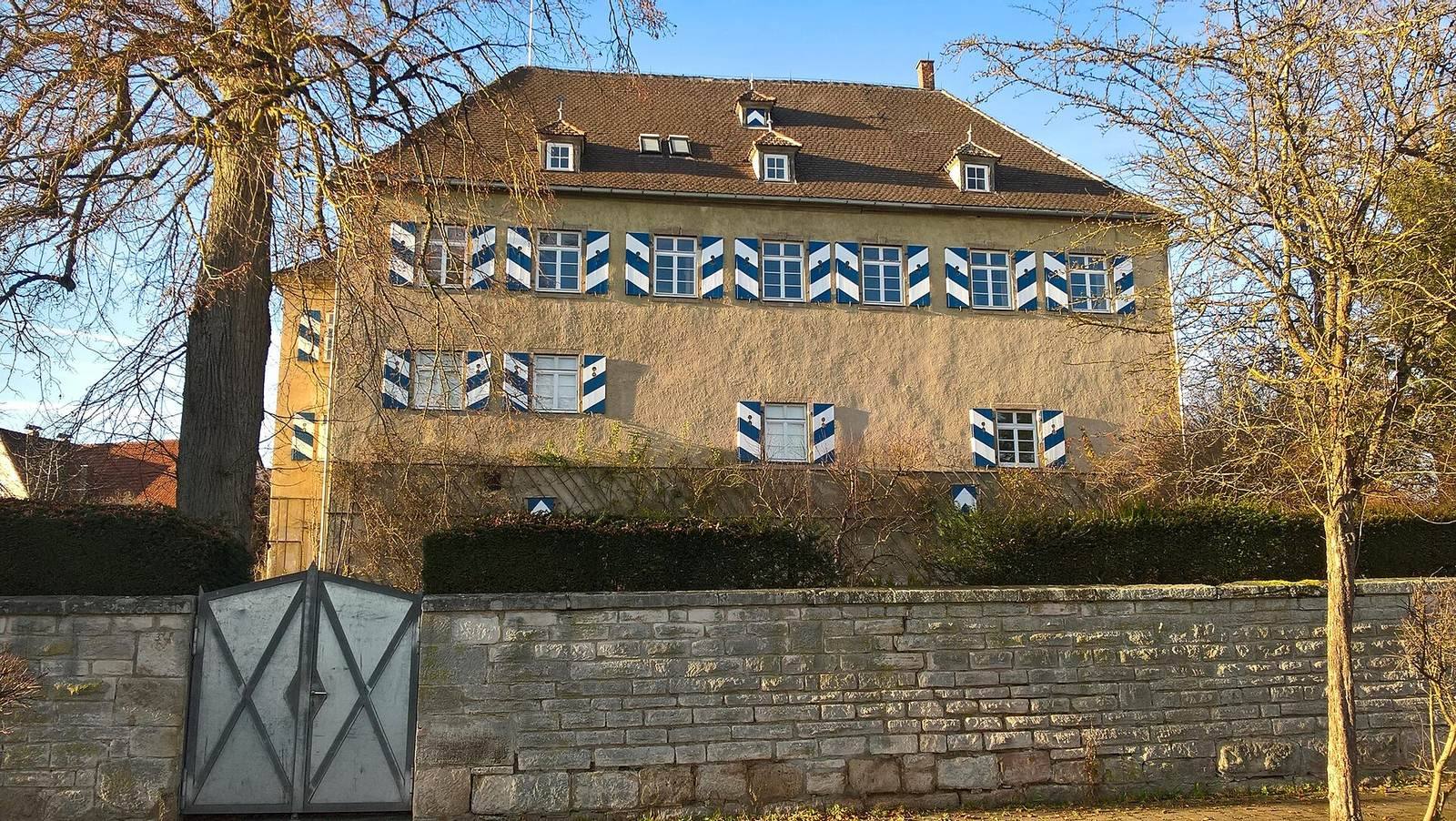
Adelmannsfelden Castle is a medieval noble residence in Adelmannsfelden, Germany, developed from an 11th-century castle. A castle at the settlement was first recorded in 1113, and a noble family there was mentioned by 1136. The castle and the settlement’s name point to the family having its seat there by the early 12th century.
Early lordship and transfers
During the 13th-century Interregnum, a period of contested royal authority in the Holy Roman Empire, the settlement and lordship passed to the Counts of Oettingen. In 1361, Counts Ludwig VIII and Ludwig X sold them to Ellwangen Abbey, a major Swabian monastery, for 4,000 pounds Heller.
In 1380, the Schenken of Limpurg, a Swabian noble house whose title was associated with the court office of cupbearer, bought the castle and village. The castle probably served as their hunting seat, since a forest set aside as a game preserve lay in the area.
The Vohenstein family and later use
In 1493, Adelmannsfelden was pledged to the Lords of Vohenstein, who retained the property until 1737. The castle passed by inheritance to Otto von Vohenstein in 1610 and to his brother Johann Christoph in 1621. When the Vohenstein male line ended in 1737, the inheritance was divided among the Jungkenn, Gültlingen, Nettelhorst, Bernerdin, Harling, and Onz families. Friedrich Christian Arnold von Jungkenn had the castle remodeled in 1761.
Toward the end of the 18th century, some shares in Adelmannsfelden passed to the Duchy of Württemberg. After the 1803 Reichsdeputationshauptschluss, a settlement that reorganized territories in the Holy Roman Empire and secularized ecclesiastical lands, Adelmannsfelden passed entirely to the newly established Kingdom of Württemberg. By the mid-19th century, the castle housed the district forester and forestry office. The Counts Adelmann acquired it again in 1882 and have continued to use it as their seat.
Remains
The castle’s surviving fabric includes Romanesque remains in its walls. A description from 1730 presents the castle as enclosed by ditches on three sides, with an outer ward, a fortified courtyard outside the main castle, and masonry.