Schloss Hohenstadt: A Baroque Castle and Pilgrimage Church in Germany
Site at a Glance
- Rating
- 4.3
- Popularity
- Low
- Country
- Germany
- Primary era
- Early Modern
- External website
- Open
- Eras represented
- Early Modern
- Civilizations
- Holy Roman Empire
- Site type
- Domestic
- Remains
- Castle
On this page6 sections
History
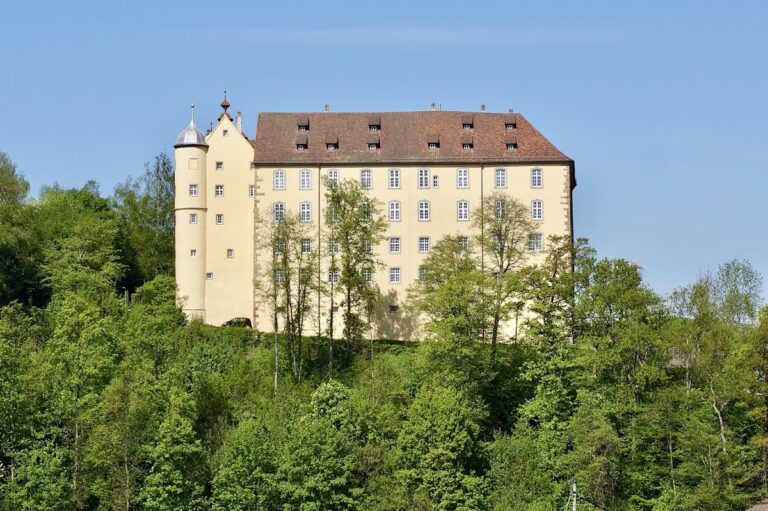
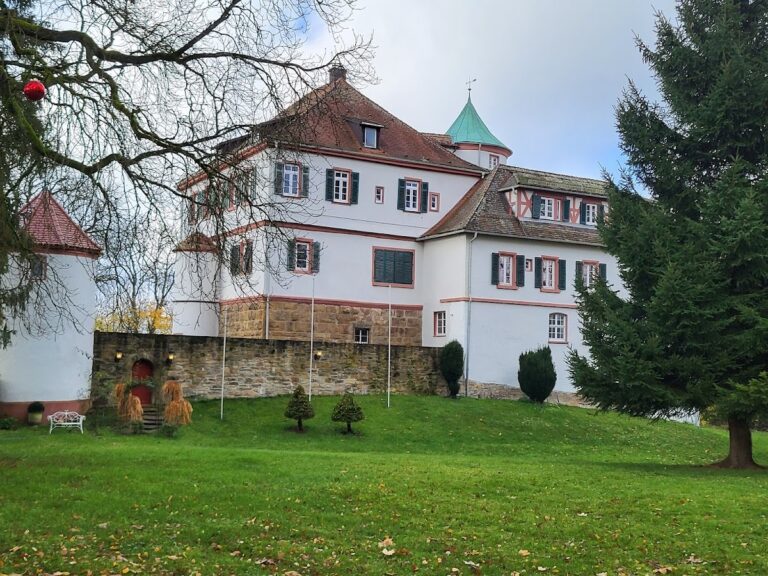
Schloss Hohenstadt is a castle and pilgrimage church complex in Germany, built under Wilhelm Adelmann between 1707 and 1711 in the regional tradition known as Vorarlberg Baroque. The ensemble was associated with the Adelmann von Adelmannsfelden noble family and later acquired its present Baroque form around 1760.
The Adelmann Building Phase
Wilhelm Adelmann commissioned the castle and pilgrimage church at the beginning of the eighteenth century. The two buildings were conceived as an architectural unit. Alterations during the sixteenth and seventeenth centuries preceded the later transformation that gave the castle its current appearance.
The Hedge Garden
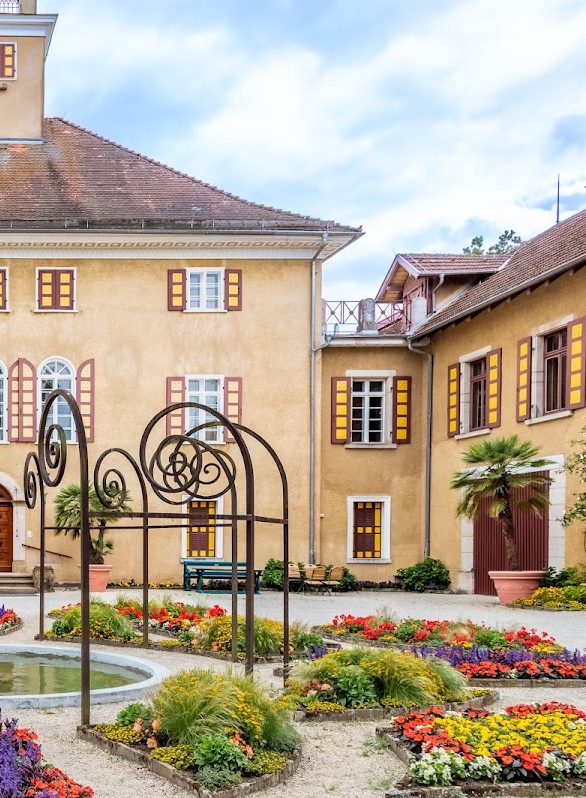
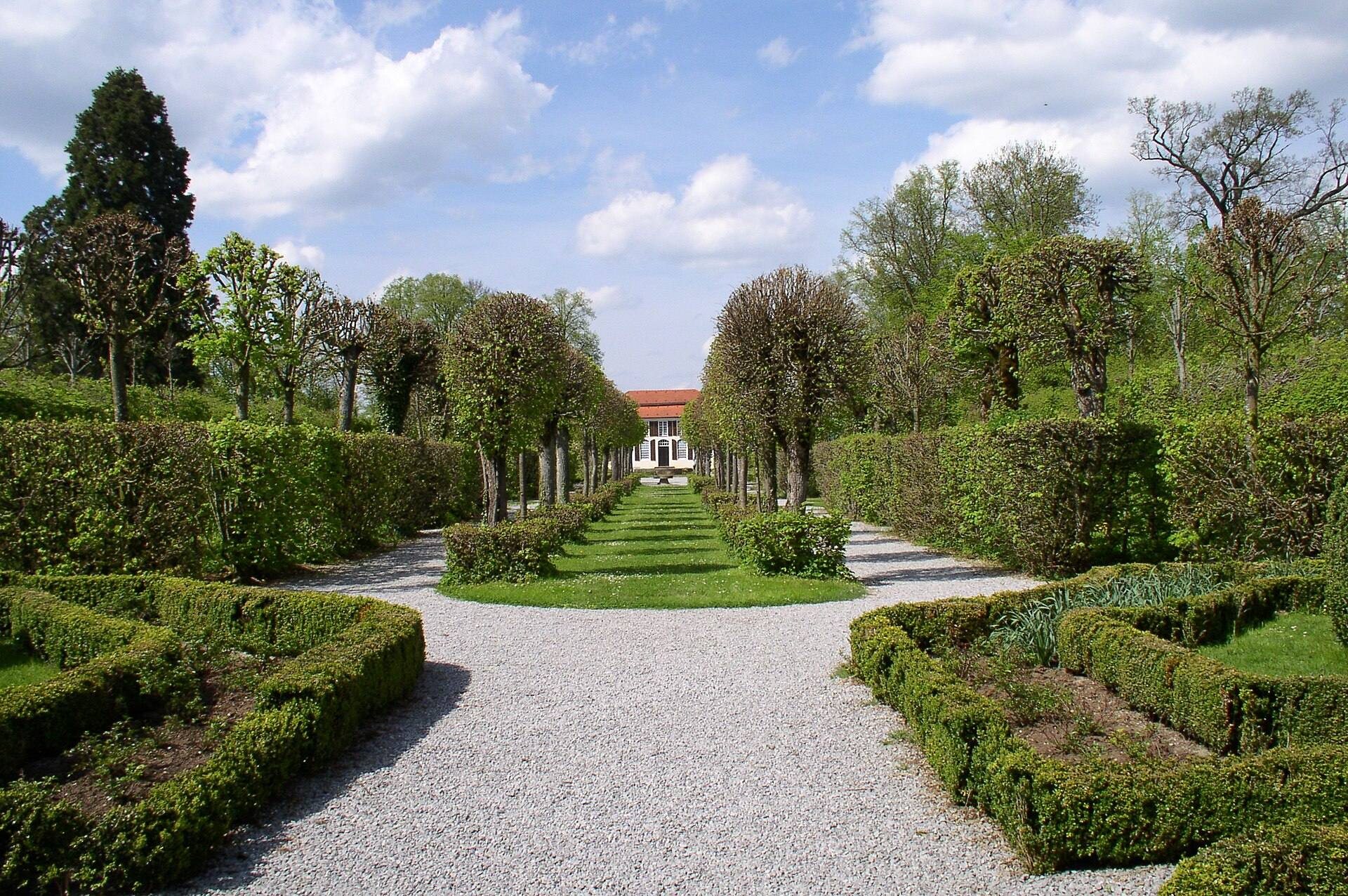
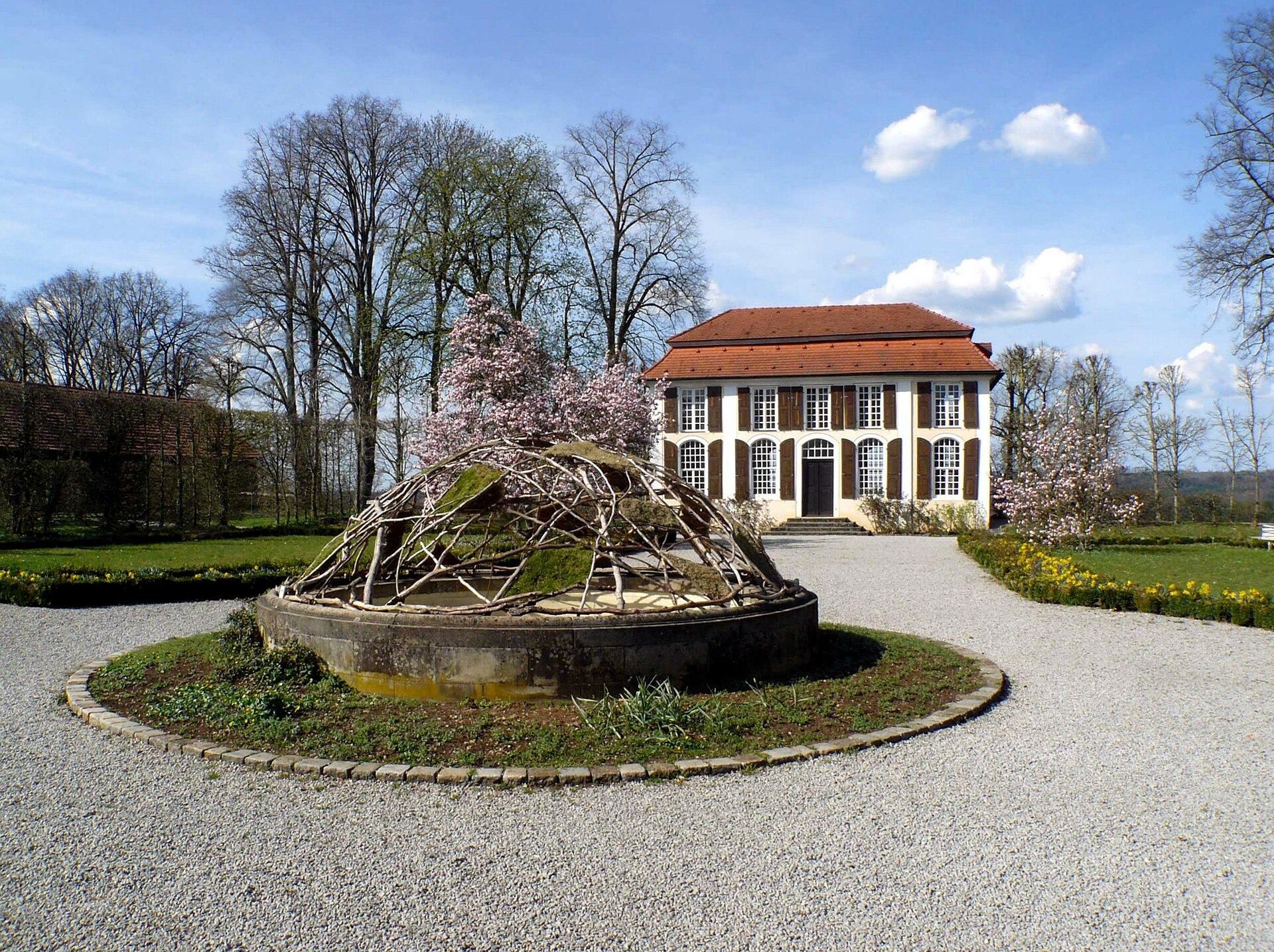
The hedge garden connected with Schloss Hohenstadt was first recorded in 1549. It was redesigned in the French style in 1756, during the period when the castle was assuming its present Baroque character. The garden complex has been protected as heritage since 1982.
Remains
The site consists of the castle and pilgrimage church, situated high above the Kochertal, together with a hedge garden a short distance to the north. The buildings are regarded as one of the finest examples of Vorarlberg Baroque architecture, a regional church-building tradition associated with builders from the Vorarlberg area.
Castle and Pilgrimage Church
The castle and church form a unified architectural group. Within the castle, the stairs on the upper floors rest freely on the floors and have unusually shallow steps, creating a distinctive staircase arrangement. This arrangement is said to occur elsewhere only in the Würzburg Residence.
Hedge Garden
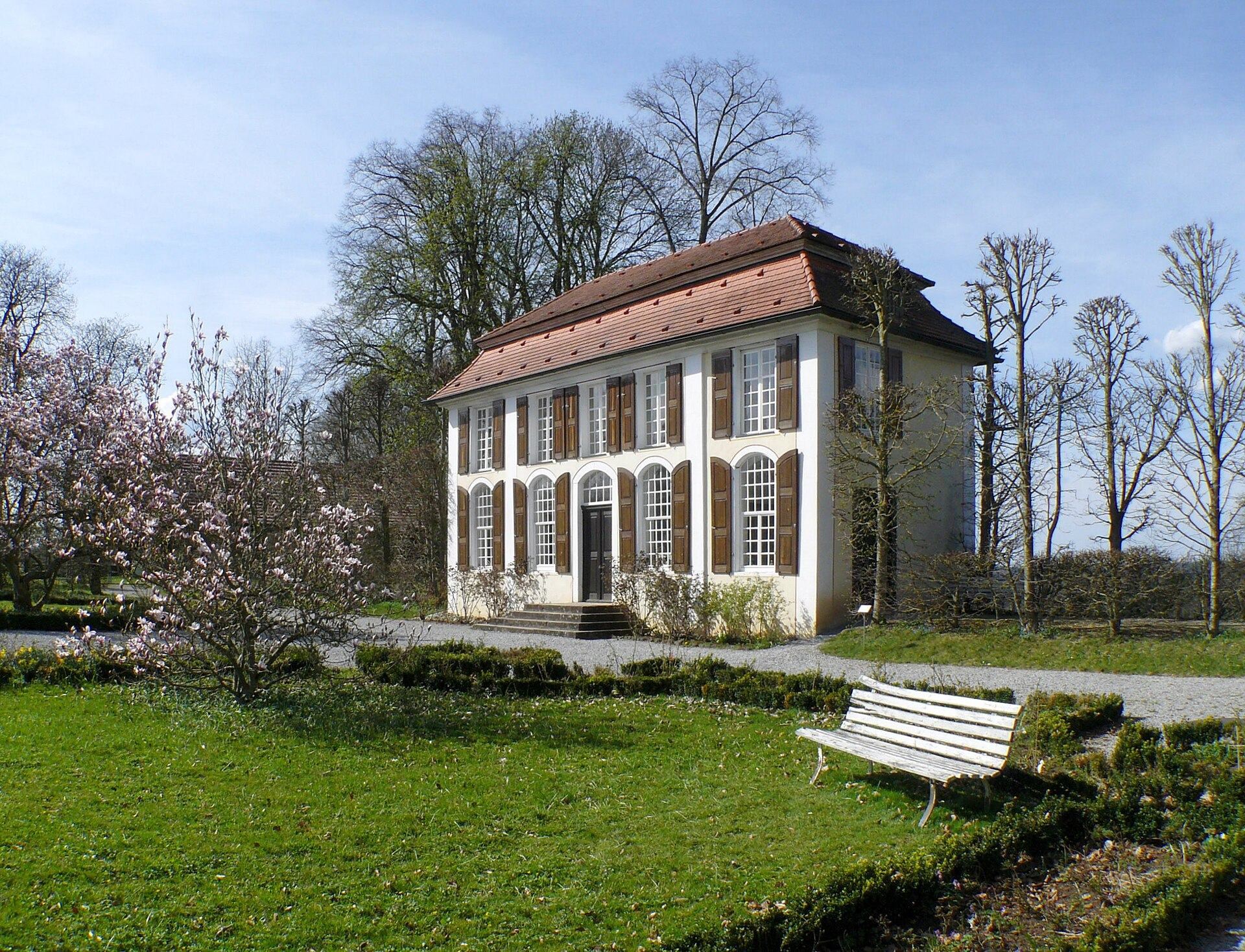
The hedge garden is described as one of the oldest gardens of its type in Europe. Its two-storey garden house, known as a Lusthaus, was built in 1760 and forms part of the garden complex north of the castle.