Borač Fortress: A Medieval Stronghold in Serbia
Site at a Glance
- Popularity
- Medium
- Country
- Serbia
- Primary era
- Medieval
- Eras represented
- Medieval, Early Modern, Modern
- Civilizations
- Ottoman, Serbian Despotate
- Site type
- Military
- Remains
- Castle
On this page8 sections
History
Borač Fortress is a medieval stronghold on Borački krš in Serbia; its foundation date is unknown, although it is first recorded in 1389. The earliest fort on the hill was Roman, built as an observation post overlooking an important road. The settlement later became the center of a Serbian district and the fortress a contested stronghold in the country’s north.
Early occupation and district center
People inhabited the Borač hills for thousands of years. By at least the 12th century, the medieval settlement was the center of a župa, a territorial district. In the 13th century, it served as the seat of a district of the same name. The settlement grew substantially during the period of Despot Stefan Lazarević, with “despot” being a ruler’s title used in parts of southeastern Europe.
A contested stronghold
In 1389, Sigismund of Luxembourg, King of Hungary, took Borač and the nearby fortress of Čestin. Princess Milica is also associated with Borač as a residence after her husband, Prince Lazar, died at the Battle of Kosovo earlier that year. In 1405, Stefan Lazarević issued a charter to the people of Dubrovnik at Borač. Later, Despot Đurađ Branković strengthened the fortress after the loss of Belgrade and Golubac, while Smederevo was being built. Borač was then the only major fortification in the country’s north. In 1438, Ottoman Sultan Murad II captured and razed the stronghold.
The historic complex and conservation
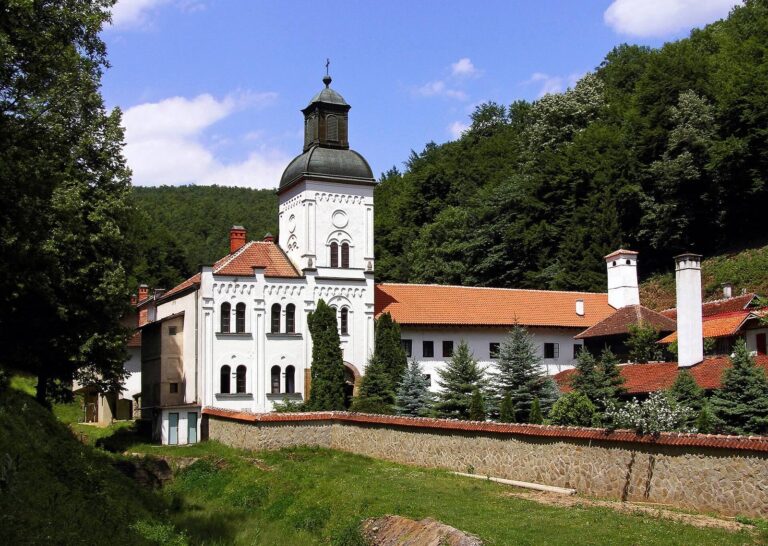
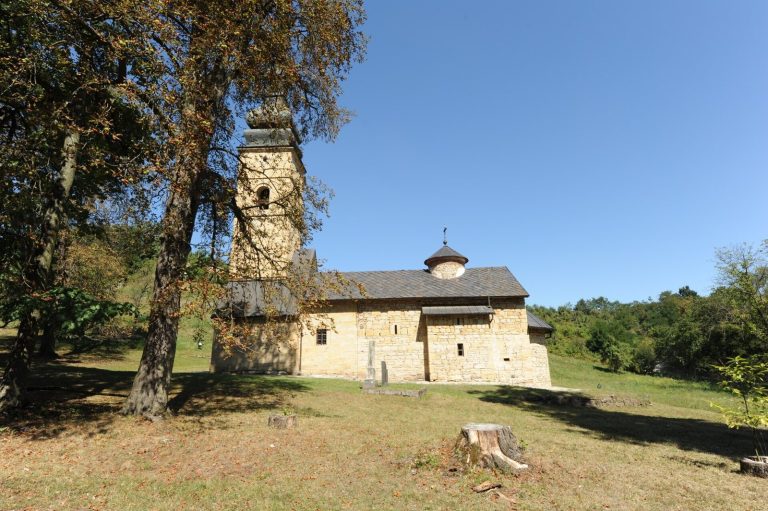
The historic complex comprises the fortress, the Church of the Holy Archangel Michael, and an old cemetery. Serbia protects the site as a cultural monument of great importance. The church was restored from 1968 to 1969, and work at the cemetery took place in 1999 and 2005.
Remains
Fortress layout
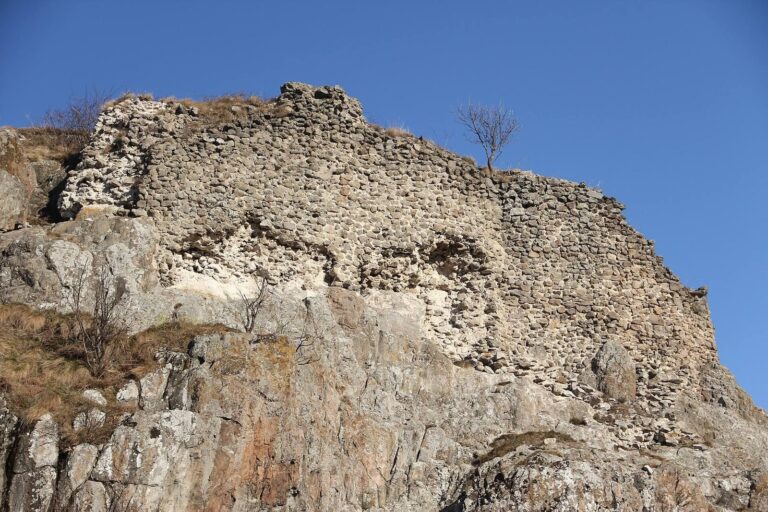
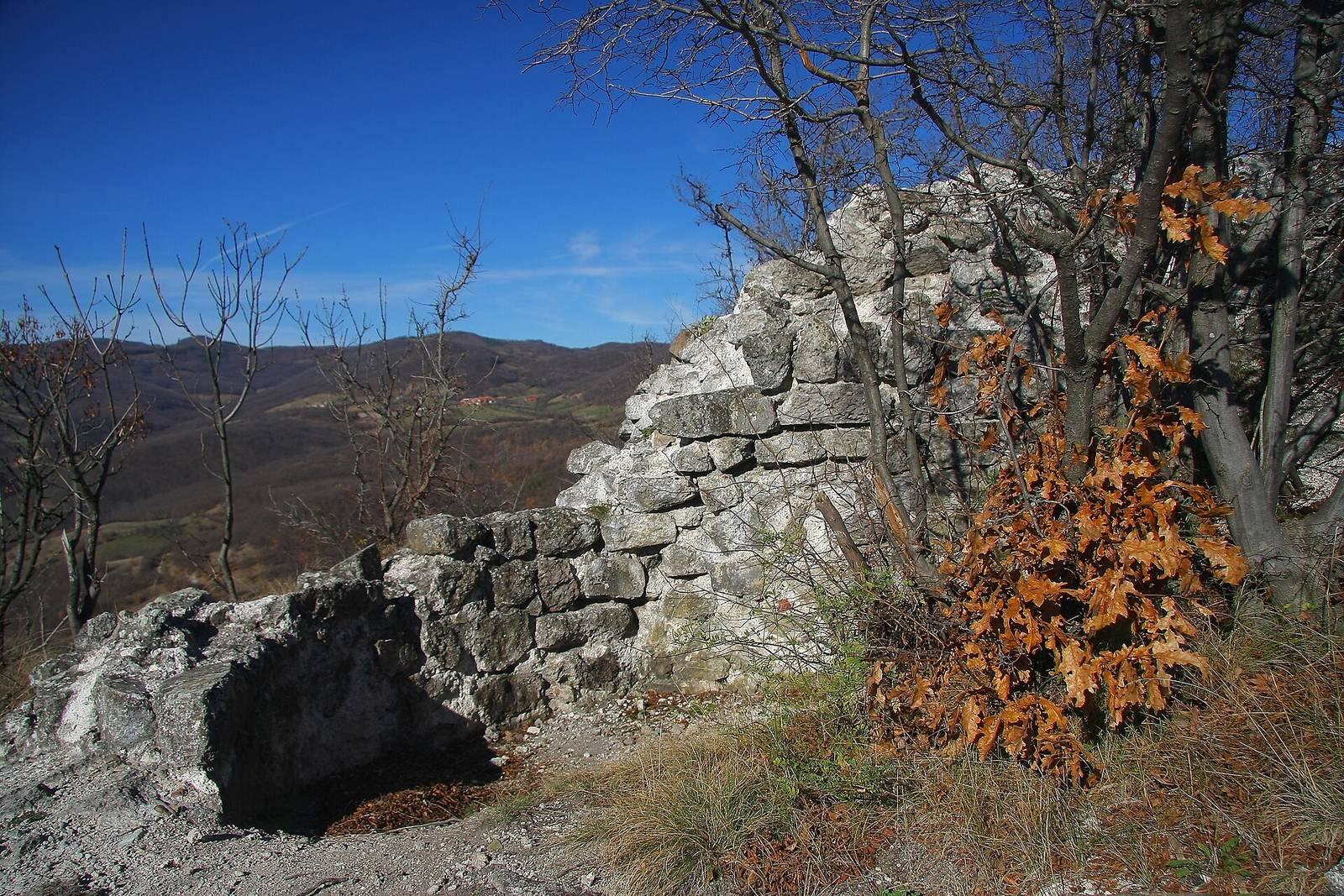
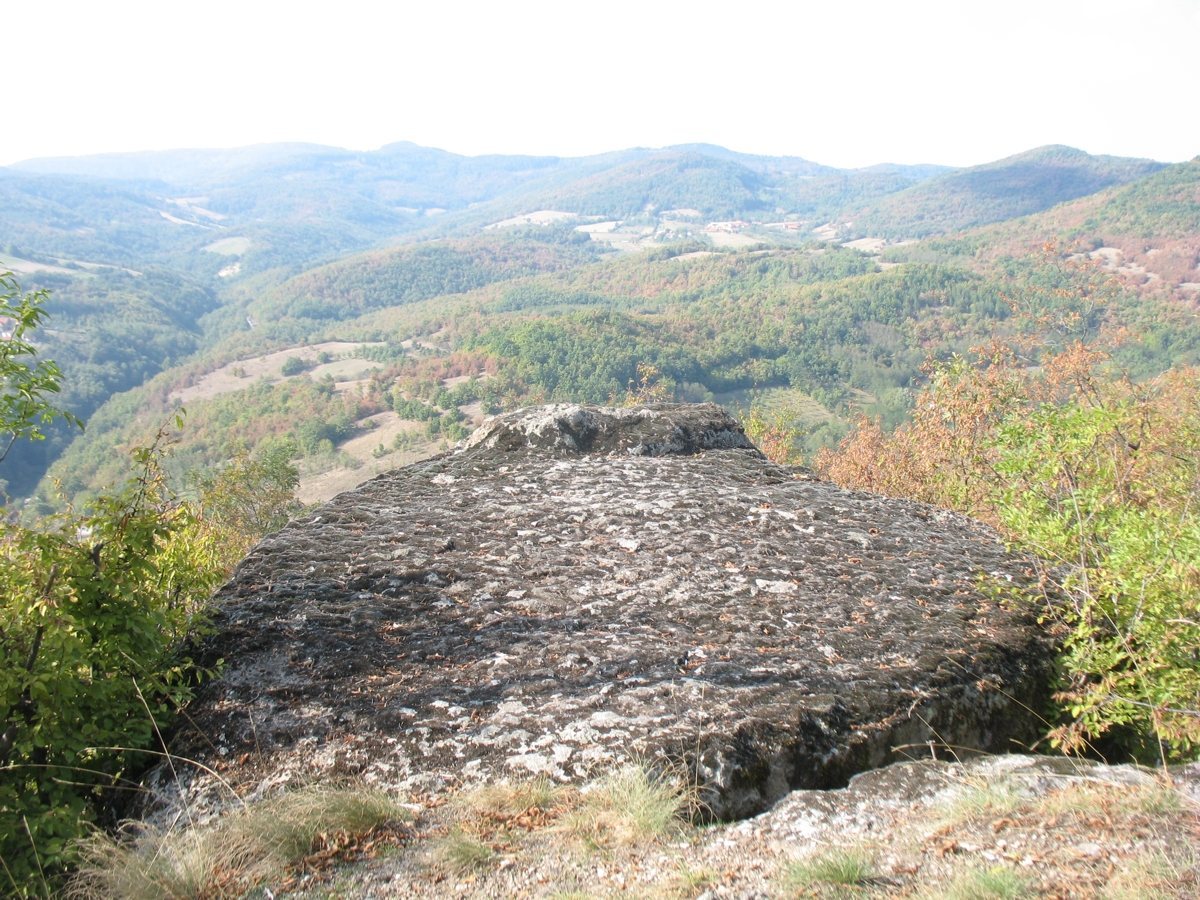
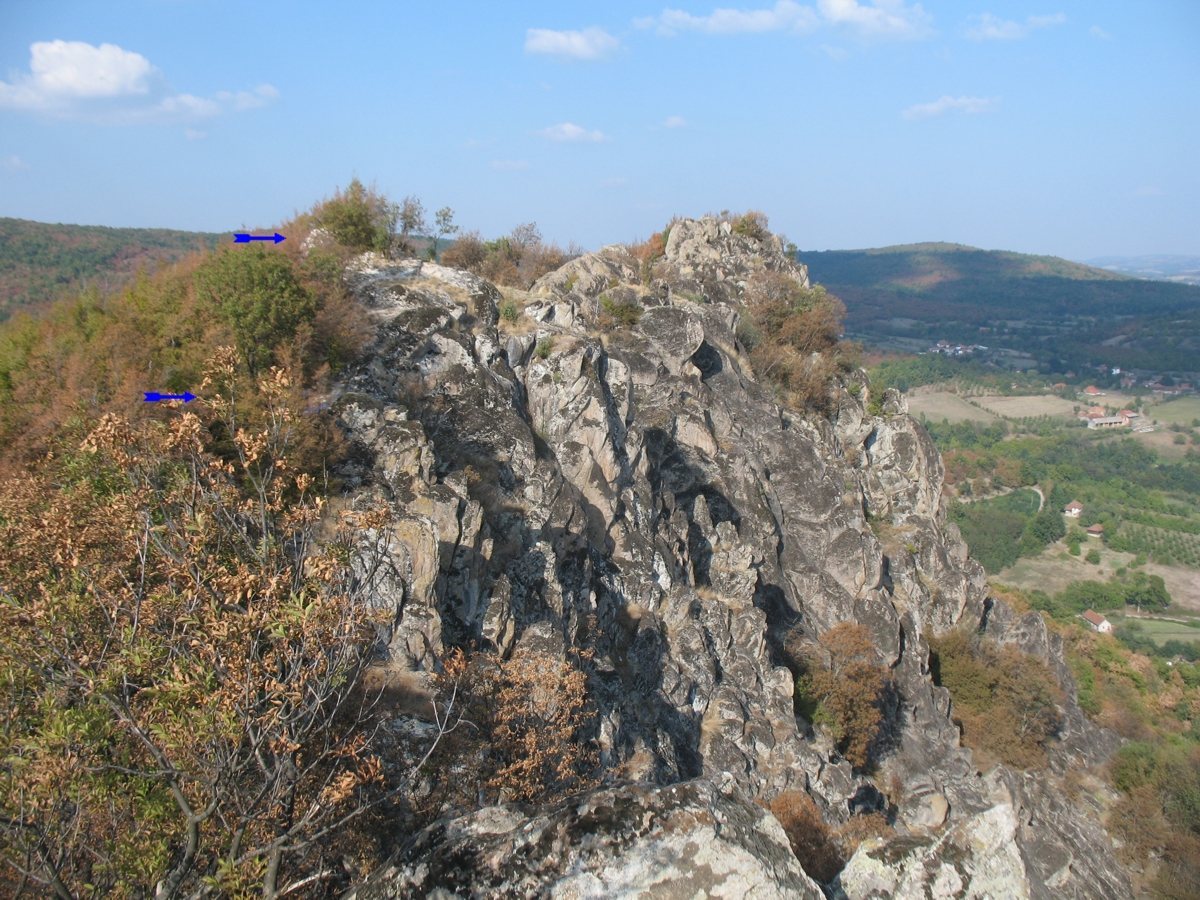
The fortress ruins occupy the summit of Borački krš in the Gruža River valley, about 7.5 kilometres north of Knić. This rocky part of the Rudnik massif formed around 20 million years ago and is described as part of an inactive volcano. Steep slopes and cliffs protected the site, which could be approached only from the north. Its stone walls were fitted to the surrounding rock and built with stone from a local quarry. The stronghold was divided into the Big Town in the northeast and the Small Town in the southwest. Surviving features include ruined defensive walls, several buildings, and towers with irregular bases: three outside the Big Town and one on the wall separating the two sections.
Church of the Holy Archangel Michael
The Orthodox church stands below the hill along its southern cliffs and is the best-preserved structure associated with the period of Despot Stefan Lazarević. An inscription above its western doorway indicates that it was built before 1553. The church has one main worship space and a dome carried on projecting supports. An entrance room and a porch were added in the 19th century. Decorative rows of shallow arches that do not open through the wall recall the Moravian school, a medieval Serbian architectural tradition. Wall-painting fragments reflect the Cretan school, a post-Byzantine tradition associated with Crete, in their designs and subject matter. Senior Orthodox priest Jovan oversaw the paintings during the time of Bishop Makarije.
Cemetery
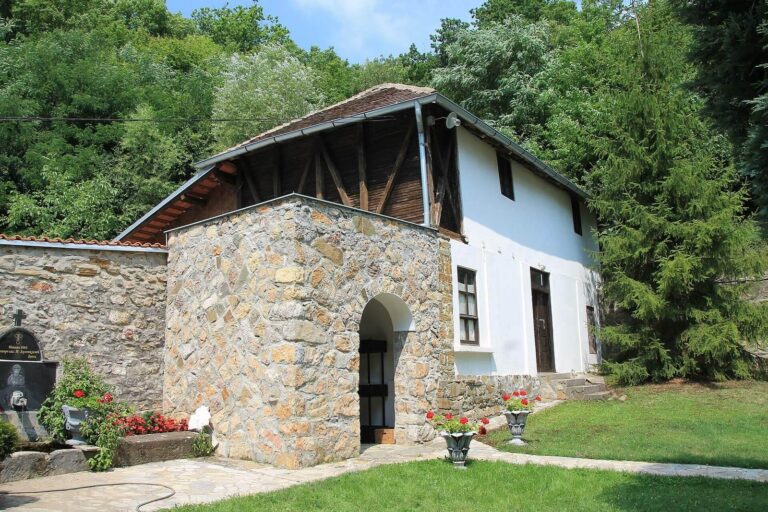
The cemetery lies south of the church and contains numerous tombstones from the 19th century.