Memorial Complex at Takovski Grm: A Memorial to the Second Serbian Uprising
Site at a Glance
- Popularity
- Medium
- Country
- Serbia
- Primary era
- Modern
- Eras represented
- Modern
- Civilizations
- Ottoman, Serbian
- Site type
- Civic
- Remains
- Monument
On this page14 sections
History
The uprising of 1815
The Memorial Complex at Takovski Grm in Takovo, Serbia, commemorates the beginning of the Second Serbian Uprising, a revolt against Ottoman rule. On Palm Sunday, 23 April 1815, Serbian leaders made the final decision to rise beneath the area’s largest oak. They had gathered after a holiday service at the wooden church and chose Miloš Obrenović, then prince of Rudnik, to lead them. He later became Serbia’s hereditary prince and founded the Obrenović dynasty.
Memorials from 1867 onward
During a visit in 1867, Prince Mihailo consecrated another oak as the successor to the tree associated with the uprising. He also bought the surrounding land, which became known as the Prince’s Meadows. A monument to Miloš Obrenović was erected beneath the oak in 1887.
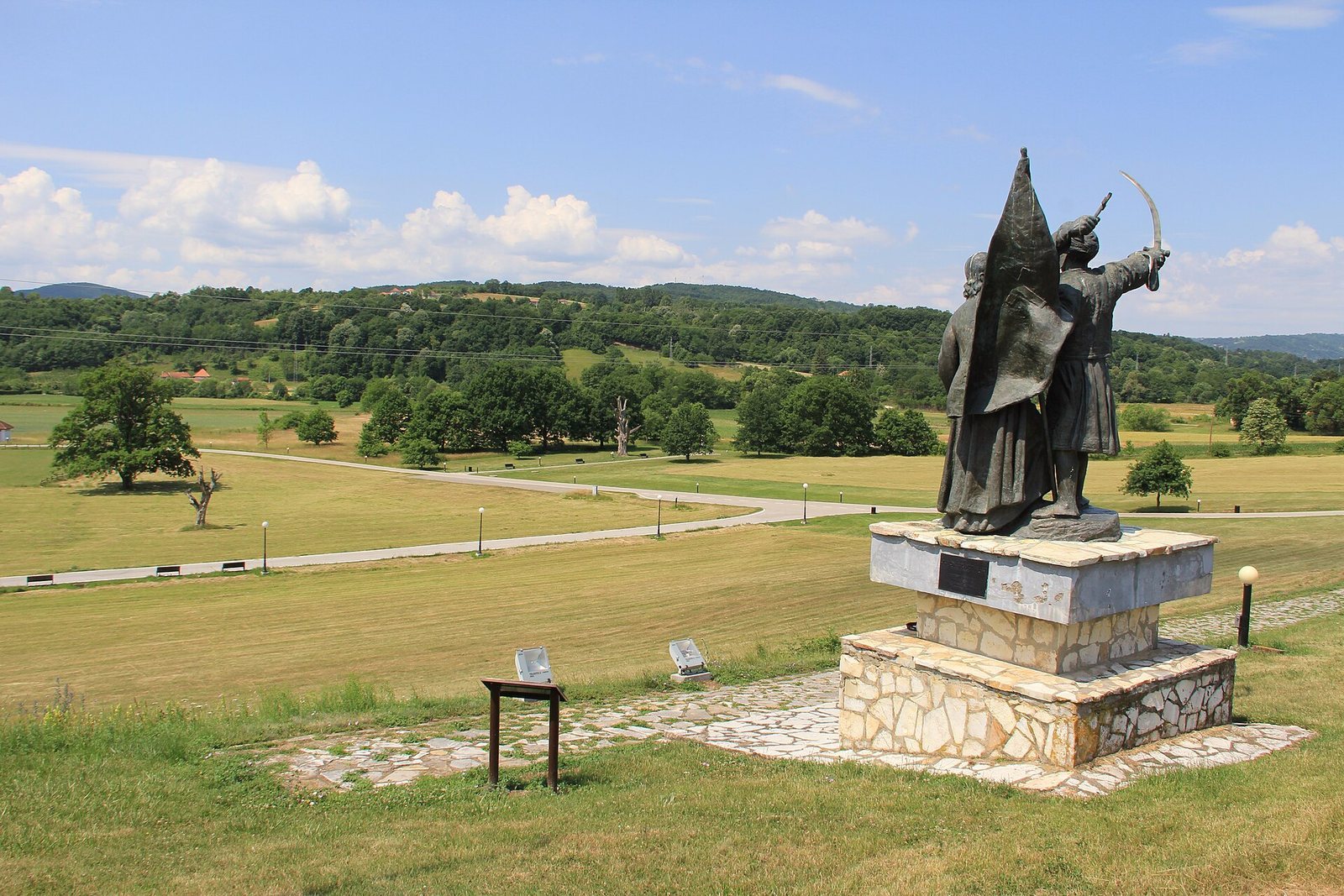
Petar Ubavkić made a second memorial sculpture, The Takovo Uprising, for the 1900 Paris World’s Fair, but it was not exhibited and remained in his studio. After the Second World War, the sculpture was cut into pieces and moved to a National Museum depot in Belgrade. It was shown publicly for the first time in 1982, then sent to be cast in bronze. It arrived at Takovo on 11 April 1990, ahead of the uprising’s 175th anniversary.
Later commemorations and protection
In 1995, a new oak was planted and a commemorative plaque installed; the plaque bears the date 23 April 1995. The complex is protected by Serbia’s Institute for the Protection of Cultural Monuments as a historic site and an immovable cultural property of exceptional importance. The Museum of the Rudnik-Takovo Region administers it.
Remains
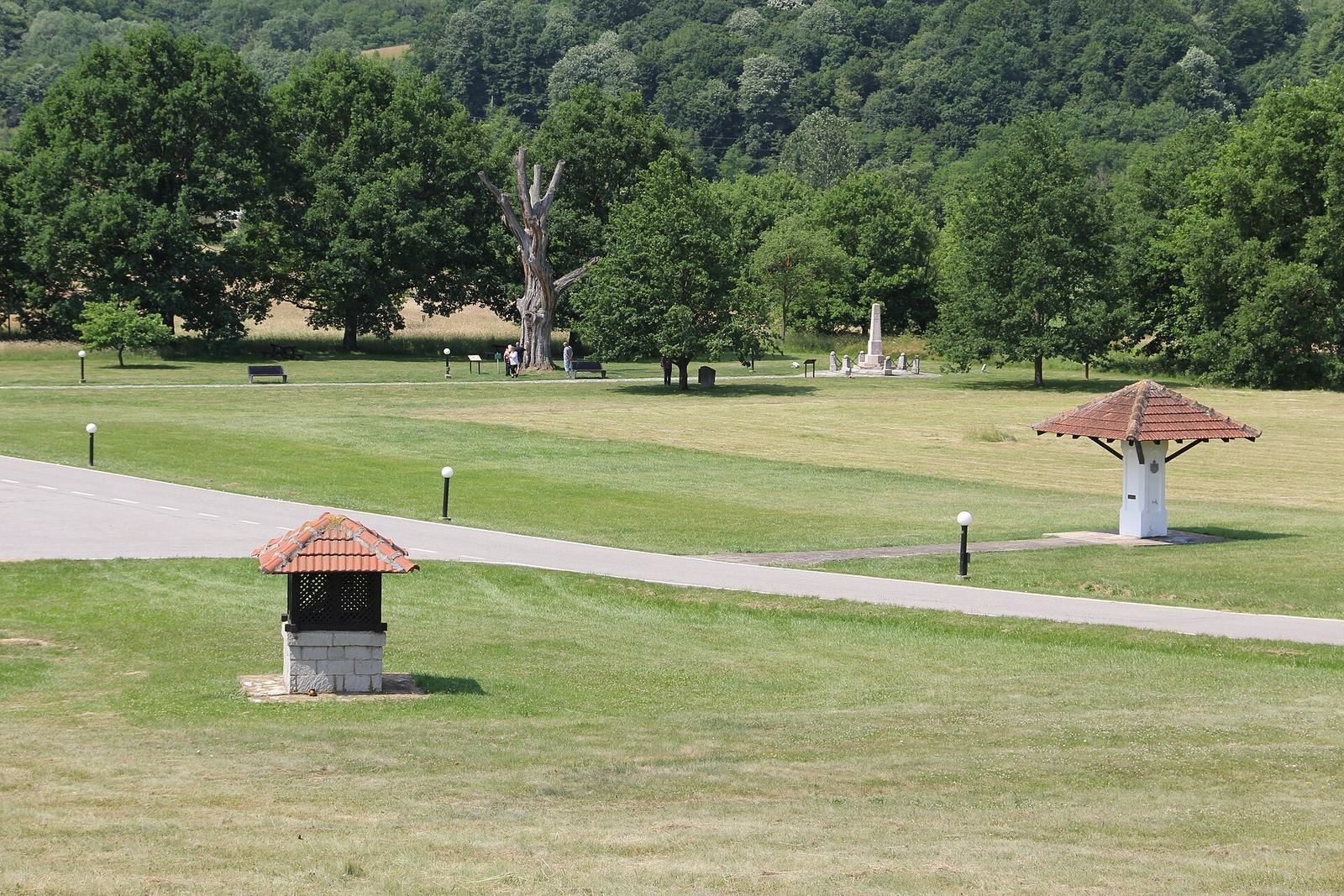
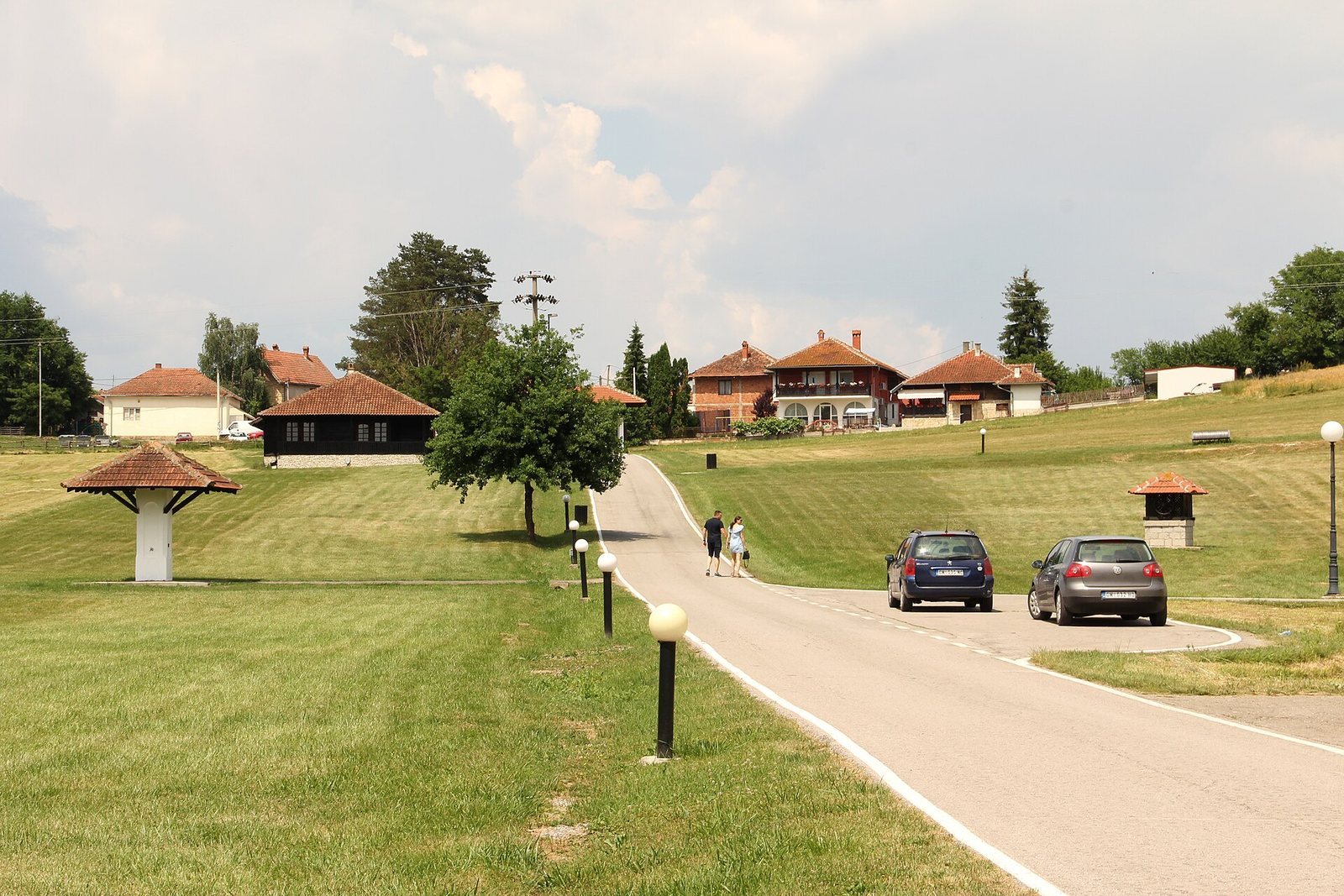
The complex lies in the Dičina River valley at Takovo, in the municipality of Gornji Milanovac, about 10 kilometres northwest of the town. Buildings, monuments and mature oaks form a memorial landscape that was arranged to retain the area’s earlier character, with only essential modern elements.
Landscape and commemorative features
Oak trees and plaque
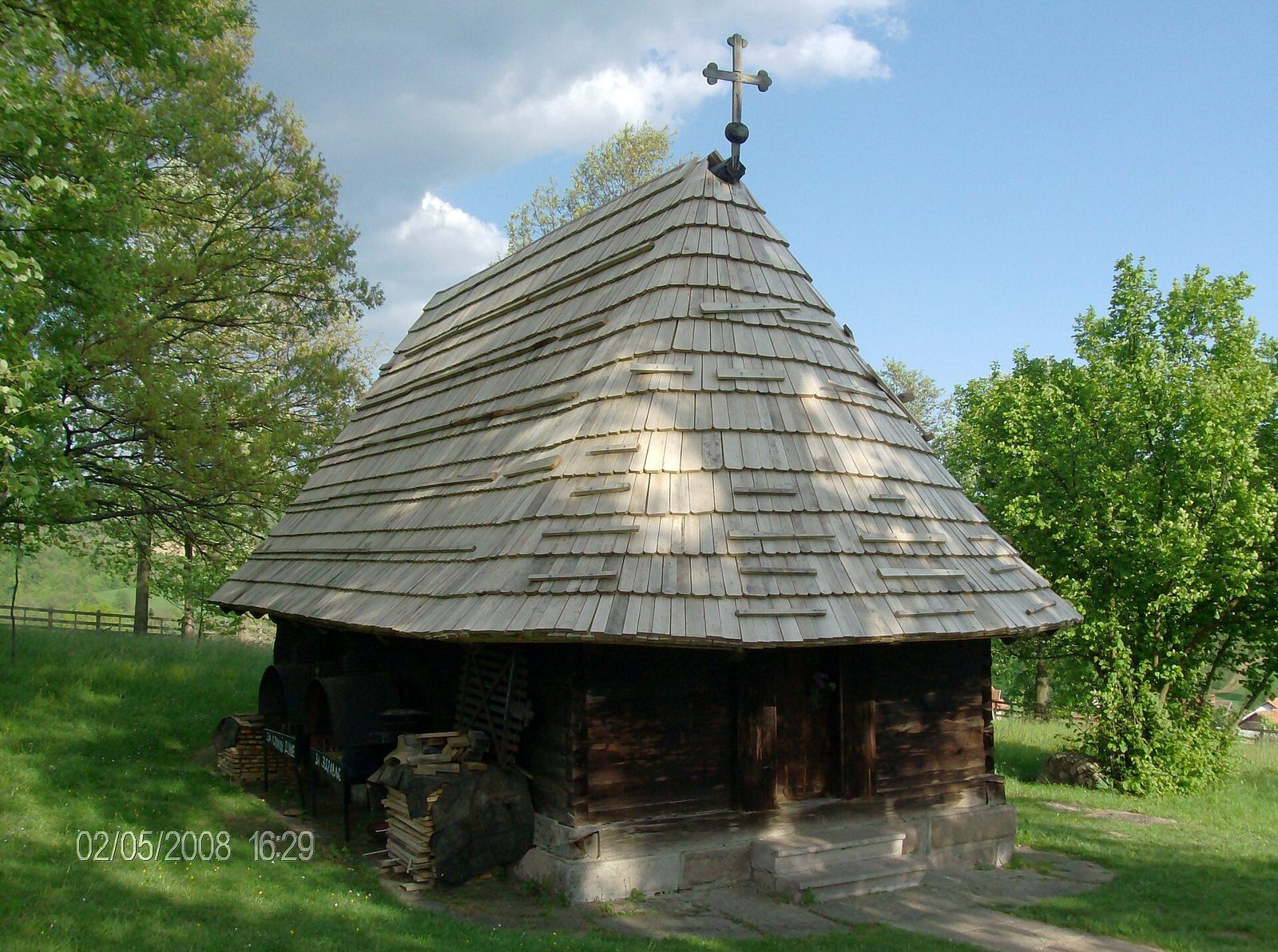
The name Takovski Grm includes grm, a local term for a type of pedunculate oak. The area was once dense oak woodland, and several large trees remain. The oak associated with the 1815 decision stood intact until the 1950s; pieces of its trunk are preserved in the Second Serbian Uprising Museum in Takovo and the Holy Trinity Church in Gornji Milanovac.
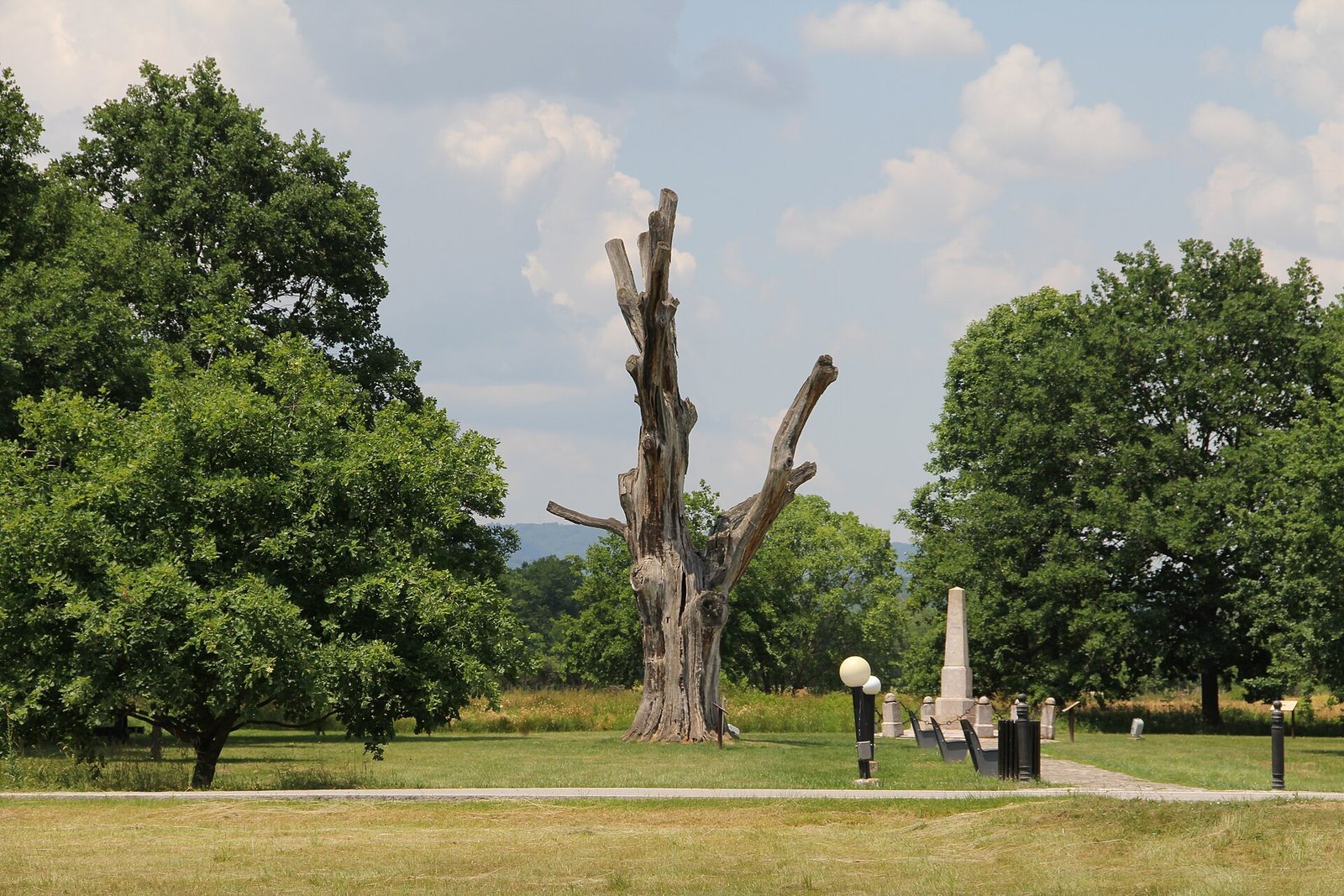
Near the Miloš Obrenović monument stands the oak Prince Mihailo consecrated as the earlier tree’s successor. It continued to leaf until 1992 and now has the form of a natural sculpture. Two oaks about a century old and several younger trees grow nearby. The oak planted in 1995 stands beside a plaque whose inscription recalls the creation of a new Serbia and expresses hope that freedom will continue to flourish.
Village entrance
The entrance from the village is formed by a gate incorporating elements of traditional local architecture.
Monument to Miloš Obrenović
The 1887 monument is a four-sided obelisk of polished red marble on a hexagonal base. Six columns, joined by chains, surround it, and a stone path leads to the monument. Verses by Ljubomir Nenadović say that although the oak may wither and the stone pillar fall, Serbia will endure and remember Miloš.
The Takovo Uprising sculpture
Ubavkić’s bronze sculpture stands on a gentle slope west of the Miloš monument. It depicts Miloš Obrenović unfurling the insurgent flag while Melentije Pavlović, the Takovo parish priest, holds a wooden cross as the rebel leaders swear their oath. The inscription gives Miloš’s words, “Here I am, and here is war with the Turks,” followed by the attribution “Miloš, on Palm Sunday, in Takovo, 1815.”
Amphitheatre
Below the sculpture, an amphitheatre serves as an open-air stage for commemorations of historical dates.
Church and museum
Wooden church and memorial school
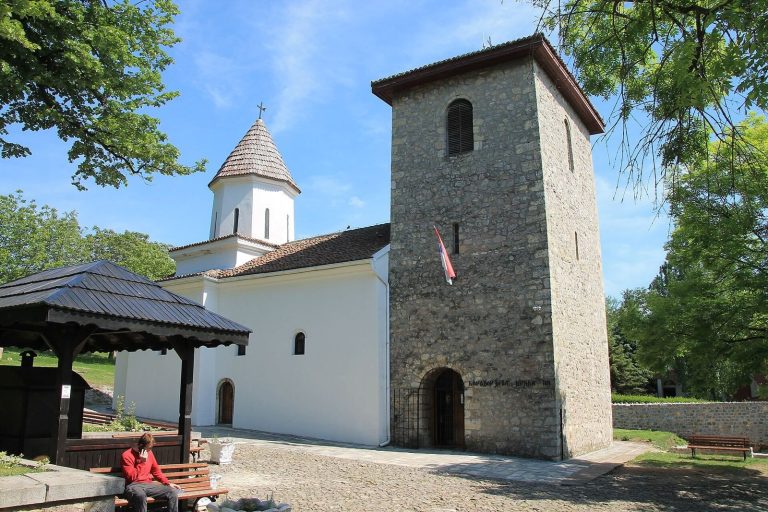
The wooden church stands on a rise near the memorial school and museum exhibition. A notable stone lies beside the church’s south wall. In Paja Jovanović’s painting The Takovo Uprising, that stone is shown as the place from which Miloš unfurls the rebel standard.
Second Serbian Uprising Museum
The museum displays the cross on which the rebel leaders swore their oath, a garment belonging to Prince Miloš and a fragment of the old oak. Its exhibition also includes Jovanović’s painting of the uprising.