Ostrvica Castle: A Fortress of the Rudnik Mining District
Site at a Glance
- Popularity
- Medium
- Country
- Serbia
- Primary era
- Medieval
- Eras represented
- Medieval
- Civilizations
- Serbian
- Site type
- Military
- Remains
- Castle
On this page6 sections
History
Ostrvica Castle is a medieval fortress in Serbia, built before 1323. It became the principal castle of the Rudnik area, helping protect the region’s silver mines and trade routes while serving as the mining district’s military administrative center.
Medieval Serbian administration
The fortress is first recorded in 1323–1324, during the conflict between Serbian king Stefan Dečanski and Vladislav, the son of King Stefan Dragutin. Over time, Ostrvica belonged to the Kingdom of Serbia, the Serbian Empire, Moravian Serbia, the Serbian Despotate, a late medieval Serbian state, and the Ottoman Empire.
During the wars of the fourteenth and fifteenth centuries, local people and merchants from Dubrovnik sought refuge at the castle. In 1398, its governor Nikola Zojić retreated there after failing to overthrow Stefan Lazarević and establish direct vassalage to the Ottoman Empire. Zojić took monastic vows to avoid execution.
The fortress’s administrative role in the mining district was confirmed by the 1412 reform of Despot Stefan Lazarević. A despot was a ruler of the medieval Serbian state. In 1414, the military and administrative leader Mazarek was recorded as governor of both Ostrvica and Rudnik. Serbian ruler Đurađ Branković and his wife Eirene also used Ostrvica as a summer retreat and maintained a mint in the castle.
Ottoman campaigns and destruction
Ottoman forces captured Ostrvica in 1431 and again in 1438. A Serbian despot recaptured it in 1443 during the Crusade of Varna, a Christian campaign against the Ottoman Empire. The Ottomans took the fortress again in 1444, but it returned to Serbian control later that year.
In 1451, Ottoman forces captured Ostrvica and razed it, contrary to an order from Sultan Murad II. The Ottoman traveler and writer Evliya Çelebi later called it the town of Rudnik. He credited its foundation to a Serbian king named Miloš, whose identity is uncertain, and reported an Ottoman recapture on 19 May 1521. Ostrvica is protected as a cultural monument in Serbia.
Remains
Fortress on Mount Rudnik
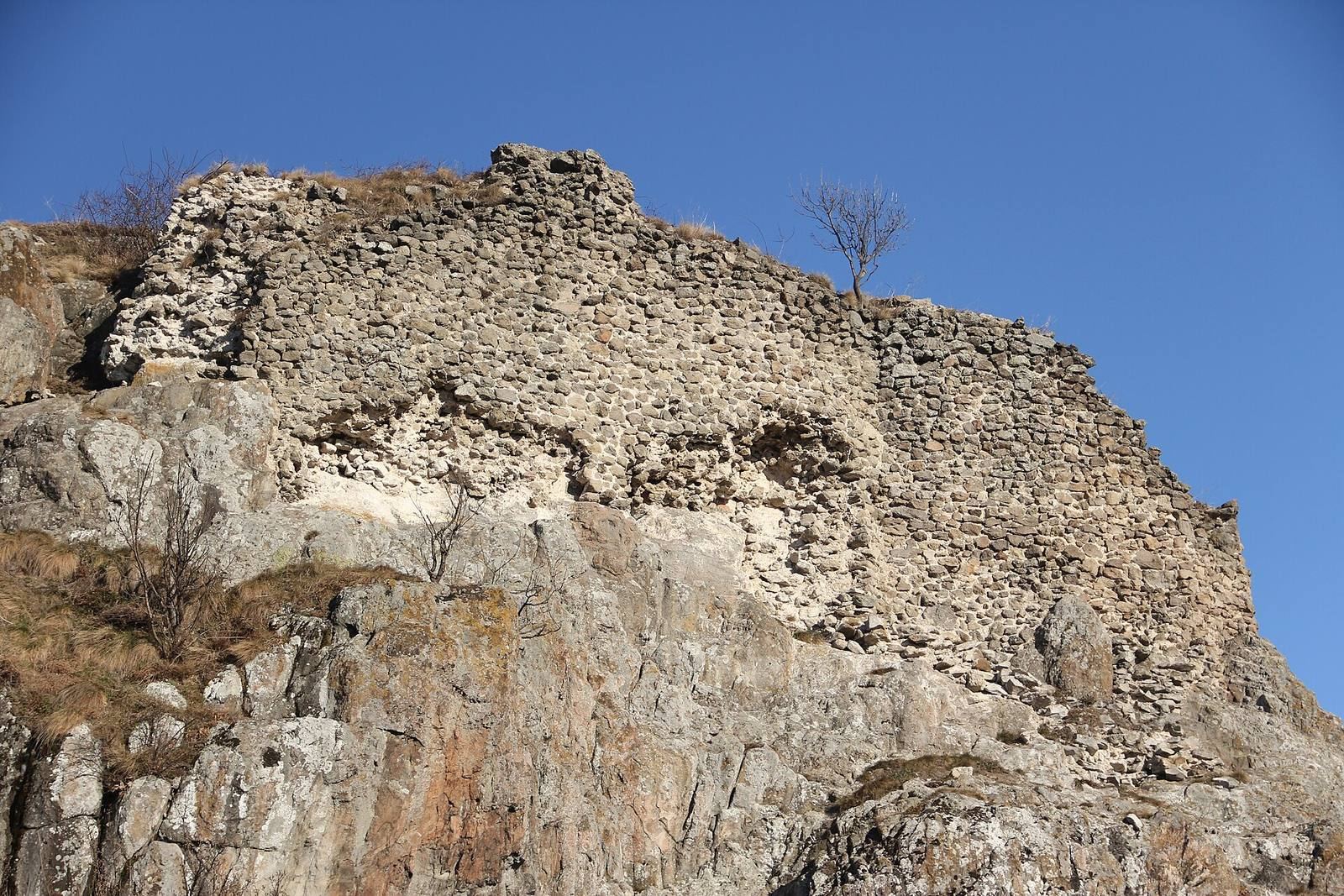
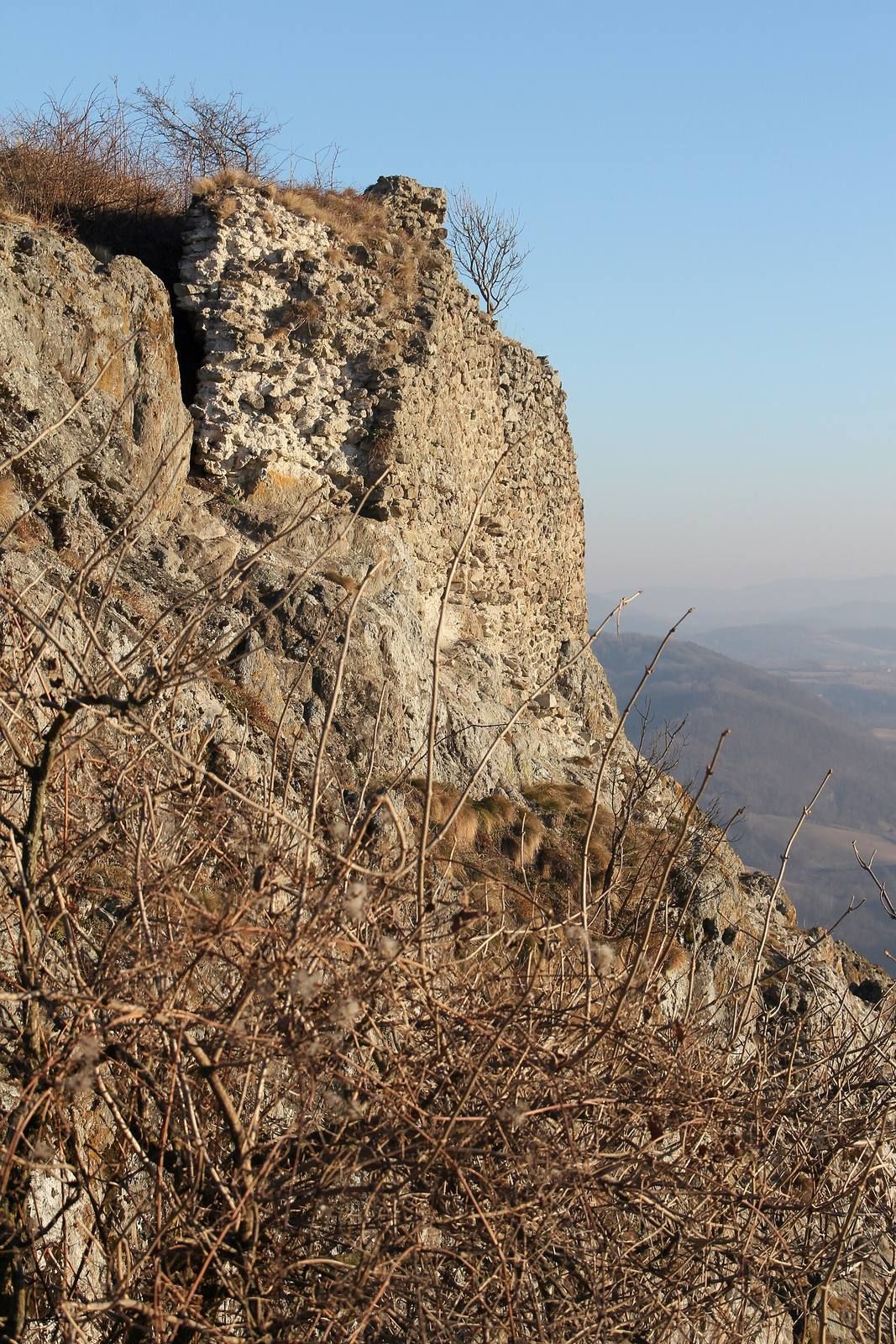
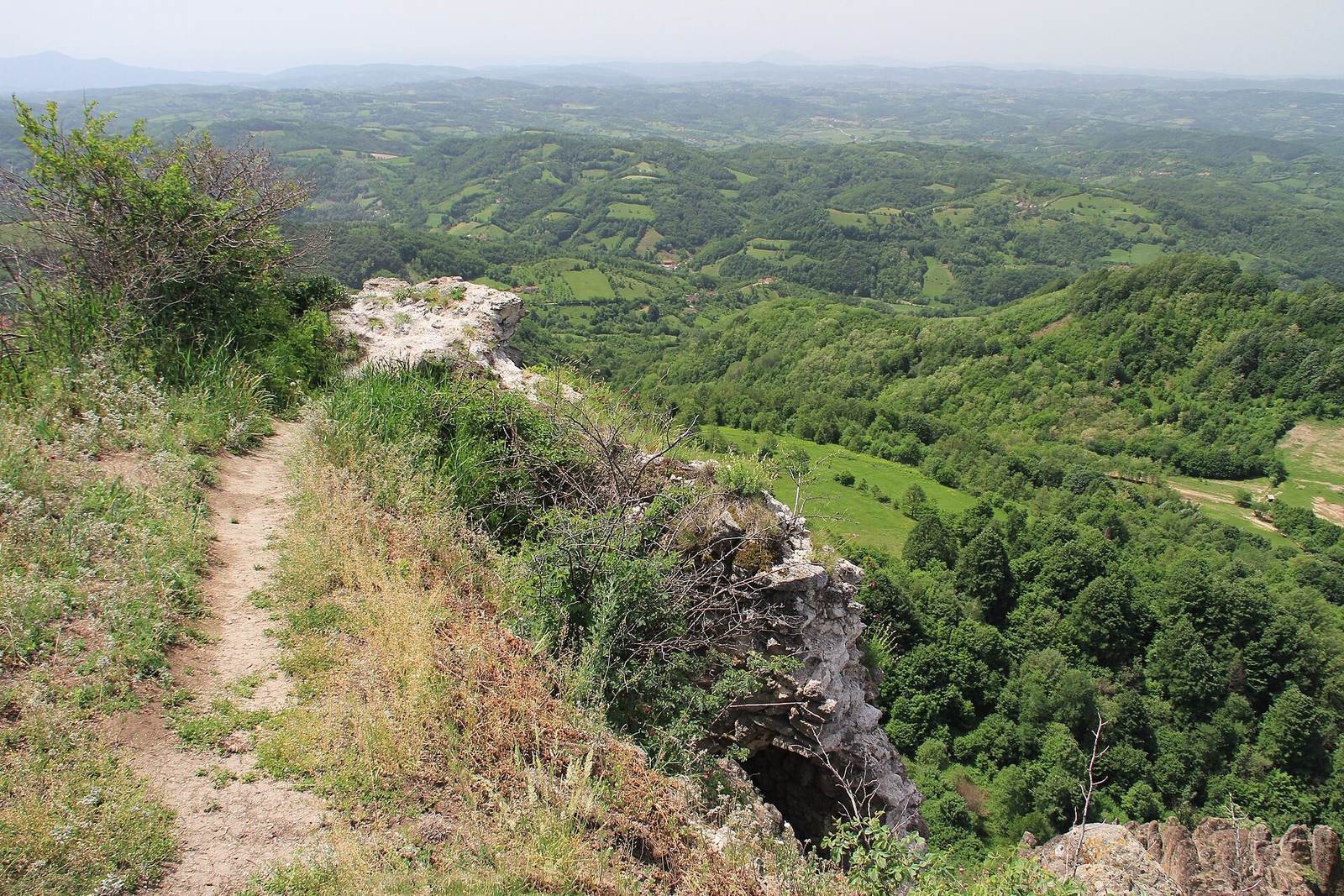
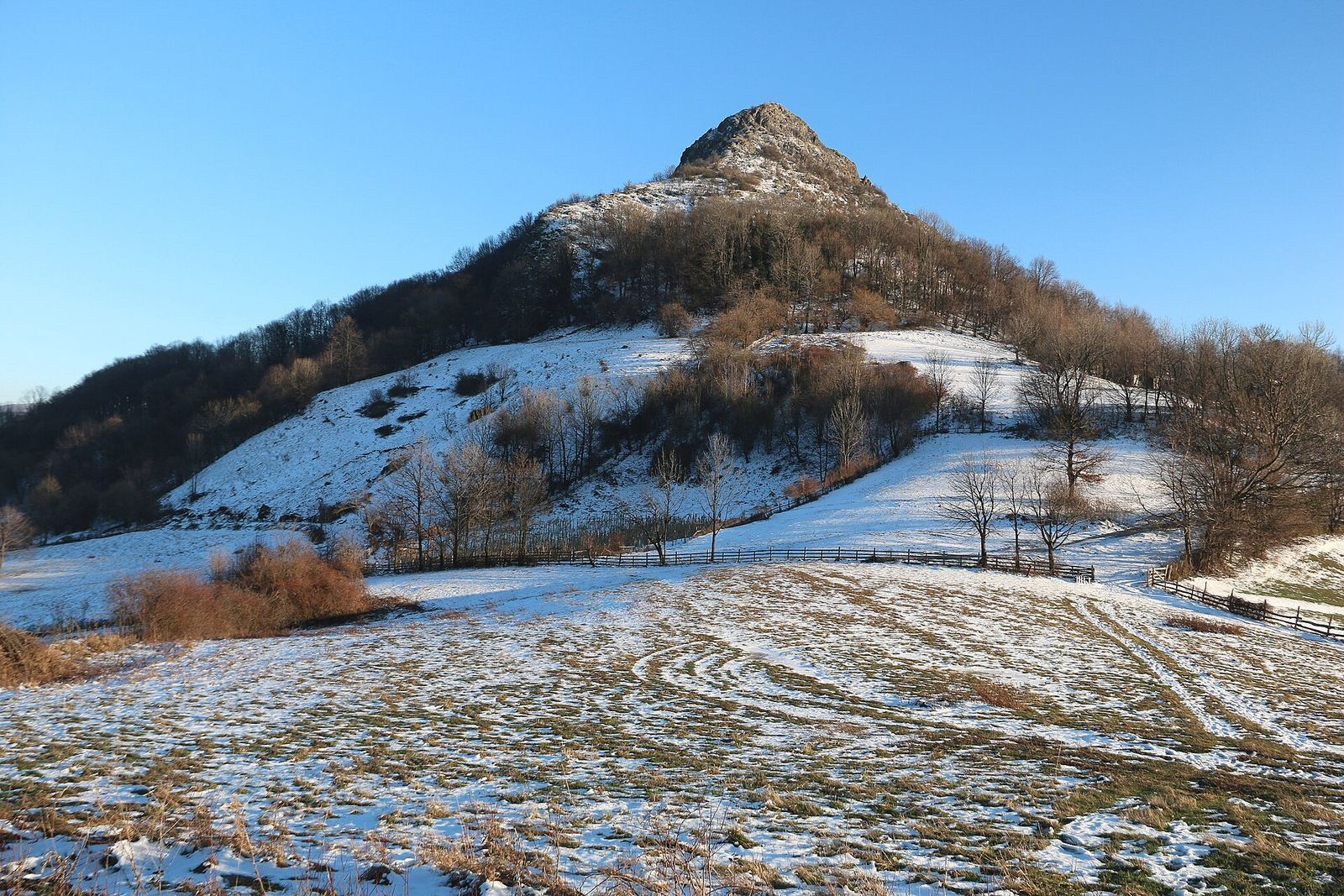
The ruined fortress stands on a rocky peak of Mount Rudnik, about four kilometres northwest of Rudnik. The summit is the remnant of an ancient volcanic cone. Ostrvica has an irregular plan that follows the terrain, with two terraces joined by a massive defensive wall. A second castle associated with Pavle Orlović protected the Rudnik area from the south; Ostrvica is thought to have guarded it from the north. The two castles could communicate by visual signals.
Settlement below the fortifications
A settlement developed outside the walls on the accessible southwestern slopes below the fortified area. At Metaljka, remains of a church with one main worship space have been found. A cemetery with roughly hewn stone slabs lies beside the church and dates to the nineteenth and twentieth centuries.