Pinterville Manor House: A Historic Residence in Normandy
Site at a Glance
- Popularity
- Medium
- Country
- France
- Primary era
- Early Modern
- Eras represented
- Early Modern, Modern
- Civilizations
- French
- Site type
- Domestic
- Remains
- Elite Residence
On this page5 sections
History
Medieval Manor and Episcopal Residence
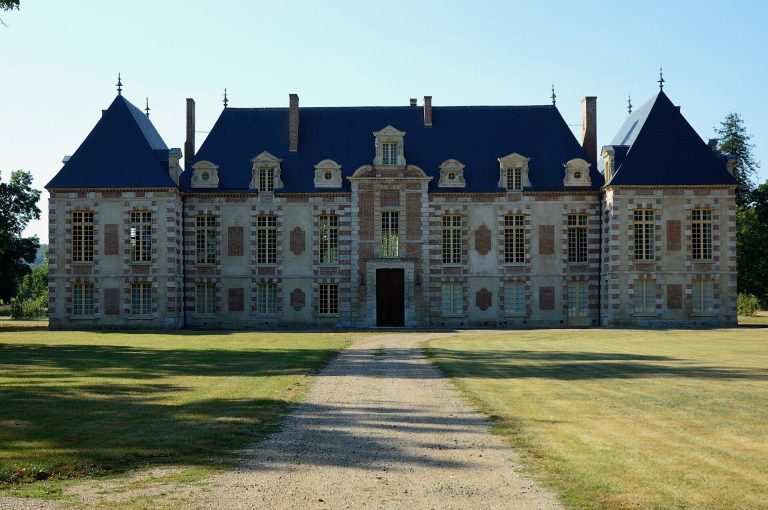
Pinterville Manor House, known by its French name Château de Pinterville, is a country residence in the Eure department of Normandy, France. Its present form developed between the seventeenth and nineteenth centuries, beginning with a main body built in 1680. An earlier manor at Pinterville, which was later destroyed, had served as a residence for the archbishops of Rouen and hosted a church council in 1304.
The earlier manor is first mentioned in 1204 and probably stood closer to the Eure than the present residence. In 1248, Louis IX, later canonized as Saint Louis, granted the manor and its land to Guillaume d’Aubergenville, nephew of Jean de La Cour d’Aubergenville, bishop of Évreux. In February 1260, Pierre de Meulan, son of Roger and a royal cupbearer, sold the land to Eudes Rigaud, archbishop of Rouen, for 3,200 livres tournois, a French unit of account. Pierre had received the land through his wife, Ligarde.
In 1304, a provincial council, a meeting of church authorities within an ecclesiastical province, met at the manor at the request of Guillaume de Flavacourt, archbishop of Rouen. Its participants included Geoffroi Boucher, bishop of Avranches, Mathieu des Essarts, bishop of Évreux, and Philippe le Boulenger, bishop of Séez.
The Residence Takes Shape
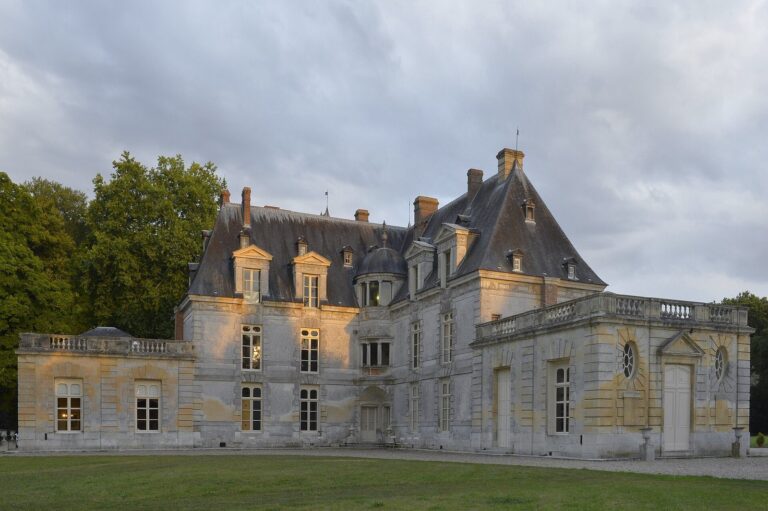
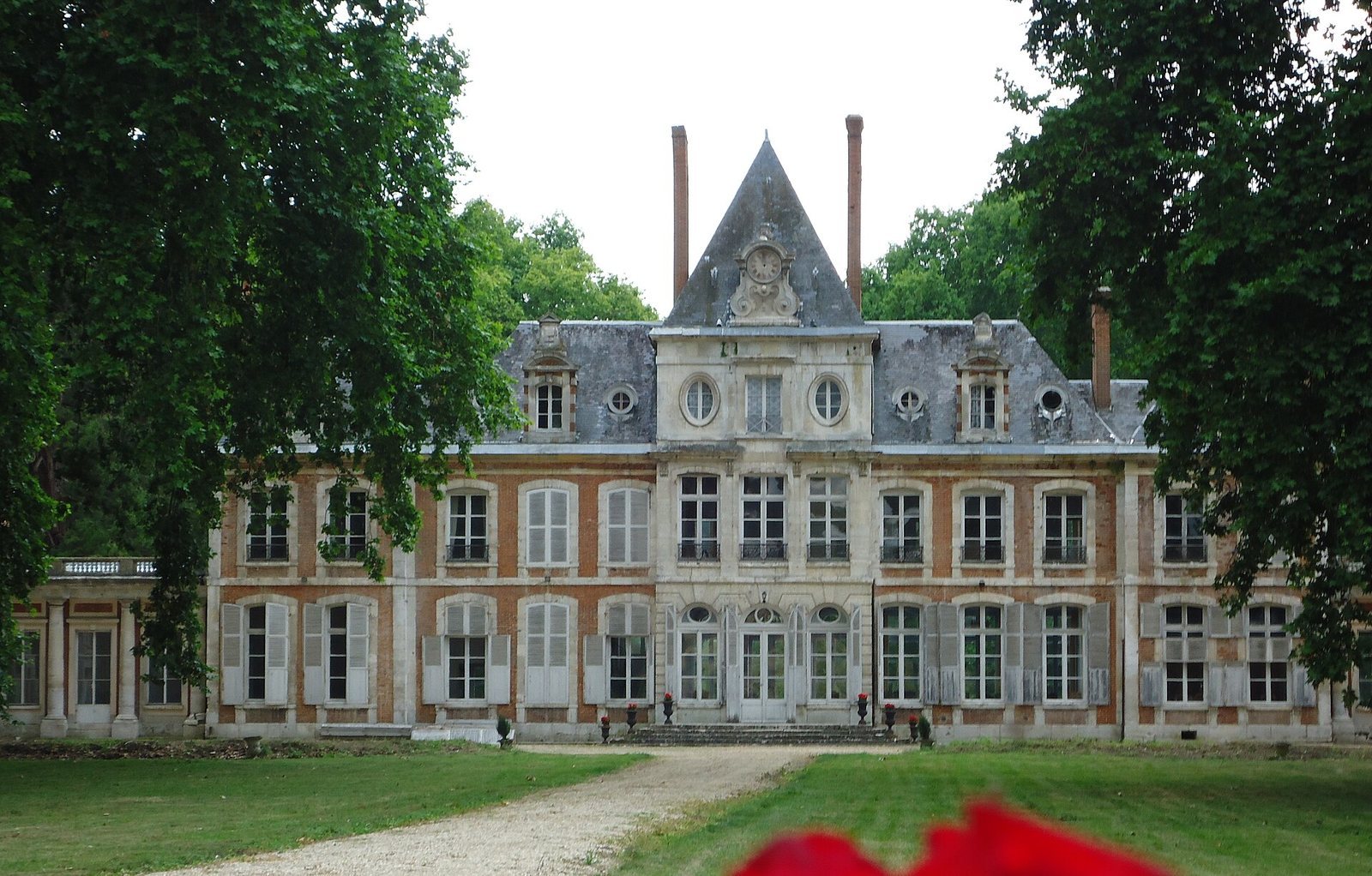
Pierre Le Pesant de Boisguilbert, a French economist and writer, built the main body of the present château in 1680. In 1695, Suzanne Le Page brought Pinterville into the Le Pesant de Boisguilbert family. During the eighteenth century, descendants added galleries, corner pavilions, and wings. Jacques-Henri Bernardin de Saint-Pierre, a French writer and naturalist, lived at the residence. In 1840, the central pavilion was raised.
The Rostand Family and Modern Preservation
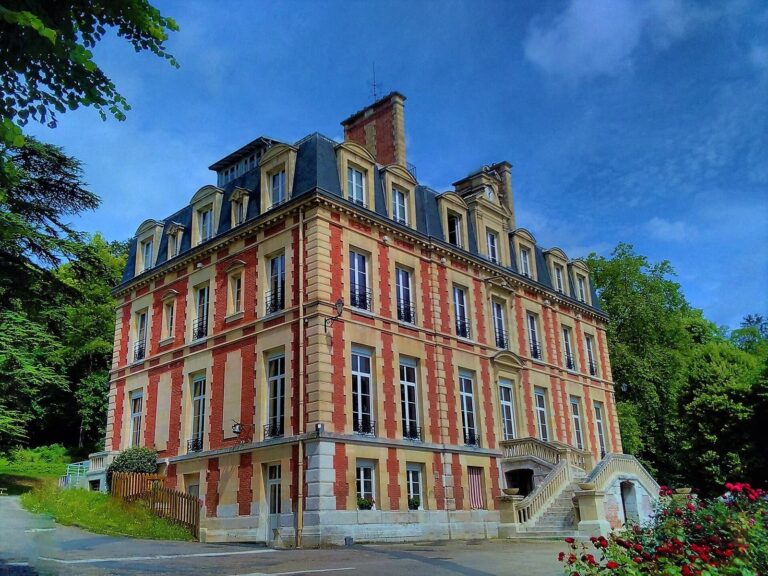
Albert Rostand, a French shipowner, acquired the château in 1878, and his family kept it for more than a century. The playwright Edmond Rostand stayed there with his cousins during this period. The property later suffered repeated pillaging by an unscrupulous owner through the late 1990s. Its current owners rescued it from ruin, and it was listed as a historic monument on 24 July 2015.
Remains
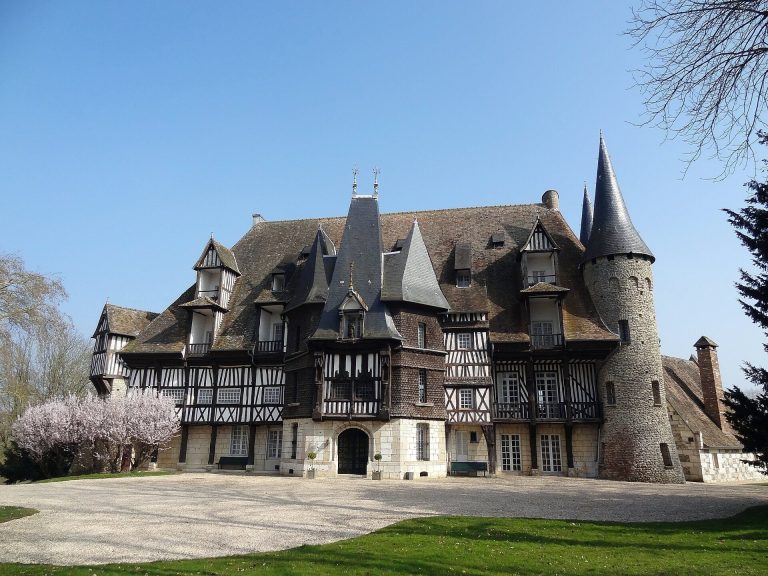
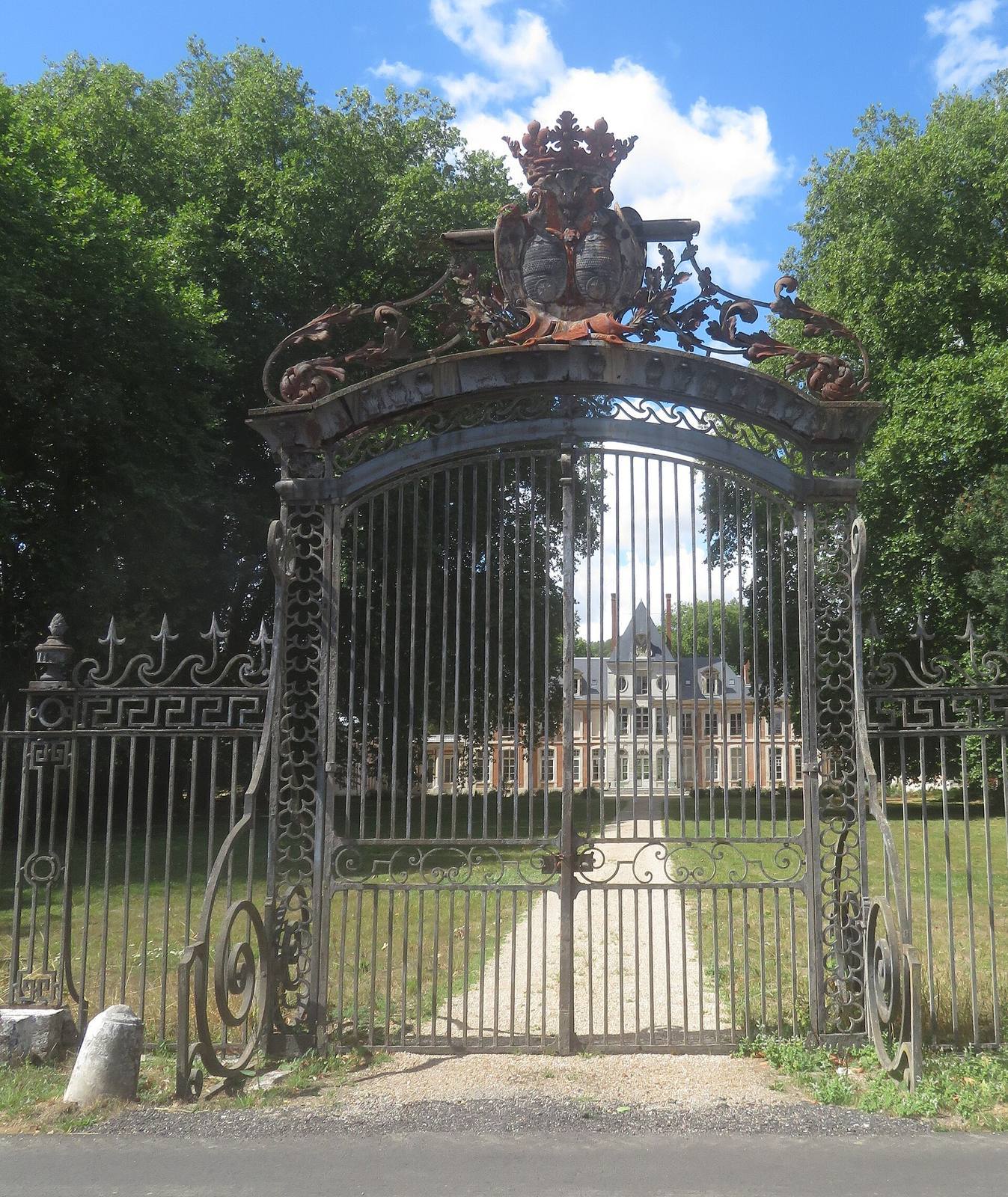
The château’s built composition includes a main body, galleries, corner pavilions, wings, and a raised central pavilion. A south façade is also identified. Major renovation work has addressed the façades, roofs, and timber frames.