Château de La Croix-Saint-Leufroy: Former Benedictine Abbey in France
Site at a Glance
- Rating
- 5
- Popularity
- Very Low
- Country
- France
- Primary era
- Medieval
- Eras represented
- Medieval
- Civilizations
- Norman
- Site type
- Religious
- Remains
- Monastery
On this page4 sections
History
Foundation and Early History
Château de La Croix-Saint-Leufroy is the surviving façade and remains of a former Benedictine abbey in France, founded around 695 by Saint Leufroy. A Benedictine abbey was a monastery governed by the Rule of Saint Benedict. Dedicated to the Holy Cross, the monastery belonged to the Diocese of Évreux, while its mother abbey was Saint-Germain-des-Prés, a major Benedictine house in Paris.
During the Carolingian period, the monastery was known as the Abbey of La Croix-Saint-Ouen, reflecting the cult of Saint Ouen, a bishop and saint. The community was abandoned during the Norman invasions. In 892, an accidental fire damaged the interior, and the monks took refuge at Saint-Germain-des-Prés.
Refoundation and Suppression
The pre-Norman monastery was refounded around 1060. On 15 May 1364, troops commanded by Bertrand du Guesclin established themselves at the abbey on the eve of the Battle of Cocherel.
During the seventeenth century, the abbey was placed in commendam, meaning that a commendatory abbot could receive its revenues without necessarily belonging to the resident monastic community. The abbey was suppressed in 1751. Most of its buildings were subsequently destroyed, and marked stones from the complex were reused in several nearby chapels.
The abbey’s archives were transferred to the Évreux seminary in March 1739 and later moved to the Évreux district archives in June 1791, when the abbey was sold as national property. The surviving remains were listed as historical monuments in 2005.
Remains
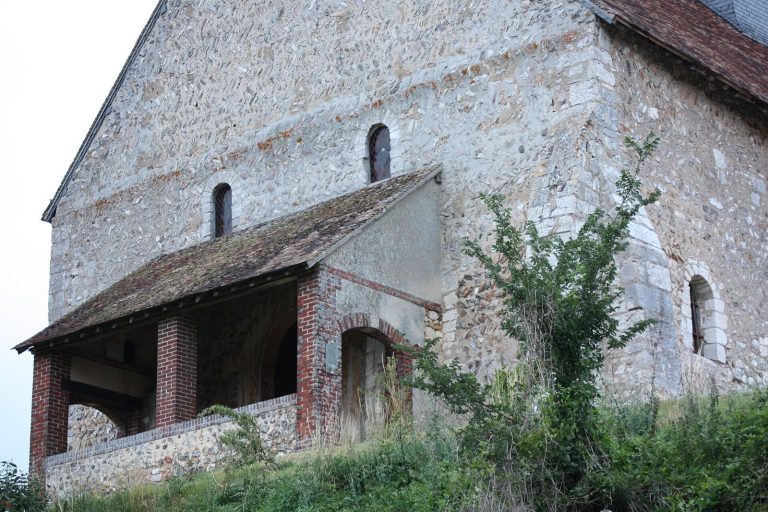
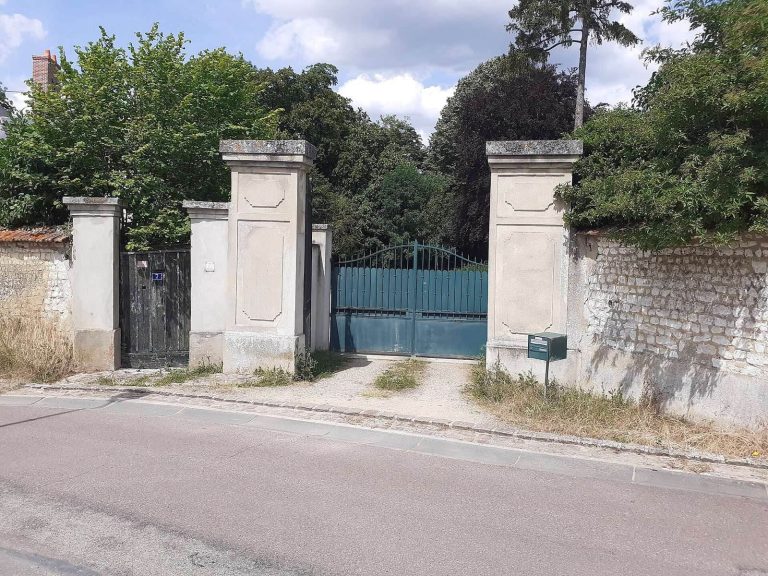
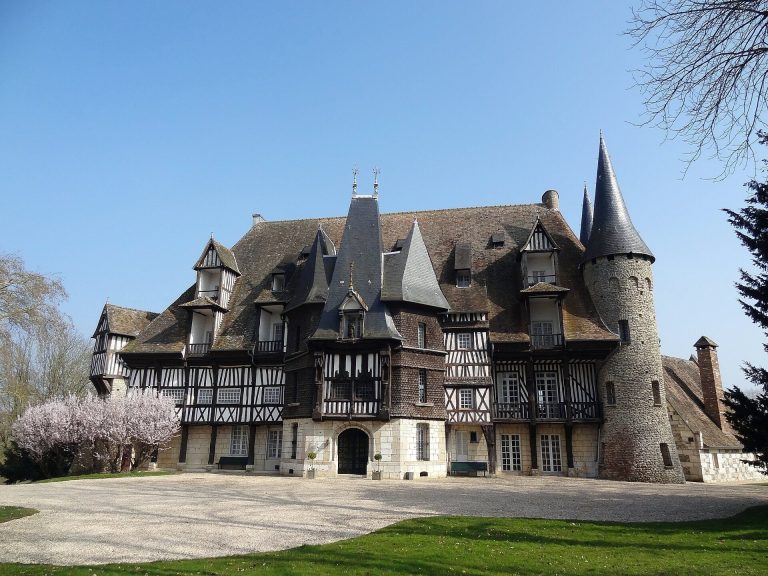
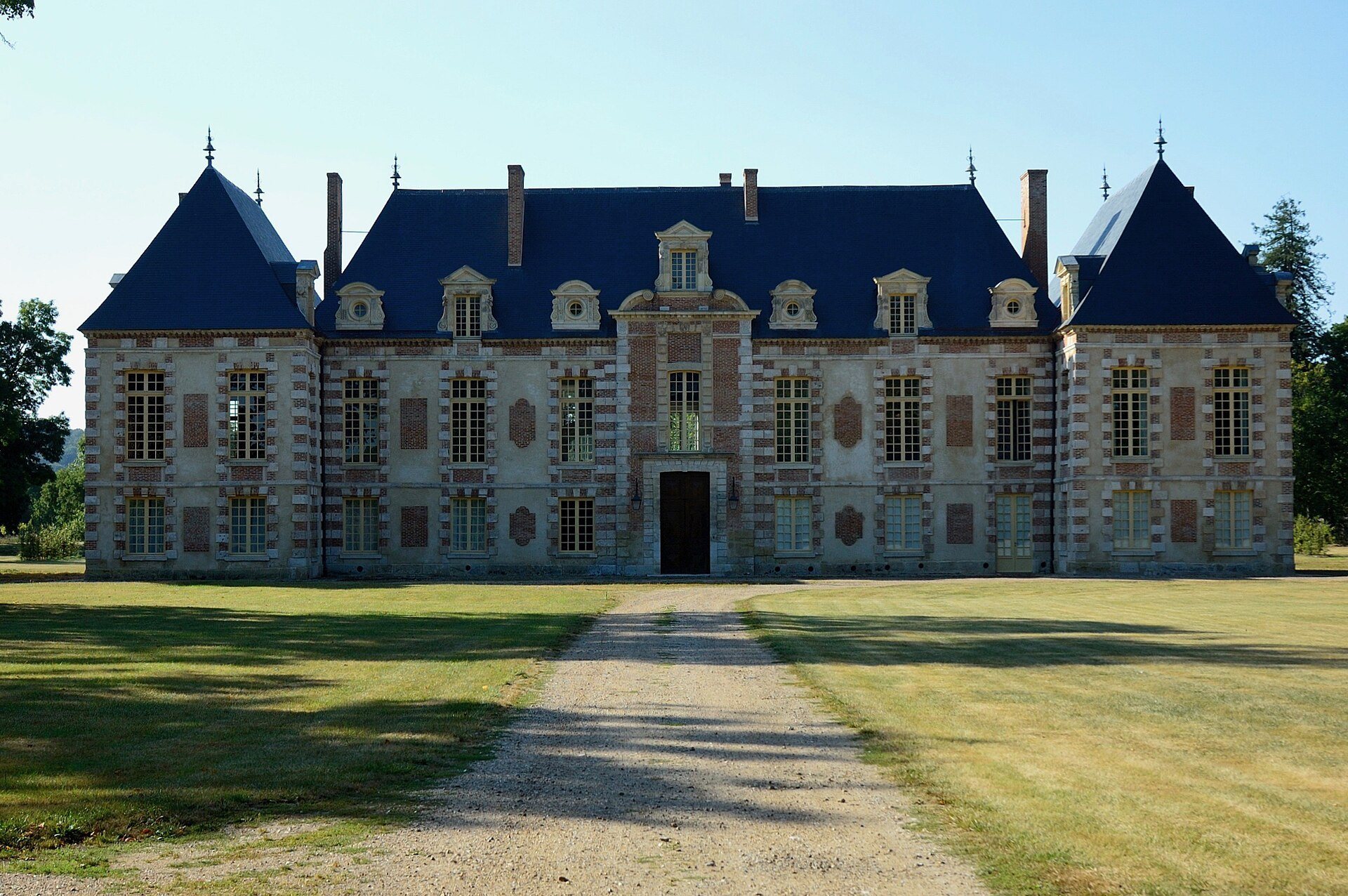
The physical remains comprise the present-day façade of the former abbey and other surviving elements of the complex. Masonry bearing marks from the abbey was also reused in nearby chapels after the eighteenth-century suppression and destruction of most of the buildings. Together, these remains preserve the material record of the former Benedictine establishment and its later transformation.