Palazzo Pepoli: A Historic Palace and Museum in Bologna
Site at a Glance
- Popularity
- Medium
- Country
- Italy
- Primary era
- Medieval
- Eras represented
- Medieval, Early Modern, Modern
- Civilizations
- Italian, Papal States
- Site type
- Domestic
- Remains
- Palace
On this page11 sections
History
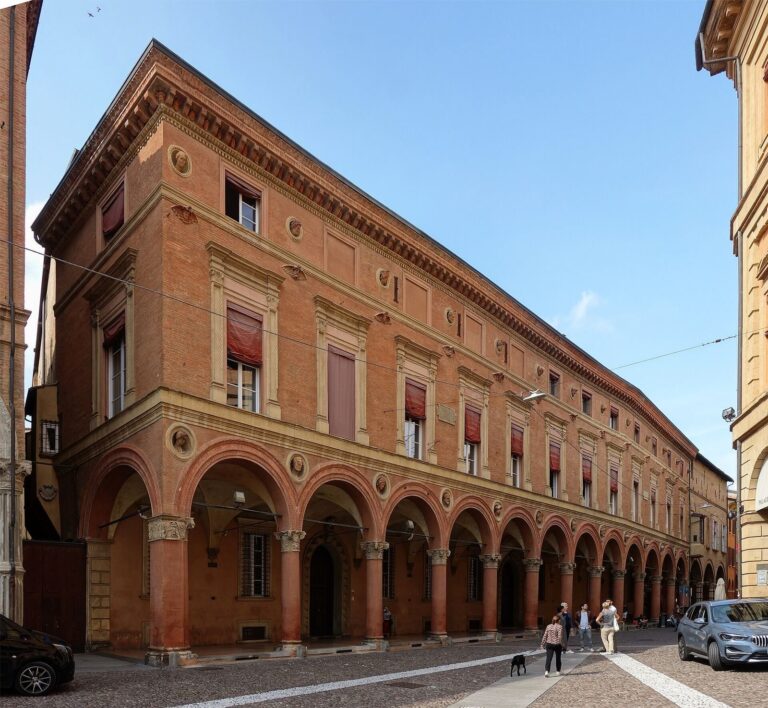
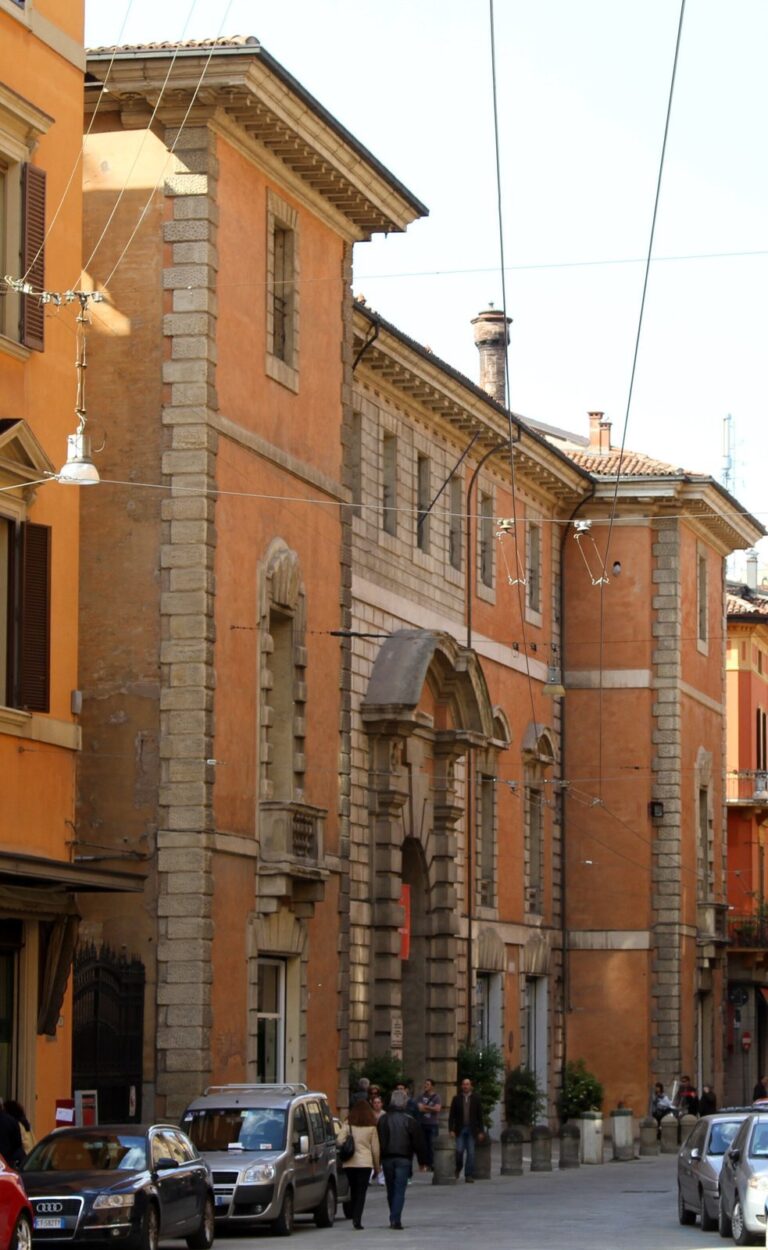
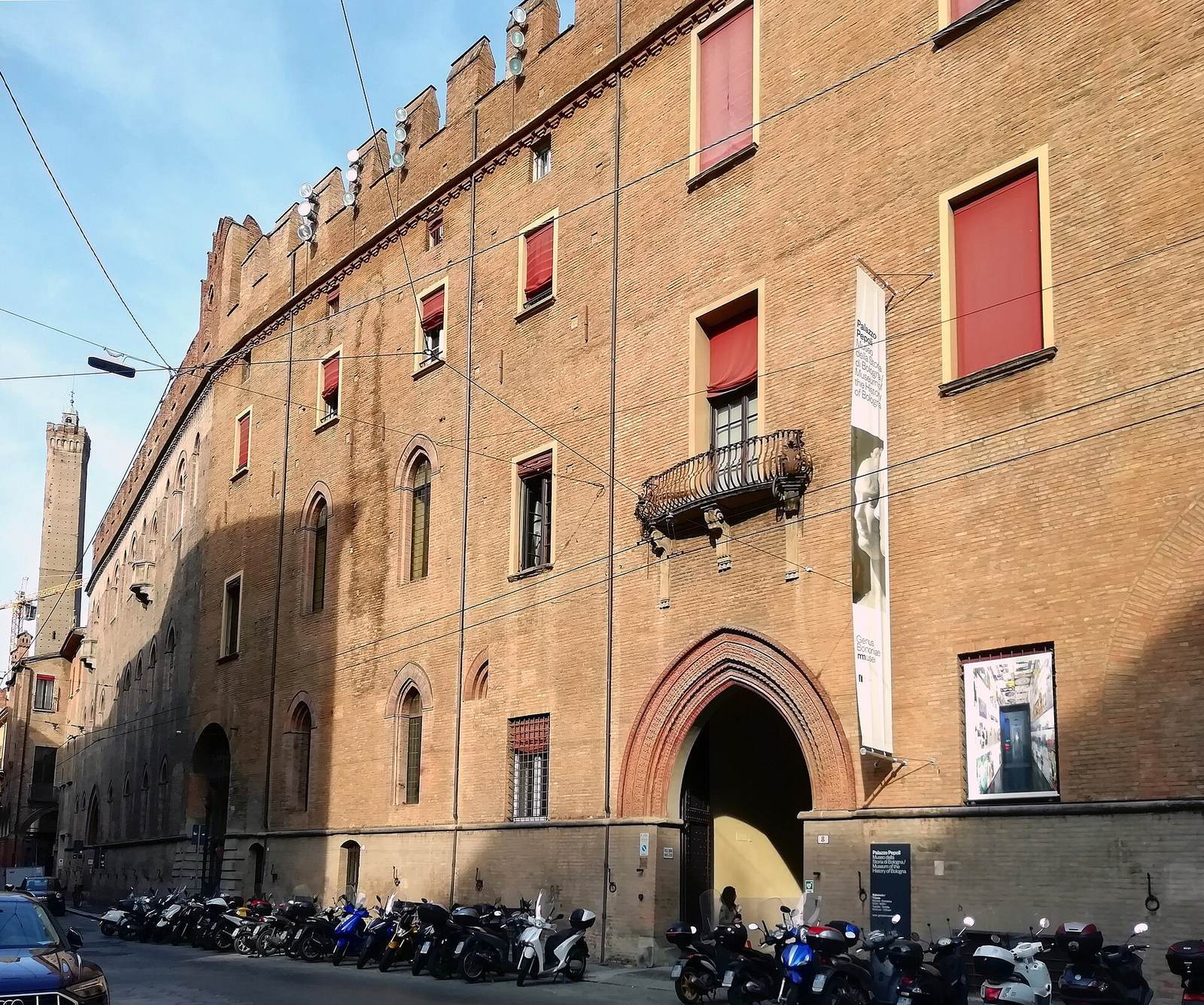
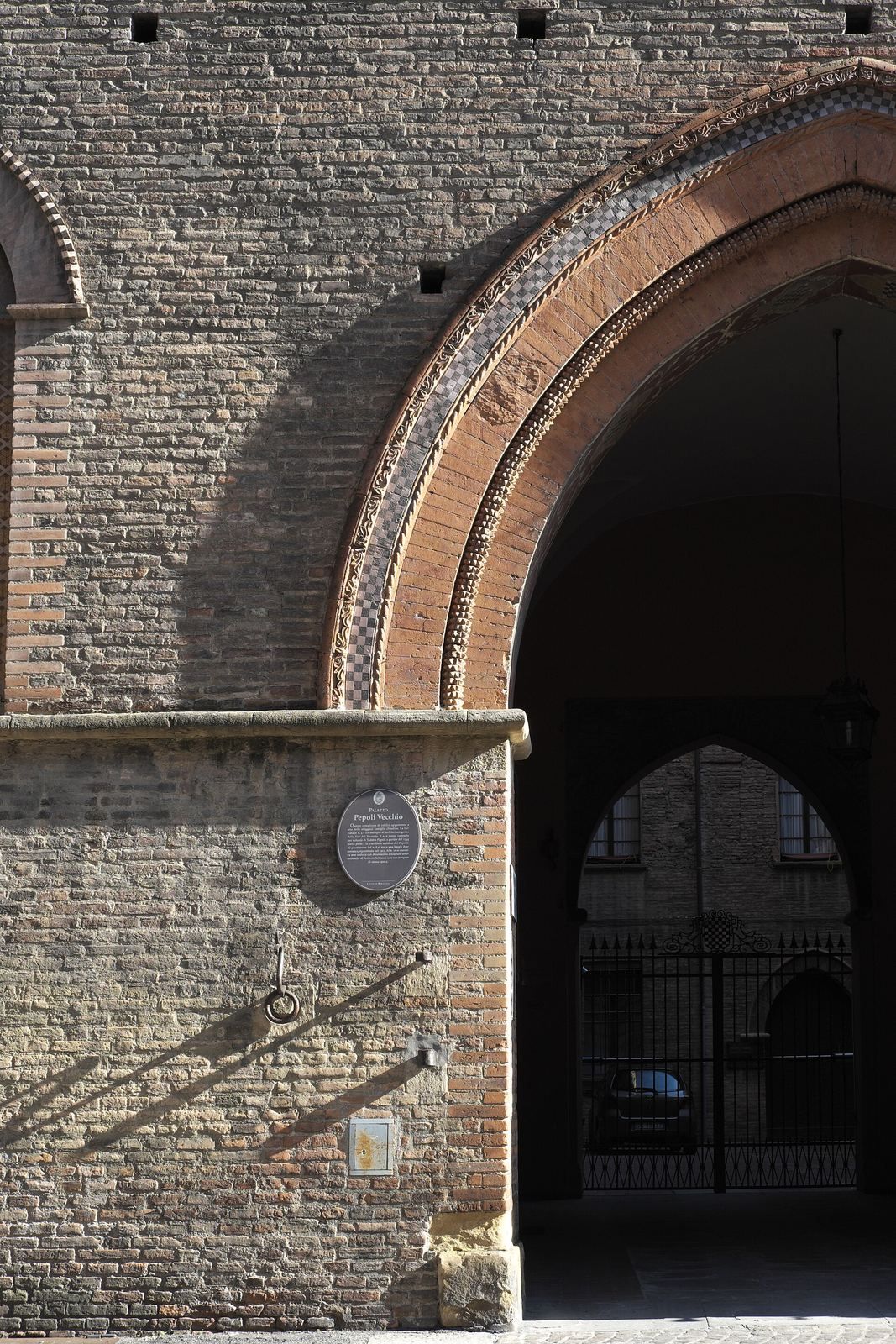
Palazzo Pepoli is a historic palace in central Bologna, Italy, whose first core was commissioned by Taddeo Pepoli in 1344. It is also called Palazzo Pepoli Vecchio, distinguishing it from Palazzo Pepoli Campogrande. Taddeo, a Bolognese nobleman and political leader, became the city’s first lord after its communal regime, a system of city self-government, gave way to rule by an individual.
Origins and papal use
Taddeo formed the palace’s first core by joining properties on Via Castiglione that his father, Romeo Pepoli, had acquired. In 1360, the Holy See, the Catholic Church’s central governing authority, confiscated the building and assigned it to the Apostolic Chamber, the papal government’s administrative and financial body. The palace then became the seat of the Gregorian College, a church-related corporate institution.
Return to the Pepoli family
The Pepoli family recovered the palace in 1474 and enlarged it over the following centuries. The final wing was added in 1723.
Ownership and museum
In 1887, Ferdinando Pepoli, the family’s last male member, sold the palace’s main part to Count Agostino Pepoli of Trapani, a member of the family’s Sicilian branch. When Agostino died on 23 March 1910, Bologna inherited his portion of the palace and its contents, including a first-floor art collection. The bequest required the city to make the building accessible to the public as a Pepoli museum.
The city transferred the Pepoli library to its municipal library in 1913, then sold the palace the following year to a local savings bank. The bank had also acquired the portions still held by other private owners. Engineer Guido Zucchini restored the palace in the 1930s. The Fondazione Cassa di Risparmio in Bologna acquired it in 2003, and architect Mario Bellini directed its restoration and museum design. Since January 2012, the palace has housed the Museum of the History of Bologna.
Remains
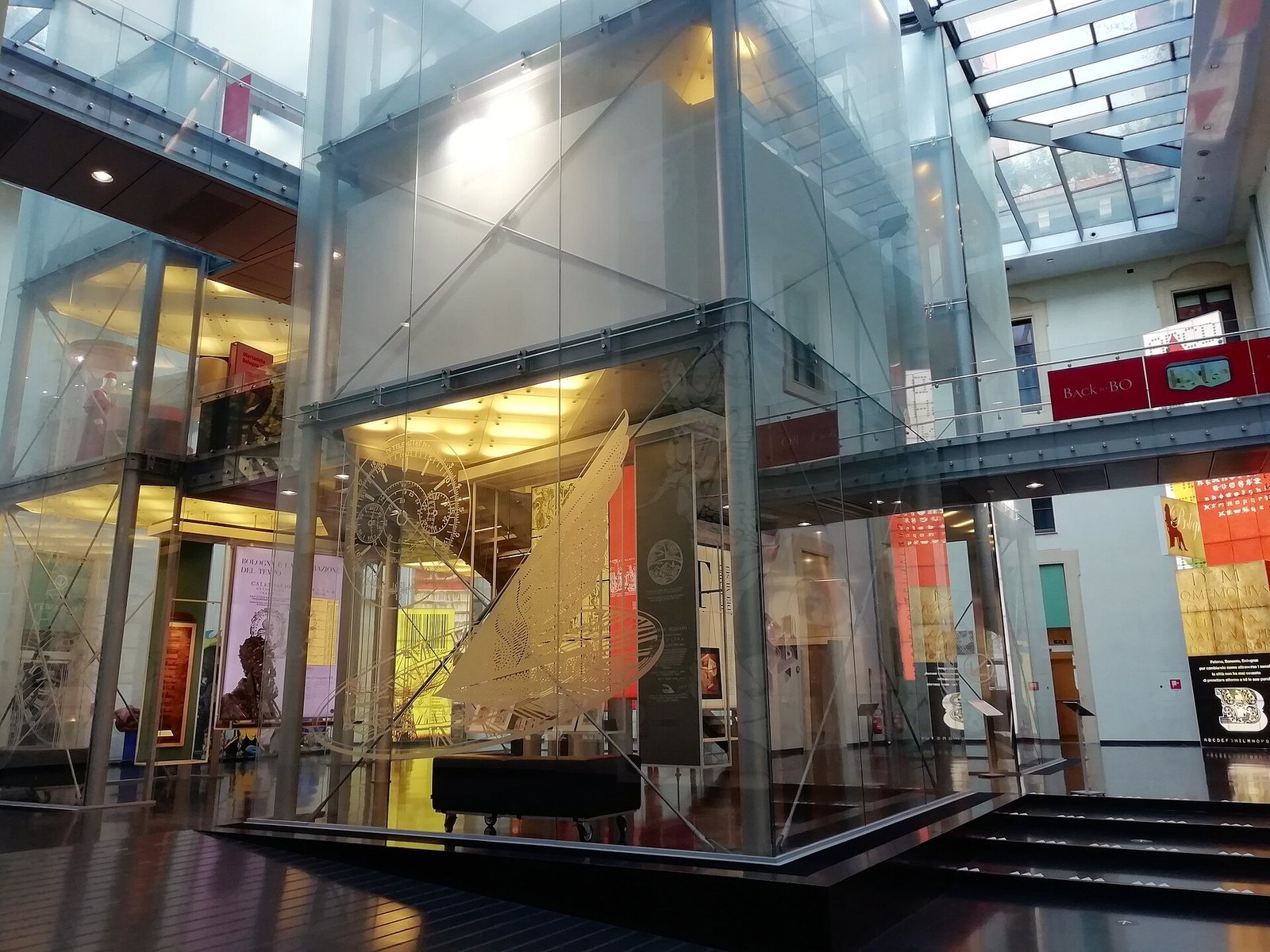
The palace combines the austere character of its original residence with later additions. Its central courtyard now organizes the museum’s arrangement of galleries and other spaces.
Historic palace fabric
Exterior and defenses
The original building was protected by a moat and drawbridges. Beneath the notched edge of the roof, a painted band of black-and-white squares forms a checkerboard pattern that echoes the Pepoli family arms.
Interior spaces
The palace’s interior was arranged as a formal residence, with a main courtyard, a grand staircase, and a reception hall. Lavish stucco decoration also featured in its interiors.
Museum spaces and displays
Galleries and Time Tower
The museum has 36 exhibition rooms on two levels, arranged around the courtyard. At the center of the covered courtyard, the Time Tower connects the two levels. The displays trace Bologna’s history chronologically, from the Etruscans, an ancient people of central Italy, to Futurism, an early twentieth-century artistic and cultural movement.
Culture Hall busts
The Culture Hall displays twelve terracotta busts of notable Bolognese women. Made by a sculptor associated with the Fibbia household around 1680–1690, the fired-clay works were formerly housed at Palazzo Felicini-Fibbia.