Palace of the Councils: A Spanish Palace and Seat of State Government
Site at a Glance
- Popularity
- High
- Country
- Spain
- Primary era
- Early Modern
- Eras represented
- Early Modern
- Civilizations
- Habsburg, Habsburg Spain, Spanish
- Site type
- Civic
- Remains
- Palace
On this page4 sections
History
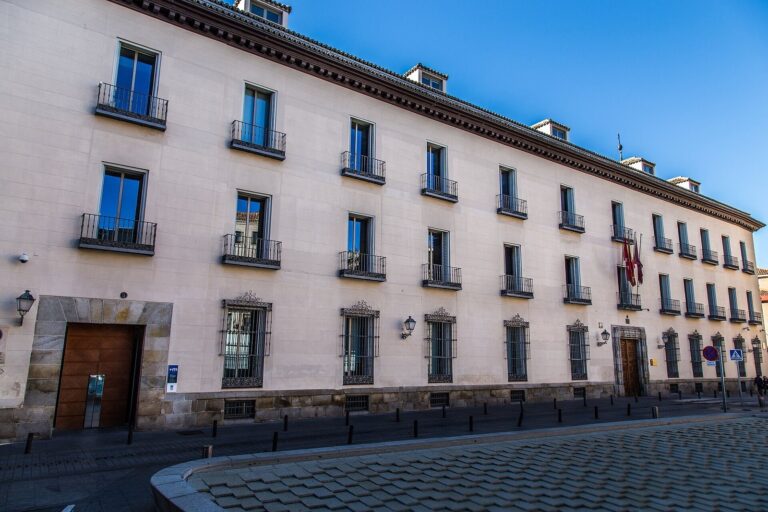
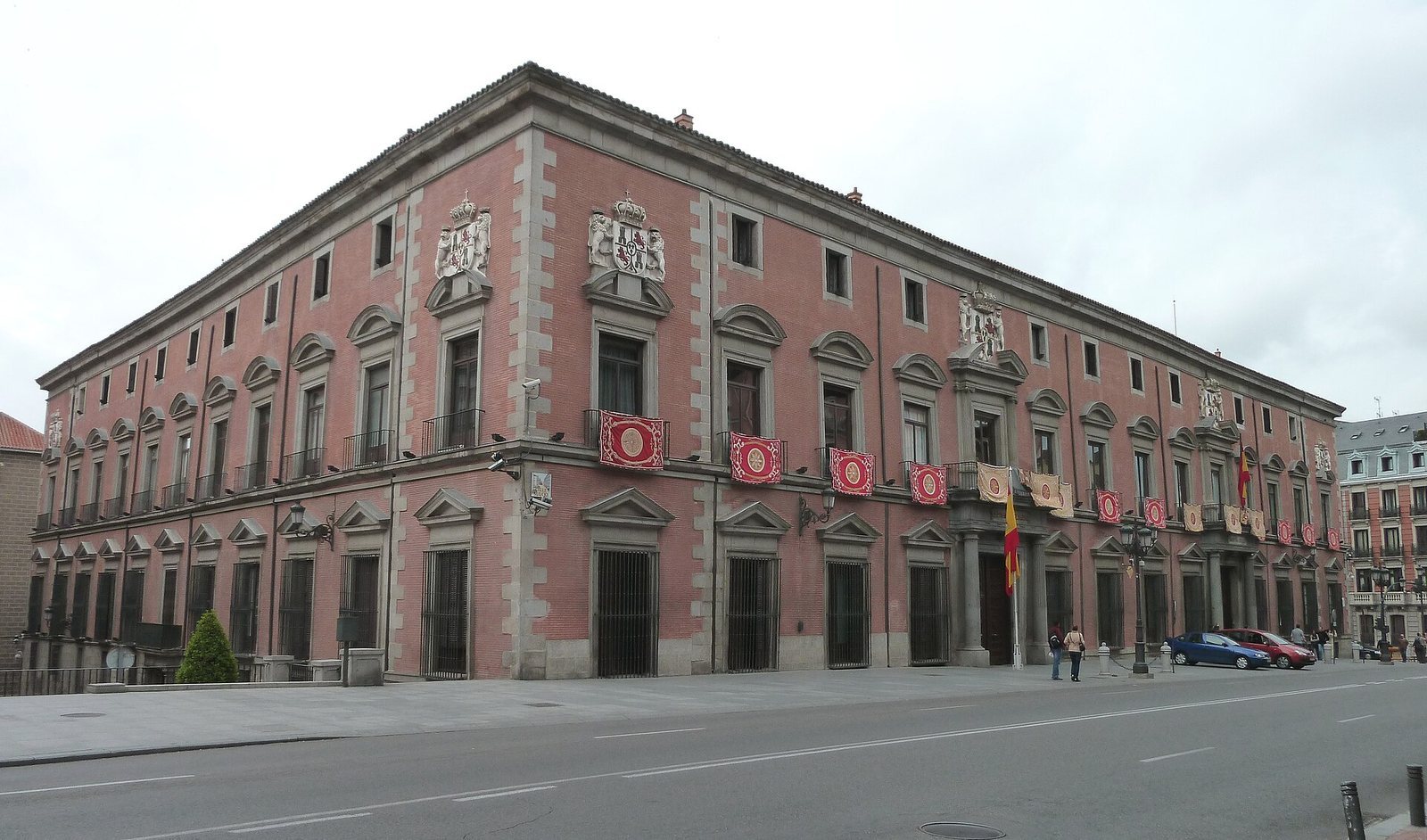
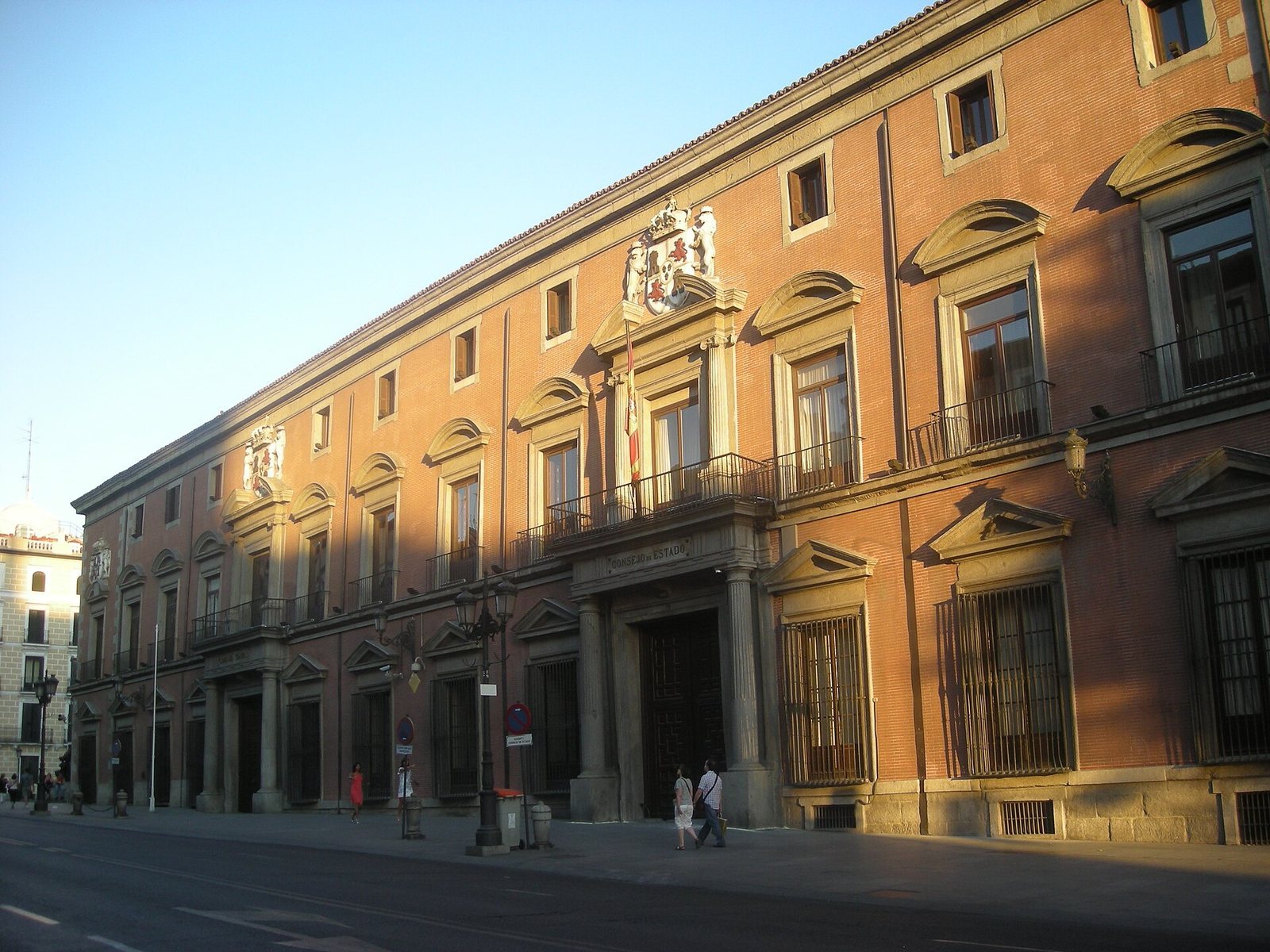
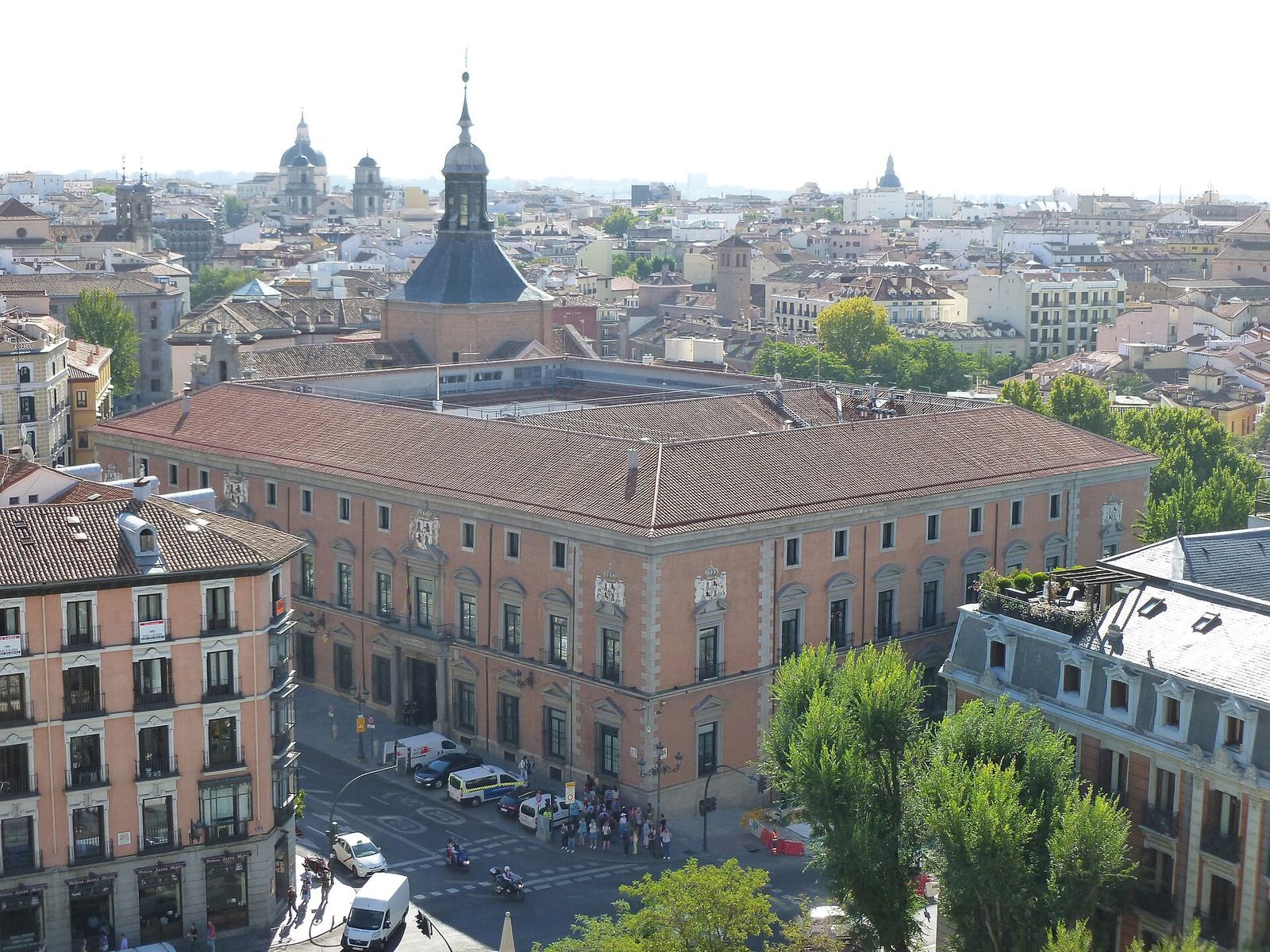
The Palace of the Councils is a seventeenth-century palace on Calle Mayor at the corner of Calle Bailén in Madrid, Spain. Its architecture reflects Spanish Baroque design, a European style known for dramatic forms and elaborate ornament, as well as Herrerian design, associated with austere forms and restrained decoration. Built from 1613 to 1625, the palace later served the royal family and became a seat of Spanish state administration.
Construction and ducal residence
Cristóbal Gómez de Sandoval-Rojas, the first Duke of Uceda and a royal favorite, meaning a courtier with substantial influence over a monarch, commissioned the palace. Francisco de Mora designed it, Juan Gómez de Mora directed the project, and Captain Alonso Turrillo carried out the work. After the duke fell from favor, the palace passed to the Spanish royal family.
During the reign of Philip IV, it became the residence of Luis de Haro, the king’s favorite after Gaspar de Guzmán, the Count-Duke of Olivares. Later, royal-works overseer Bartolomé Hurtado García directed building work for Mariana of Austria, mother of Charles II, the last Habsburg king of Spain. Mariana lived in the palace and died there in 1696.
Government offices and the Council of State
In 1717, Philip V, the first Bourbon king of Spain, acquired the palace to house offices transferred from the Royal Alcázar of Madrid, the royal residence. The building then became known as the Palace of the Councils. The Council of State, Spain’s state advisory body, initially remained in the Alcázar, in its Ruby Room.
In 1834, the councils were abolished except for the Council of State, which was permanently established in the palace around 1858. The Captaincy General, a high-level military command, also moved there during the nineteenth century. The palace received Spain’s Asset of Cultural Interest designation, a formal heritage protection status, in 1982.
Remains
The palace has three floors and stands at a street corner in Madrid’s historic district associated with the Habsburg monarchy. The former Church of Santa María de la Almudena stood directly opposite. The palace’s decoration included the arms of the Sandoval family, flanked by lions shown rearing. At the time, this display was considered excessively ostentatious for a nobleman.