Archbishop’s Palace in Madrid: Residence of the Archbishops and Diocesan Offices
Site at a Glance
- Popularity
- Medium
- Country
- Spain
- Primary era
- Early Modern
- Eras represented
- Early Modern
- Civilizations
- Spanish
- Site type
- Religious
- Remains
- Palace
On this page8 sections
History
Residence of the Archbishop of Toledo
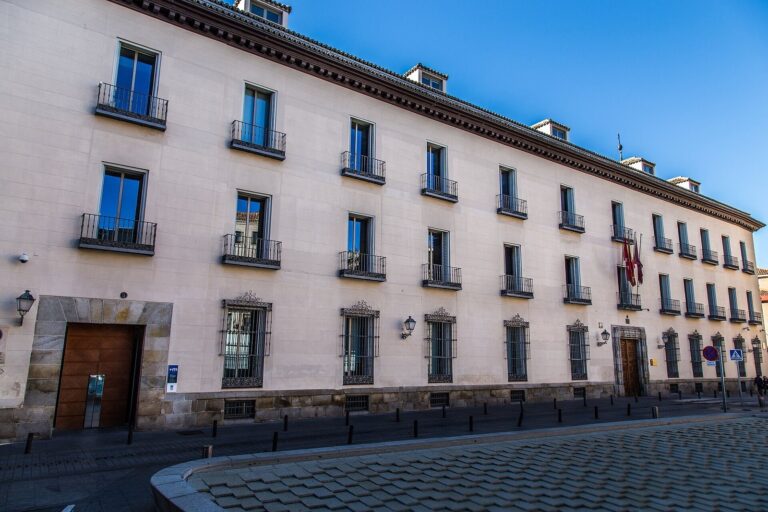
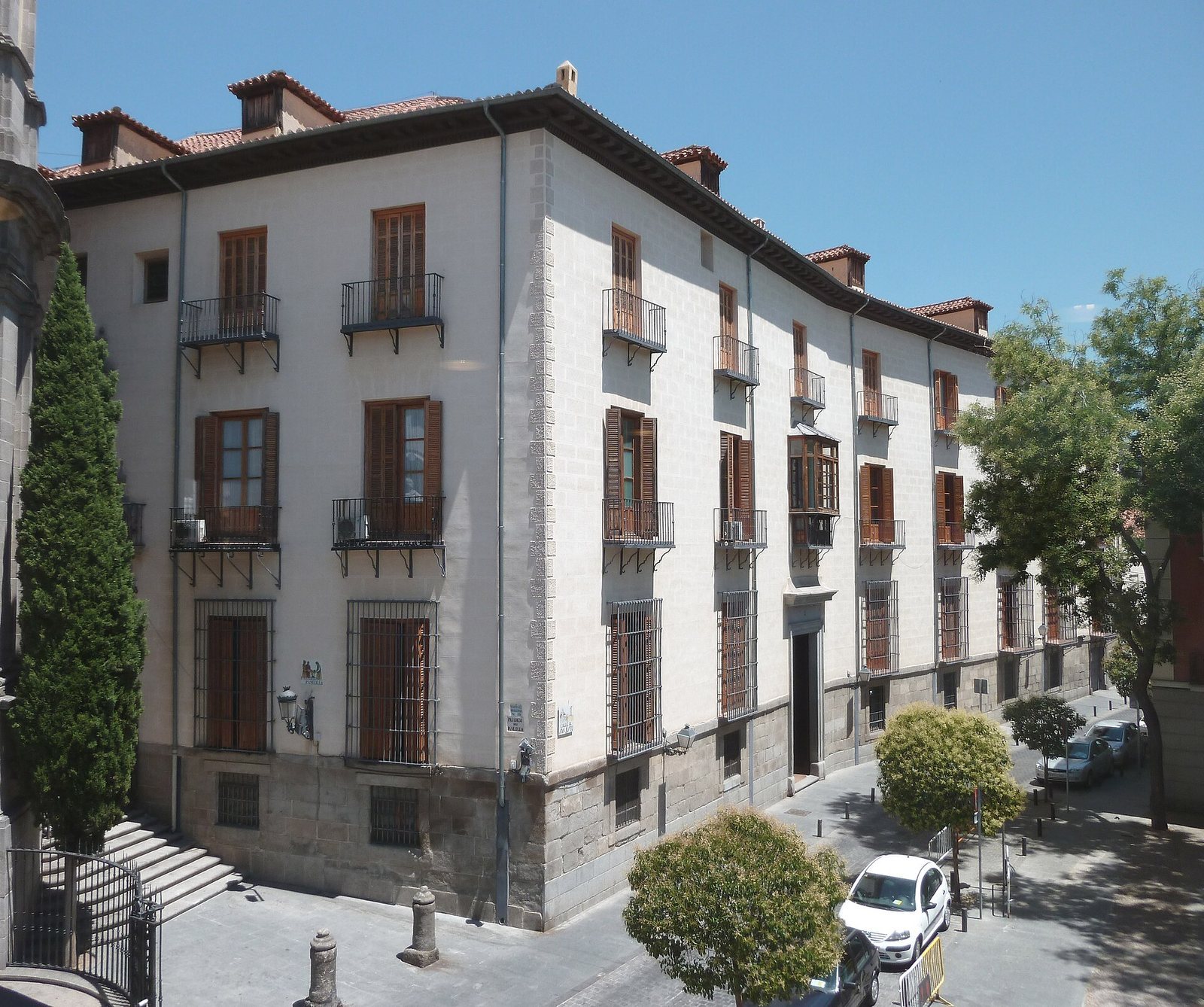
The Archbishop’s Palace in Madrid, Spain, is an ecclesiastical residence built in the second third of the eighteenth century. Its construction took place during the reign of Charles III, a Bourbon king of Spain, at the initiative of Luis Antonio de Borbón y Farnesio, a royal prince who was also a cardinal, and Cardinal Francisco Antonio de Lorenzana. Madrid then fell under the church jurisdiction of the Archbishop of Toledo rather than having a diocese of its own. A diocese is a territory administered by a bishop, and the palace served as the Toledo archbishop’s residence in the city.
Diocesan residence and later uses
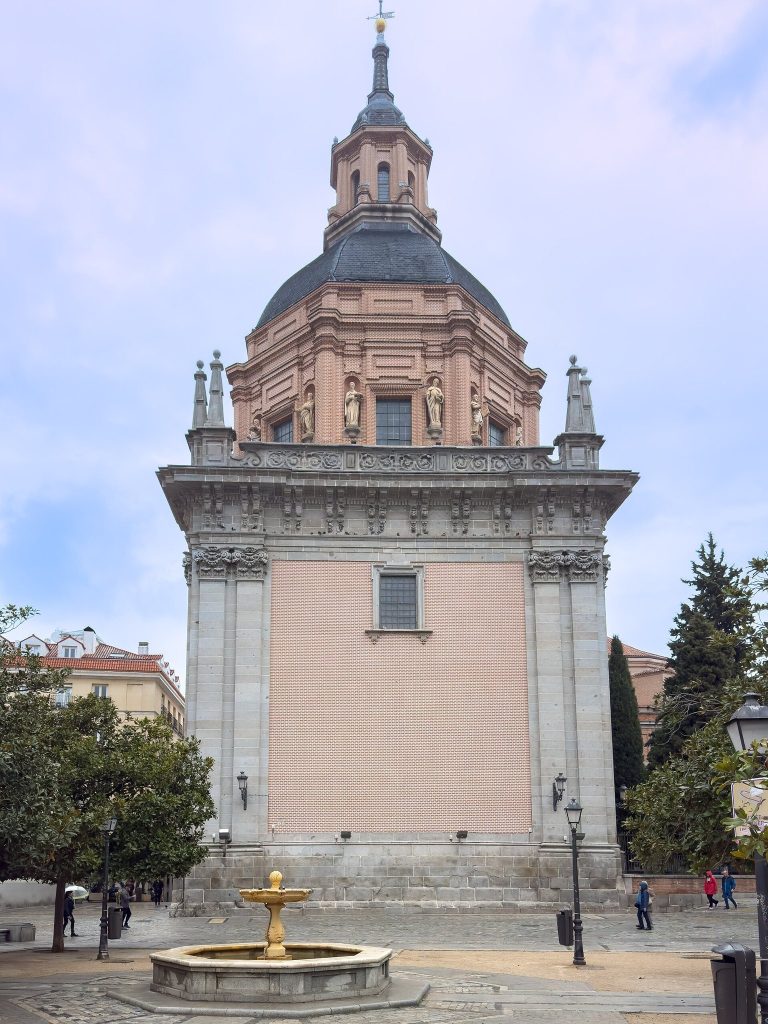
After the Diocese of Madrid-Alcalá was established in 1885, the palace became the home of its first bishop, Narciso Martínez Izquierdo. He lived there until 1886, when he was assassinated at the entrance to the Collegiate Church of San Isidro. The palace later served bishops, archbishops, and cardinals of the Diocese and Archdiocese of Madrid-Alcalá and the Archdiocese of Madrid. It also housed the Conciliar Seminary of Madrid, a diocesan school for training clergy, until the seminary moved to Vistillas in 1907.
The palace now accommodates offices of the ecclesiastical province, the archdiocese’s information-technology departments, and the diocesan archive. Its occupants also include the Apostolic Nunciature, the Holy See’s diplomatic representation in Spain. Madrid City Council restored the building in 2004. It is listed as a monument with full protection in the Community of Madrid’s Register of Assets of Cultural Interest. A now-forgotten saying about Catholic marriage declared, “Whoever does not pass through Calle de la Pasa does not marry,” referring to the street where the palace entrance is located.
Remains
Palace architecture
Layout and exterior
The palace occupies a triangular block bounded by Plaza del Conde de Barajas, Calle de la Pasa, Calle de San Justo, Pasadizo del Panecillo, and Plaza de Puerta Cerrada. It has three or four storeys, depending on the ground level, and mansard roofs with steep lower slopes and shallower upper slopes. The façades are coated in plaster and rest on granite bases.
Portal
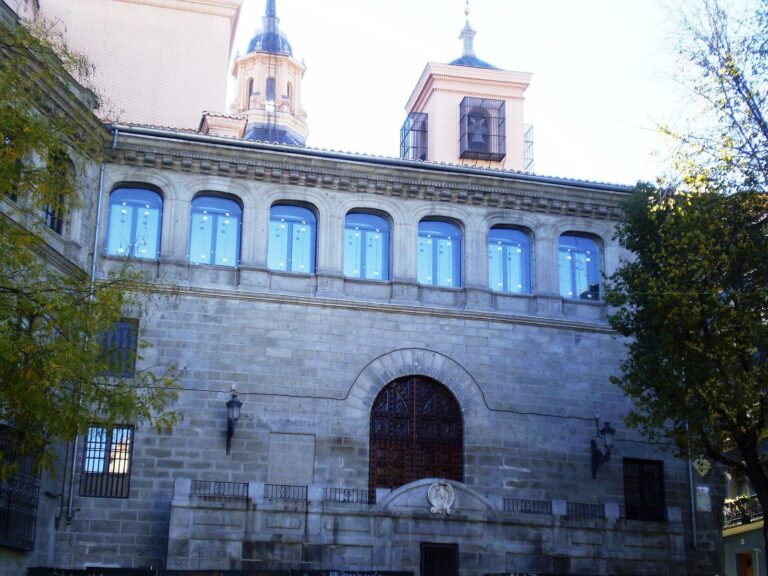
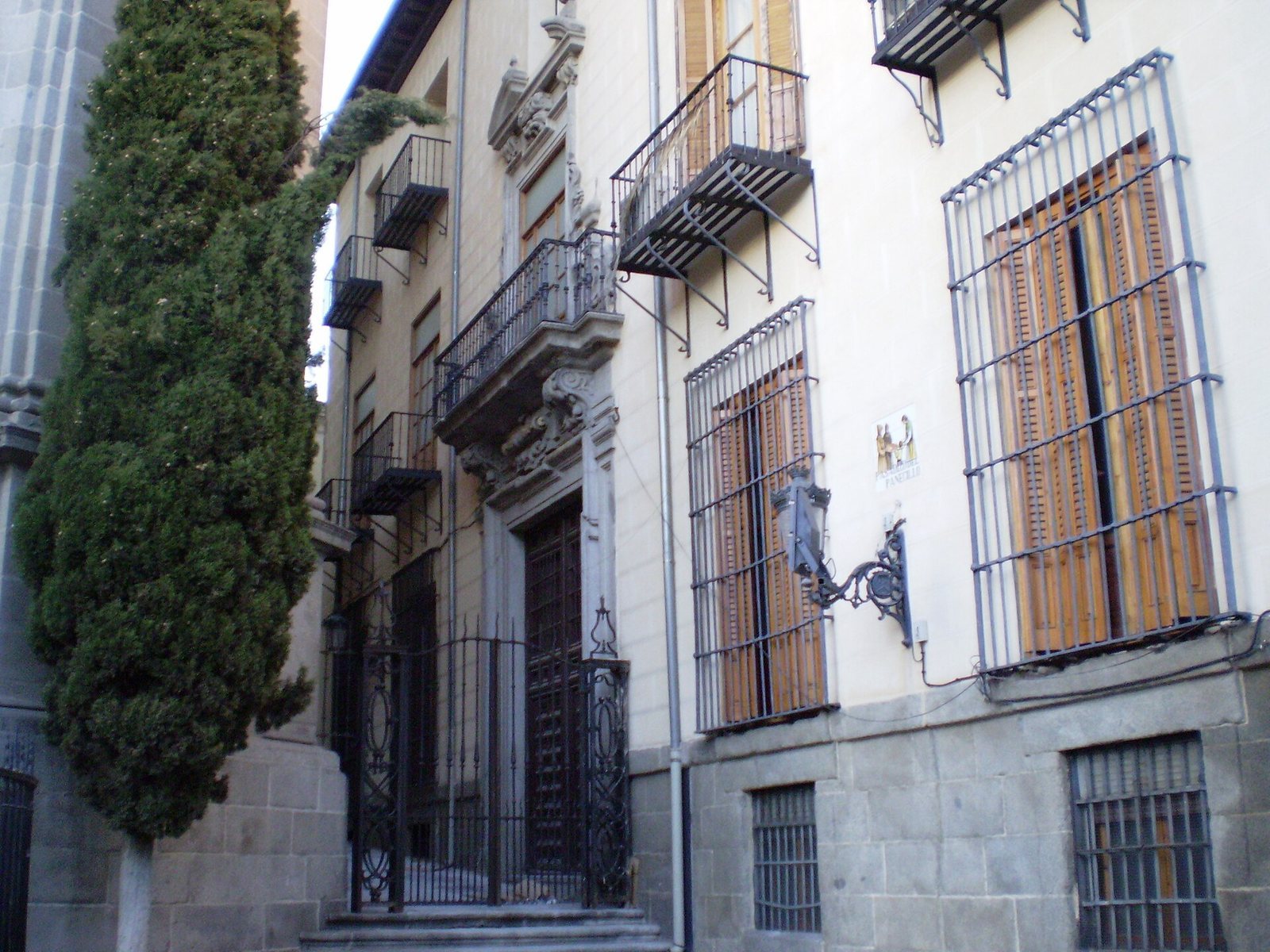
The restrained exterior has little ornament, while the portal on Pasadizo del Panecillo, beside the Pontifical Basilica of Saint Michael, is its most artistically notable feature. The entrance has elements of Madrid Baroque, a local expression of the European style known for richly composed forms and ornament. Projecting details shaped like ears accent the corners of its frame.
Interior and former reliquary chest
The interior contains a notable art collection. It once held a thirteenth-century chest that housed the remains of Saint Isidore, a medieval Spanish saint associated with Madrid. The chest was transferred to Almudena Cathedral when the cathedral opened in 1993.