Festenburg Castle: A Medieval Stronghold and Monastery in Styria
Site at a Glance
- Popularity
- Medium
- Country
- Austria
- Primary era
- Medieval
- Eras represented
- Medieval, Early Modern
- Civilizations
- Duchy of Styria, Habsburg, Habsburg Austria, Holy Roman Empire
- Site type
- Military
- Remains
- Castle
On this page10 sections
History
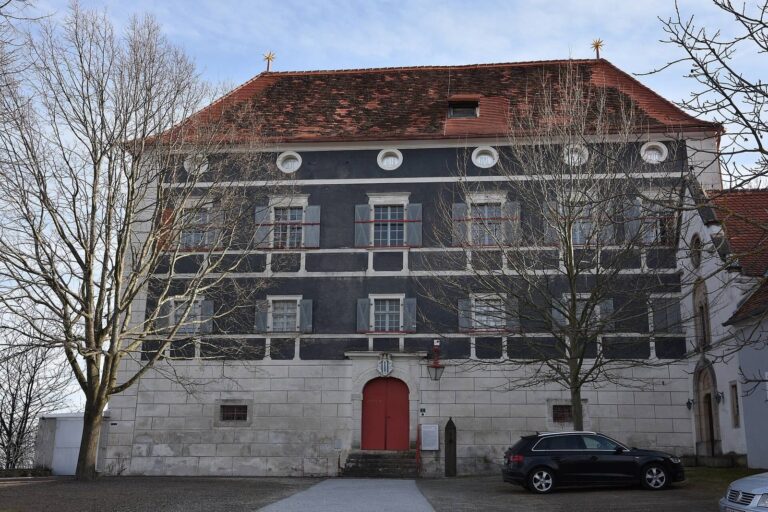
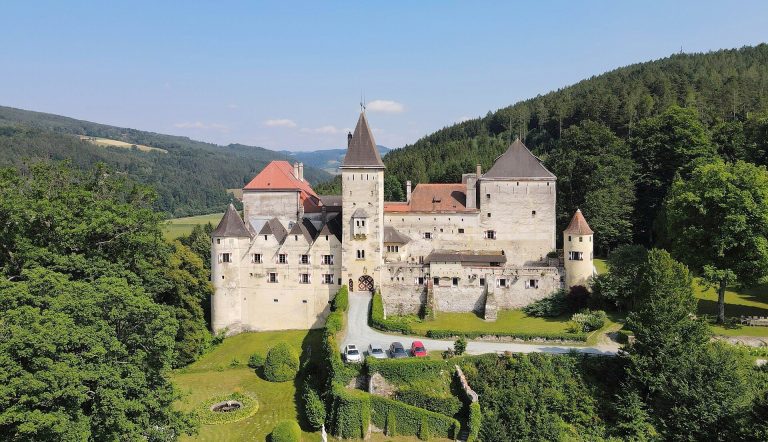
Festenburg Castle is a medieval stronghold in Festenburg, Styria, Austria, founded around 1200, probably by the Lords of Stubenberg. A record from 1353 names it Vöstenburg.
Medieval castle and noble ownership
Around 1399, the castle passed by inheritance from the extinct Lords of Stadeck to Count Hugo von Montfort, who later held the regional office of governor of Styria. The Stadeck family was related by lineage to the Lords of Stubenberg. From about 1416, the Lords of Saurau held the castle.
Ottoman attacks and monastic expansion
Ottoman forces failed to capture the castle in 1529 during the First Ottoman Siege of Vienna, the Ottoman campaign against the city. They made another unsuccessful attempt in 1532 during a separate campaign toward Vienna.
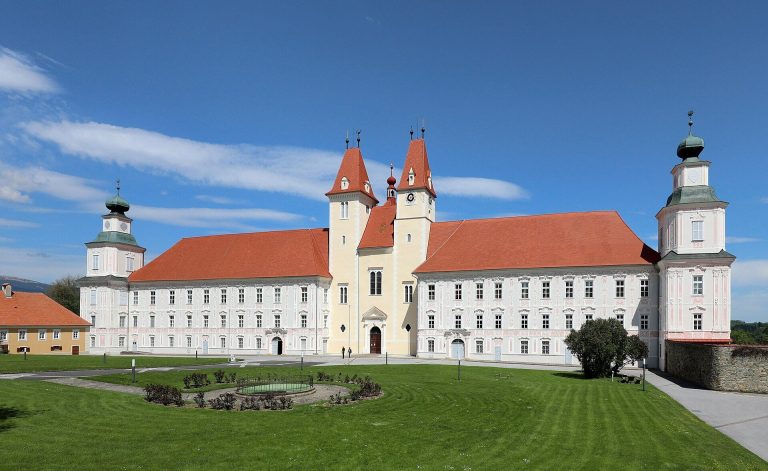
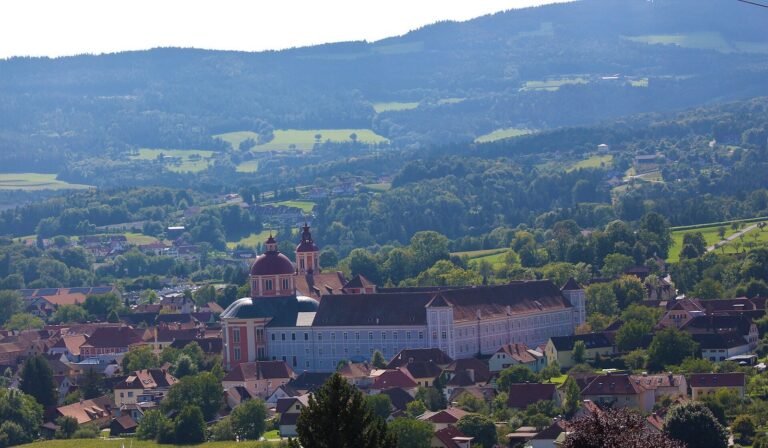
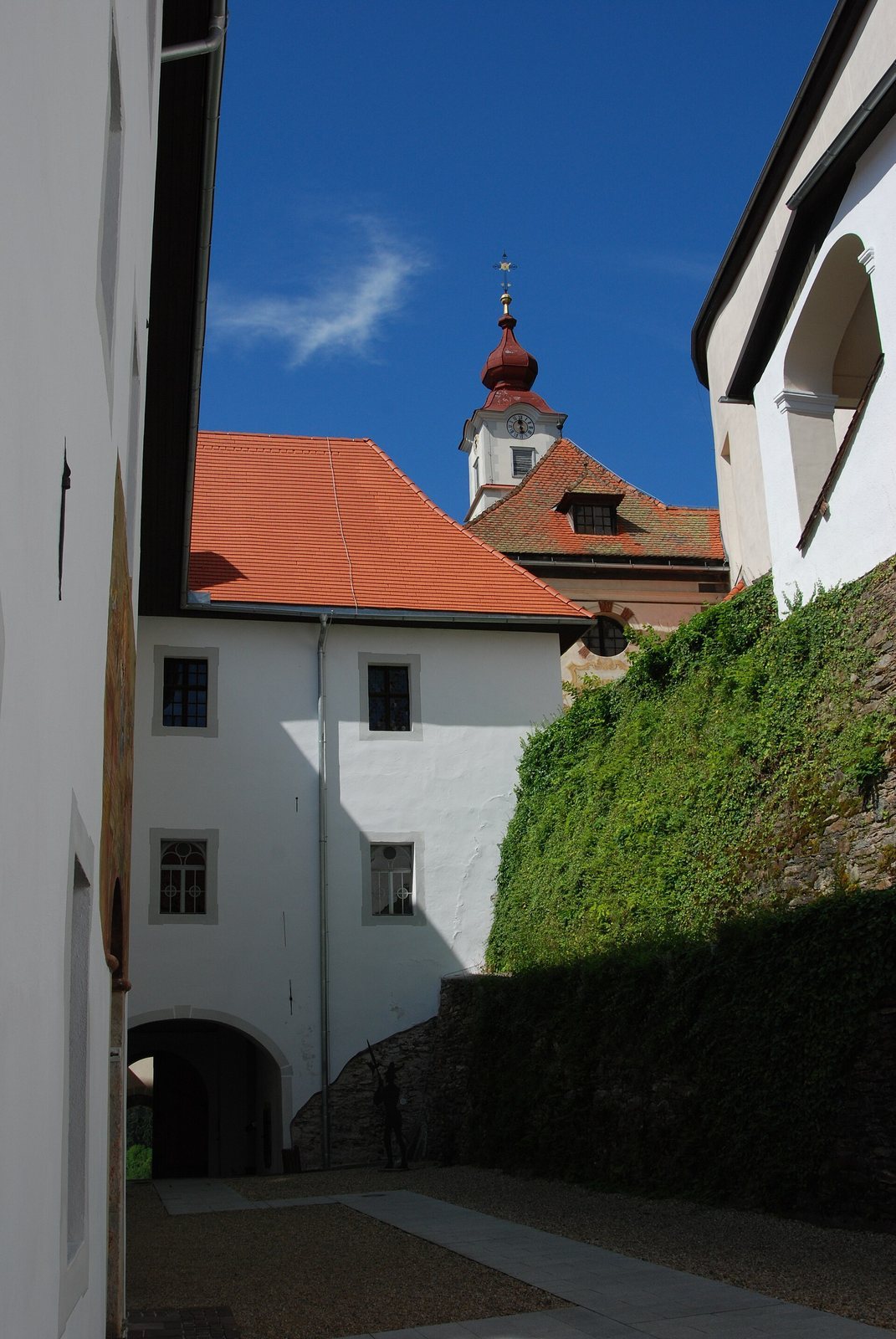
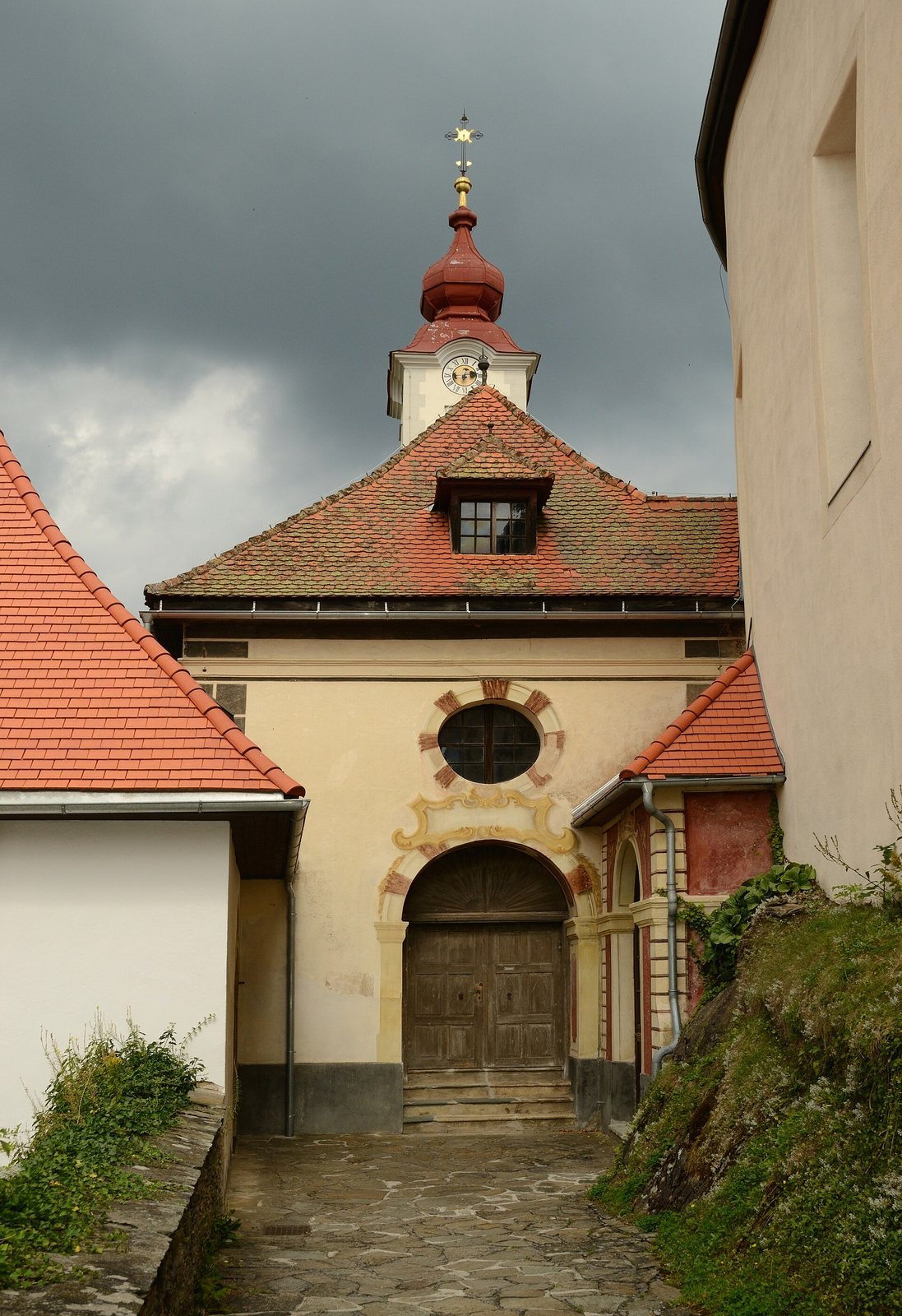
In 1616, Vorau Abbey, under Provost Daniel Gundau, a senior church official, bought the castle from the Counts of Saurau. The abbey expanded it into a monastery between 1700 and 1723, and the property has remained with Vorau Abbey since its purchase. The castle’s knight’s hall became a Roman Catholic parish church dedicated to Saint Catherine. The parish is served by Augustinian canons, clerics whose community follows the Rule of Saint Augustine.
From 1889 to 1928, the Austrian priest and poet Ottokar Kernstock lived at Festenburg, serving as parish priest and writing there.
Remains
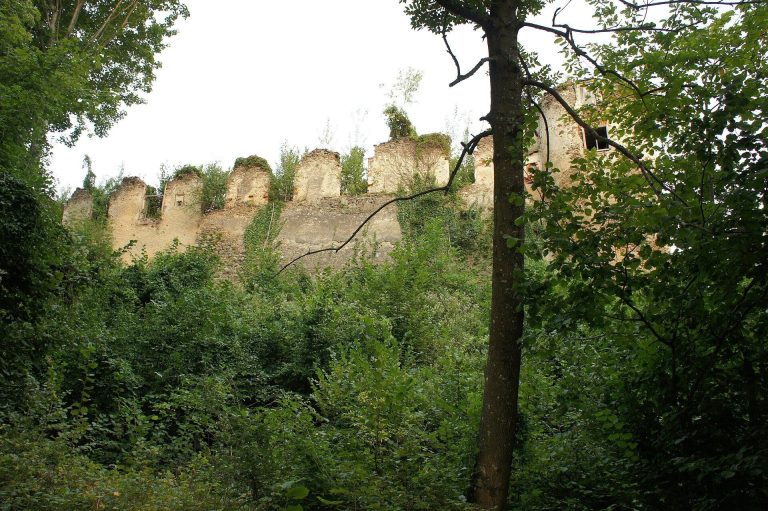
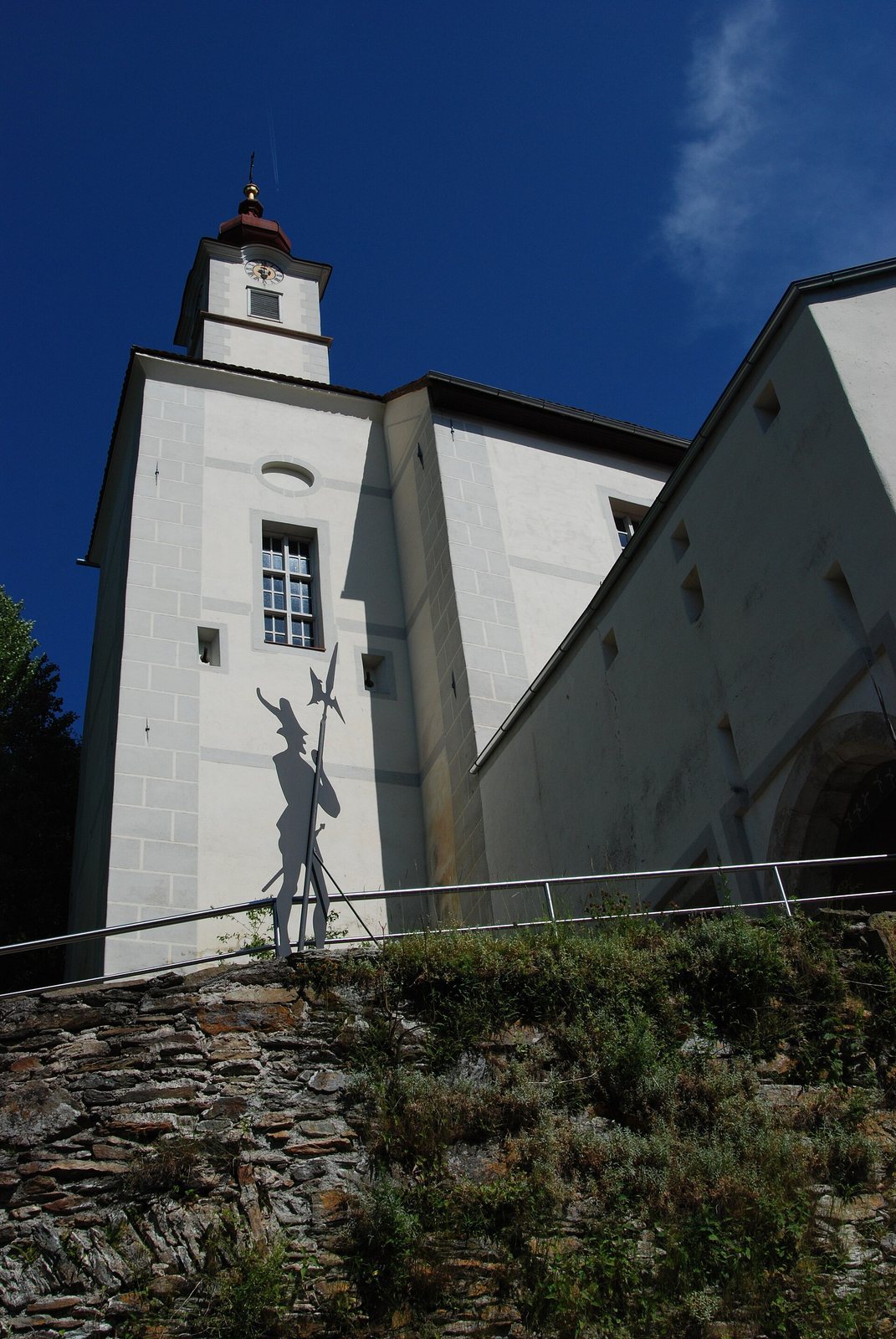
The castle occupies a rocky spur with steep drops on three sides. Its principal described group is the former knight’s hall, now the parish church of Saint Catherine, with six chapels arranged in sequence before it.
Church and chapel sequence
Parish church of Saint Catherine
The parish church occupies the former knight’s hall. Its ceiling bears the 1710 fresco known as Festenburger Frauenhimmel, depicting holy virgins and angels. Painted by Johann Cyriak Hackhofer, a painter of Vorau Abbey, it is a major example of late-Baroque Styrian expressive illusionism. Late Baroque was a later phase of Baroque art, known for elaborate, dynamic forms; expressive illusionism uses painted effects to suggest depth and three-dimensional space.
Six chapels
In front of the church, the chapels form a sequence comprising the Loreto Chapel, Chapel of the Crown of Thorns, Nativity Chapel, Mount of Olives Chapel, Flagellation Chapel, and Cross Chapel. Hackhofer began painting decoration in the church and chapels in 1709.
Kernstock’s rooms and site grounds
Kernstock’s rooms
Kernstock’s reception room, study, and bedroom are accessible as a museum.
Courtyard entrance and mountain cemetery
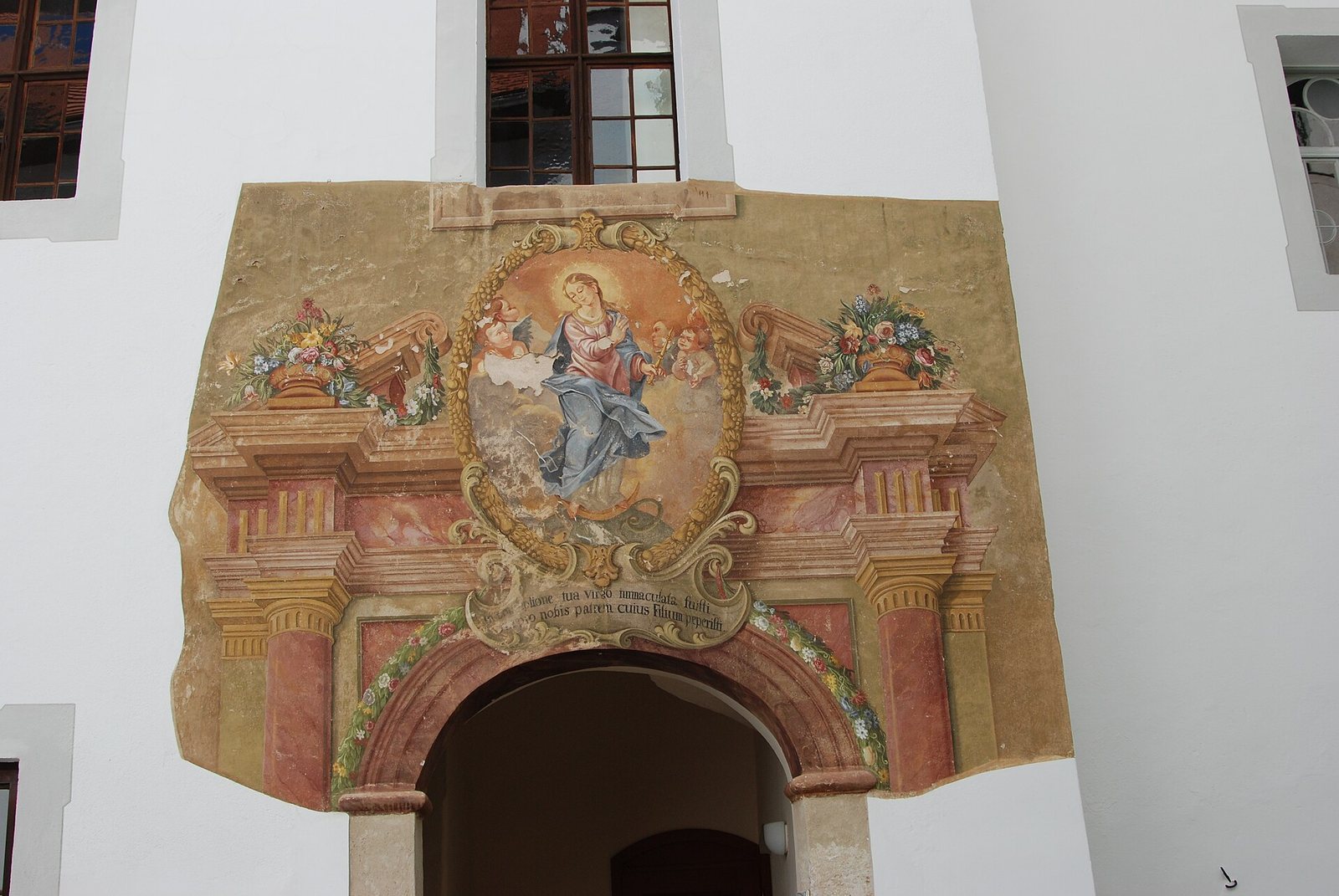
A courtyard entrance and a mountain cemetery are also features of the site.