Aichberg Castle: A Historic Residence in Styria, Austria
Site at a Glance
- Popularity
- Medium
- Country
- Austria
- Primary era
- Early Modern
- Eras represented
- Medieval, Early Modern
- Civilizations
- Duchy of Styria, Habsburg, Holy Roman Empire
- Site type
- Domestic
- Remains
- Castle
On this page6 sections
History
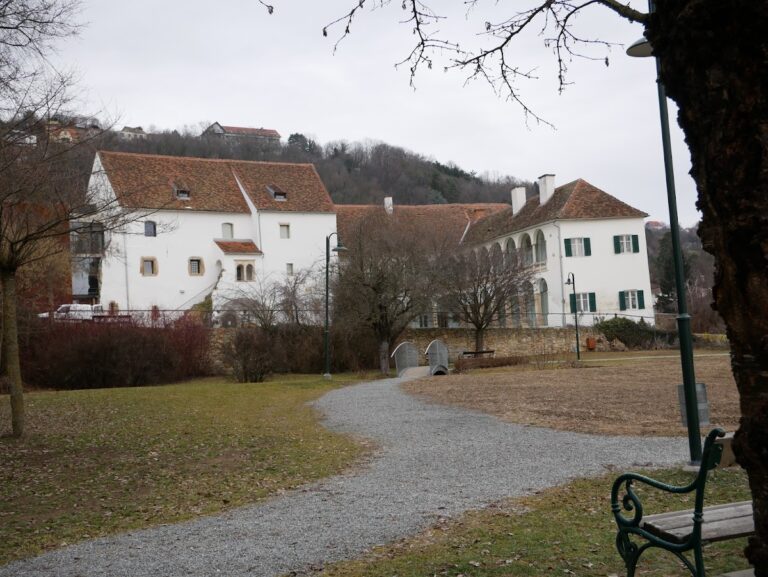
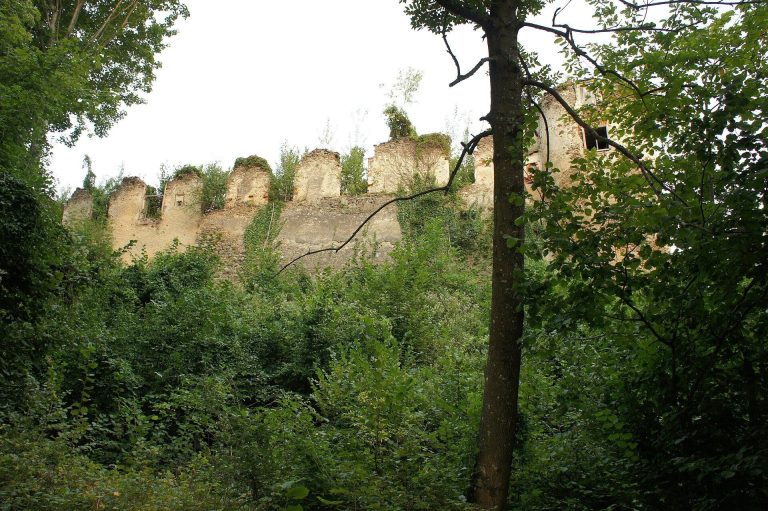
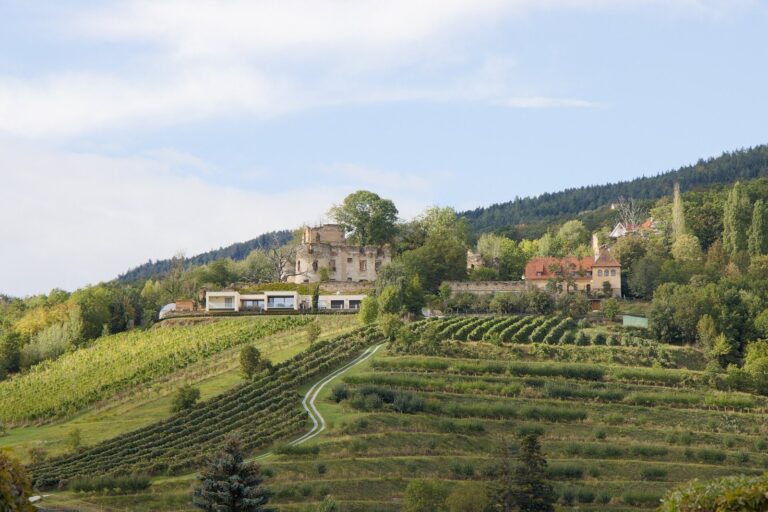
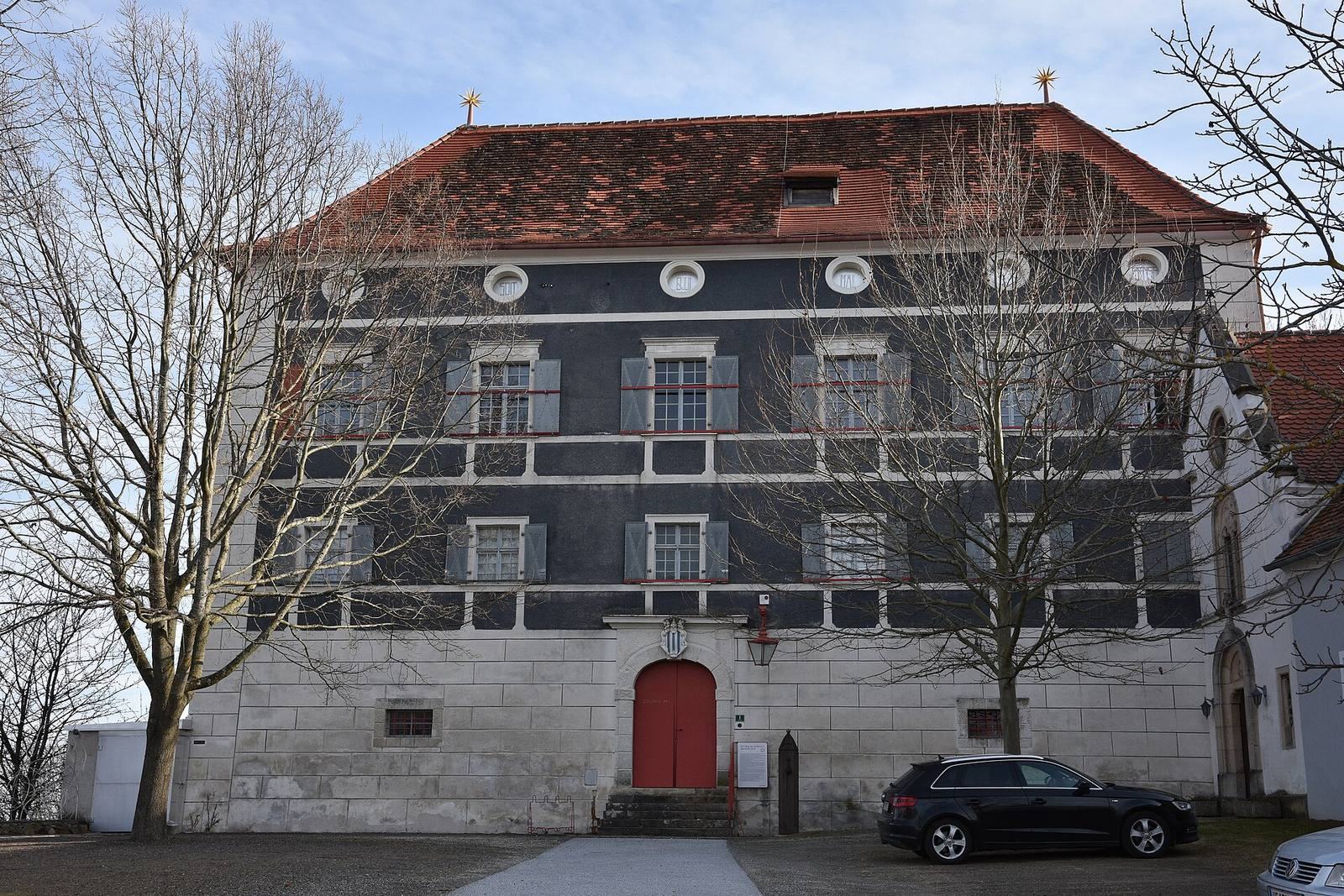
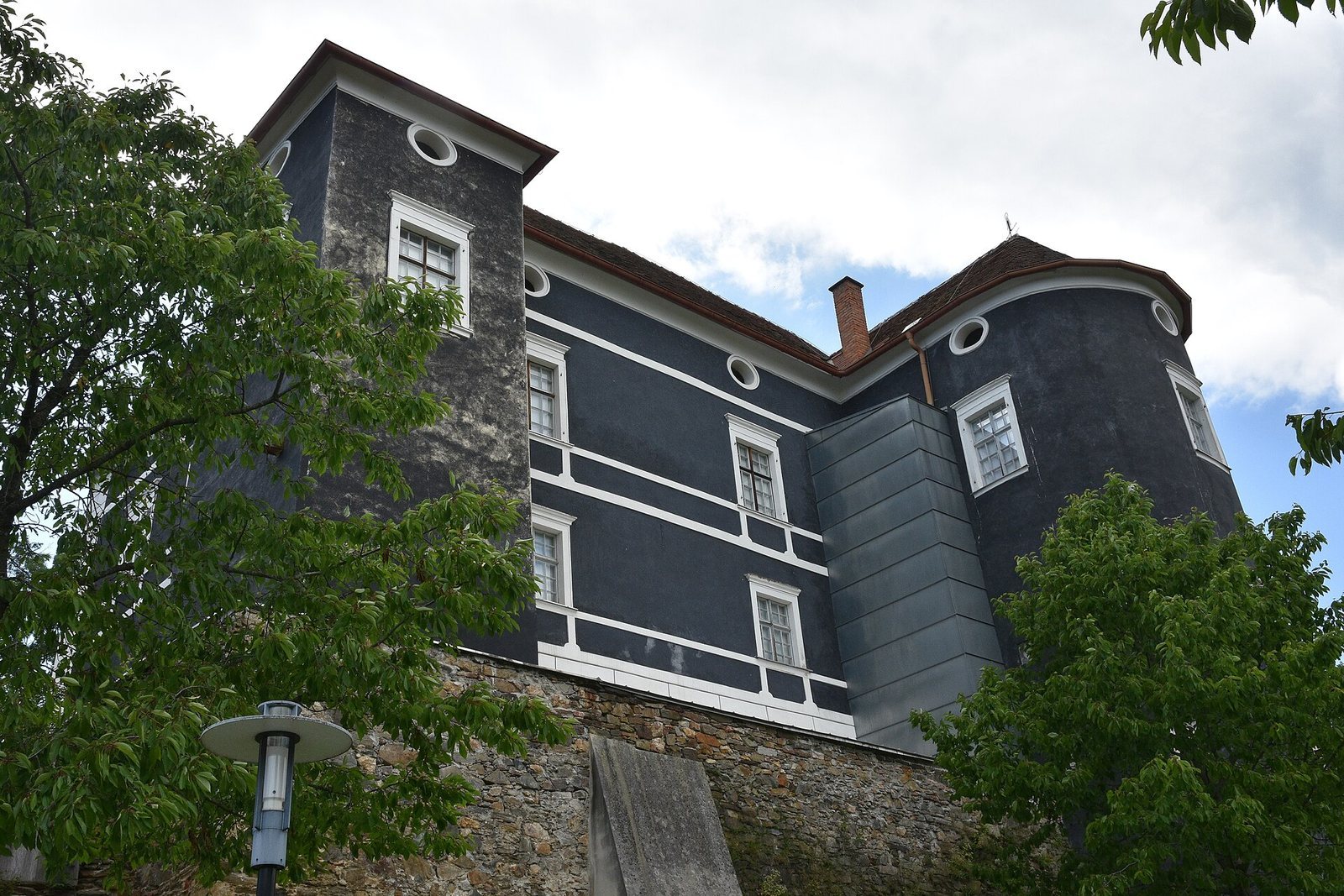
Aichberg Castle stands in Eichberg, in the municipality of Rohrbach an der Lafnitz, Styria, Austria. First recorded in 1374, it took its present form in 1669. The castle was repeatedly rebuilt or altered during its history.
Frontier castle and medieval ownership
After conflicts with Hungary, a frontier between the Holy Roman Empire, a multi-territorial polity in central Europe, and Hungary was established along the Lafnitz around 1043. A chain of castles was built in the region toward the end of the twelfth century. Aichberg, recorded in medieval times as Aichperg, belonged to this frontier region.
In 1378, the knight Wulfing von Aichberg commissioned a stone chapel dedicated to John the Baptist. In 1396, Hans von Aichberg, the last male member of the family, received the lordship, its estate and jurisdiction, as a fief from Duke William of Austria. A fief was land or authority granted by a superior, traditionally in return for service or allegiance.
In the early fifteenth century, the estate passed to Hans von Aichberg’s daughter, who married Hans Reuter. Their daughter Barbara married Balthasar Welzer, a member of an established Augsburg urban elite, in 1407. Aichberg later passed by sale to Moritz Welzer. In 1412, the Welzers sold it to the knight Seyfried Steinpeiss.
Steinpeiss residence and later owners
The Steinpeiss family made Aichberg its seat until 1772 and developed it into a residential castle in the mid-seventeenth century. After Count Karl Joseph von Steinpeiß died, his will left the lordship to his cousin, Baron Maximilian von Waidmannsdorf. Ownership then changed rapidly as the estate declined. The nobleman Johann Edmund von Erko acquired the castle in 1779.
In 1817, Donat Hartmann, a paper merchant from Prague, won the castle in a lottery. Cavalry captain Count Ludwig von Schönfeld soon acquired the Aichberg and Reitenau lordships, but died in a riding accident in 1828. State councillor Heinrich von Müller-Hörnstein bought them at auction. His heirs sold both estates in 1843 to Baroness Maria Anna Cäcilie Henriette von Eskeles, who later married Count Franz von Wimpffen. The Wimpffen family subsequently owned Aichberg. Greek princes of the Ypsilanti family purchased the castle in 1906.
War and modern use
During the First World War, Galician refugees living in the castle burned timber from its roof structure for fuel. In the Second World War, the castle served as quarters for the German Wehrmacht, the armed forces of Nazi Germany. It has been privately owned since 1986, and renovation has enabled it to house a museum.
Remains
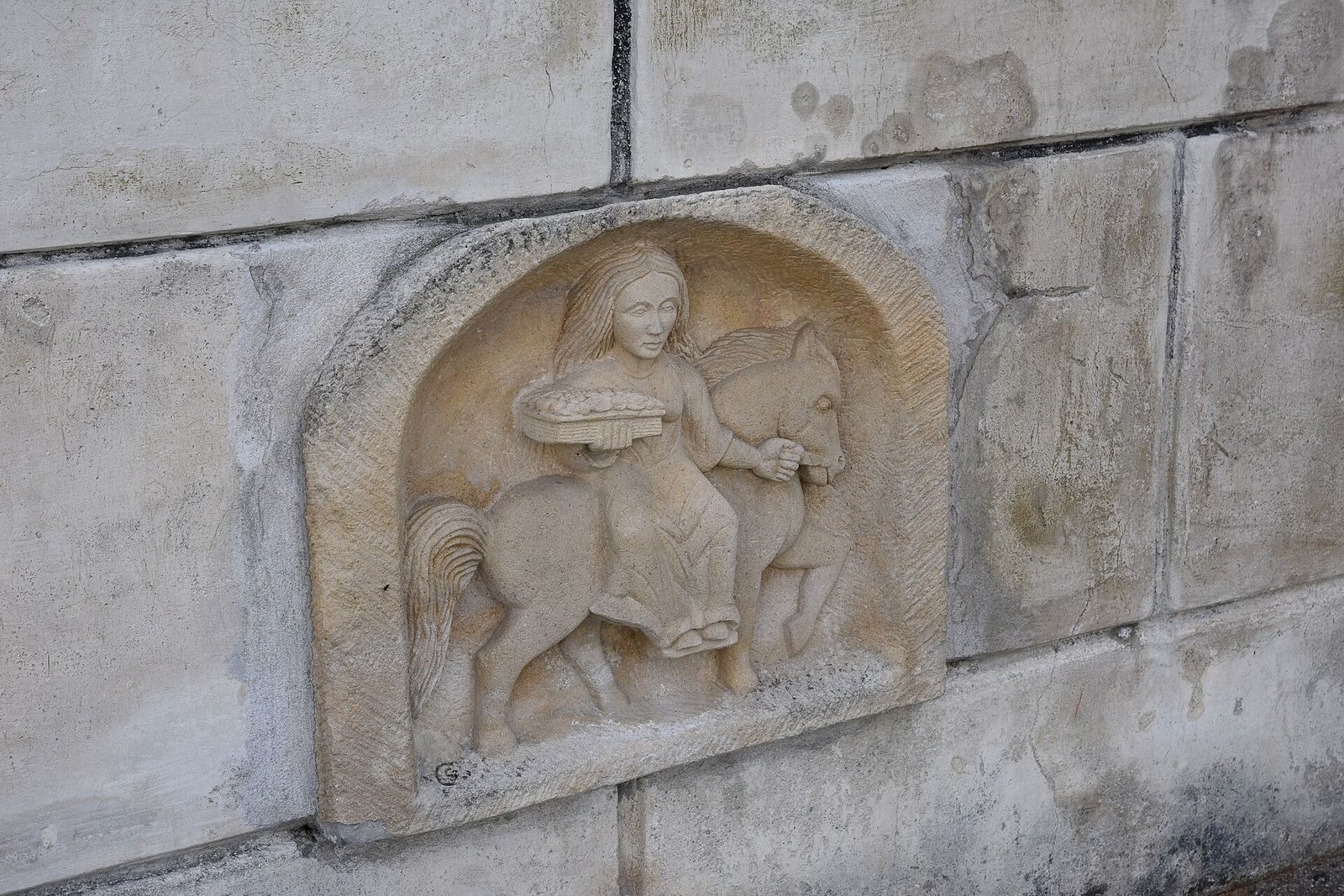
The castle’s present architectural form was designed by a master builder associated with the Carlone school, a Central European circle of builders and artists linked to the Carlone family. Its main gate and a stone relief are among its described features. An image of ancestral coats of arms identifies the Steinpeiss, Schönfeld and Wimpffen families as former holders of the Aichberg lordship.
Chapel and parish church
The stone chapel built in 1378 was expanded into the present Eichberg parish church. The church contains the burial place and tombstones of the Steinpeiss counts, and its chapel features include an altar. A Marian column, a devotional monument honoring the Virgin Mary, stands nearby.