Fort Hubberstone: A Coastal Defence Fort at Milford Haven
Site at a Glance
- Popularity
- Medium
- Country
- United Kingdom
- Primary era
- Modern
- Eras represented
- Modern
- Civilizations
- British
- Site type
- Military
- Remains
- Fort
On this page10 sections
History
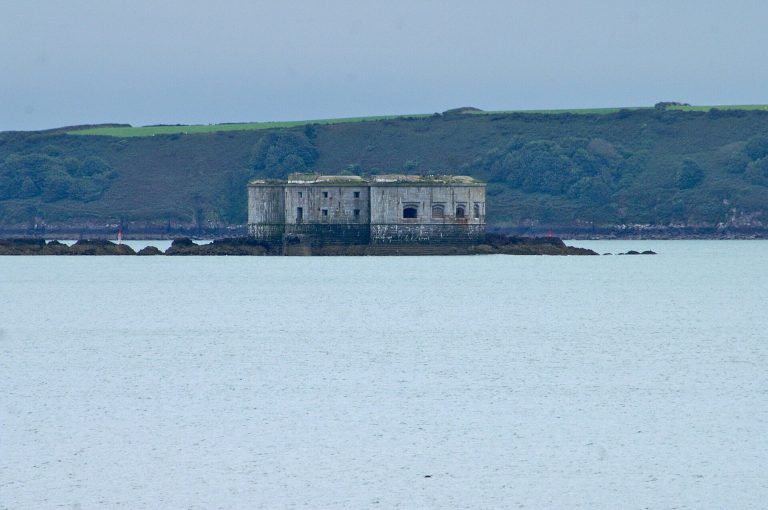
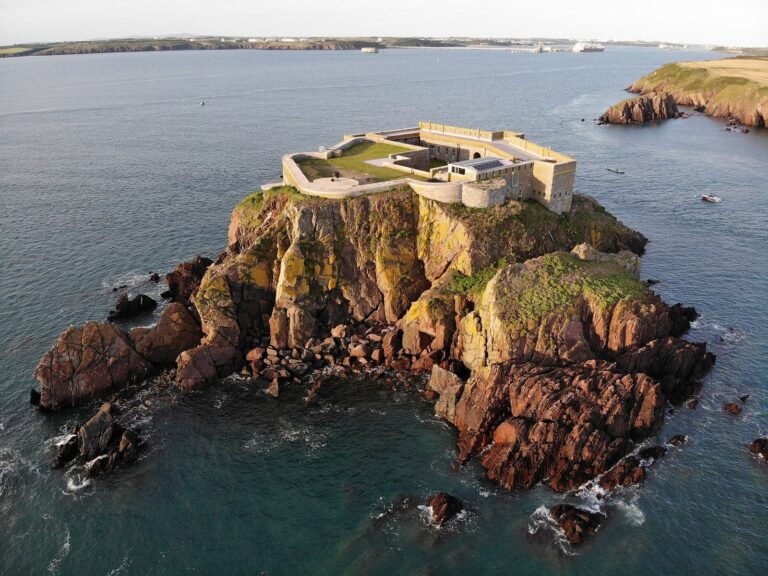
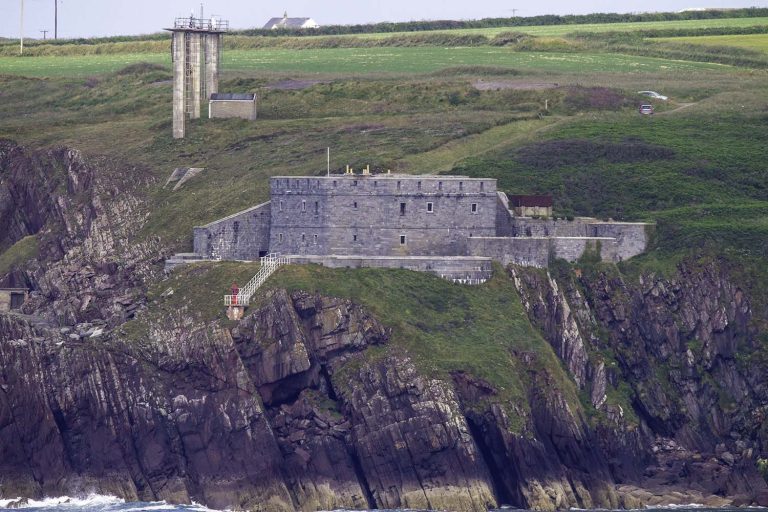
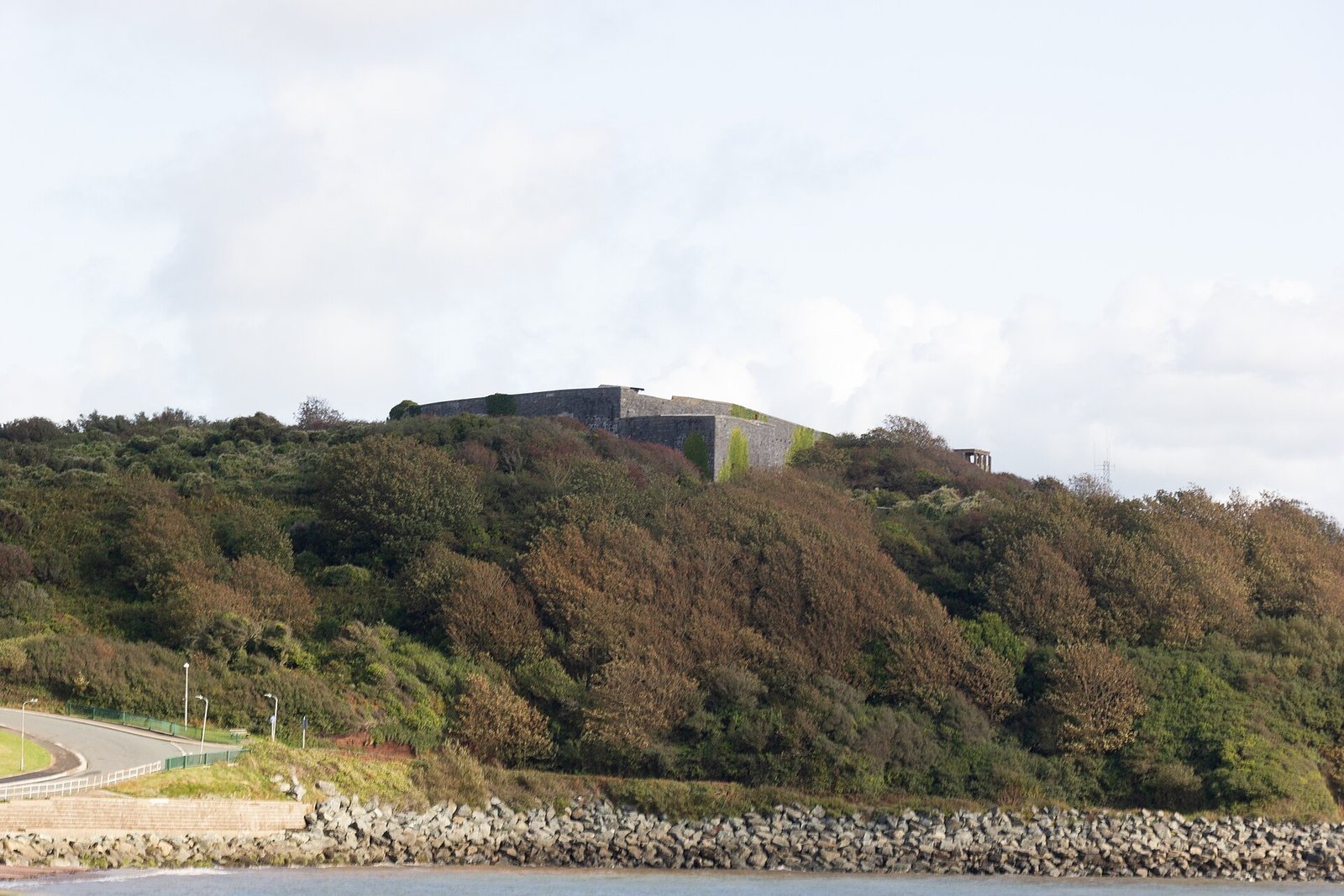
Fort Hubberstone is a stone coastal fort on the west side of Milford Haven in Pembrokeshire, United Kingdom. Built from 1860 to 1863 at a cost of £55,000, it formed part of the inner defences developed after the Royal Commission on the Defence of the United Kingdom, a British government inquiry into national defence. Together with Popton Fort on the opposite shore, it covered overlapping firing areas and formed the final defensive line before the Royal Naval dockyard at Pembroke Dock.
Construction and garrison
The barracks could accommodate 250 men. The Royal Pembroke Artillery, a locally raised militia unit, supplied the garrison, which also included a detachment of regular infantry. Recruiting was often difficult because the fort’s isolated position was less appealing than service at urban stations.
In 1875, Doctor Alder murdered Lieutenant Walter of the militia during a drunken brawl. The fort was also used for live-fire practice. In 1894, it took part in experiments with searchlights, which illuminated targets for guns to engage at night.
Abandonment and later use
After the First World War, the fort was abandoned as a consequence of the Haldane Reforms, changes to the British Army and its reserve forces. A 1919 proposal to convert it into social housing did not proceed. During the Second World War, the site was reused as an air-raid shelter and an army camp for American military personnel.
Several restoration plans failed while the fort was owned by Milford Haven Port Authority. In 2011, British Archaeology ranked it fifth among the United Kingdom’s most endangered archaeological sites, prompting a campaign to find it a sustainable long-term use. A 2019 proposal for a military-based residential camp for former service personnel was later dropped following a media scandal involving Camp Valour. In September 2020, investor and local councillor Guy Anderson bought the site and announced plans to open it to the public as a “living ruin.” Alyson Rawes and Kelsey Trattner bought it in 2024. Fort Hubberstone is listed at Grade II*, a Welsh category for particularly important buildings of more than special interest.
Remains
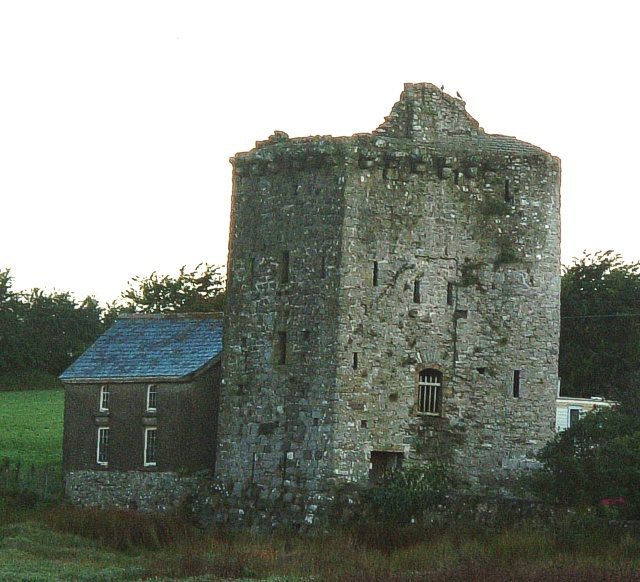
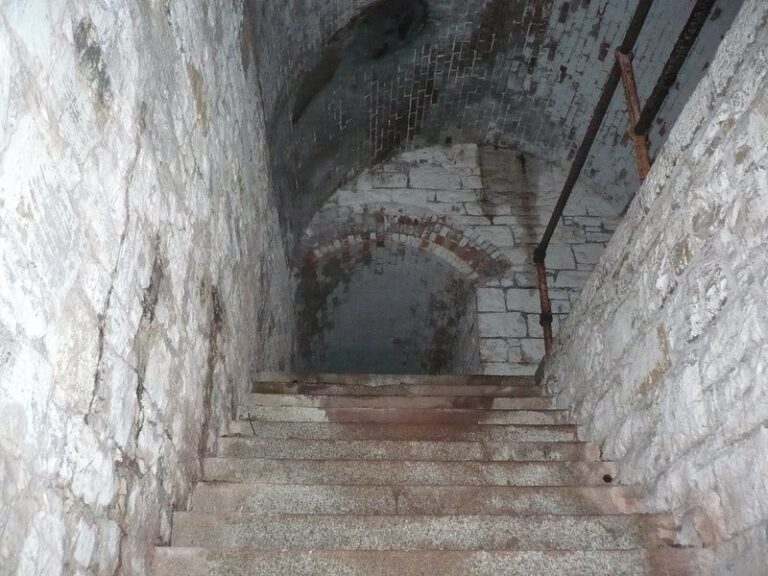
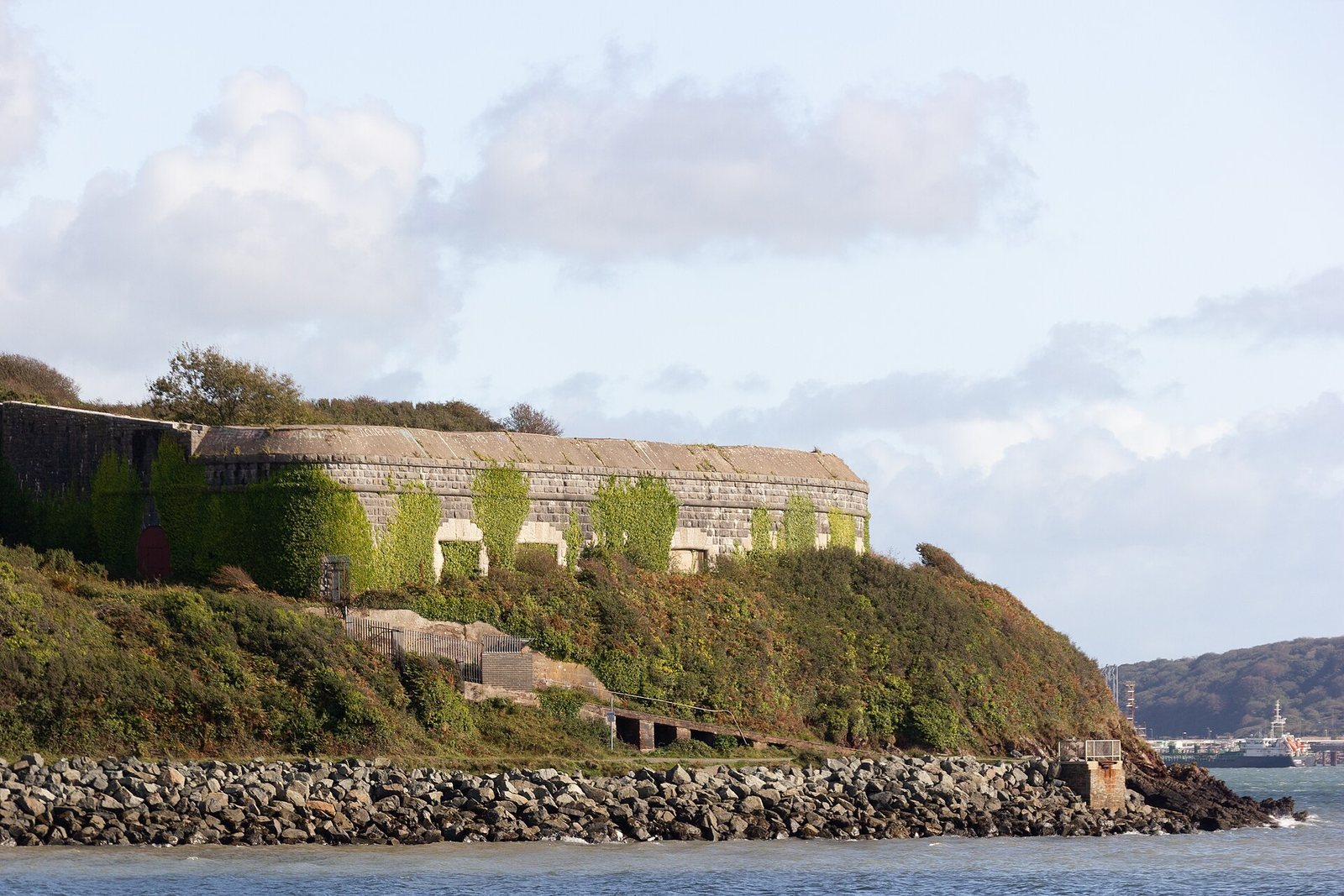
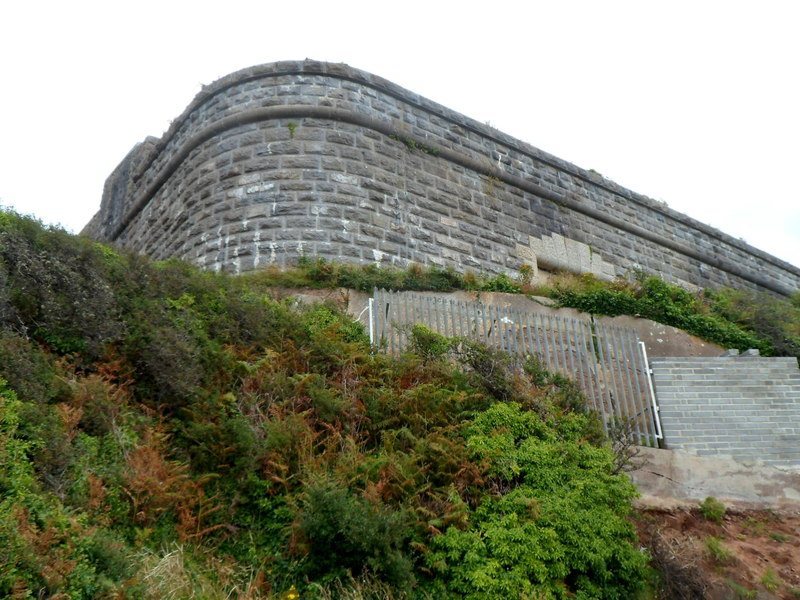
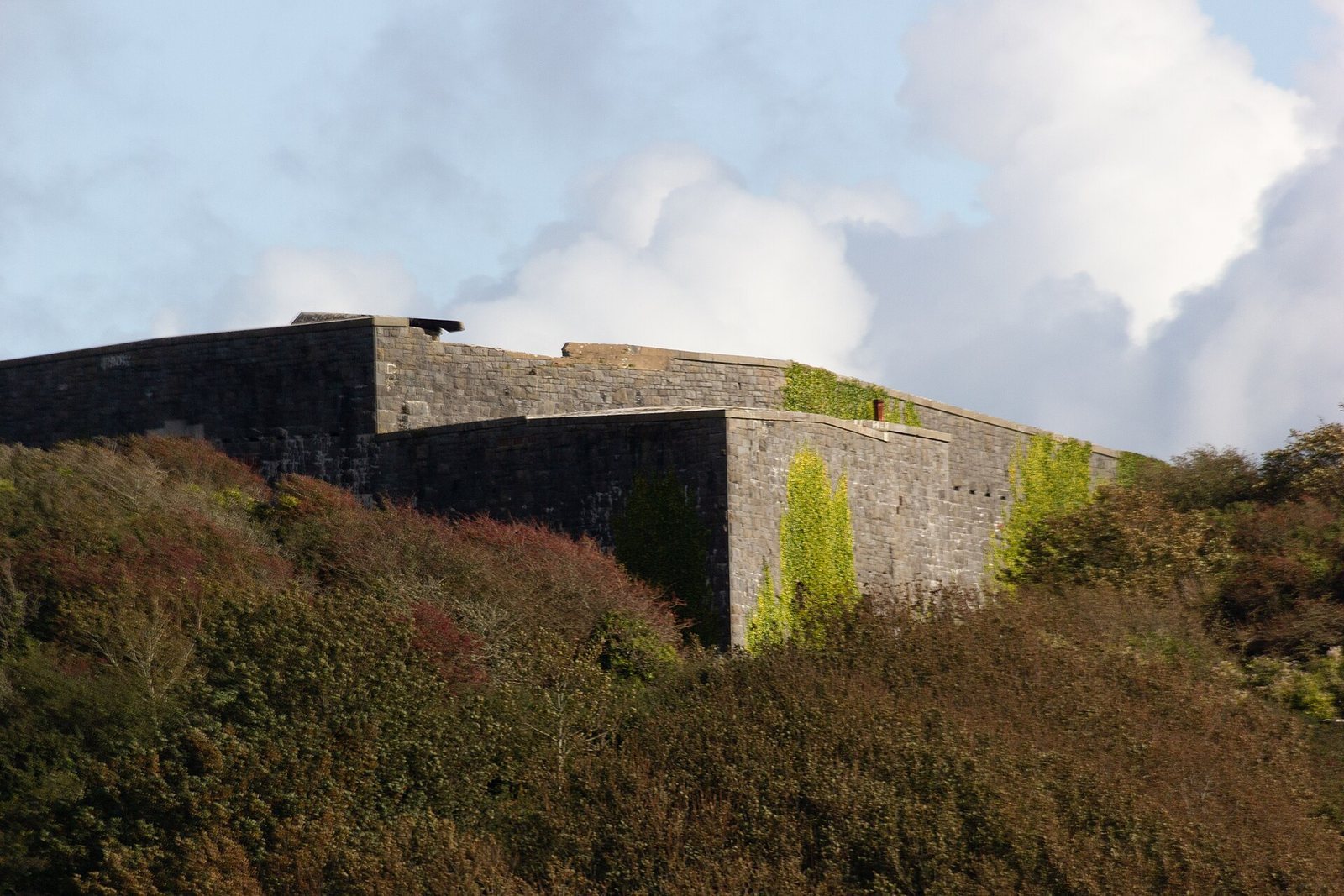
The fort has a D-shaped plan and stone construction. Its layout combines gun positions, barracks and defences on the landward and seaward sides. The structure has fallen into disrepair.
Battery and barracks
Gun positions
The principal battery contained eleven guns in casemates, enclosed fortified gun positions. Above them, an open battery, an exposed gun platform, held eight guns. A further nine guns occupied an open flank battery.
Barracks
A large barracks stood at the rear of the fort. Its bomb-proof roof, along with roofs over other buildings, was designed to protect them from mortar projectiles.
Perimeter defences and associated battery
Ditch and seaward gallery
A deep ditch defended the landward side. On the seaward side, a counterscarp gallery, a defended firing position along the outer face of a ditch, provided protection.
Separate casemate battery
A separate casemate battery associated with the fort lies farther down the headland.