Zabálburu Palace: A Neo-Gothic Rationalist Residence in Madrid
Site at a Glance
- Popularity
- Medium
- Country
- Spain
- Primary era
- Modern
- Eras represented
- Modern
- Civilizations
- Spanish
- Site type
- Domestic
- Remains
- Elite Residence
On this page9 sections
History
Origins and construction
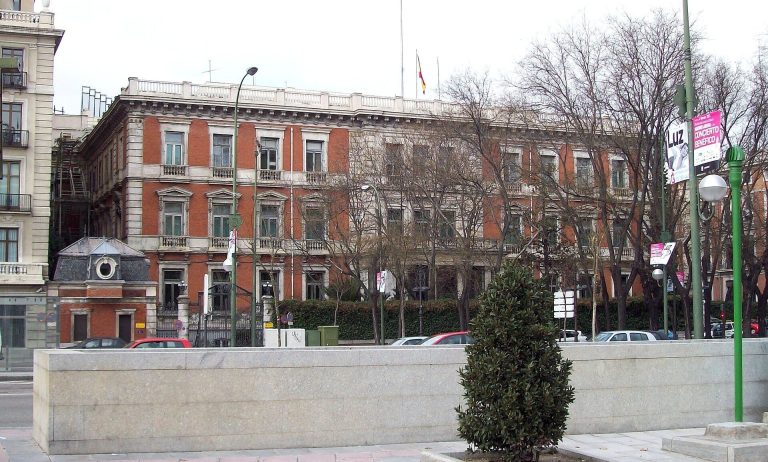
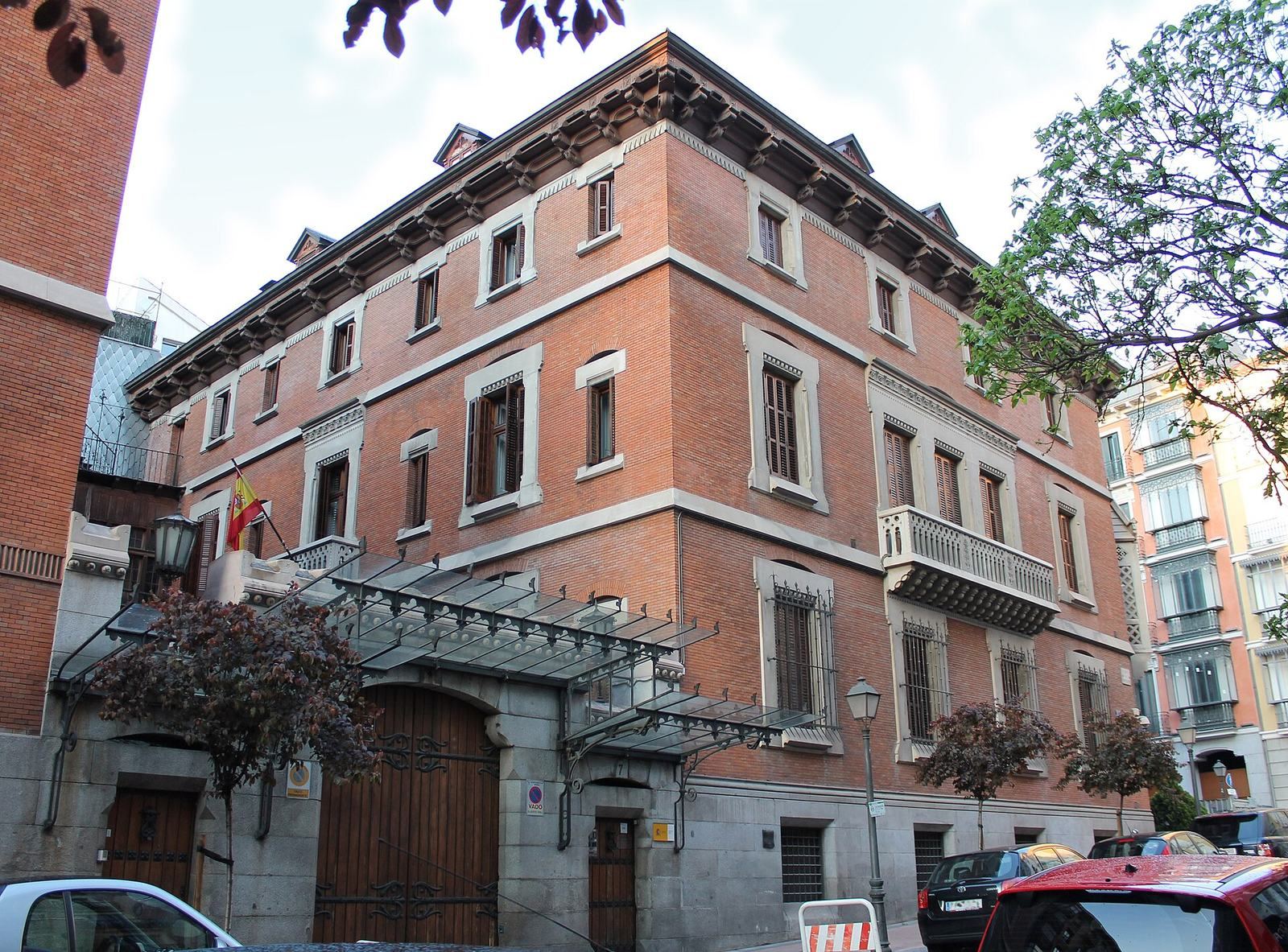
Zabálburu Palace is a Neo-Gothic Rationalist residence in Madrid, Spain, built in 1872 for Francisco de Zabálburu. Its site formed part of Madrid’s Royal Granary from the sixteenth century, a public institution for storing and managing grain. The palace’s architect, José Segundo de Lema, followed ideas associated with French architect and theorist Viollet-le-Duc, who emphasized expressing a building’s structure and materials. Francisco de Zabálburu was a Bilbao industrialist, intellectual, and collector of books, with interests in history and paleography, the study of historical handwriting. He served on the first board of the Bank of Bilbao and was a deputy and senator. His only daughter married the Count of Heredia Spínola, giving the palace the alternative name Heredia Spínola Palace.
In 1876, de Lema added an adjoining residence for rental on Salustiano Olózaga Street.
Alterations and changing use
Severiano Sainz de la Lastra altered the palace in 1900. From 1900 to 1917, Luis de Landecho Jordán de Urríes carried out further interior work. The palace later served as a hotel for members of the aristocracy.
During the Spanish Civil War (1936–1939), a conflict between the Spanish Republic and the military-led Nationalist side, the Counts of Heredia Spínola lost control of the palace when it was seized. It became the headquarters of the Alliance of Anti-Fascist Intellectuals, an organization of writers and other intellectuals opposed to fascism. Writers and intellectuals who stayed there included Rafael Alberti, María Teresa León, León Felipe, Pablo Neruda, Antonio Buero Vallejo, and Vicente Huidobro.
Modern preservation and institutional use
Proceedings to designate the palace as a Bien de Interés Cultural, a Spanish recognition for properties with cultural heritage value, began in 1977. Architect Carlos Malibrán Vieytiz remodeled the building in 1987. Since the 1980s, the palace archive has been modernized and operated as a private foundation serving researchers. The building has also housed the General Judicial Mutual Society, Spain’s mutual-benefit institution for members of the judicial service, and the Francisco de Zabálburu Library. Part of the palace previously served as the headquarters of the Democratic and Social Centre, a Spanish political party.
Remains
Exterior and adjoining residence
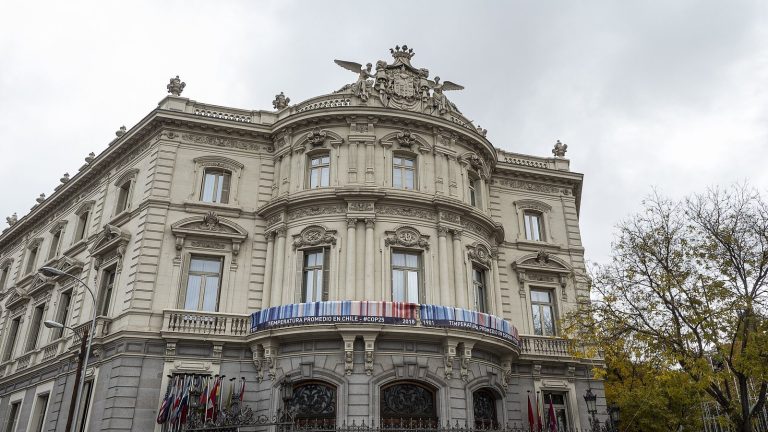
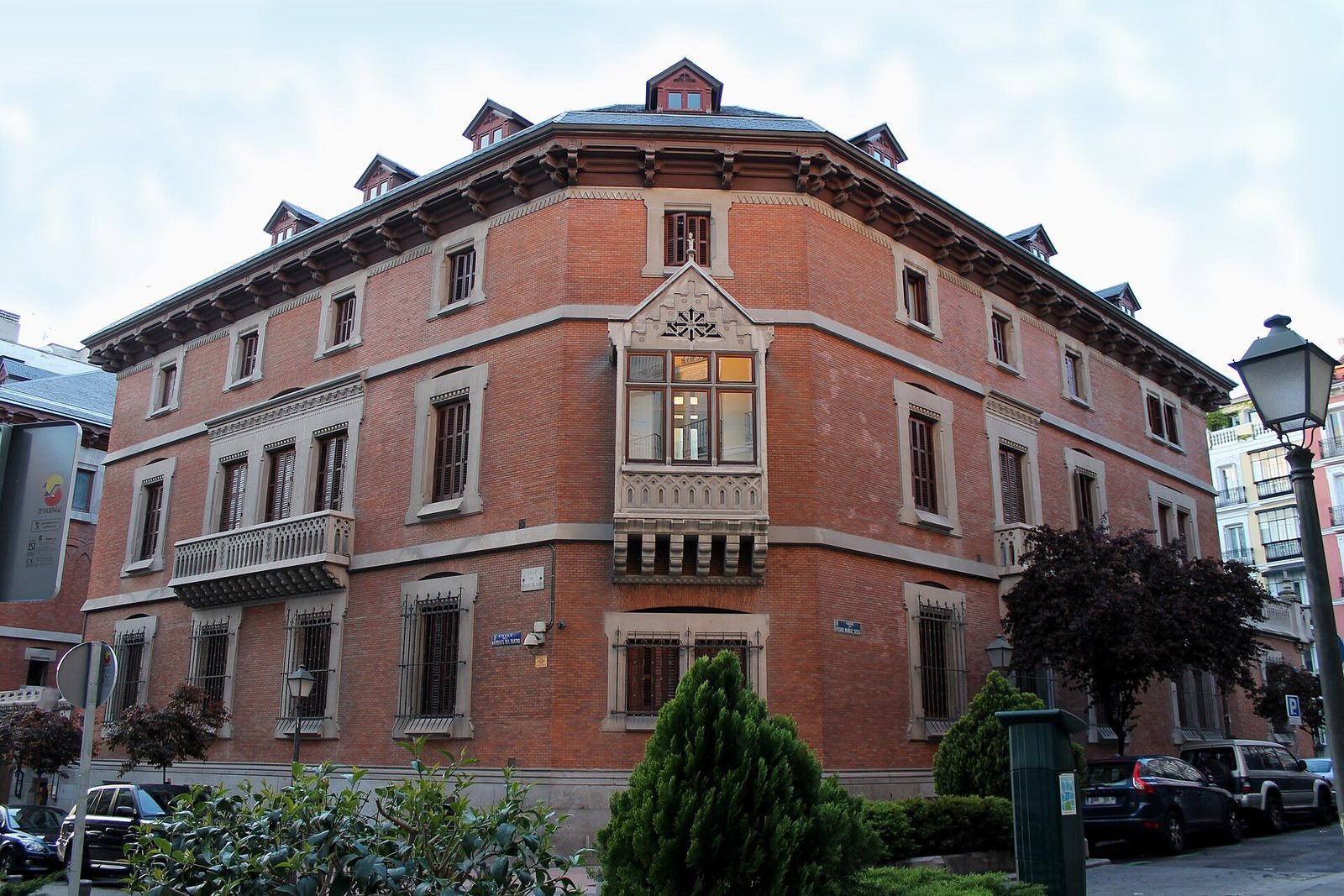
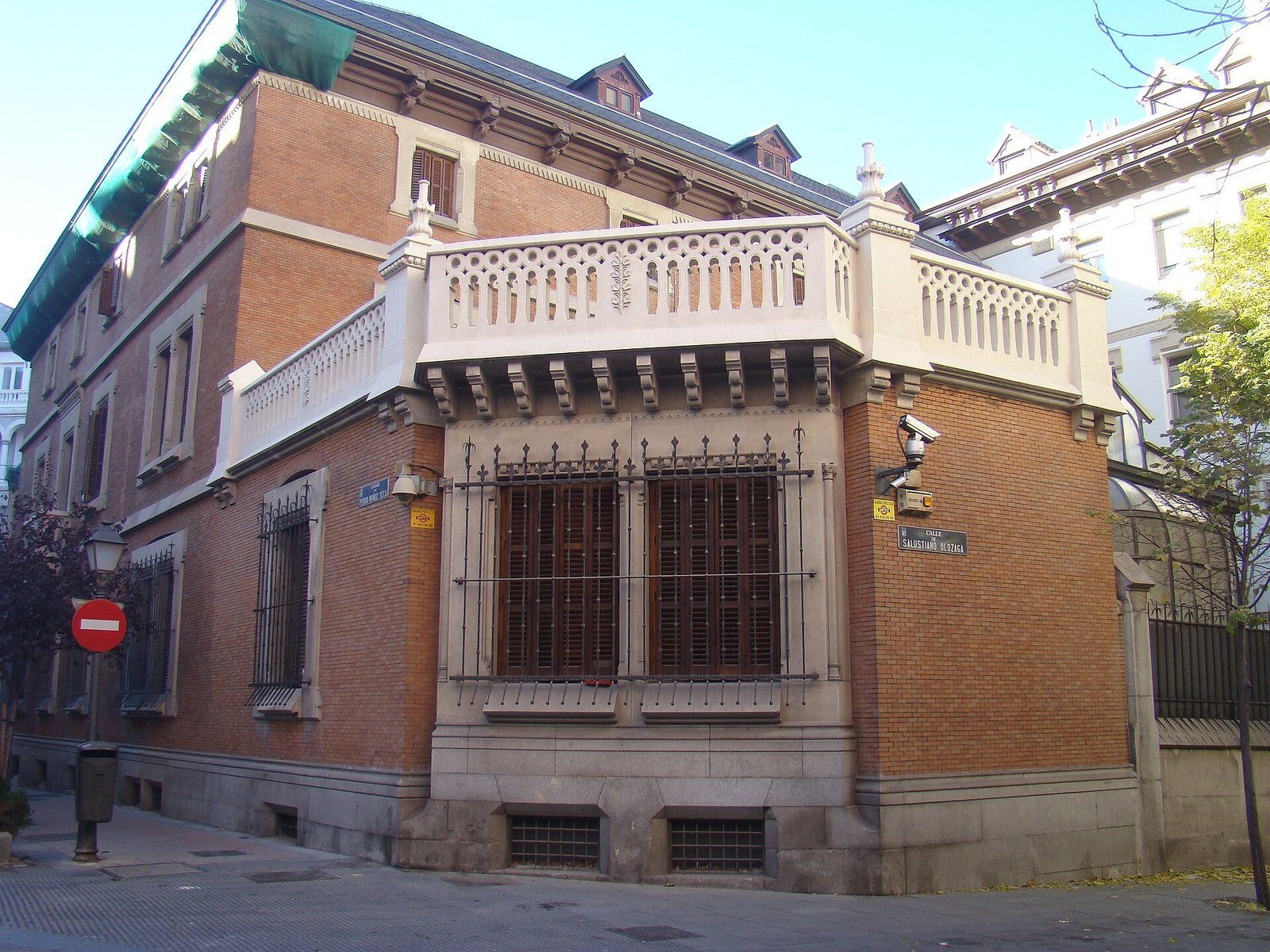
The palace’s Neo-Gothic Rationalist design uses materials in their natural appearance to express their structural purpose. Its façades face Marqués del Duero, Salustiano Olózaga, and Pedro Muñoz Seca streets. At a corner cut diagonally rather than left square, a glazed balcony has Gothic styling. An adjoining rental residence forms part of the complex on Salustiano Olózaga Street.
Interior and library
Altered interiors and smokers’ pavilion
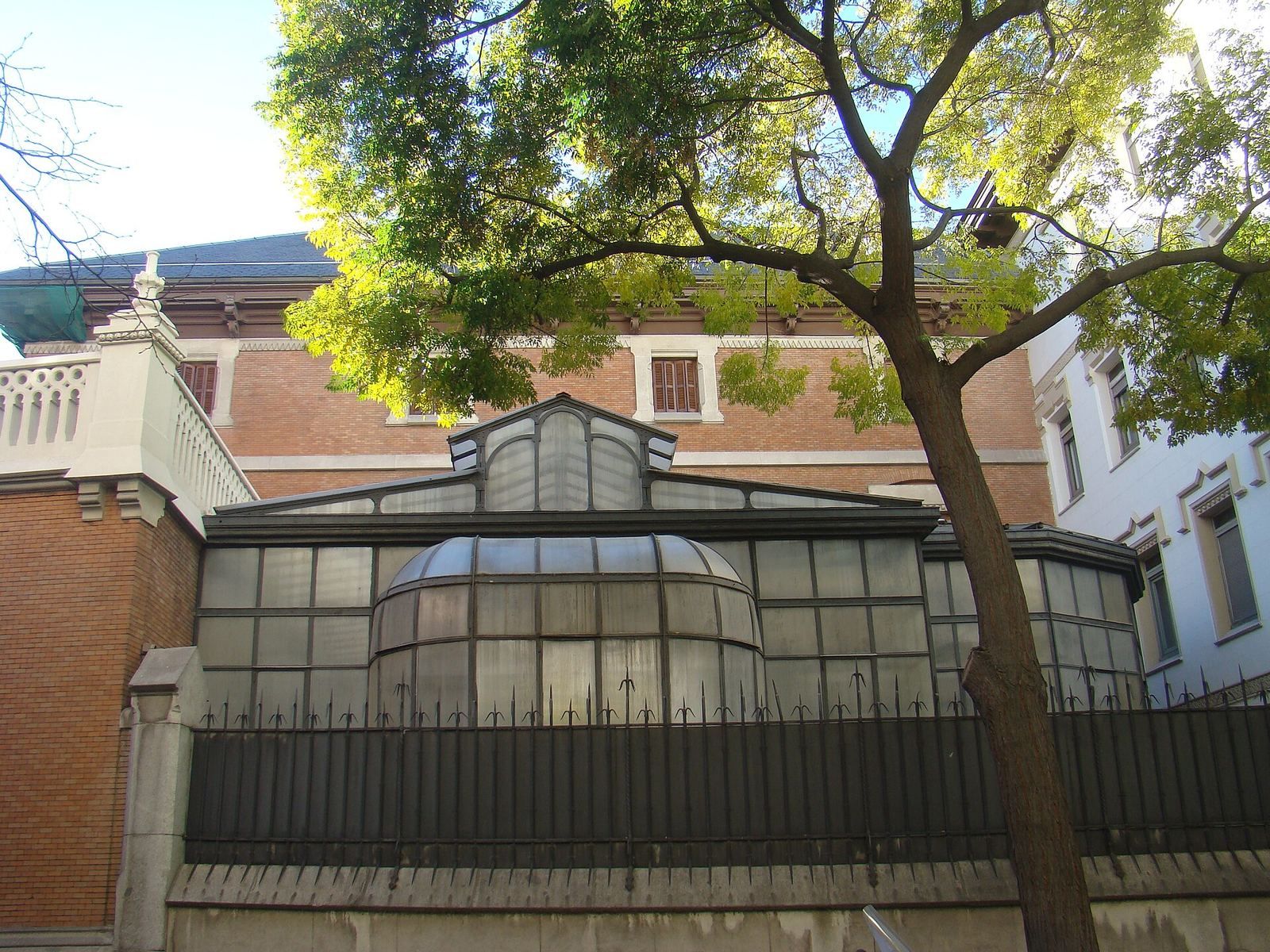
At first-floor level, openings and interior courtyards were enclosed. Interior additions included a greenhouse and a small pavilion for smokers, positioned at a diagonally cut corner. A terrace with a balustrade, a railing made of short supports beneath a handrail, sits above the pavilion.
Francisco de Zabálburu Library
The library grew from Francisco de Zabálburu’s personal collection and contains about 20,000 volumes. Among them are books dating from the eleventh to the nineteenth centuries. The library serves researchers.