Dalzell House: A Historic House and Estate in Scotland
Site at a Glance
- Popularity
- Medium
- Country
- United Kingdom
- Primary era
- Medieval
- Eras represented
- Medieval, Early Modern, Modern
- Civilizations
- British, Kingdom of Scotland
- Site type
- Domestic
- Remains
- Castle
On this page6 sections
History
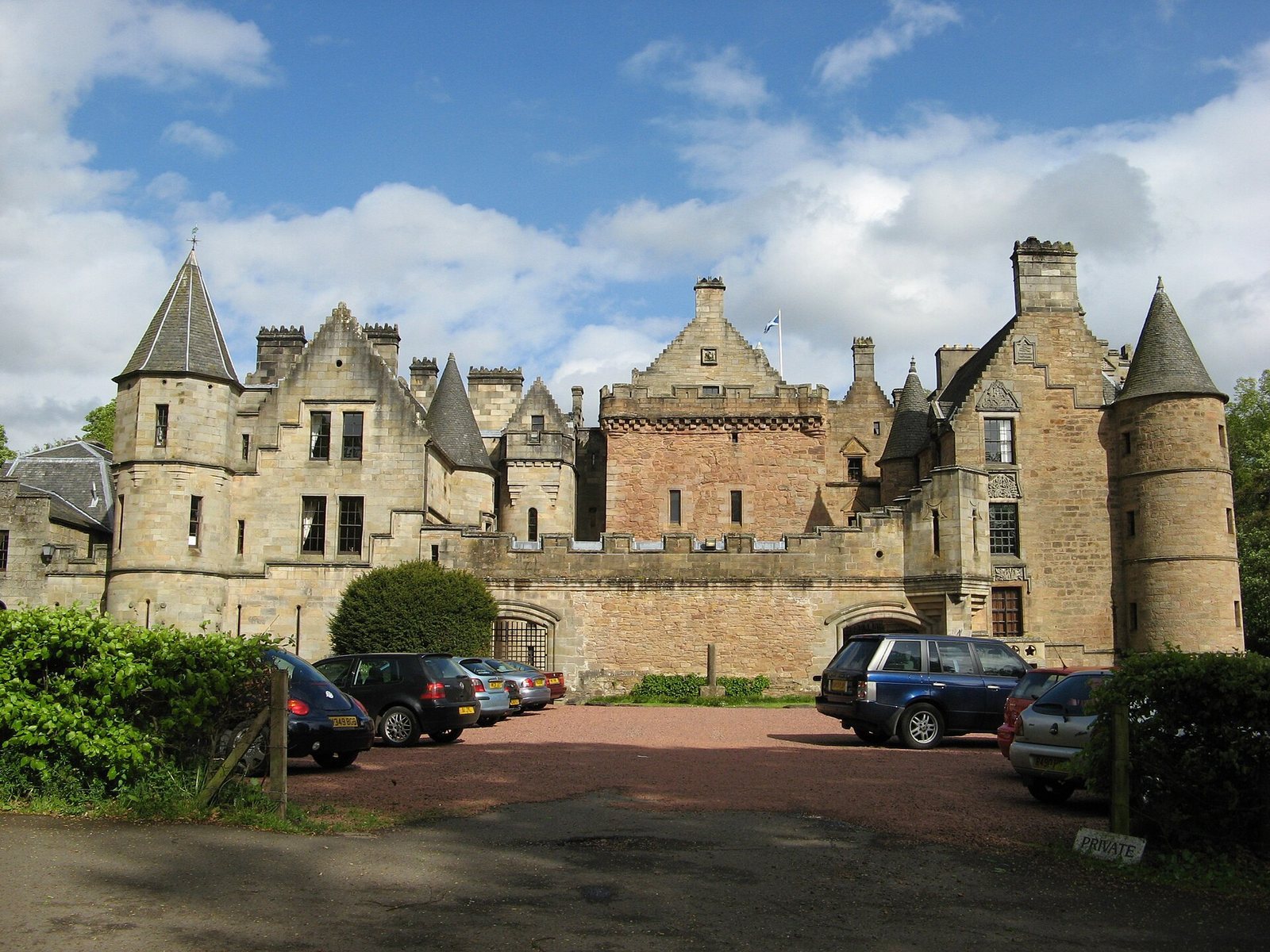
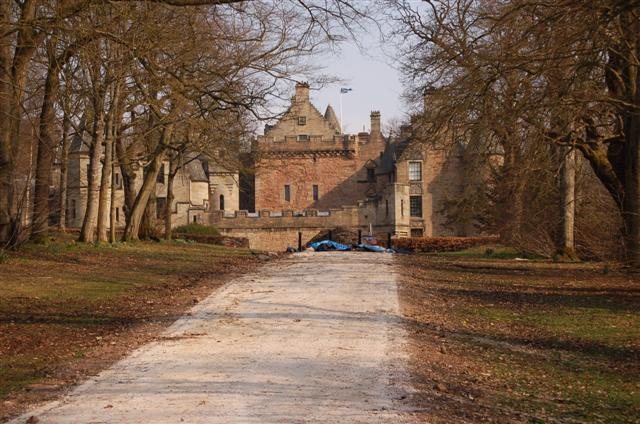
Dalzell House is a historic house south of Motherwell in Scotland, United Kingdom. The Dalzell family built its central tower in the fifteenth or early sixteenth century, after acquiring the estate in the thirteenth century. The house was later expanded by the Hamilton family and substantially remodelled in the nineteenth century.
Medieval ownership
Thomas de Dalzell fought at the Battle of Bannockburn in 1314, a major Scottish victory over English forces. Around 1342, Sir Robert Dalzell forfeited the family’s lands after living in England without the king’s permission. The Dalzells regained the estate through marriage in the fifteenth century, before it later passed to the Hamiltons.
Hamilton expansion and decline
Another Sir Robert Dalzell became Lord Dalzell in 1628. His son was made Earl of Carnwath in 1639, a noble rank above baron. In 1645, the earl granted the estate to his nephew, James Hamilton of Boggs. Around 1649, James enlarged the house and established a park.
By 1750, avenues of trees had been planted across the grounds, probably through the work of Archibald Hamilton, 4th of Dalzell. The Hamilton family’s finances weakened during the eighteenth century, and the house fell into disrepair.
Nineteenth-century remodelling
The nineteenth-century coal-mining boom improved the family’s finances. John Hamilton, a Liberal politician later made Baron Hamilton of Dalzell, commissioned extensive work on the house. From 1857 to 1859, architect Robert William Billings supervised the restoration of earlier parts of the building and the construction of a north wing. Billings lived at Dalzell for three years while directing the work.
Local man Andrew Cassels worked on the gardens and grounds, possibly under Billings’s direction. Improvements to the estate also included three gatehouses: Clyde Bridge, North Lodge and Burn Grange. After a fire, the south wing was restored in 1869. Lord Hamilton served in the government of William Gladstone, a British Liberal politician who was prime minister. Gladstone visited Dalzell several times, and the Prince and Princess of Wales came to the estate in 1888.
Later use and protection
After Gavin Hamilton, 2nd Baron Hamilton of Dalzell, died in 1952, the property left the family. Part of the house served as Gresham House Boys’ Boarding School from 1954 to 1967, when Motherwell and Wishaw Town Council acquired it. The house then remained empty until its sale to a developer in 1985. Renovation during the 1980s divided it into 18 private apartments; North Lanarkshire Council now owns the surrounding estate.
The house became a Category A listed building in 1971, Scotland’s highest listed-building category. The grounds entered the Inventory of Gardens and Designed Landscapes in Scotland in 1987.
Remains
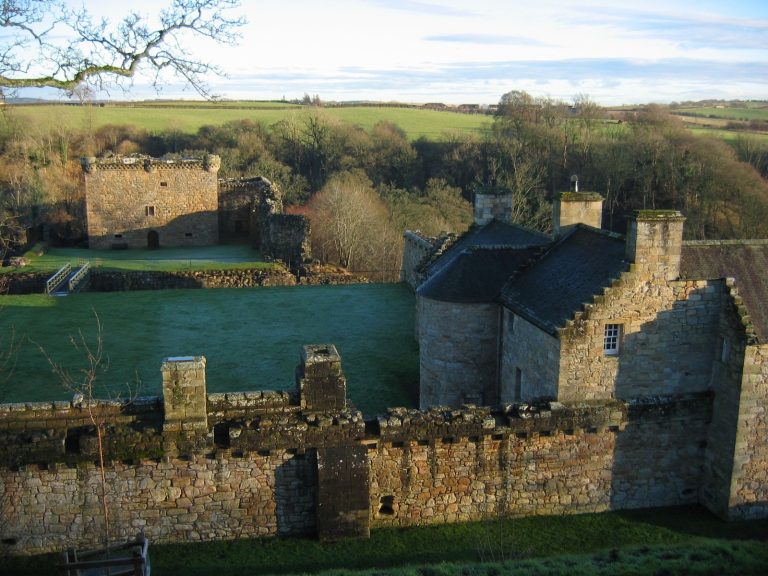
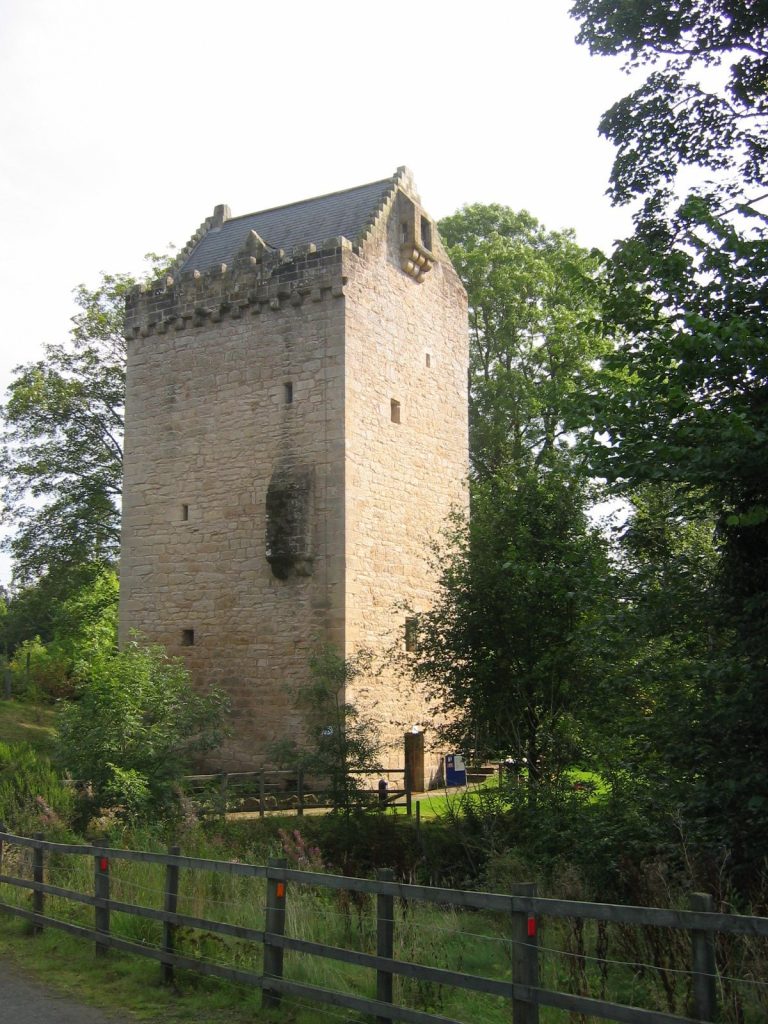
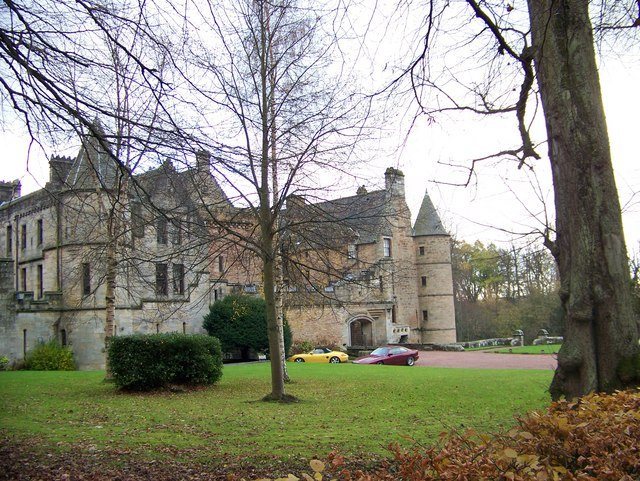
Dalzell House stands on the north bank of the River Clyde, south of Motherwell. Its layout is centred on a tower house, a fortified residence organized around a tall tower, with a south range and a north range added in later building phases. A range is a connected wing or block. The house complex also includes a wellhead, coach house and stables. Jacobean details survive in the interiors; the term describes a style associated with James VI of Scotland and I of England in the early seventeenth century.
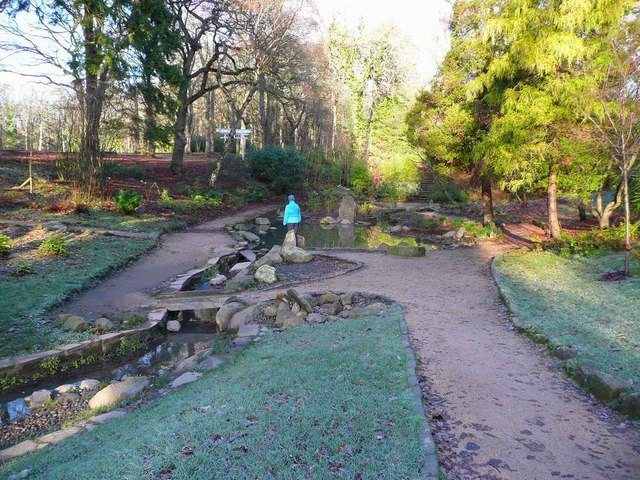
The estate’s grounds include a park, avenues of trees and a terraced garden. Its three gatehouses are Clyde Bridge, North Lodge and Burn Grange. Together, these buildings and designed landscape reflect the estate’s development beyond the central house.