Weiherburg: A Late-Gothic Aristocratic Residence in Innsbruck
Site at a Glance
- Popularity
- Medium
- Country
- Austria
- Primary era
- Medieval
- Eras represented
- Medieval, Early Modern
- Civilizations
- Habsburg, Habsburg Austria, Holy Roman Empire
- Site type
- Domestic
- Remains
- Castle
On this page7 sections
History
From Tänzl residence to royal estate
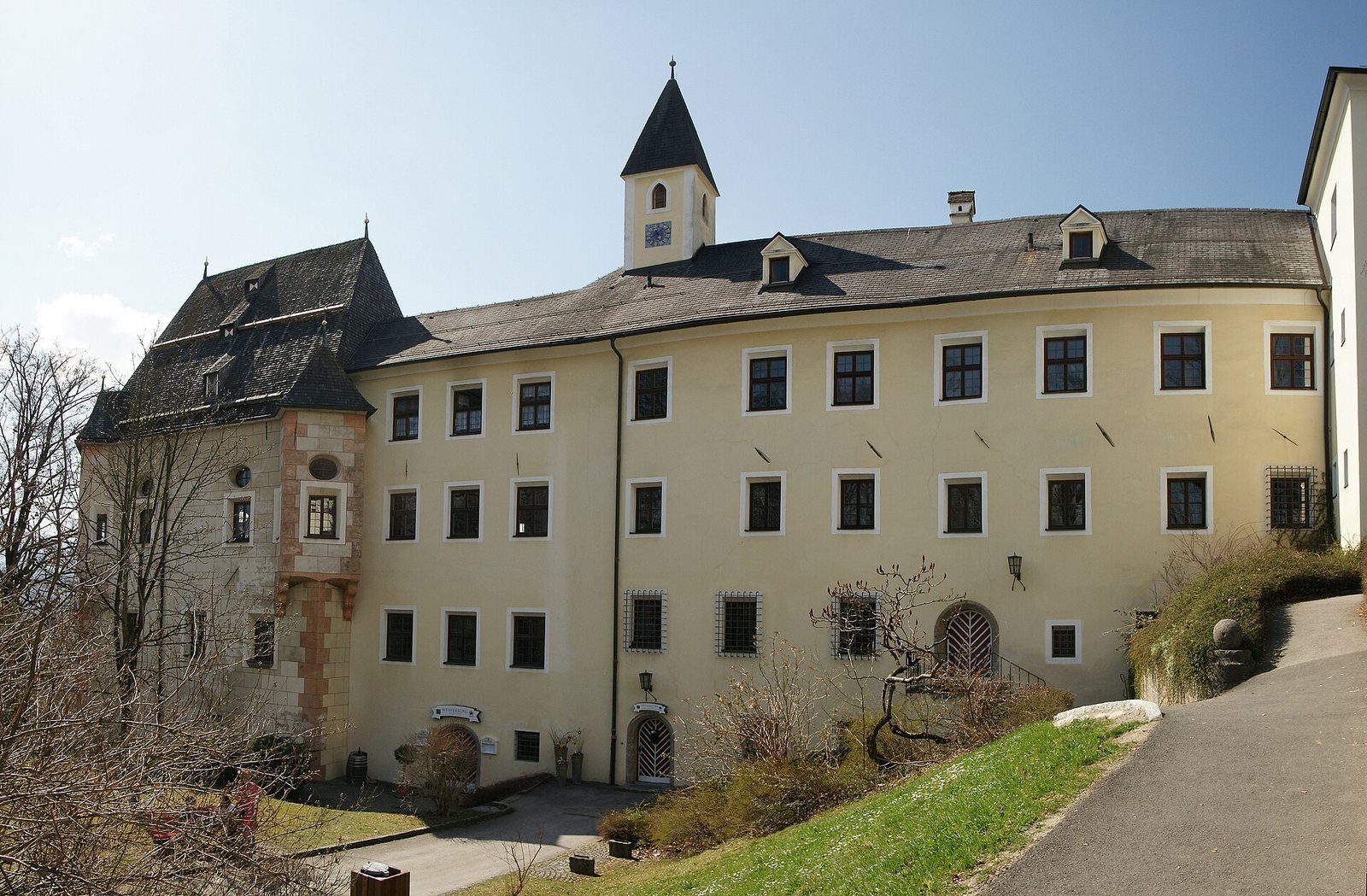
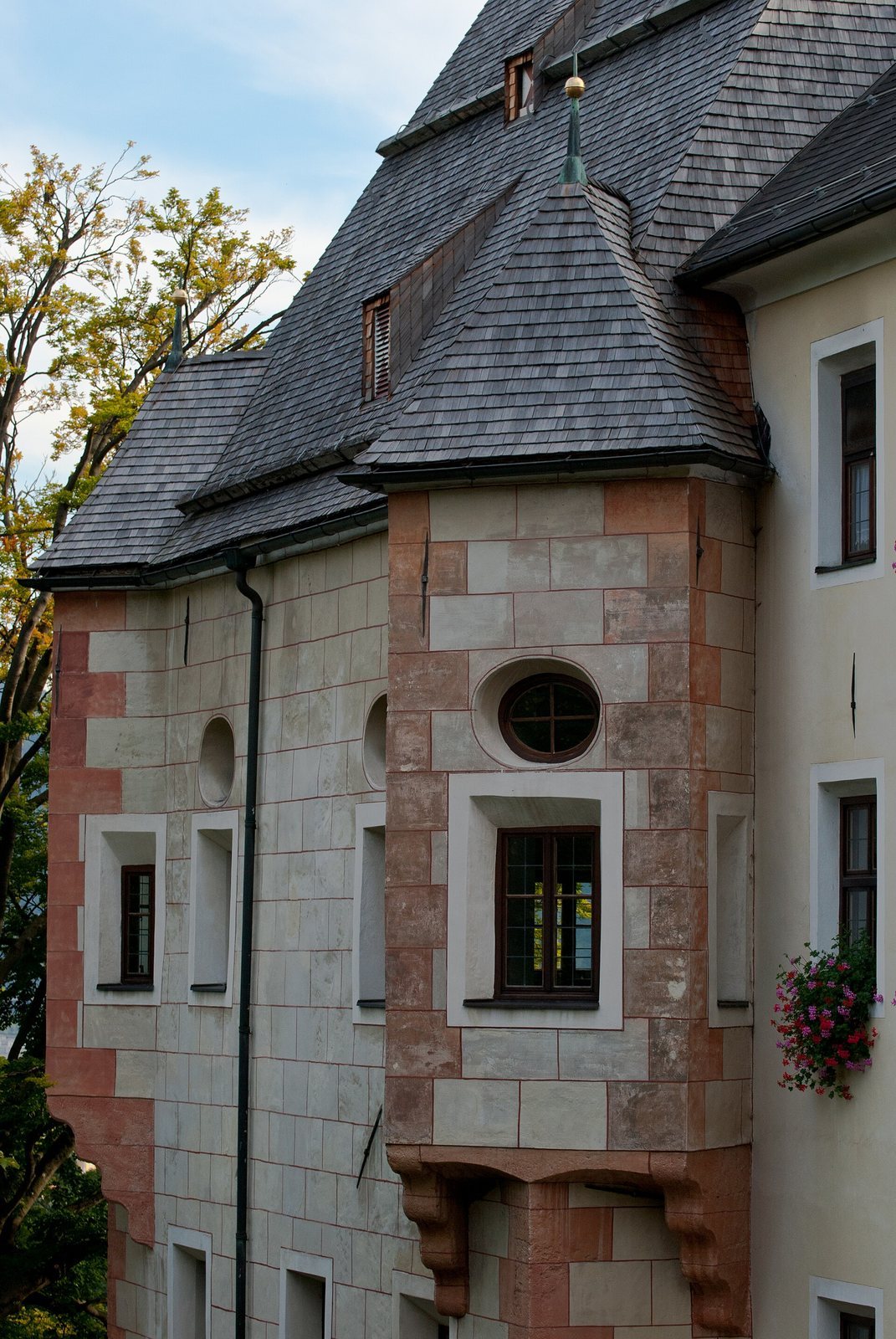
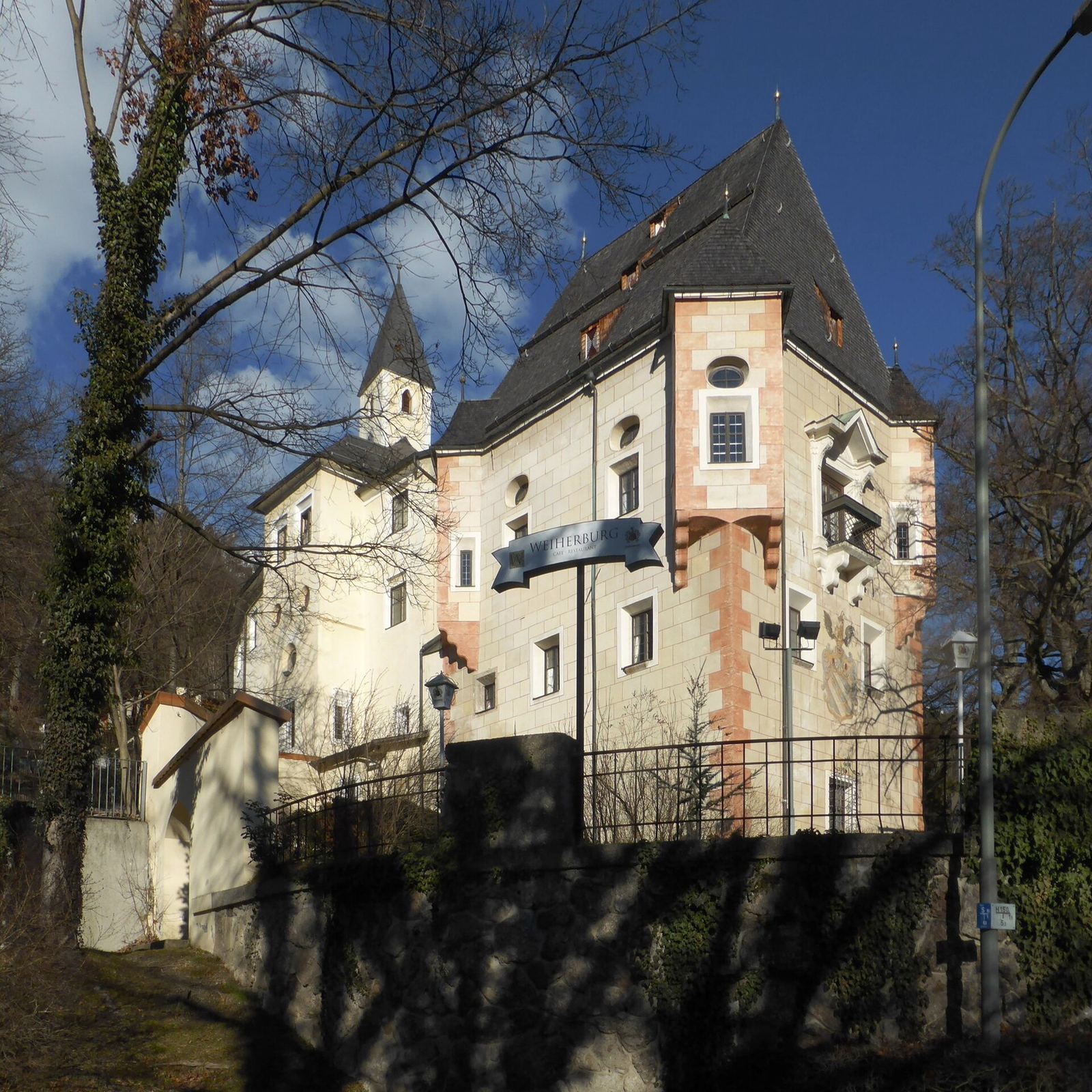
Weiherburg is an aristocratic residence in Hötting, Innsbruck, Austria. Its late Gothic style belongs to the later phase of Gothic architecture, which flourished in Central Europe in the fifteenth and early sixteenth centuries. After Duke Friedrich IV moved his residence from Meran to Innsbruck in 1420, nobles and wealthy townspeople built homes around the city, now a center of government. Christian Tänzl, a local aristocrat whose family prospered through silver mining at Schwaz and owned Tratzberg Castle, commissioned Weiherburg around 1460.
Around 1480, Tänzl sold the estate to Sigismund the Rich, Archduke of Austria. Following Sigismund’s abdication in 1490, it passed to King Maximilian I, who later became Holy Roman Emperor. In 1493, Maximilian designated the property a noble residence, gave it the name Weiherburg, and left it to Oswald von Hausen, his chancellor, a senior official serving a ruler.
Expansion and municipal ownership
Veit von Langenmantel purchased Weiherburg in 1560. Born in Tramin, he belonged to an Augsburg patrician family, one of the city’s wealthy and influential civic families. He commissioned an extension that included the Langenmantel Hall. Archduke Ferdinand II later enlarged the castle and established an animal park nearby, an earlier form of the present Alpine Zoo.
After further changes of ownership, the City of Innsbruck acquired Weiherburg in 1911 and funded its restoration from 1976 to 1978. The residence is now used for cultural and social events.
Remains
The residence and chapel
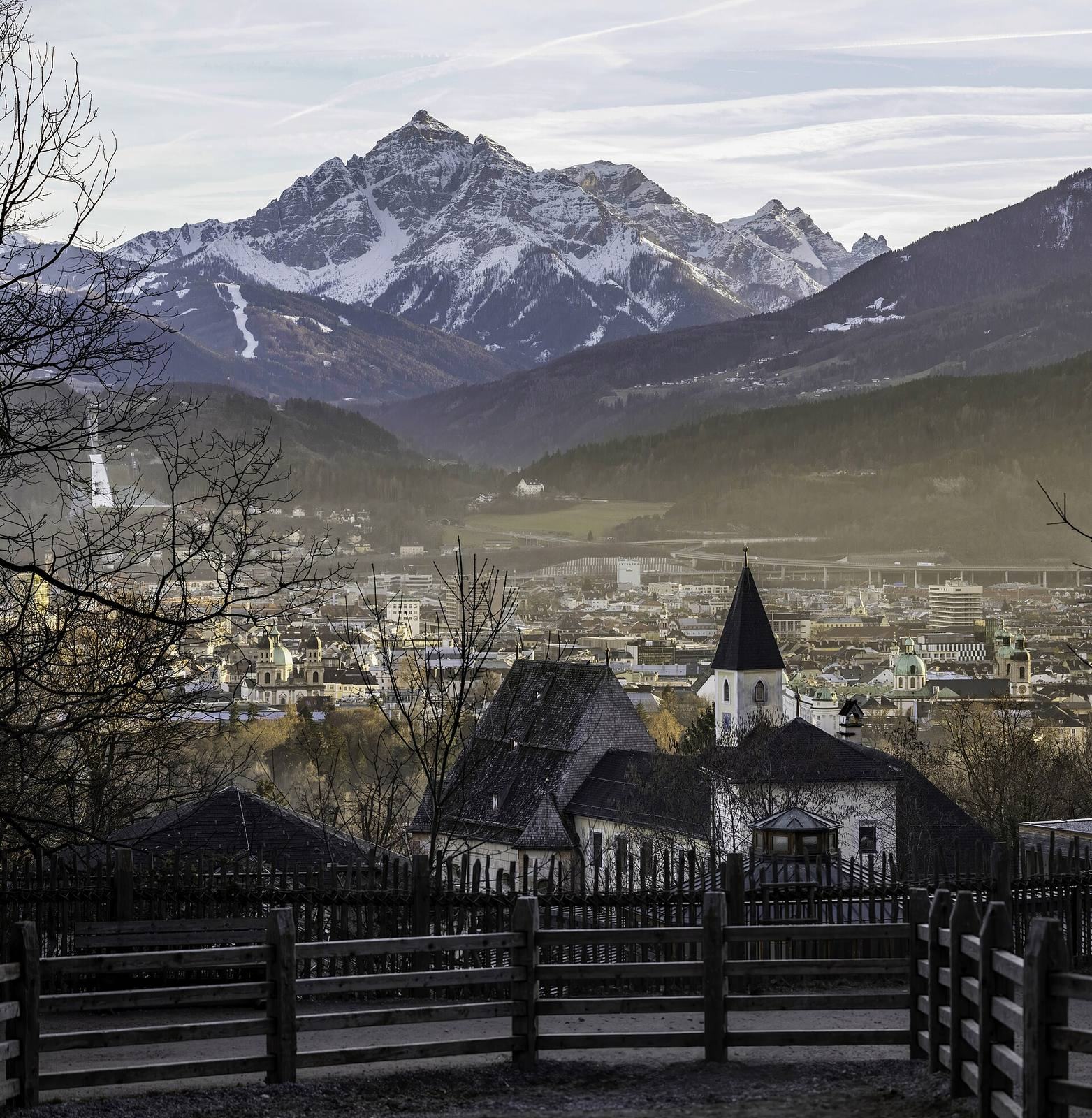
Weiherburg is a late Gothic aristocratic residence classified as a hilltop castle. It stands in Innsbruck’s Hötting district and directly adjoins the Alpine Zoo. The name refers to a fishpond that remained until 1911.
Langenmantel Hall
The Langenmantel Hall forms part of the extension commissioned by Veit von Langenmantel. The extension is decorated with frescoes, paintings made on wet plaster.
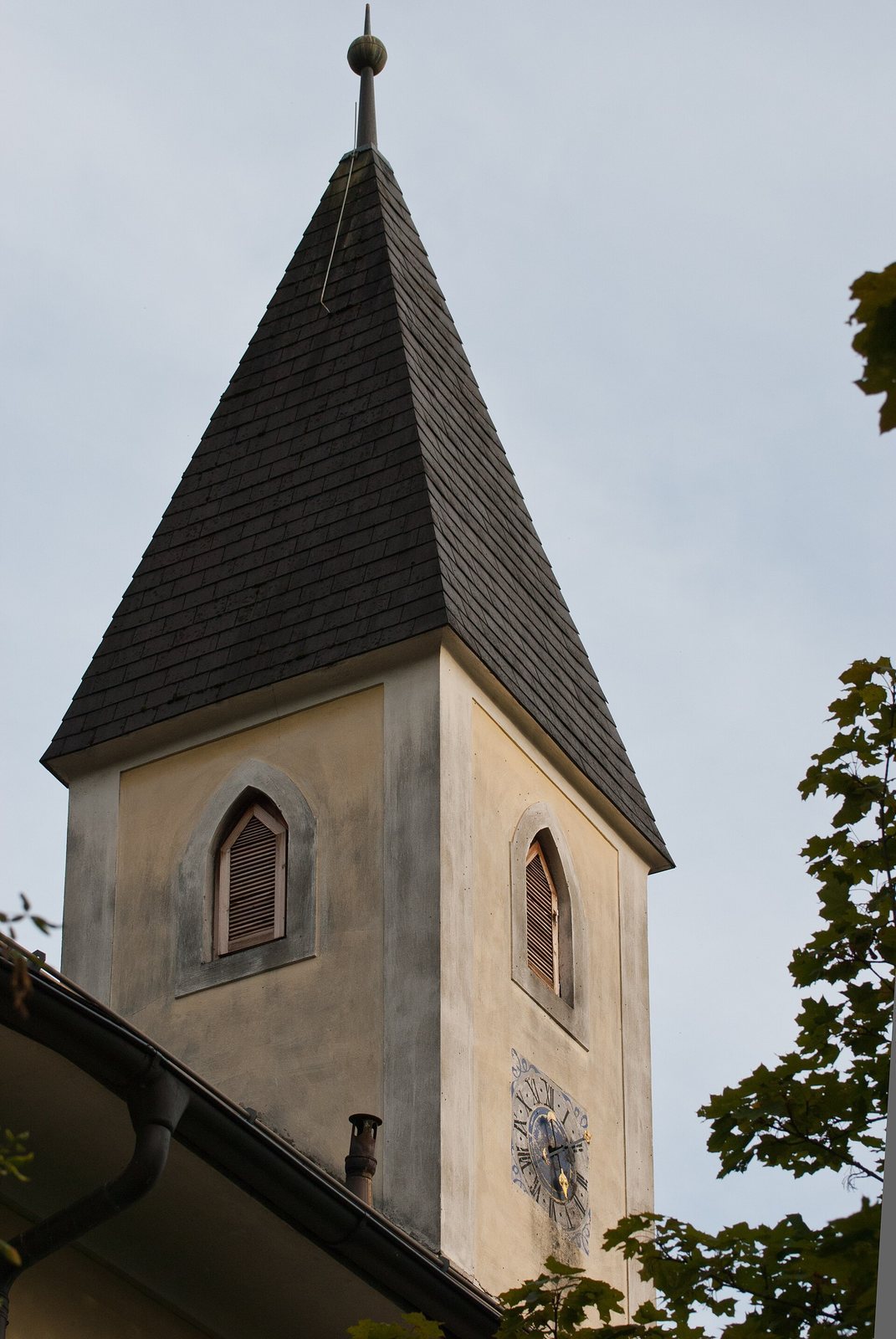
St Anne’s chapel
The chapel is dedicated to St Anne and was consecrated between 1481 and 1513, during the term of Conrad Reichard, an auxiliary bishop, or assistant to a diocesan bishop, of Brixen. Austrian painter Joseph Leopold Strickner created its fresco decoration around 1798. The altarpiece shows the Virgin Mary, mother of Jesus, between St Anne, her mother, and St Christopher, a saint traditionally associated with protection for travelers. A small, circular stained-glass panel with heraldic imagery, made after 1514, is set in the chapel’s rear window on the south side.