Palace of Seyid Mirbabayev: A French Renaissance Residence in Baku
Site at a Glance
- Popularity
- Medium
- Country
- Azerbaijan
- Primary era
- Modern
- Eras represented
- Modern
- Civilizations
- Russian
- Site type
- Domestic
- Remains
- Elite Residence
On this page5 sections
History
Construction and first ownership
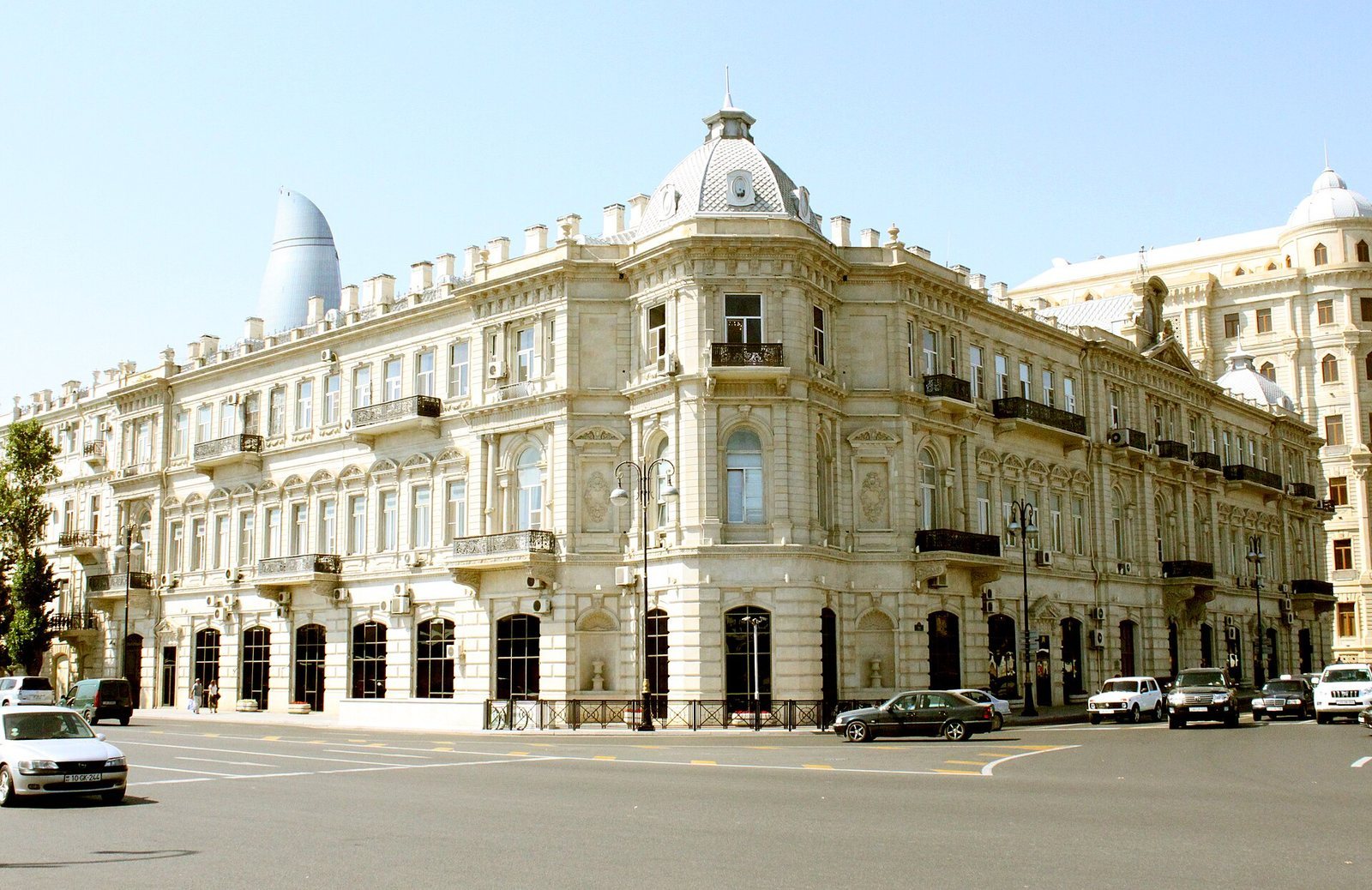
The Palace of Seyid Mirbabayev in Baku, Azerbaijan, was commissioned by merchant Mikael Aramyan and built in 1893–1895 in the French Renaissance style, which draws on classical forms and decorative detail. The project was approved on 25 May 1893, and construction began at the end of that month. Aramyan’s family was the building’s first owner.
From Aramyan to Mirbabayev
Aramyan lost the newly built palace in a gambling match at the British Club. His wife gave the winner her jewelry to retain the property, but Aramyan later had to sell it. A Baku property auctioneer travelled to Tbilisi to seek a buyer, and singer Seyid Mirbabayev became interested. Mirbabayev consulted oil magnate and philanthropist Zeynalabdin Taghiyev, who advised him to buy the palace and divide it into apartments for rental income. Taghiyev also wrote to Aramyan on Mirbabayev’s behalf. Aramyan accepted a price below the amount he had first hoped to receive.
Mirbabayev had earned a living singing at weddings in Baku. After he performed at the wedding of millionaire Shikhbalayev’s son, the groom’s uncle gave him a plot of land. Oil was later found there, bringing Mirbabayev wealth. The palace became locally known as Mirbabayev’s house.
Political change and later use
During the Azerbaijan Democratic Republic, the independent Azerbaijani state that preceded Soviet rule, the British Consulate occupied the palace’s first floor. After Soviet rule was established, the Bolsheviks confiscated Mirbabayev’s property, and he emigrated to France. When his money ran out, he lived on the streets of Paris for a time. Teymur bey Ashurbeyov, a member of a prominent Azerbaijani family, later took him to Tehran and protected him until his death.
During the Soviet period, the building was used by Azneft, an oil-producing association. After Azerbaijan became independent in 1991, the State Oil Company of Azerbaijan Republic (SOCAR), the country’s state oil company, established its headquarters in the palace and remains its user. Repair and restoration work took place in the 1990s. The palace is designated a cultural heritage monument in Azerbaijan.
Remains
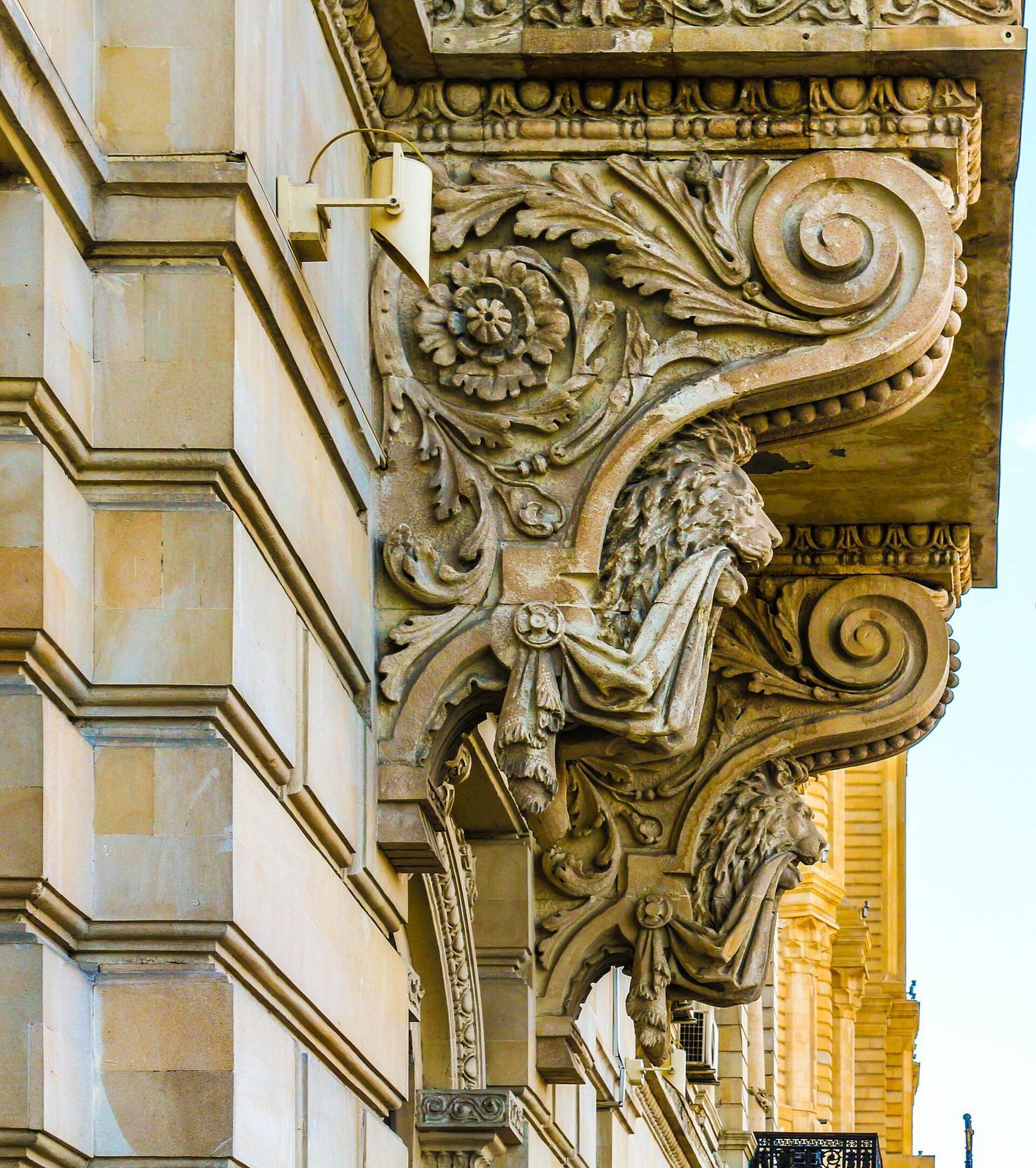
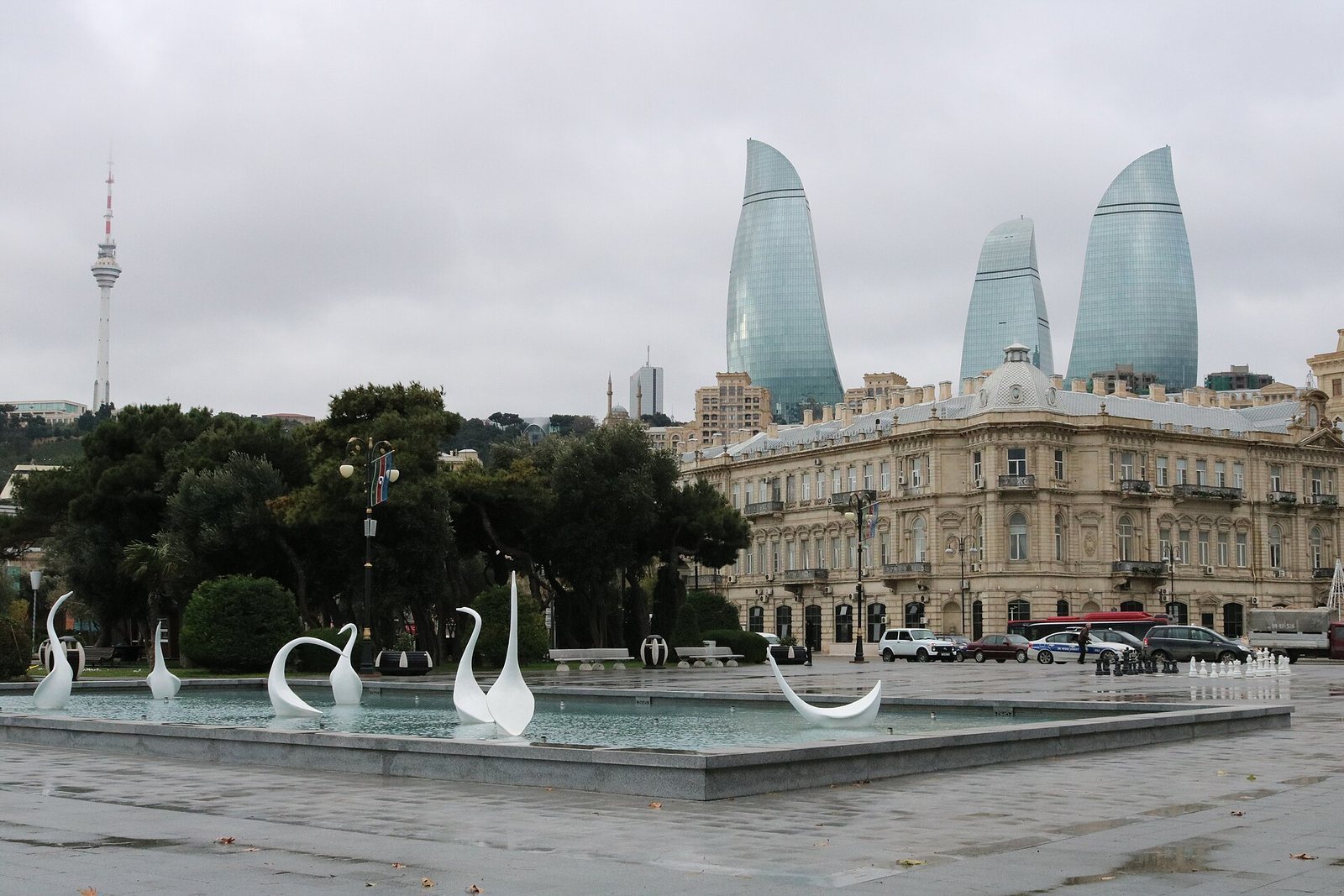
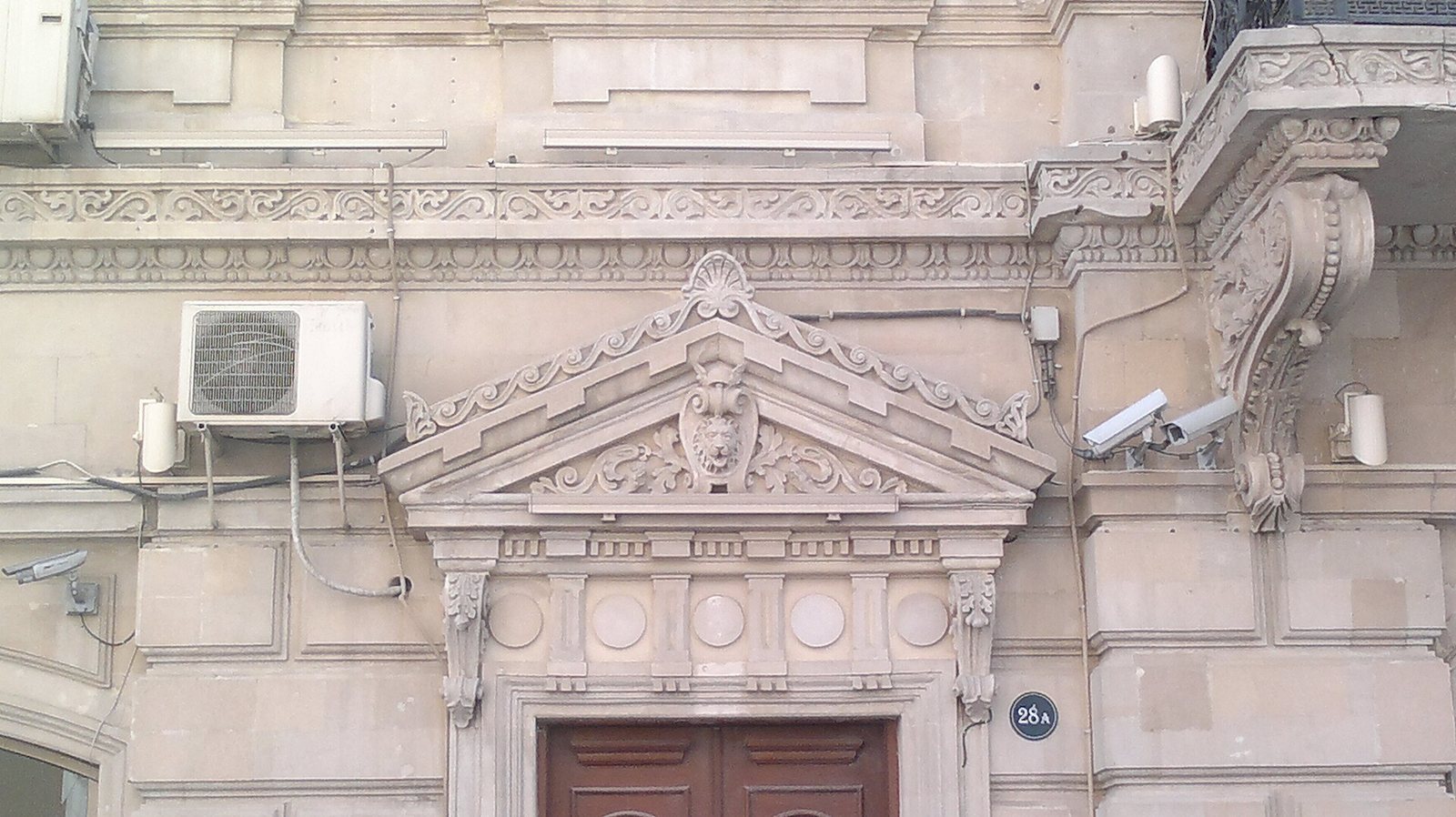
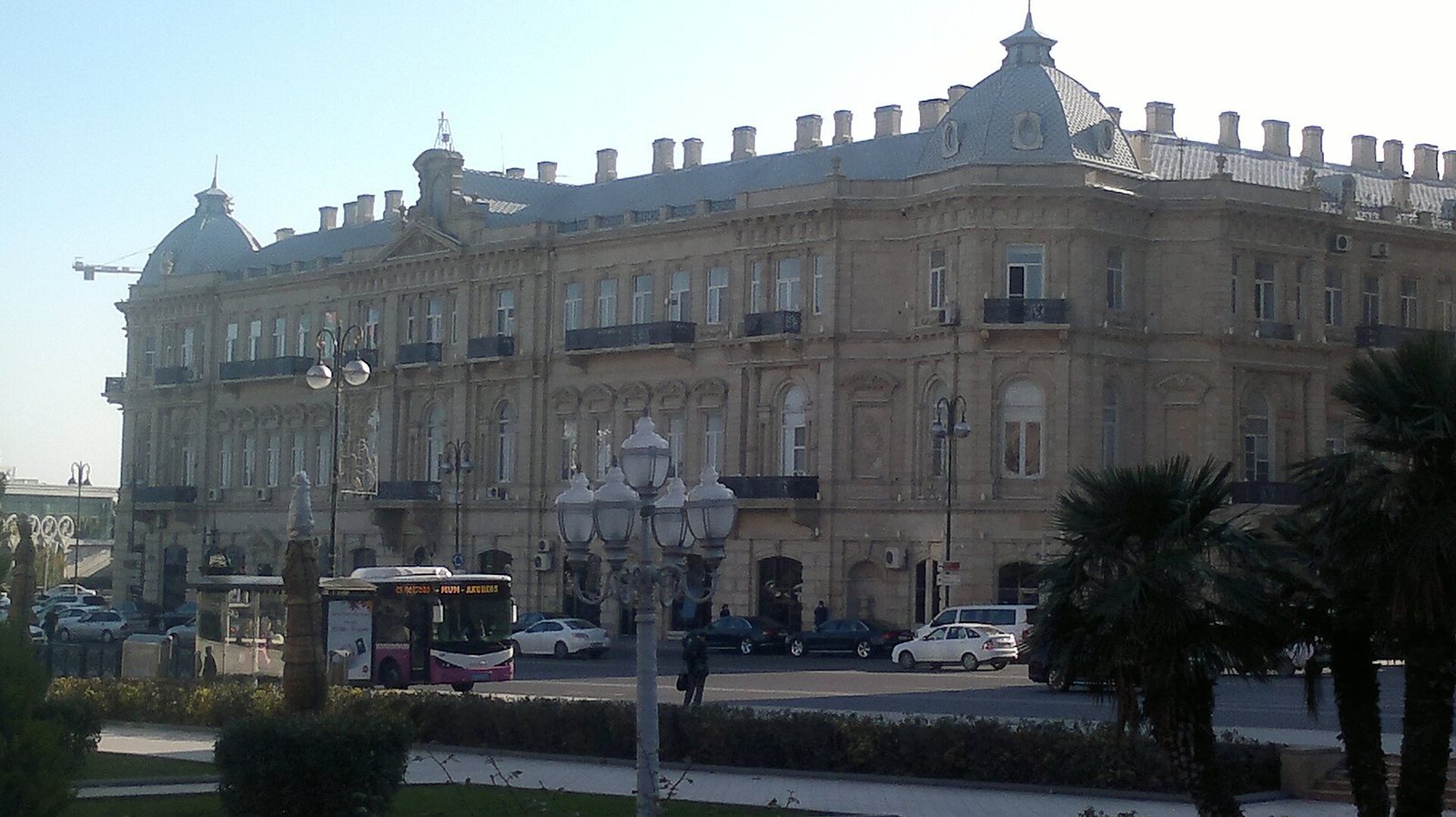
The three-storey palace stands on Azneft Square in Baku’s Kokorevskiy area, one of the square’s principal parts. The square had been changing gradually since the mid-nineteenth century, and its transformation accelerated after the palace was built. The building is in the French Renaissance style, with a distinctive facade and numerous architectural details. Its main facade faces west toward the Caspian coast.
The palace stands on Niyazi Street, which was formerly called Sadovaya and later Yerevanskaya or Yerevan Descent. From 1937, it was known as Chkalov Street. The road forms part of the circular route around Icheri Sheher, Baku’s historic walled old city.