Pierres Levées de Puyraveau: Neolithic Burial Dolmens in France
Site at a Glance
- Popularity
- Very Low
- Country
- France
- Primary era
- Stone Age
- Eras represented
- Stone Age
- Civilizations
- Unclassified
- Site type
- Burial
- Remains
- Tomb
On this page5 sections
History
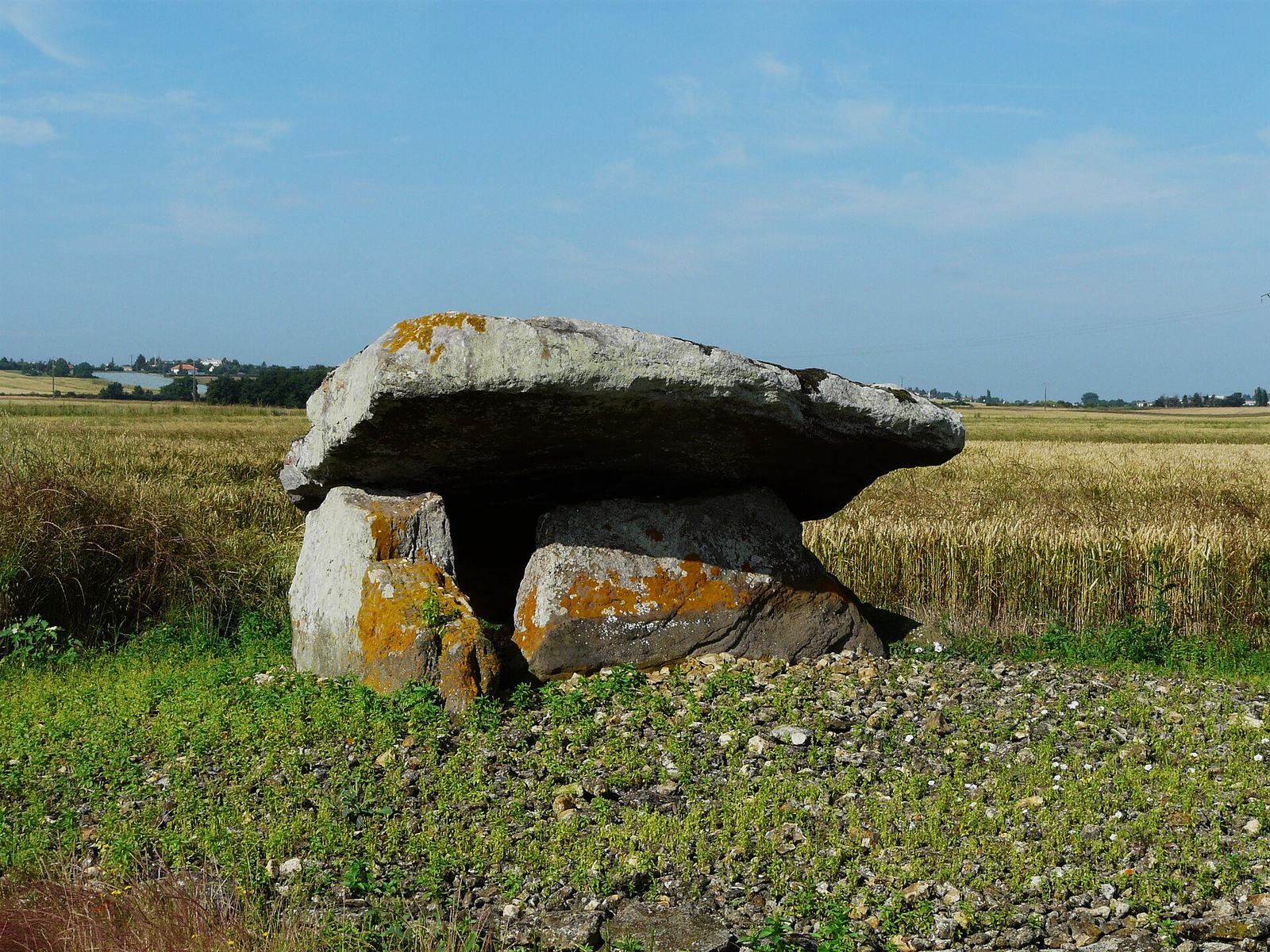
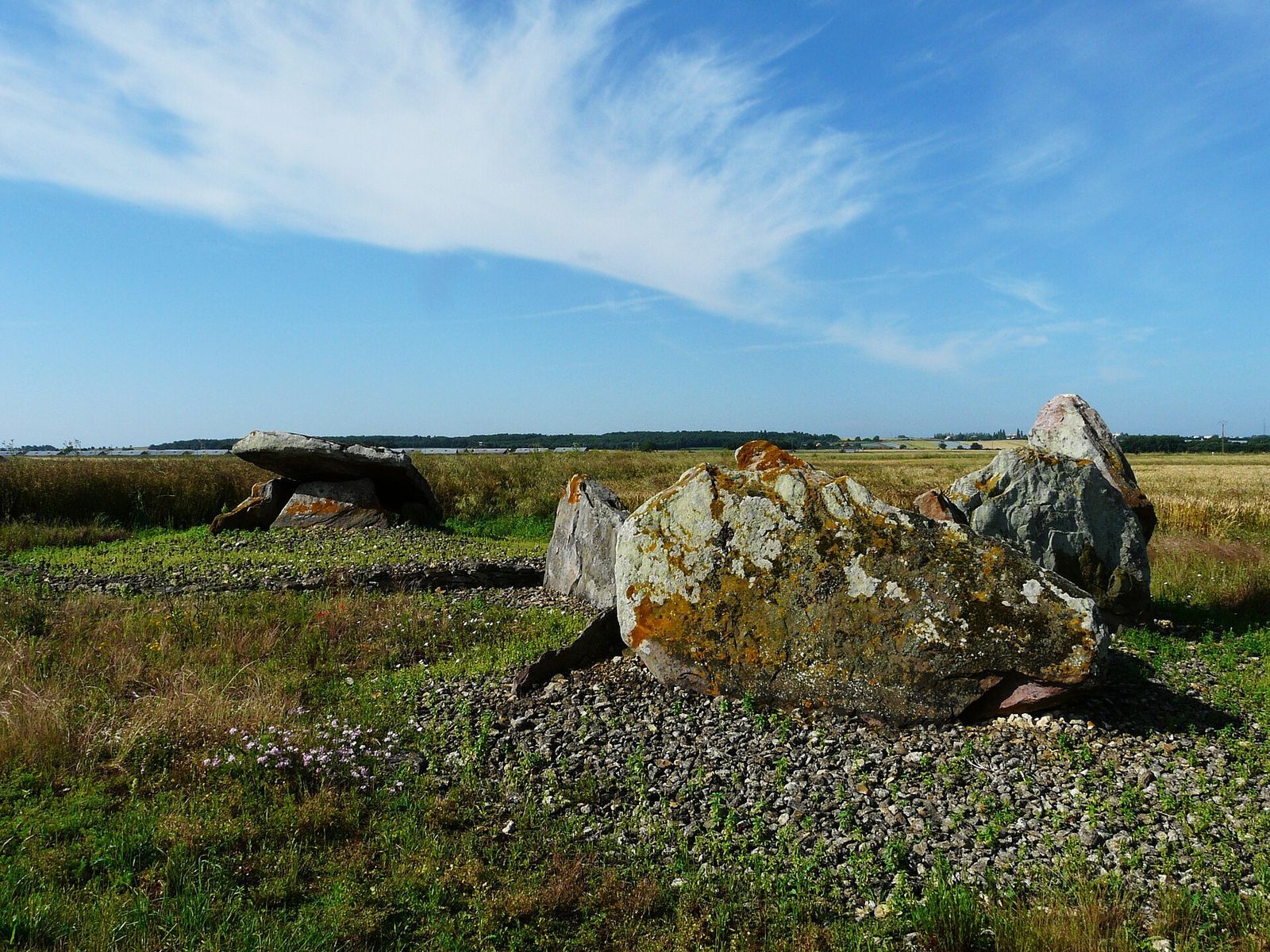
The Pierres Levées de Puyraveau are Neolithic dolmens, burial tombs formed by upright stones supporting large capstones, at Saint-Léger-de-Montbrun in Deux-Sèvres, France. The monuments served as burial places, and Dolmen II yielded a particularly rich collection of archaeological finds.
Excavations and protection
In the early 1960s, unauthorized digging by high-school students and others removed many objects from the site. In 1965, prehistorian Étienne Patte recovered some of this material, especially finds from Dolmen II. Dolmen I was designated a historic monument in 1971, after the illicit excavations and in recognition of the site’s archaeological importance.
During the 1970s, archaeologist Georges Germond assembled an inventory of objects from Dolmen II and added items he found in private collections. From 2007 to 2009, archaeologist Vincent Ard investigated the site and brought nearly all of Dolmen II’s dispersed finds together. The collection was presented in a special exhibition at the Musée des Tumulus in Bougon in 2009.
Remains
The dolmens stand on a plain about 70 metres above sea level. Numbered from south to north, they are built from large limestone slabs and blocks.
Dolmen I
A trapezoidal capstone, 4 metres long and 0.45 metres thick, rests at an angle over the chamber, sloping toward its rear. The chamber is partly sunk into the ground and bounded by three upright stones. Two stand parallel to each other, while the third marks the entrance and leans inward.
Finds from Dolmen II
The assemblage from Dolmen II includes 86 daggers and blades, 247 arrowheads, 14 polished flint axes, tools made from bone and deer antler, and ornaments such as pendants and beads. It also contains about 50 pottery vessels and human bones. This is among the richest assemblages known from a dolmen in Western Europe.