Forte Ciuto: An Italian Coastal Defense Fort
Site at a Glance
- Popularity
- Low
- Country
- Italy
- Primary era
- Modern
- Eras represented
- Modern
- Civilizations
- Italian
- Site type
- Military
- Remains
- Fort
On this page10 sections
History
Construction and defensive role
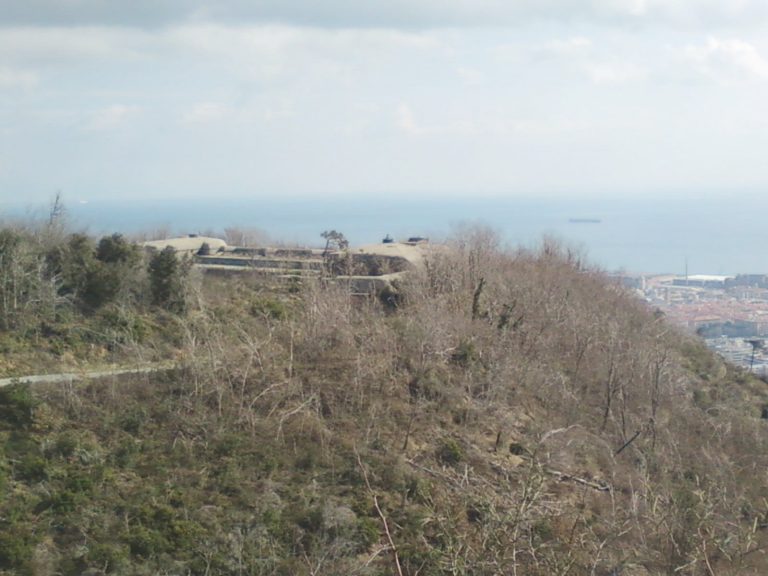
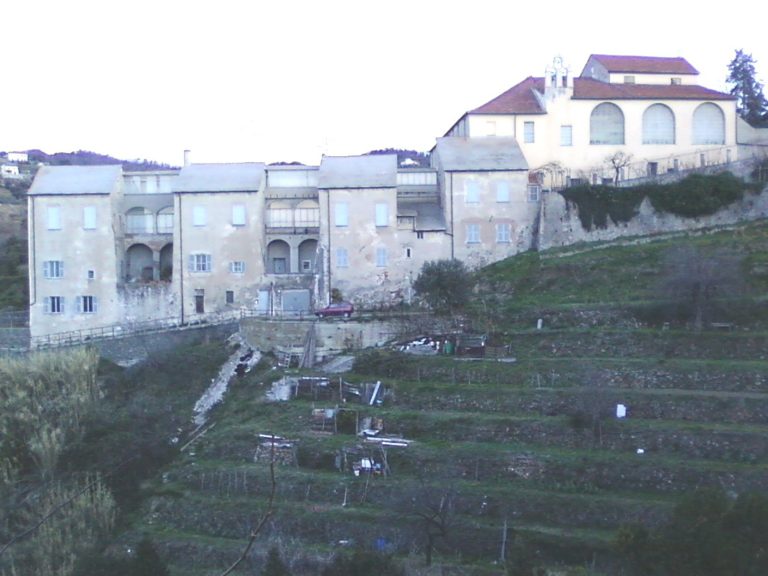
Forte Ciuto is a fort on a hill behind the Savona–Vado Ligure roadstead and Quiliano in Italy. The Royal Italian Army’s Directorate of Engineers in Turin built it around 1885 under the House of Savoy, the dynasty that became Italy’s royal house after unification. The fort helped defend the coast and offshore anchorage, the approach to Colle di Cadibona, and inland ground behind the lower forts of Madonna degli Angeli and Madonna del Monte. Of the three, Forte Ciuto was the largest and strategically most important.
Wartime changes
Between 1939 and 1943, the fort underwent extensive alterations, including heavy concrete reinforcement for batteries intended to counter landings and aircraft. A French naval bombardment in 1940 caused almost no damage.
End of service and later incident
Forte Ciuto remained operational until the end of the Second World War, and its strategic function ended in 1947. On May 26, 1975, the final bomb in the Savona bombings exploded at the fort. The reason is uncertain; the likeliest explanation is that those responsible wanted to dispose of their last bomb. A claim that the site continued to serve as an Italian intelligence materials depot into the 1980s is probably a conspiracy theory.
Remains
Site and construction
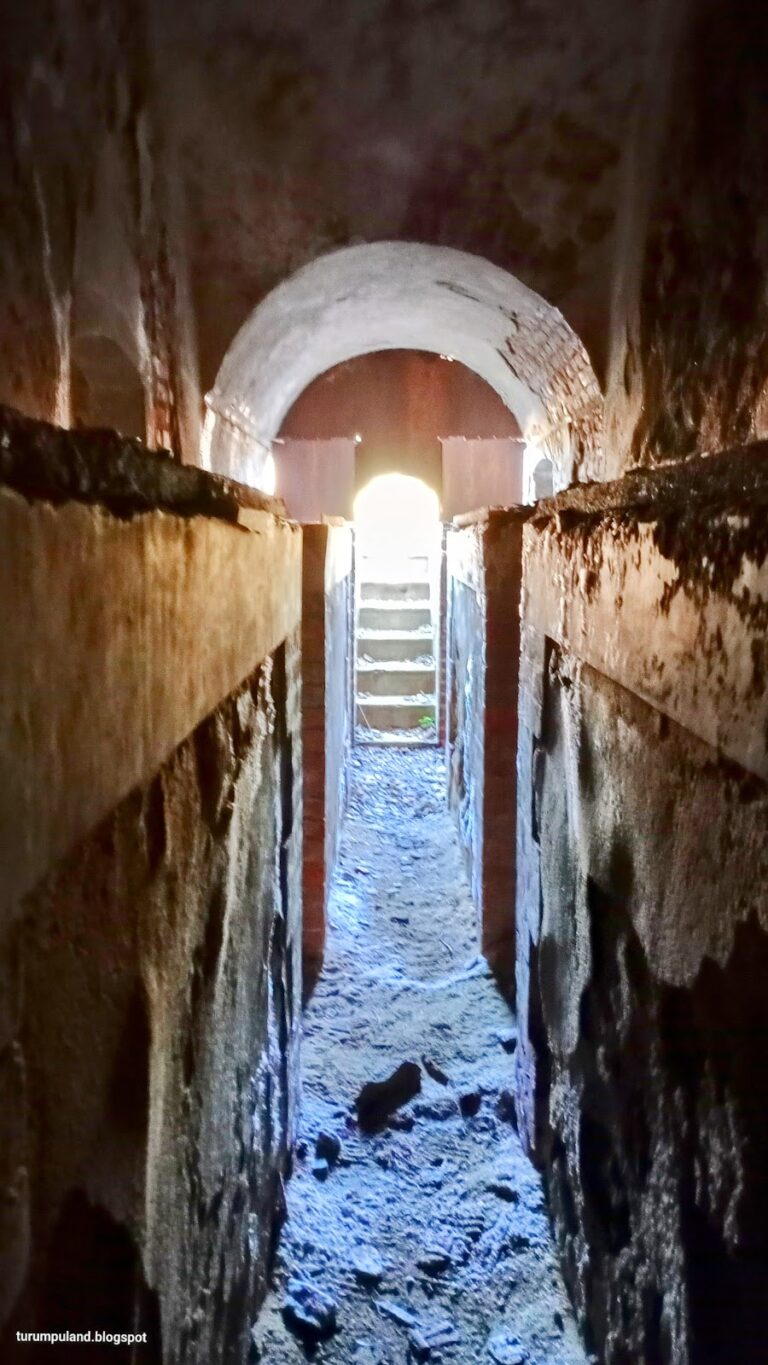
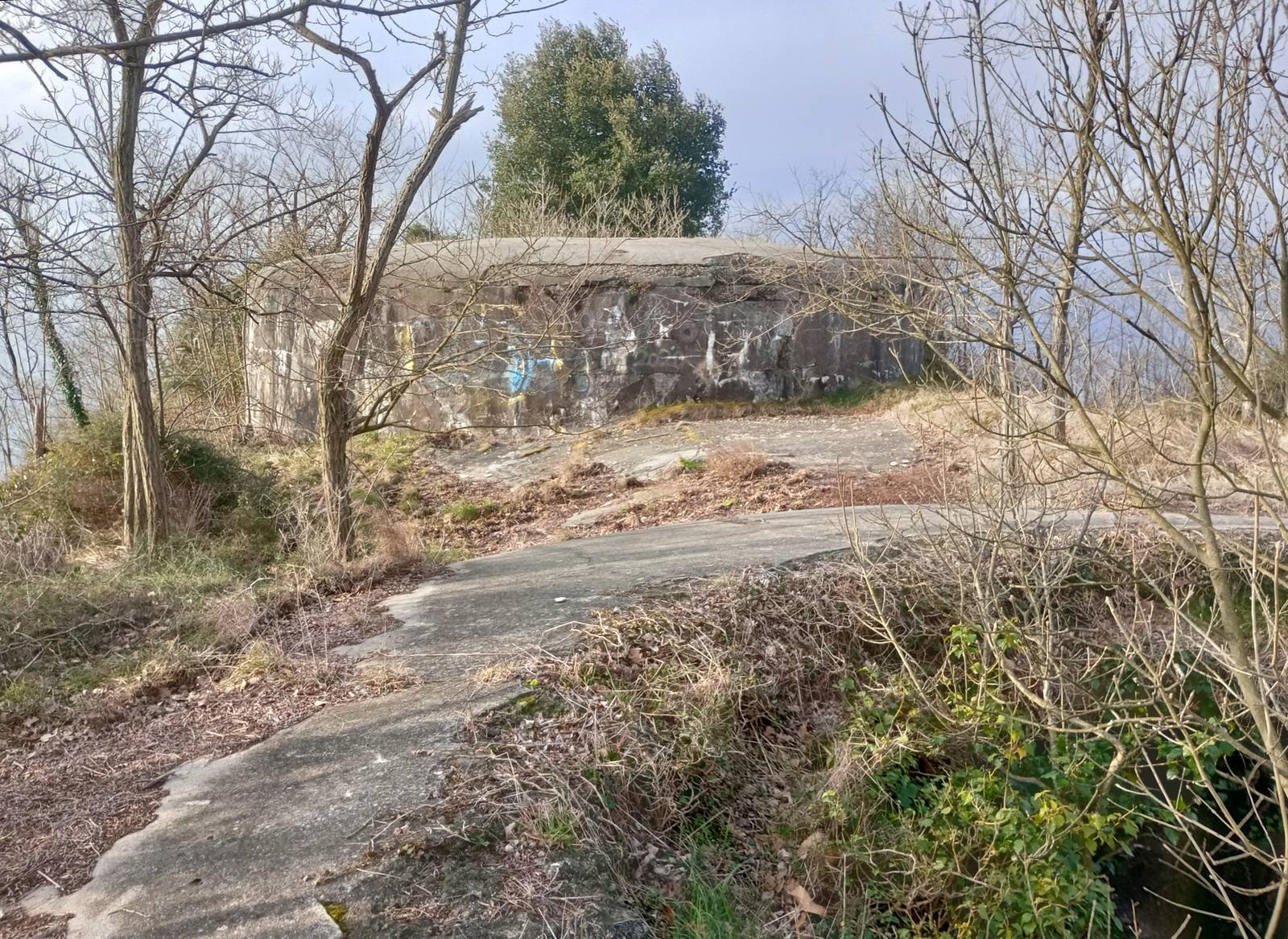
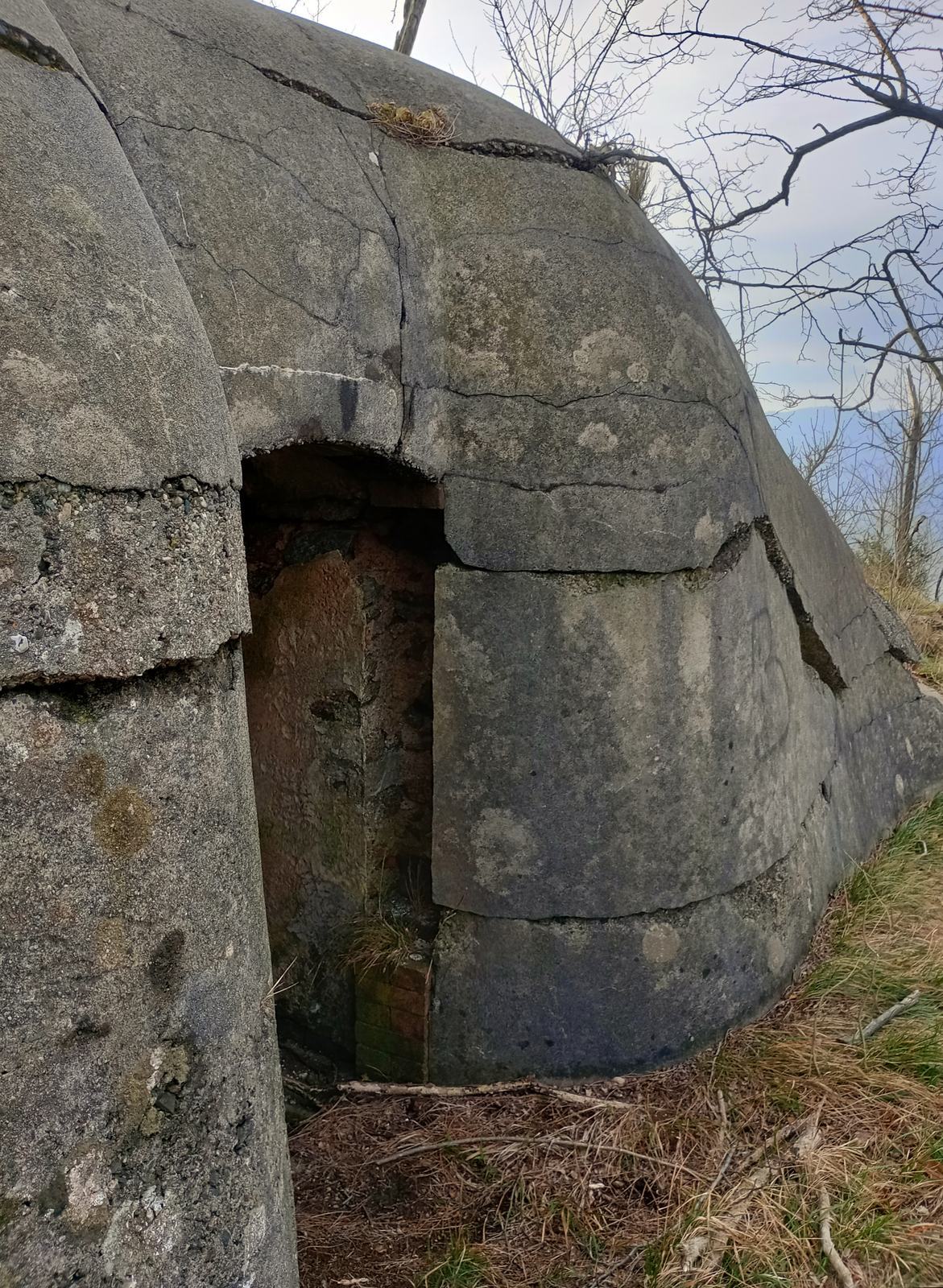
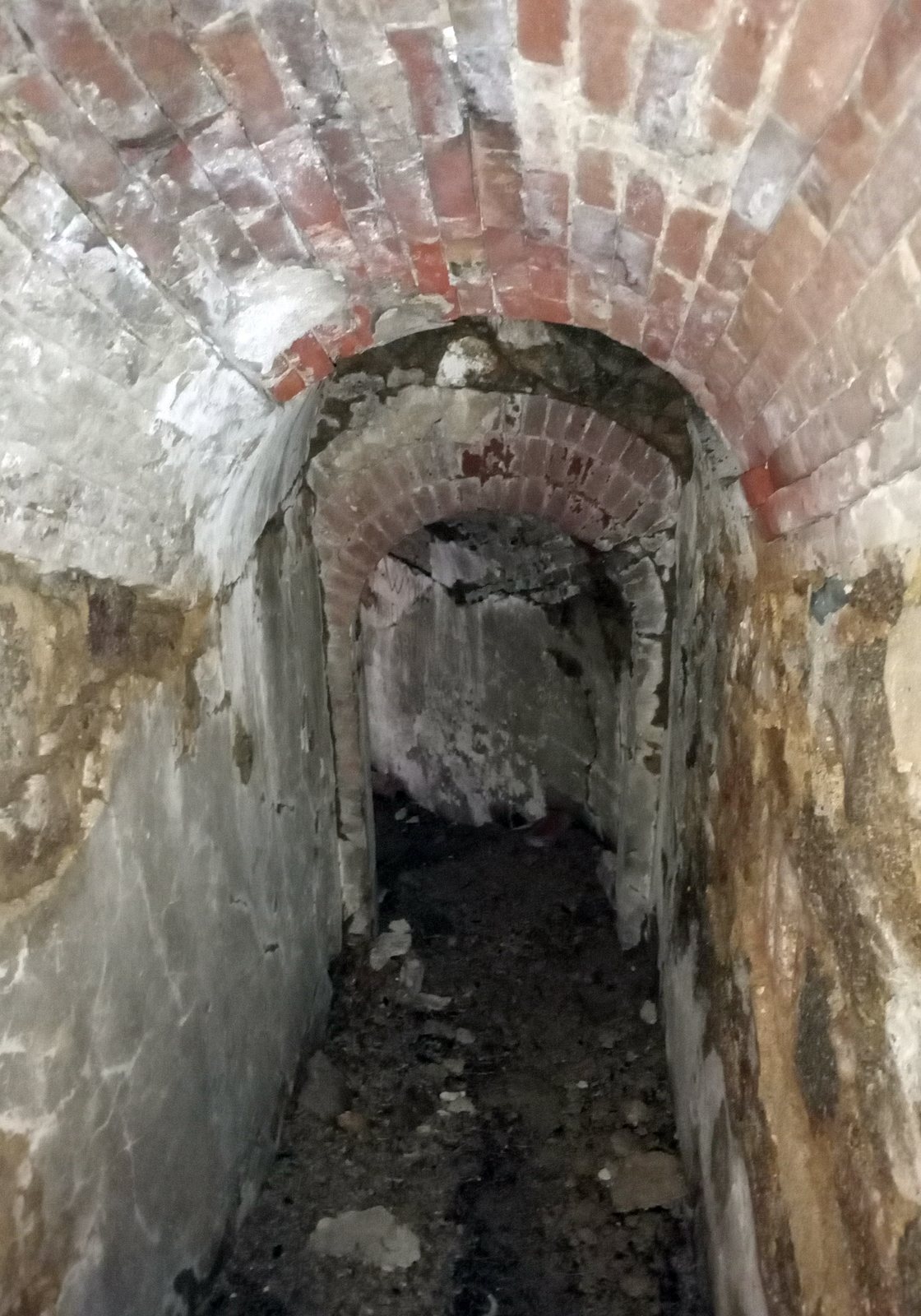
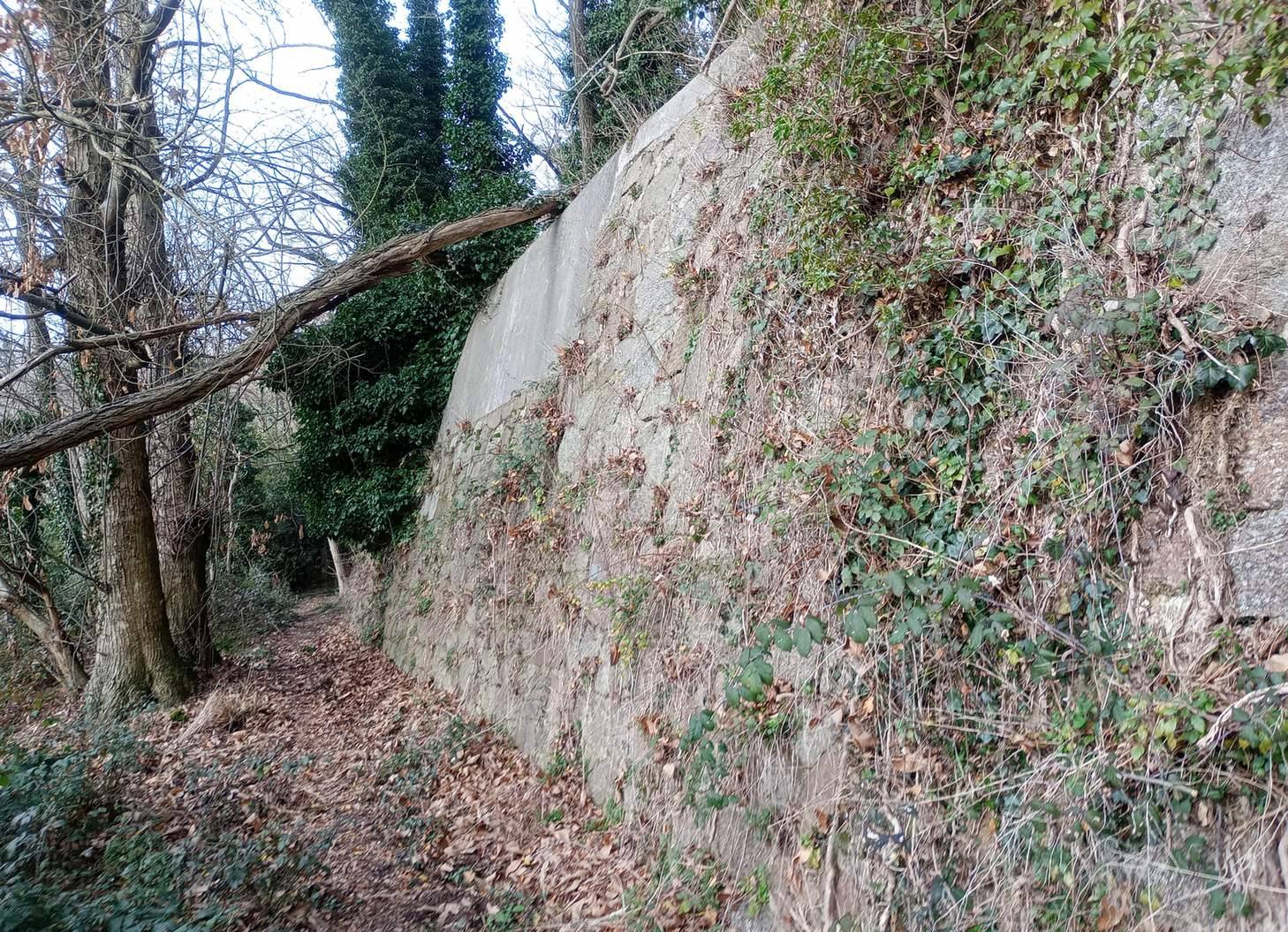
The fort stands about 400 metres above sea level on a hill behind the Savona–Vado roadstead and Quiliano. It was formed largely by excavating the mountain summit, using stone, brick, and reinforced concrete. The fort is abandoned and in poor condition.
Artillery positions
Turrets
Two Gruson 120/21 turrets formed part of the fort’s armament. Two additional turrets for close defense could be lowered into protected positions when not in use. They initially carried 57/43 Model 1887 guns, but were removed toward the end of the 1930s and replaced, at each position, by a Breda 20/65 Model 1935 anti-aircraft installation. In these weapon designations, the first figure gives the caliber in millimetres and the second the barrel length as a multiple of the caliber.
Open artillery platforms
Two open platforms allowed guns to fire over protective parapets. They initially held three 280 mm howitzers, later replaced in the postwar period by four 149/23 guns. The weapons were revised again by the end of the 1930s. At the outbreak of the Second World War, the platforms held two 81 mm mortars and three 149/23 guns.
Perimeter and access
Other surviving features include a perimeter wall, an old access road, and a concrete covering over a lateral emplacement.