Forte della Madonna degli Angeli: A Coastal Defense Fortress in Savona

Site at a Glance
- Rating
- 4.1
- Popularity
- Very Low
- Country
- Italy
- Primary era
- Modern
- Eras represented
- Modern
- Civilizations
- Italian
- Site type
- Military
- Remains
- Fort
On this page15 sections
History
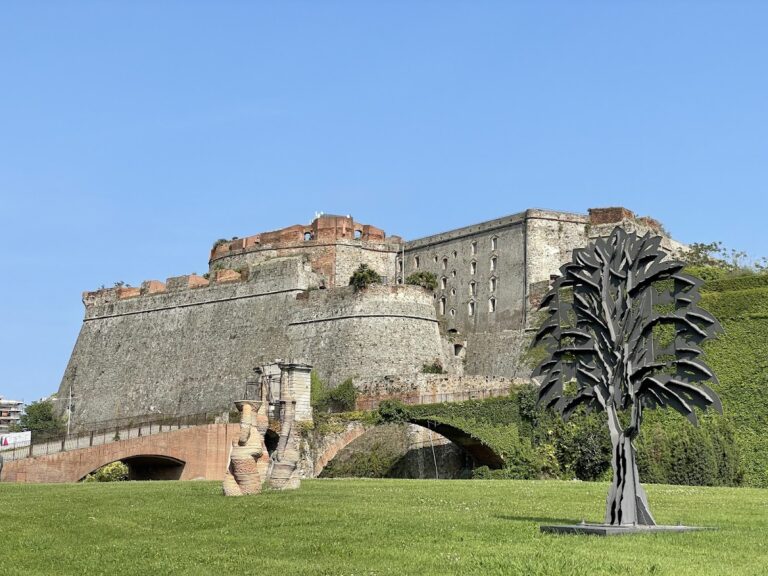
Forte della Madonna degli Angeli is a nineteenth-century fortress in Italy, located on a hill immediately behind the central area of Savona at 232 metres above sea level. Construction began around 1881 under the House of Savoy, the ruling dynasty of the Kingdom of Italy, and the Italian state was its first owner. Classified as a battery, a fortified artillery installation, it formed part of the coastal and harbor defense system of Savona and Vado Ligure, together with the smaller Madonna del Monte fortress at Legino and the more inland Forte Ciuto.
Italian military service
The fortress was designed to protect the coastal and harbor area with heavy artillery. Its operational life continued until the end of the Second World War, although its strategic function formally ended in 1947. Military-property documents continued to classify it as a military structure ready for use until 1982, extending its administrative military status beyond the end of its active defensive role.
German occupation and wartime violence
During the Nazi occupation of Italy, the Wehrmacht, the unified armed forces of Nazi Germany, garrisoned the fort. It also operated as a German anti-aircraft battery. Nazi forces killed partisans at the site during this period. A commemorative plaque was later installed in the courtyard, and bullet marks connected with the killings remain visible on a wall.
Later history
During the 1960s or 1970s, a proposal was reportedly considered to convert the fort into an Air Force anti-missile-defense installation. The project was abandoned because of the building’s advanced deterioration, its failure to meet contemporary safety and protection standards, and its proximity to the city. The story may also reflect conspiracy theories associated with the better-known bunker on Mount Settepani.
In June 2010, the former fortress was included among state properties intended for transfer to regional and local authorities for sale, with an estimated value of approximately 92,000 euros. The fort is now abandoned but fairly well maintained.
Remains
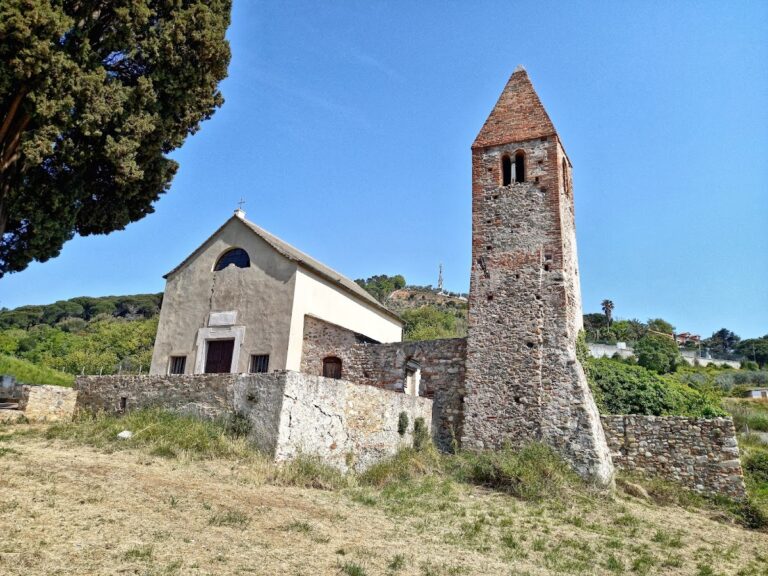
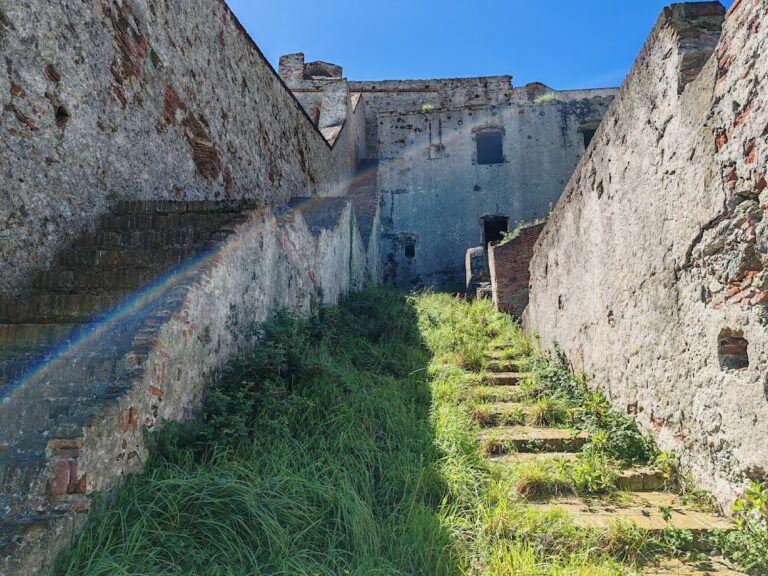
Forte della Madonna degli Angeli occupies the summit area of a hill directly behind Savona. The Church of Madonna degli Angeli stands halfway down the slope toward the city and gives the fortress its name. The surviving fortification has two floors, with artillery positions and military support spaces arranged within a compact defensive structure.
Main fortification
Lower level
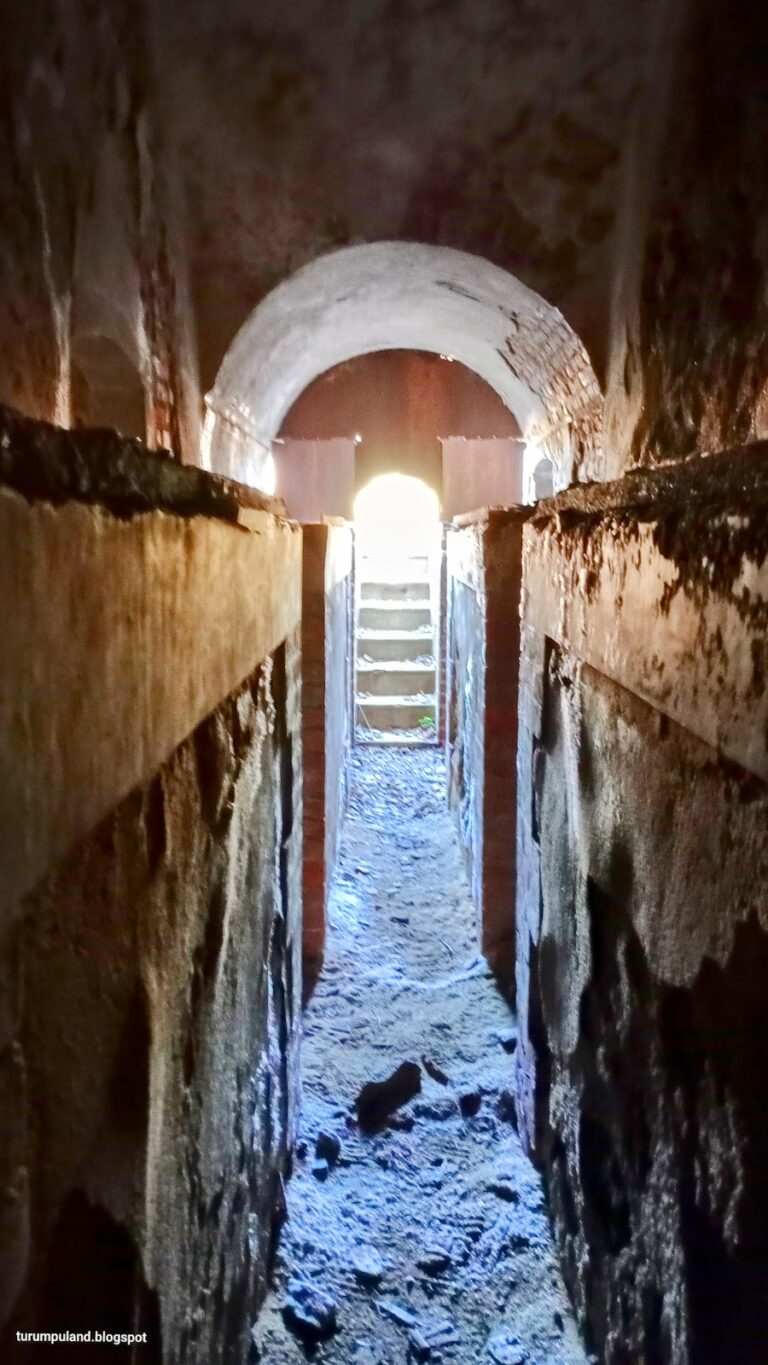
The lower floor contained stables and ammunition magazines. These spaces supported the operation of the artillery above and formed part of the internal service areas of the fortress.
Upper artillery level
The upper floor contained three gun positions for six 280-millimetre howitzers, weapons designed for relatively high-angle fire. After the First World War, an equal number of 149/23 guns replaced the howitzers. The upper level also retains telemetric stations, military range-finding installations used to calculate the distance to a target and assist artillery aiming.
Terrace and roof
A terrace on the upper floor contains mortar positions. The existing reinforced-concrete roof is probably a later addition rather than part of the original construction. Its appearance is associated with efforts to adapt the fortification to the increasing firepower of modern artillery.
External artillery positions
Forward gun platforms
Two additional gun platforms were built in front of the fort after the First World War. They were connected to the main structure by a drawbridge crossing the surrounding ditch. Their construction expanded the artillery arrangement beyond the original fortification.
German anti-aircraft battery
During its German anti-aircraft service, the fort carried four Flak 88 guns and two Flakvierling installations. The Flak 88 was an 88-millimetre anti-aircraft gun, while the Flakvierling was a four-barrelled anti-aircraft gun mount.
Associated remains and wartime evidence
Soldiers’ barracks
Ruins of the soldiers’ barracks stand several metres outside the fort to the north-west. They formed part of the supporting military structures serving the main defensive position.
Courtyard memorial
The courtyard contains a plaque commemorating the partisans killed at the fort during the Nazi occupation. Bullet impacts associated with the killings remain visible on a wall, preserving physical evidence of the site’s wartime violence.
Nearby sites