Tumulus of Montefortini: An Etruscan Burial Mound in Italy
Site at a Glance
- Popularity
- Low
- Country
- Italy
- Primary era
- Iron Age
- Eras represented
- Iron Age
- Civilizations
- Etruscan
- Site type
- Burial
- Remains
- Burial Mound
On this page6 sections
History
The Tumulus of Montefortini is a seventh-century-BCE Etruscan burial mound in Comeana, Italy. The Etruscans were an ancient people of central Italy whose civilization preceded Roman dominance in the region. Finds place Tomb I at approximately 625–575 BCE, during the Orientalizing period, an early phase of Etruscan culture shaped by artistic influences from the eastern Mediterranean.
Ancient use and disturbance
Tomb I was probably plundered around 200 BCE, when the vault of its vestibule is also thought to have collapsed. Further plundering took place in later periods.
Discovery and excavation
In 1965, four young men from Prato found terracotta and stone-slab fragments about 80 centimetres below ground near the Comeana cemetery. The discovery was identified as the Boschetti tomb, not Montefortini. The finders handed the fragments to the Carabinieri, Italy’s national gendarmerie and police force, at Poggio a Caiano.
Excavation and restoration of Tomb I began in 1966. Work on the second chamber, whose existence had long been suspected, began in 1982. The tumulus is designated Italian national heritage.
Remains
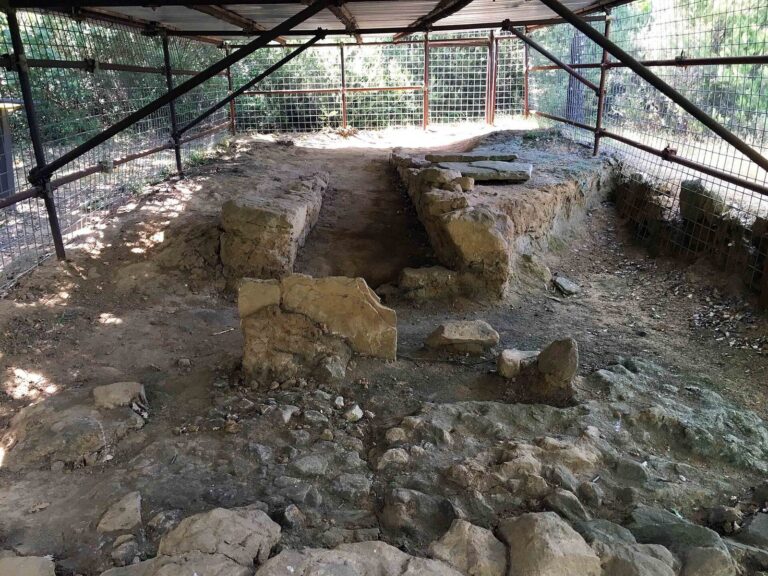
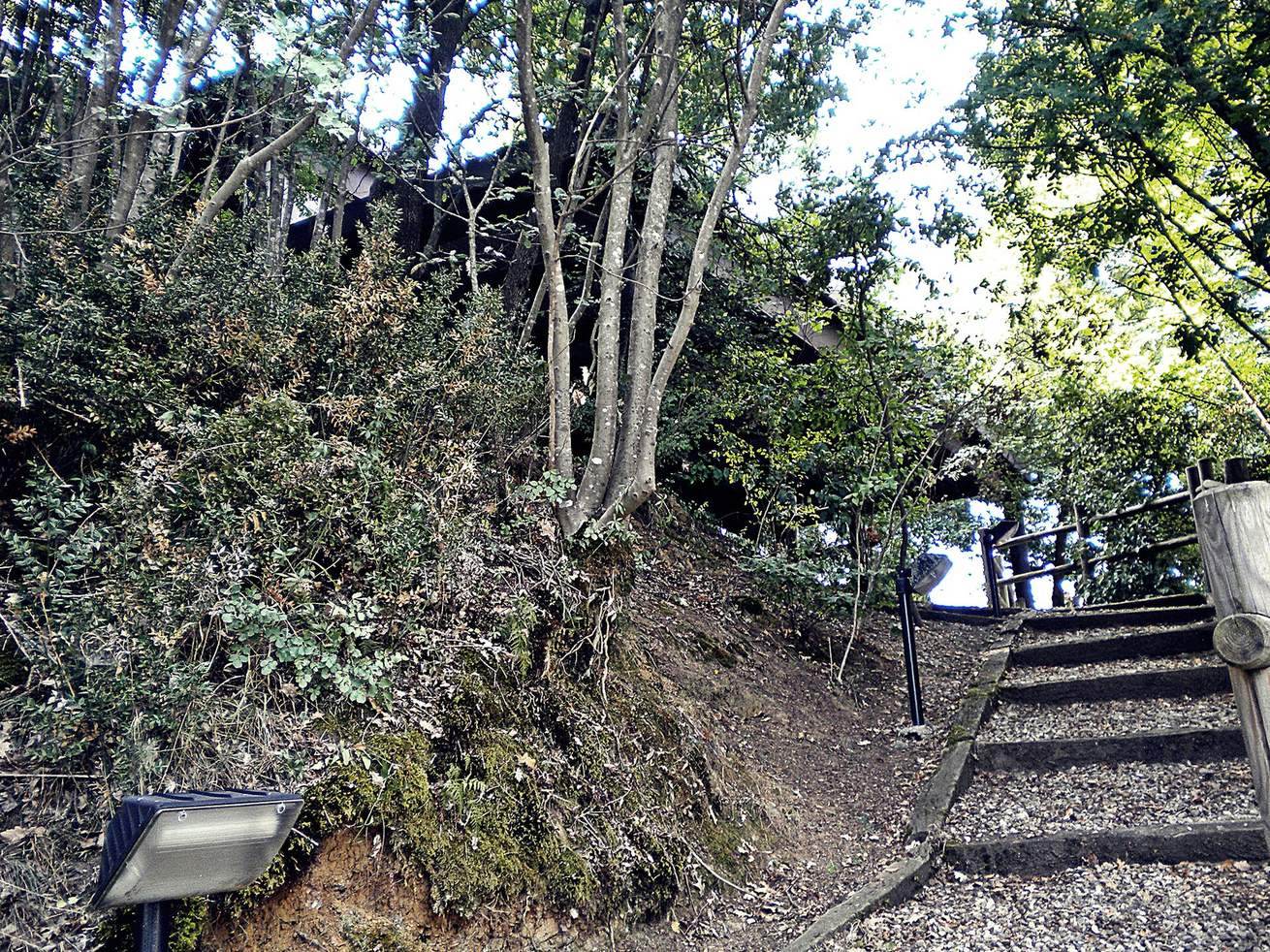
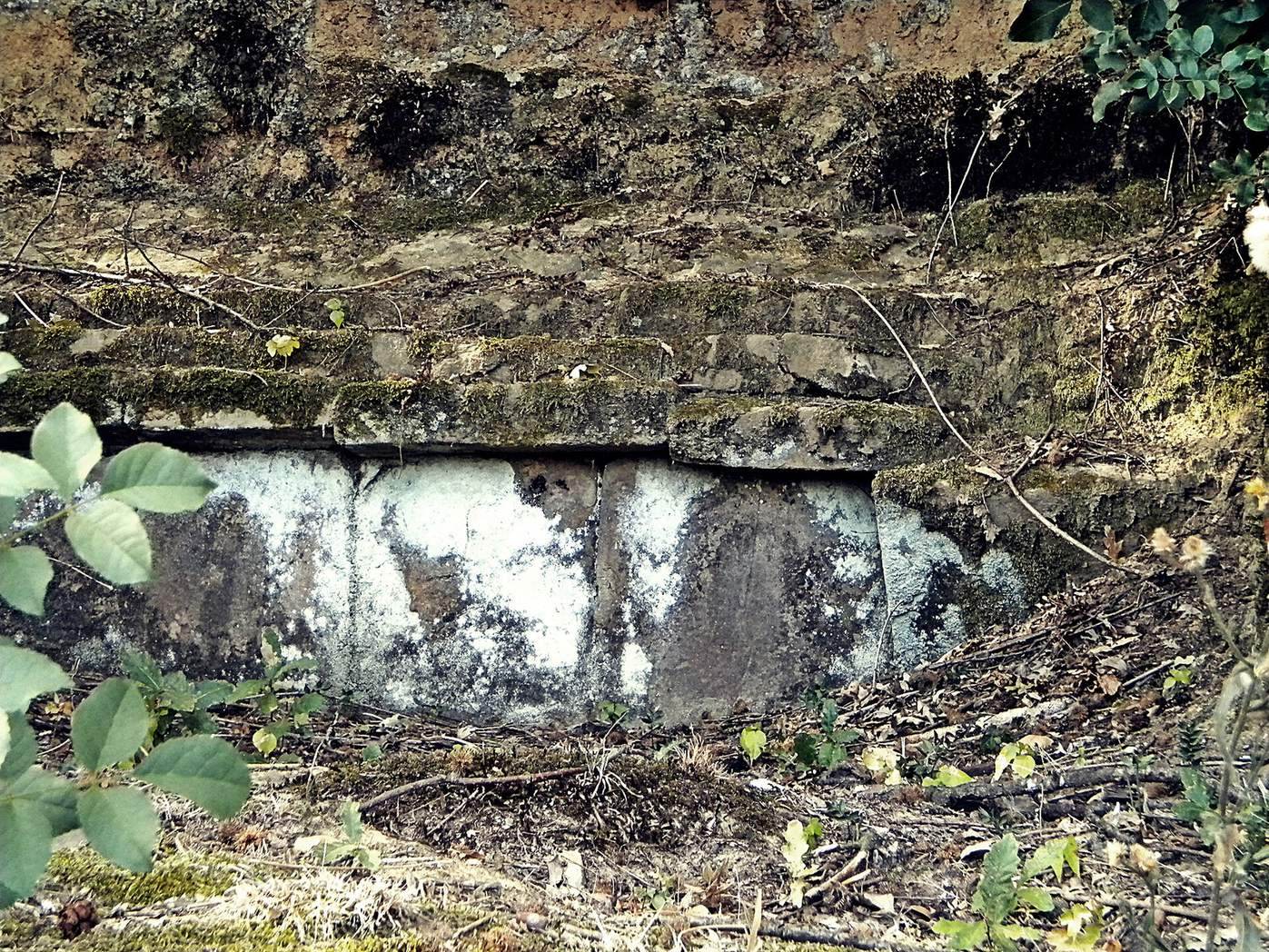
The artificial mound is oval, about 70 metres in diameter and 11–12 metres high, and is surrounded by a sandstone enclosure. It contains two burial chambers, with Tomb II at its centre. Oak and holm-oak woodland surrounds the monument. A break in the enclosure on the northwest side forms a platform thought to have supported a sacrificial altar.
Tomb I
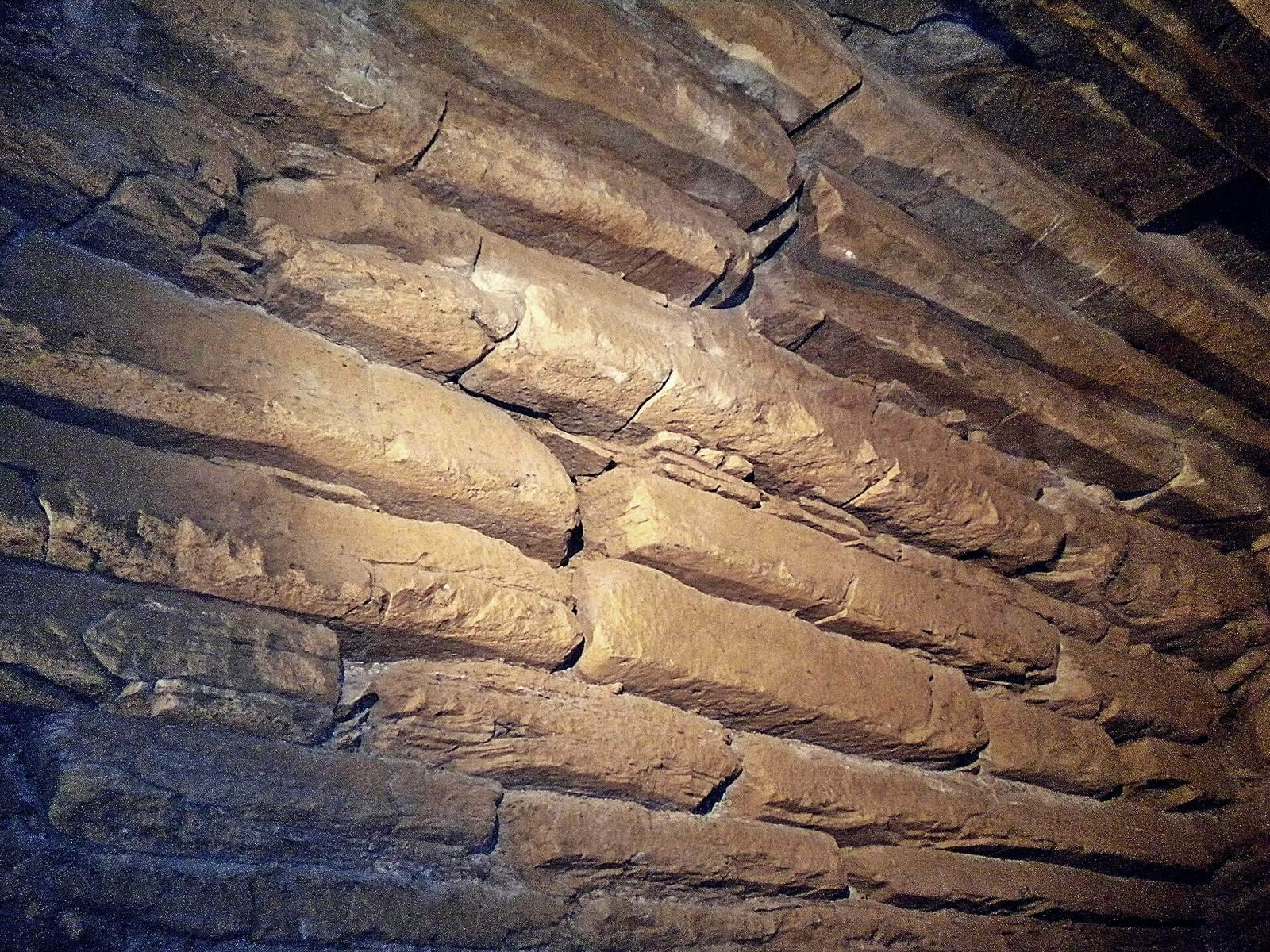
A 13-metre passage, known as a dromos, leads to a quadrangular vestibule measuring 2.10 by 2.50 metres. The vestibule was probably roofed with a false vault made from stone slabs projecting inward in courses. A doorway with two movable leaves beneath a horizontal lintel opens into the rectangular burial chamber, which measures 4.50 by 2.55 metres. A shelf runs along the chamber walls for funerary urns. Tomb I is considered a notable example of Etruscan architecture from the Orientalizing period.
Finds from Tomb I include carved and finely engraved objects, coarse-ceramic cinerary urns for cremated remains, cups made from bucchero, a distinctive dark Etruscan pottery, and remnants of Egyptian glass-paste vessels. These objects are displayed at the Archaeological Museum of Artimino.
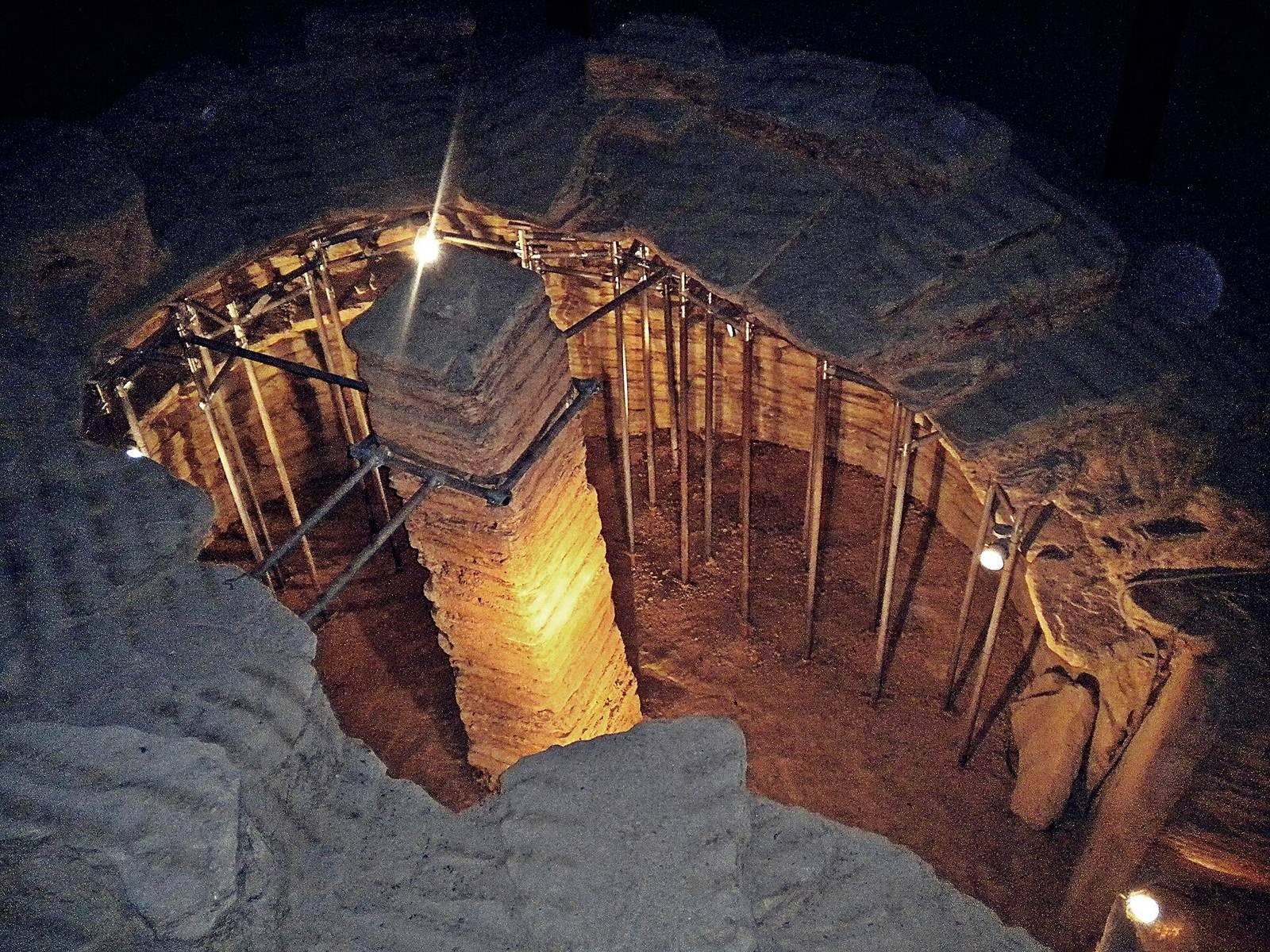
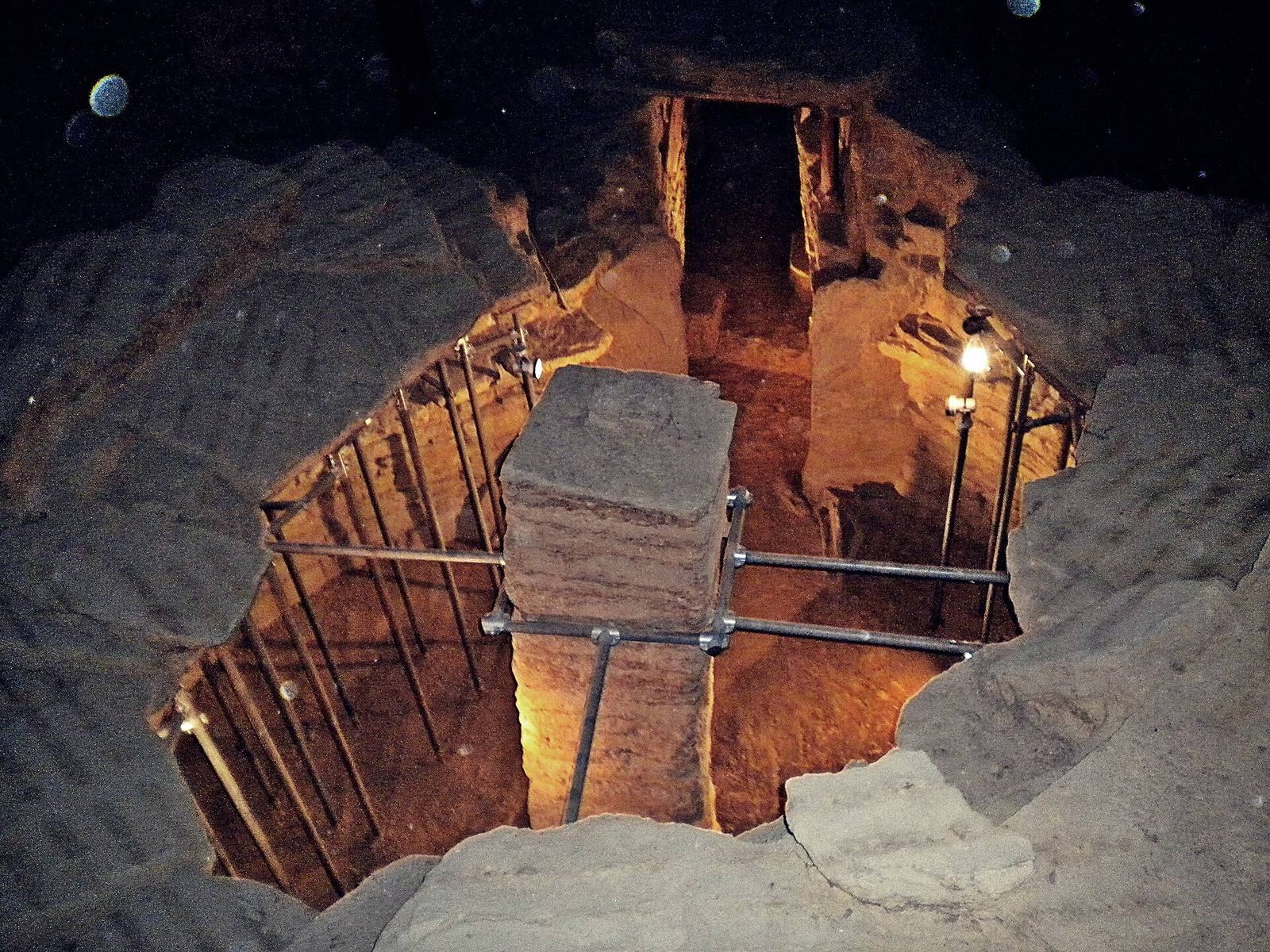
Tomb II
At the mound’s centre, Tomb II is a sandstone tholos, a circular tomb typically roofed with inward-laid stone courses. It is about seven metres in diameter and has a central pillar. The tomb was disturbed in antiquity and has partly collapsed, possibly because of an earthquake. Finds include an iron fibula, a type of clothing fastener, ivory fragments, decorated ostrich eggshells, Egyptian blue glass, amber and bucchero fragments.