Torrione Prenestino: A Roman Mausoleum in Rome
Site at a Glance
- Popularity
- Medium
- Country
- Italy
- Primary era
- Classical
- Eras represented
- Classical, Medieval
- Civilizations
- Roman
- Site type
- Burial
- Remains
- Burial Mound
On this page6 sections
History
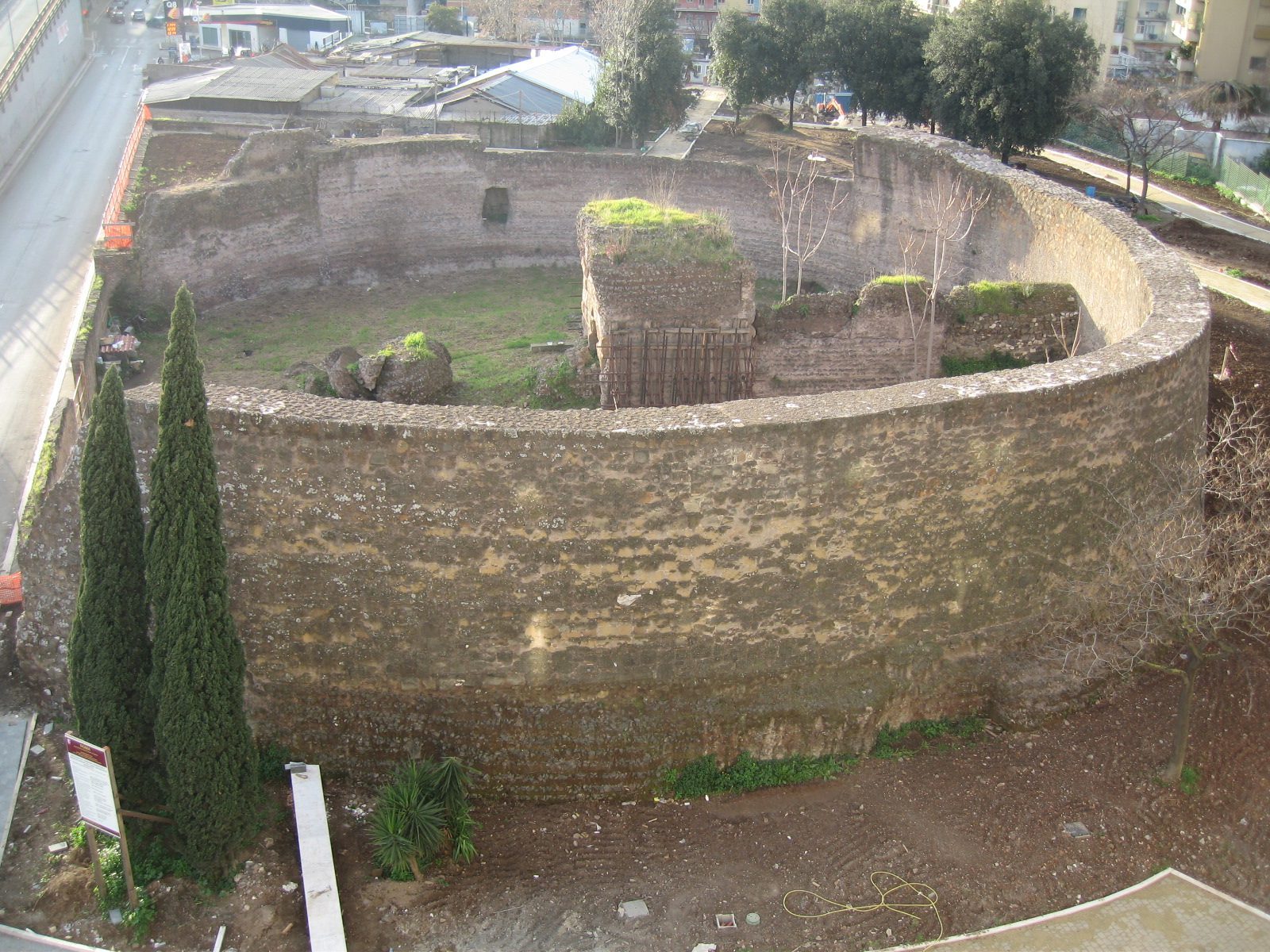
Torrione Prenestino is a Roman mausoleum in the Pigneto area of Rome, Italy, within the Tiburtino district. Built in the last quarter of the first century BC, it belongs to a circular tomb tradition whose patron is unknown.
Roman funerary tradition
This kind of tomb developed in Rome from the middle of the first century BC. Its most influential example was the Mausoleum of Augustus, built between 32 and 28 BC. Augustus, Rome’s first emperor, was known as Octavian before taking that name. His mausoleum held members of the imperial family both before and after his death in AD 14.
Use of these tombs in Rome fell sharply after Augustus’s death and had largely ended by about AD 50. Around thirty examples were counted in the surrounding area.
Medieval reuse and modern conservation
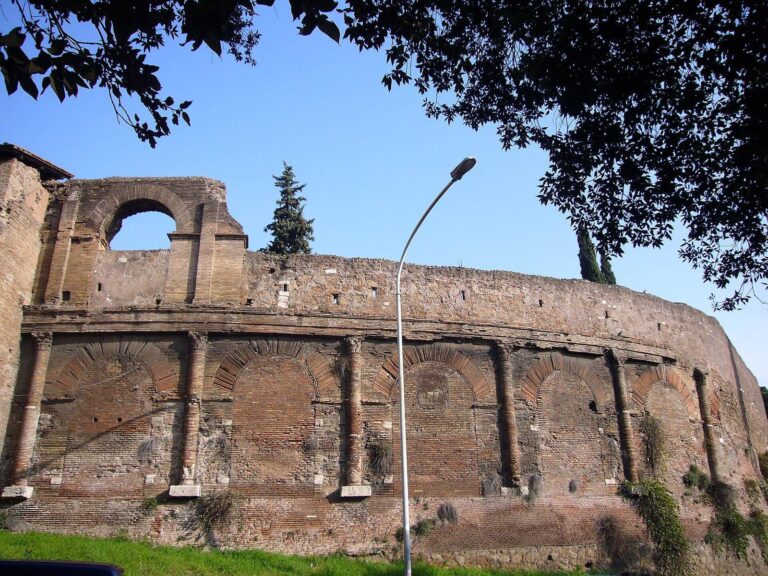
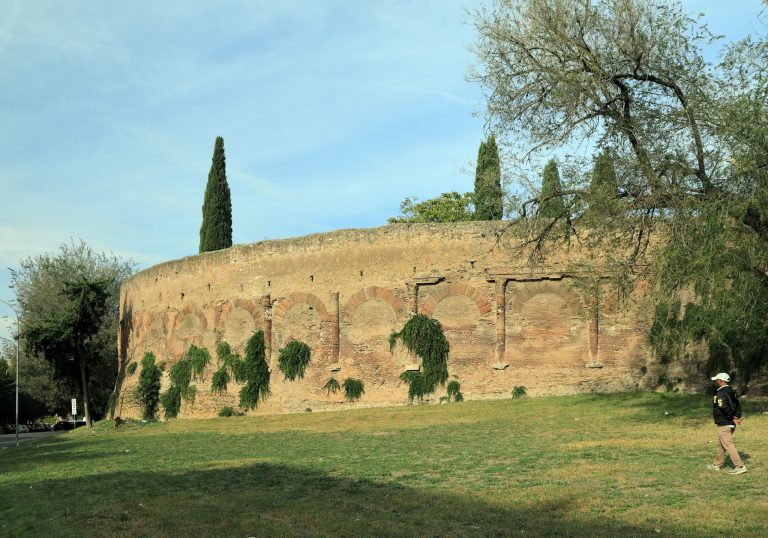
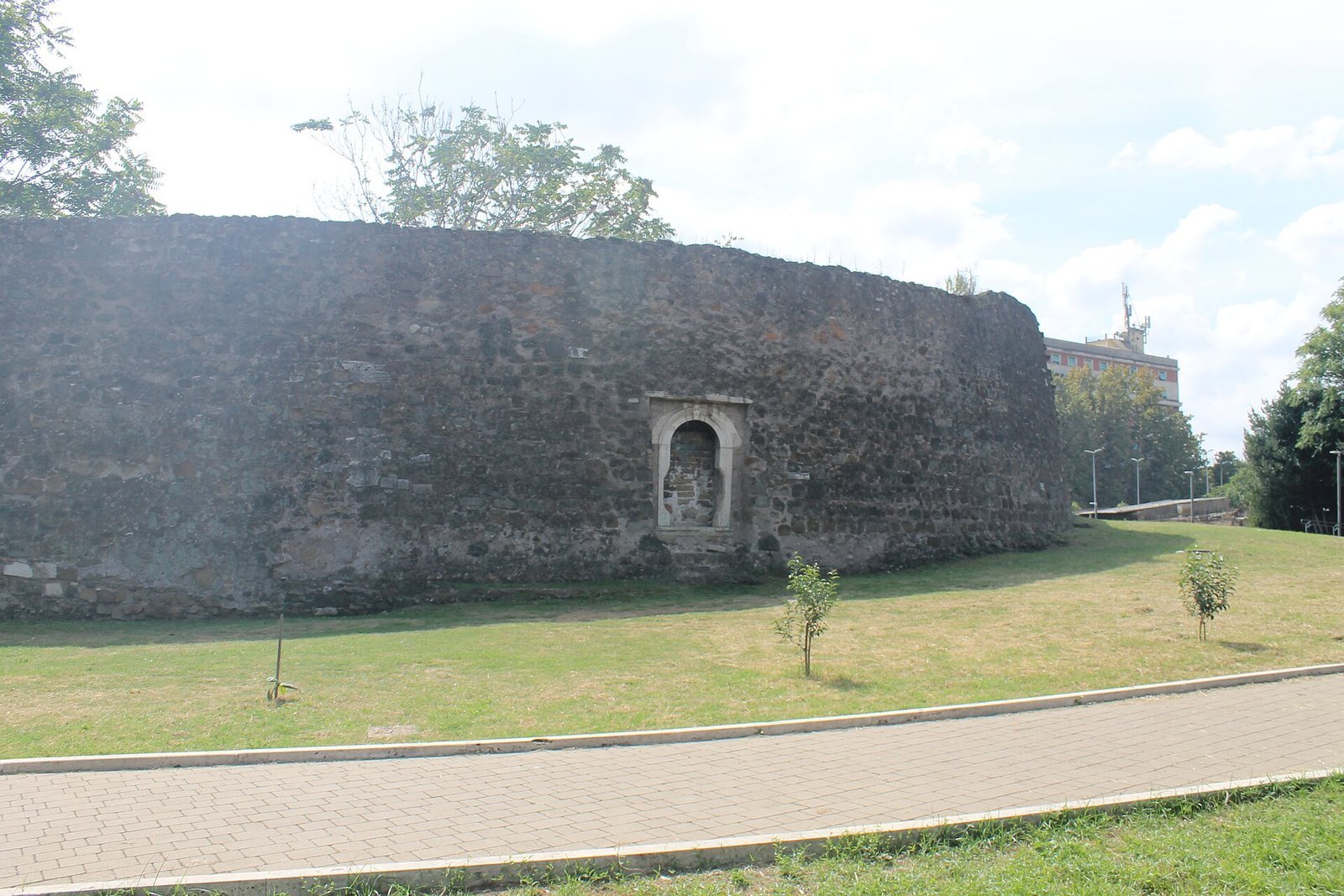
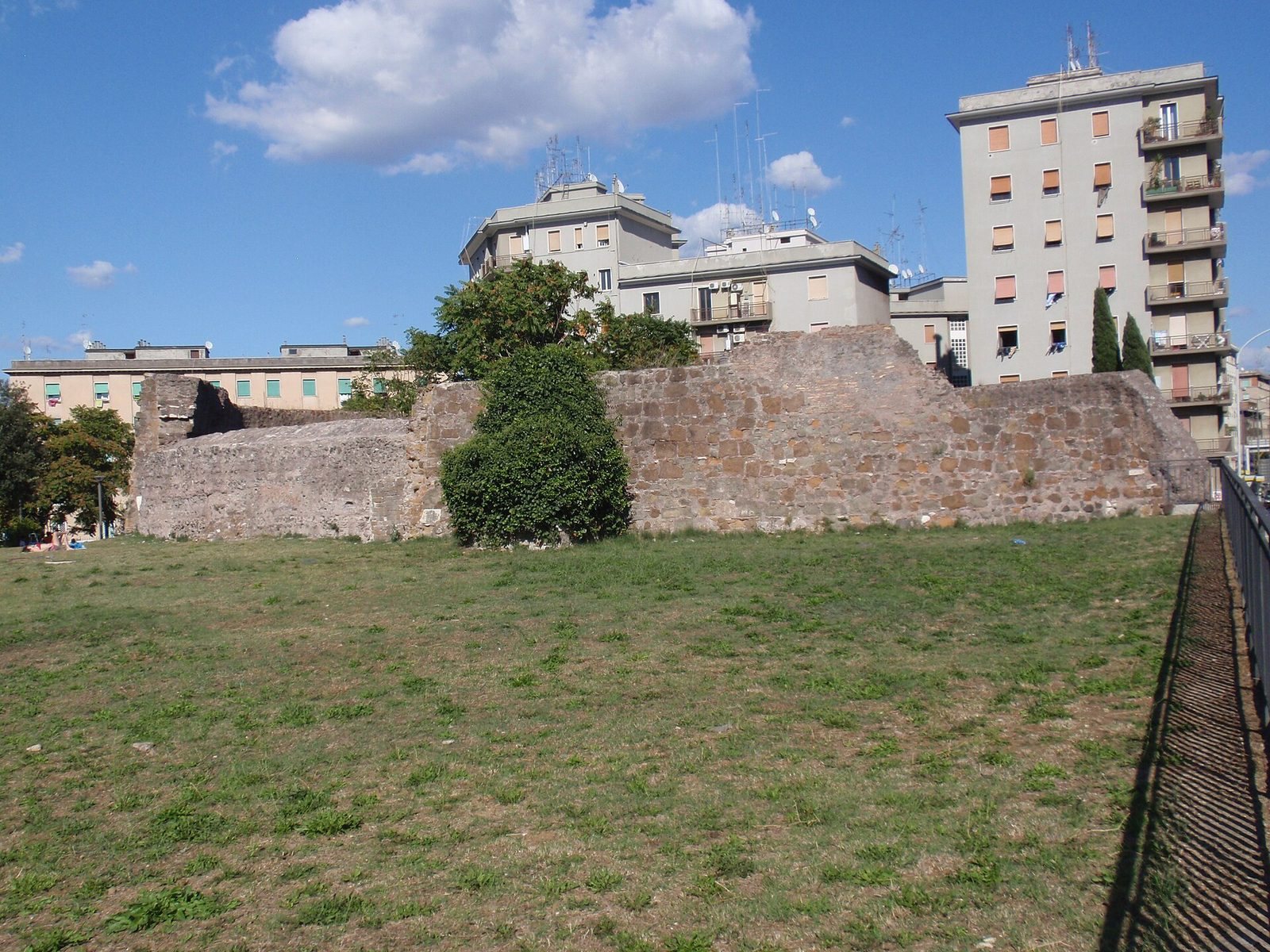
In the late Middle Ages, the Ruffini family owned the area and converted the mausoleum into a cellar. They added a tower and other nearby buildings, which have since disappeared. A restoration completed in 2010 strengthened the monument’s outer wall, while the adjacent park was enlarged.
Remains
The circular tomb
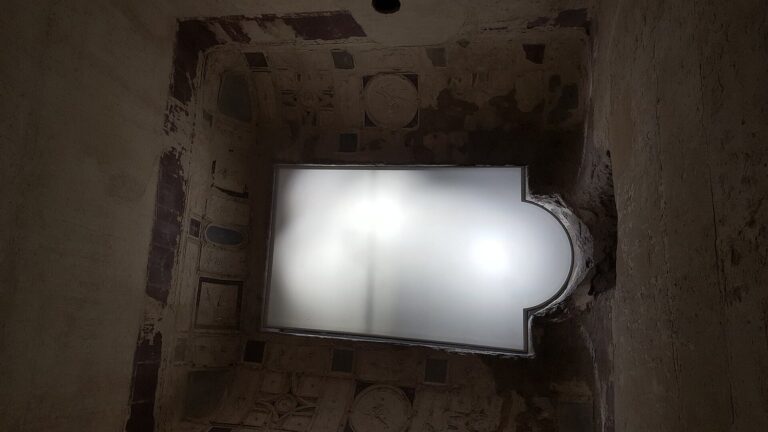
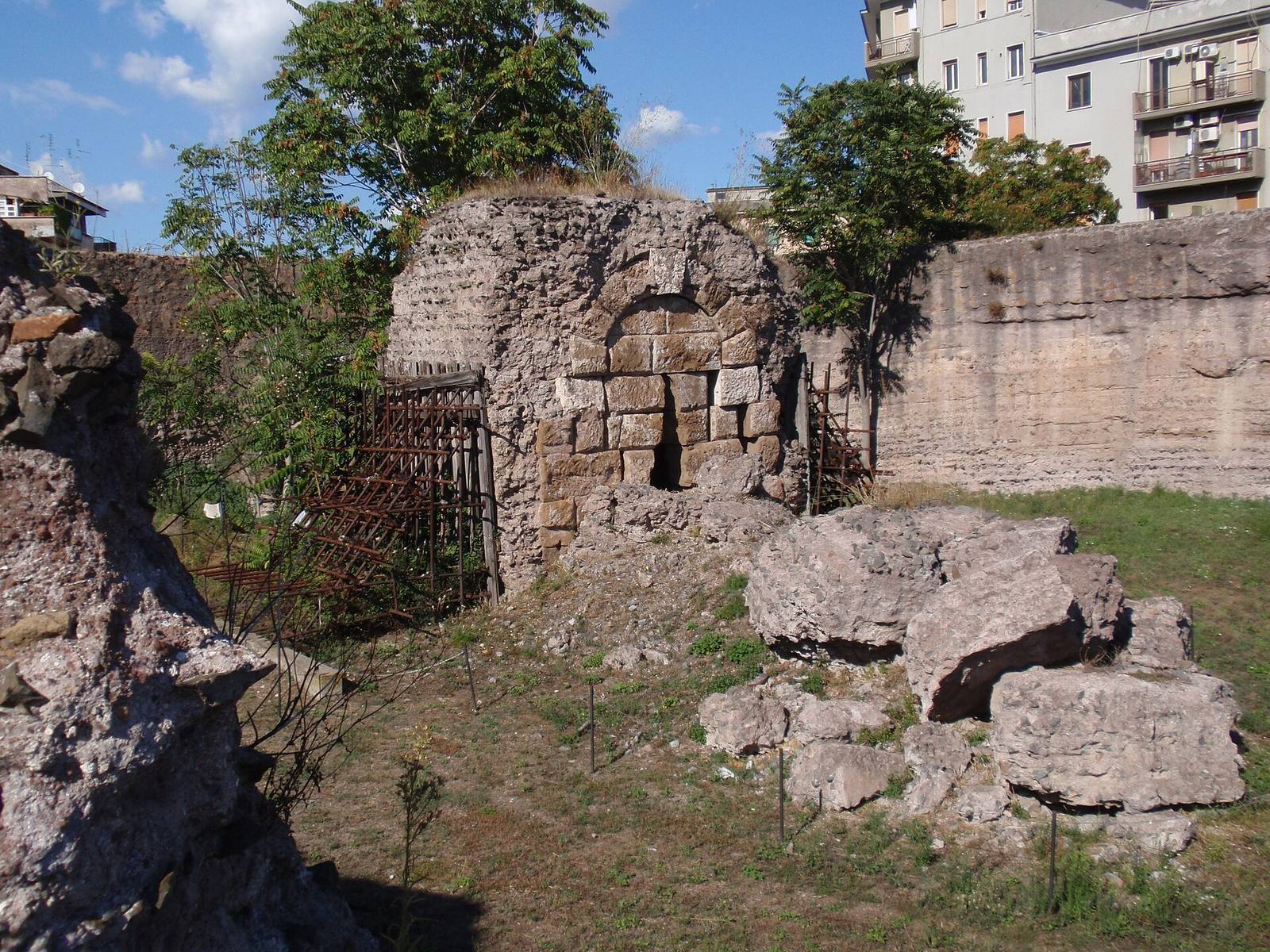
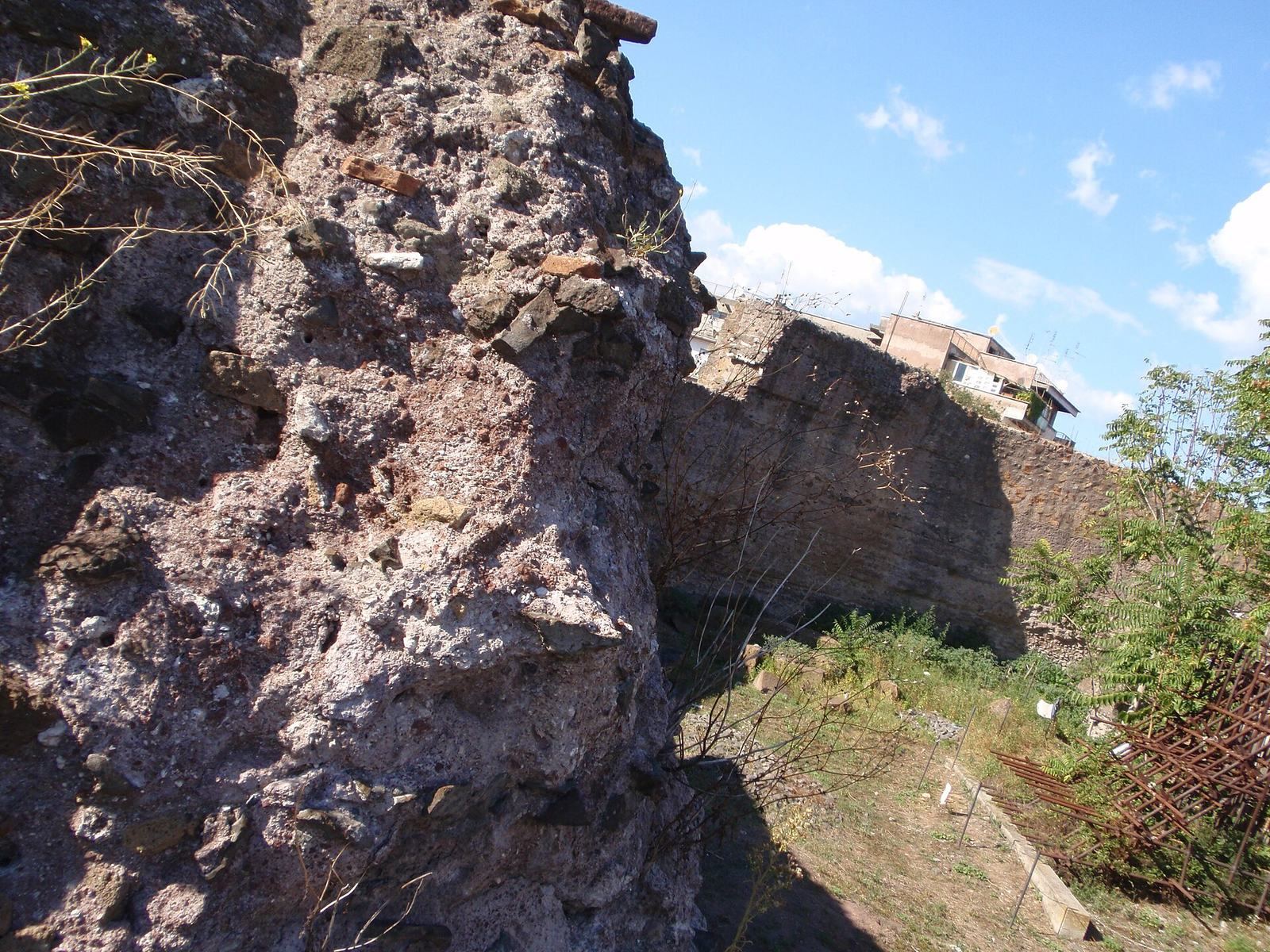
The mausoleum is a 41-metre-wide circular mound tomb, or tumulus, meaning a burial monument formed from earth. Its large drum was built of Roman concrete, an ancient building material, around a central burial chamber made of travertine, a type of limestone. The structure was originally entirely paved with marble. In Rome, only the Mausoleum of Augustus and the mausoleum of the second-century emperor Hadrian, now Castel Sant’Angelo, surpassed it in extent.
Earth filled the space inside the outer walls to the drum’s height, then rose toward the centre to form a cone. At its peak, a column rising above the burial chamber supported a statue of the deceased in official dress. A covered passage with a curved masonry roof linked the chamber to an entrance outside the tomb, facing the road. A coin dated to 15 BC found at the site supports the monument’s first-century-BC date.
Medieval fountain
A medieval fountain stands beside the mausoleum.